

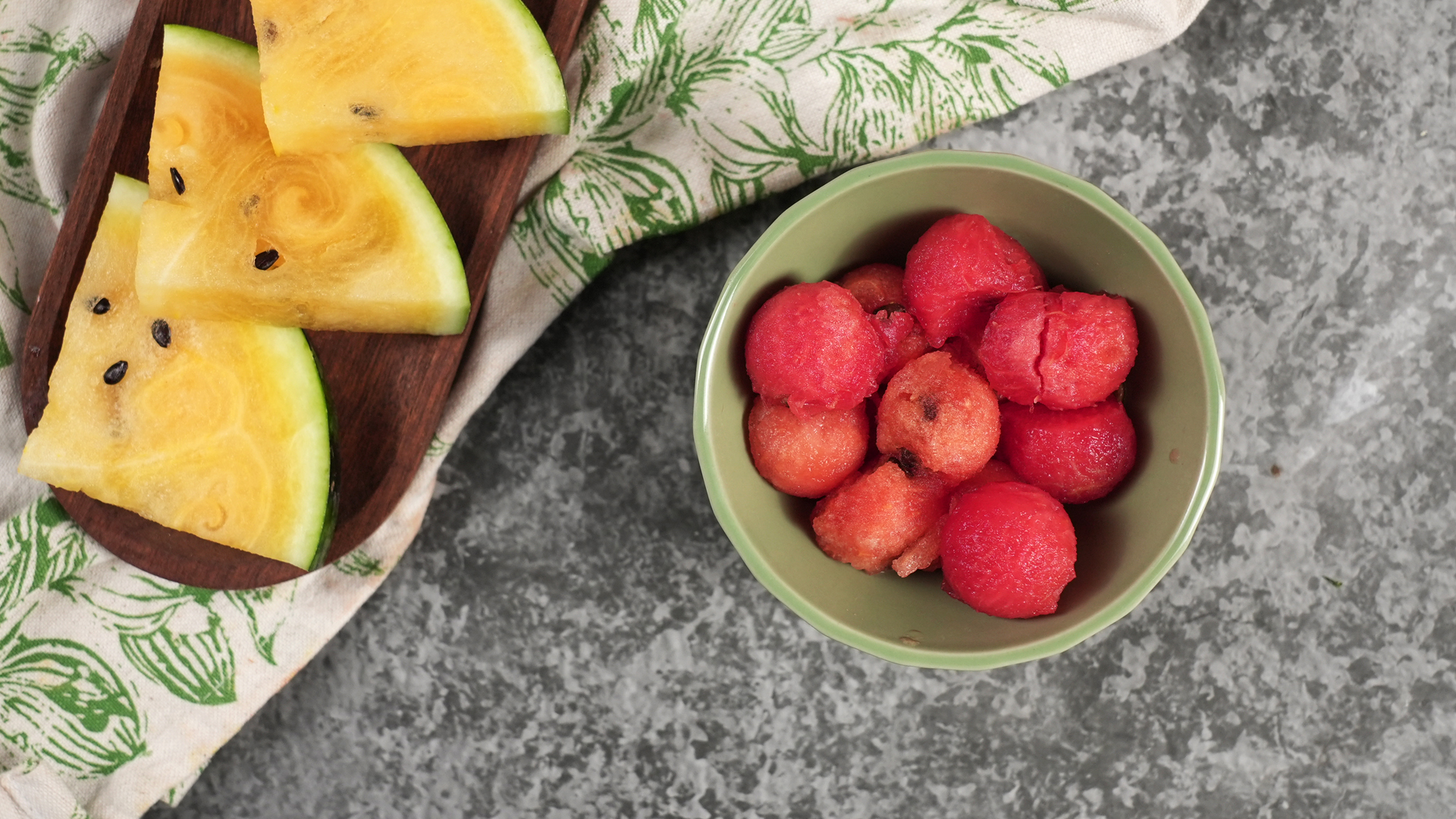
Watermelon is the unofficial mascot of summer: big, cheerful, dramatic, and somehow always heavier than you remember. It looks innocent sitting on the counter, but the moment you pick up a knife, it becomes a round green bowling ball filled with juice. The good news? Learning how to cut a watermelon is much easier than it looks when you use the right method for the right occasion.
Whether you want neat watermelon cubes for a fruit salad, classic wedges for a backyard barbecue, kid-friendly sticks for tiny hands, fancy melon balls for a party tray, or rind-free slices for quick snacking, there is a cutting style that fits. The trick is not just slicing randomly and hoping for the best. A clean, safe, efficient method saves time, reduces mess, and helps every juicy piece look like it belongs on a picnic table instead of a crime scene.
This guide explains five practical ways to cut a watermelon, plus safety tips, storage advice, serving ideas, and real-life experience from the kitchen. Grab a cutting board, a sharp chef’s knife, and maybe a towel for the juice situation. Watermelon is delicious, but it has never been known for emotional restraint.
Before You Cut: How to Prepare a Watermelon Safely
Before choosing your favorite watermelon cutting method, start with a few basic food-safety steps. A watermelon grows on the ground, travels through handling and shipping, and then sits in grocery bins where many hands may touch it. Even though you do not eat the rind, your knife passes through the rind into the flesh, which means anything on the outside can be dragged inside.
Wash the watermelon first
Rinse the whole watermelon under cool running water before cutting. Do not use soap, detergent, bleach, or produce sprays. Water is enough for home prep. For extra cleaning, especially if the rind has visible dirt, use a clean produce brush and scrub the surface gently. Then dry the melon with a clean towel or paper towel so it does not slide around like a greased cannonball.
Use a stable cutting setup
Watermelon cutting is much easier when your cutting board stays still. Place a damp kitchen towel or paper towel under the board to prevent slipping. Use a large board if possible, because watermelon juice loves to travel. A rimmed baking sheet under the board can also catch extra liquid if your melon is especially enthusiastic.
Choose the right knife
A large, sharp chef’s knife is usually the best tool for cutting watermelon. A serrated knife can also work well, especially for thick rind. Avoid tiny paring knives for the main cuts. They are great for trimming, but they are not built for wrestling a 15-pound melon into submission.
Refrigerate cut watermelon promptly
Once watermelon is cut, it should be stored in the refrigerator. Put pieces in an airtight container or cover large sections tightly. For best quality, enjoy cut watermelon within a few days. If it has been sitting at room temperature for more than two hours, or one hour in very hot weather, it is safer to discard it. Watermelon is sweet, juicy, and refreshing, which unfortunately also makes it a friendly place for bacteria when handled poorly.
Way 1: Classic Watermelon Wedges
Watermelon wedges are the traditional choice for cookouts, pool parties, Fourth of July spreads, and any event where napkins are available but dignity is optional. Wedges keep the rind attached, giving each piece a natural handle. They are quick to cut, easy to serve, and perfect when you want that old-school summer look.
Best for
Classic wedges are best for barbecues, picnics, family gatherings, and casual snacking. They are especially useful when you do not want to peel the watermelon first.
How to cut watermelon into wedges
- Wash and dry the whole watermelon.
- Place it on a stable cutting board.
- Cut off both ends to create flat surfaces.
- Stand the watermelon on one flat end and cut it in half lengthwise.
- Place each half cut-side down for stability.
- Cut each half lengthwise again to create quarters.
- Slice each quarter crosswise into wedges, about 1 inch thick.
The result is a pile of triangular watermelon pieces with rind on the bottom. For younger kids, you can make thinner wedges so they are easier to hold. For adults who believe watermelon should be a full-contact sport, cut them thicker.
Pro tip for cleaner wedges
If you want the wedges to look neat on a platter, trim away any uneven rind edges before serving. Arrange them in overlapping rows or fan them around a large tray. A sprinkle of flaky salt, lime zest, or chopped mint can make a simple wedge platter look surprisingly fancy. The watermelon will still drip down someone’s wrist, of course, but now it will do so elegantly.
Way 2: Watermelon Sticks
Watermelon sticks are one of the easiest and most practical ways to serve a crowd. They are tidy, grab-and-go friendly, and far less messy than giant wedges. Kids love them because they are easy to hold. Adults love them because they make it possible to eat watermelon without looking like they just lost a fight with a juice box.
Best for
Watermelon sticks are ideal for parties, lunchboxes, beach coolers, snack trays, and gatherings where people are standing around instead of sitting with plates.
How to cut watermelon into sticks
- Wash and dry the watermelon.
- Cut it in half crosswise or lengthwise.
- Place one half cut-side down on the cutting board.
- Slice across the watermelon in 1-inch strips.
- Rotate the board 90 degrees.
- Slice again in 1-inch strips, creating a grid pattern.
- Lift out the long rectangular sticks and serve.
This method works especially well because the rind remains at one end of each stick, giving guests a small built-in handle. It also makes portion control easier. Instead of committing to a massive wedge, someone can take a stick or two and pretend they are being restrained.
Serving idea
Arrange watermelon sticks upright in a wide bowl, glass jar, or rectangular serving dish. They look like edible red fries, which makes them instantly appealing. For a party platter, pair them with cucumber sticks, pineapple spears, and a small bowl of chili-lime seasoning on the side.
Way 3: Watermelon Cubes
Watermelon cubes are the practical heroes of meal prep. They fit neatly into containers, mix beautifully into fruit salads, and are easy to toss into smoothies, mocktails, salsas, and summer salads. If wedges are for the backyard, cubes are for the refrigerator.
Best for
Watermelon cubes are best for fruit bowls, meal prep, salads, drinks, school lunches, and recipes that need bite-size pieces.
How to cut watermelon into cubes with the rind removed
- Wash and dry the watermelon.
- Cut off both ends so the melon can stand upright.
- Stand the watermelon on one flat end.
- Use your knife to slice downward along the curve, removing the rind and white pith in strips.
- Once peeled, cut the watermelon in half from top to bottom.
- Place each half flat-side down and slice it into long planks.
- Cut the planks into strips, then cut across the strips to form cubes.
Try to keep the cubes close to the same size so they look better and chill evenly. One-inch cubes are a good standard for snacking. Smaller cubes work better for fruit salad or salsa. Larger chunks are great if you want a rustic “I cut this five minutes before guests arrived” look, which is also known as “honest hosting.”
How to use watermelon cubes
Watermelon cubes are incredibly flexible. Toss them with feta, mint, and cucumber for a refreshing salad. Blend them into agua fresca. Freeze them and use them as fruity ice cubes. Add them to skewers with strawberries and grapes. Or eat them straight from the container while standing in front of the fridge, which may be the most common and respectable method.
Way 4: Watermelon Triangles Without the Rind
Rind-free watermelon triangles are a clean, attractive option when you want pieces that are easy to eat with a fork. They look great on fruit platters and work well for kids, brunches, office snacks, or any situation where sticky fingers are not part of the dress code.
Best for
Use rind-free triangles for brunch platters, elegant fruit trays, kids’ snacks, and gatherings where guests may not want to deal with rinds.
How to cut rind-free watermelon triangles
- Wash and dry the watermelon.
- Cut off both ends.
- Stand the melon upright and slice away the rind from top to bottom.
- Cut the peeled watermelon in half lengthwise.
- Place each half flat-side down.
- Cut each half into thick semicircular slices.
- Cut each slice into smaller triangular pieces.
This method gives you bright red, rind-free pieces that are easy to arrange on a serving platter. Because the rind is removed, these pieces are more delicate than wedges or sticks. Keep them chilled until serving, and avoid stacking them too high unless you enjoy fruit avalanches.
Flavor upgrades
Rind-free triangles are excellent with a squeeze of lime juice, a light dusting of Tajín-style chili-lime seasoning, or a few torn basil leaves. For a sweet-savory appetizer, serve them with feta crumbles and a drizzle of balsamic glaze. Watermelon may be humble, but it cleans up nicely when invited to brunch.
Way 5: Watermelon Balls
Watermelon balls are the retro-cute option. They turn a simple fruit into something that looks festive, polished, and slightly more ambitious than it actually is. All you need is a melon baller or a small round scoop. This method does create more leftover scraps than cubes or wedges, but those scraps can be blended into juice or smoothies.
Best for
Watermelon balls are perfect for fruit salads, party bowls, skewers, brunch buffets, cocktails, mocktails, and decorative desserts.
How to make watermelon balls
- Wash and dry the watermelon.
- Cut it in half lengthwise or crosswise.
- Place one half cut-side up on the board or in a large bowl.
- Press a melon baller firmly into the flesh.
- Twist the scoop to form a round ball.
- Repeat, placing the balls in a chilled bowl.
- Save the leftover watermelon scraps for blending.
For the best shape, scoop from firm, cold watermelon. If the melon is too soft, the balls may look less like elegant spheres and more like tiny fruit asteroids. Still delicious, just less photogenic.
Creative uses for watermelon balls
Mix watermelon balls with cantaloupe and honeydew for a colorful melon salad. Thread them onto skewers with mozzarella pearls and basil. Freeze them and drop them into lemonade. Add them to sparkling water with mint for a quick summer drink. They also look beautiful in a hollowed-out watermelon bowl, which is the fruit equivalent of wearing a tuxedo to a pool party.
How to Choose the Best Cutting Method
The best way to cut a watermelon depends on how you plan to serve it. There is no single correct method, despite what the internet may suggest with suspicious confidence. A casual cookout needs different pieces than a fruit salad. A toddler snack needs a different shape than a cocktail garnish.
Choose wedges when you want tradition
Wedges are fast, familiar, and great for outdoor eating. They require minimal prep and no peeling. Choose this method when you want a classic presentation and do not mind a little juice.
Choose sticks when you want less mess
Watermelon sticks are one of the best options for children and parties. They are easy to hold, easy to serve, and less likely to leave everyone with sticky elbows.
Choose cubes when you want meal prep
Cubes store well, pack easily, and work in recipes. If you are cutting a whole watermelon to enjoy throughout the week, cubes are usually the most useful shape.
Choose rind-free triangles when presentation matters
These pieces look clean and elegant. They are ideal for plated meals, brunch buffets, and fruit trays where you want guests to use forks instead of napkins as emergency equipment.
Choose melon balls when you want fun
Watermelon balls take more time, but they add charm. They are great for special occasions, drinks, and decorative bowls.
How to Store Cut Watermelon
After cutting watermelon, transfer the pieces to an airtight container and refrigerate them. If you cut large wedges or a half watermelon, wrap the exposed flesh tightly with food-safe wrap or place it in a covered container. Smaller pieces lose moisture faster, so cubes and balls should be stored carefully to keep them crisp.
For the freshest flavor, eat cut watermelon within three to five days. Some sources allow up to a week when refrigerated properly, but quality often declines sooner at home. The texture can become watery, soft, or slightly grainy. If the watermelon smells sour, feels slimy, looks moldy, or tastes fizzy, toss it. Watermelon should taste refreshing, not mysterious.
Common Watermelon Cutting Mistakes
Using a dull knife
A dull knife is more dangerous than a sharp one because it requires extra pressure. With a slippery watermelon, that is not a great combination. Use a sharp knife and make slow, controlled cuts.
Skipping the wash
Even though you do not eat the rind, the knife touches it before reaching the flesh. Washing the outside helps reduce the chance of transferring germs to the edible part.
Cutting on a small board
A tiny cutting board turns watermelon prep into a balancing act. Use the largest board you have and stabilize it with a damp towel underneath.
Making pieces too large
Huge wedges look fun until someone has to eat one while wearing a white shirt. Smaller, even pieces are easier to serve and less messy.
Leaving cut watermelon out too long
Watermelon belongs in the refrigerator after cutting. Keep it chilled until serving, especially during warm weather.
Useful Serving Ideas for Cut Watermelon
Once you know how to cut watermelon, the serving options multiply quickly. A bowl of cold cubes is wonderful, but watermelon can do more than sit there looking juicy.
Watermelon salad
Toss cubes with feta, cucumber, mint, and lime juice. Add black pepper for a little bite. This salad is sweet, salty, crisp, and refreshing.
Watermelon skewers
Thread cubes or balls onto skewers with strawberries, grapes, pineapple, or mozzarella. Skewers are easy to serve and make a simple fruit tray look intentional.
Watermelon drinks
Blend watermelon cubes with lime juice and a little cold water for a quick agua fresca. For a smoother drink, strain the pulp. Add mint if you want it to taste like summer got a promotion.
Frozen watermelon
Freeze cubes on a parchment-lined tray, then transfer them to a freezer bag. Use frozen watermelon in smoothies, slushies, or chilled drinks. The texture changes after freezing, so it is better blended than eaten plain.
Grilled watermelon
Thick wedges or triangles can be grilled briefly to add smoky flavor. Brush lightly with oil, grill for a minute or two per side, and finish with salt, lime, or herbs.
Extra Experience: What Actually Works When Cutting Watermelon at Home
After cutting enough watermelons for family meals, summer parties, and random “I bought the huge one because it was on sale” moments, one lesson becomes very clear: the best method is the one that matches your real life. A beautifully carved watermelon basket is impressive, but on a Wednesday afternoon, most people just want cold fruit in a container before the kitchen becomes sticky from floor to ceiling.
For everyday snacking, cubes are usually the most useful. They fit into containers, chill quickly, and can be eaten with a fork. If you have kids, cubes also make it easier to control portions. A giant wedge in the hands of a child can become a full-body experience. A bowl of cubes is calmer, cleaner, and much less likely to require a garden hose.
For parties, watermelon sticks are the clear winner. They are fast to cut, easy to grab, and more elegant than people expect. Guests do not need plates, and the rind works like a tiny handle. The stick method also makes a large watermelon disappear quickly because people keep walking by and taking “just one more.” This is technically a snack. It is also a trap.
Wedges still have their place, especially outdoors. There is something nostalgic about eating a cold watermelon wedge on a hot day. It is not the neatest method, but it feels right at barbecues and picnics. If you are serving wedges, cut them thinner than you think you need. Thin wedges are easier to eat, easier to stack, and less likely to collapse under their own juicy ambition.
Melon balls are best saved for occasions when presentation matters. They take more time, but they make a fruit salad look special. The leftover scraps are not waste if you blend them into juice. In fact, watermelon scraps blended with lime juice and ice may be one of the best rewards for the person doing all the cutting.
One helpful habit is to cut the entire watermelon at once. A whole watermelon can feel intimidating, but once you have the board, knife, and container ready, it is more efficient to finish the job. Store some cubes for snacking, make sticks for immediate eating, and save a few wedges if you want that classic summer feeling. Different cuts from the same melon can serve different needs.
Another practical lesson: cold watermelon cuts more cleanly than warm watermelon. If the melon has been sitting in a hot kitchen, chill it before cutting if you have time. The flesh firms up, the juice is easier to manage, and the pieces look neater. Also, keep a towel nearby. No matter how skilled you become, watermelon juice will find a way. It has goals.
Finally, do not overthink it. Watermelon is forgiving. If your cubes are uneven, they will still taste sweet. If your wedges are crooked, people will still eat them. If your melon balls look like tiny moons after a rough landing, call them rustic. The real success is getting the watermelon safely cut, chilled, and served while it is crisp and refreshing.
Conclusion
Learning how to cut a watermelon gives you more than pretty fruit. It helps you serve smarter, reduce mess, store pieces properly, and match the shape to the occasion. Wedges bring classic summer charm. Sticks are perfect for easy snacking. Cubes are the best choice for meal prep and recipes. Rind-free triangles look polished on platters. Melon balls add playful elegance to parties and drinks.
Start with a washed watermelon, a stable cutting board, and a sharp knife. Keep the pieces chilled, serve them fresh, and choose the cut that fits your table. Once you master these five methods, a whole watermelon stops looking intimidating and starts looking like possibilities wrapped in a green rind.
Note: This article synthesizes practical watermelon cutting techniques and food-safety guidance from reputable culinary, produce, and food-safety references, rewritten fully in original American English for web publication.