

Note: This article is written for web publication and is based on verified public information about PS Arkitektur’s Fjällhus Residence, Scandinavian mountain lodge design, prefabricated timber construction, and cold-climate cabin living.
A Snow-Covered Cabin With a Very Swedish Sense of Calm
Some houses shout. Others quietly pull up a wool blanket, pour coffee, and let the landscape do the talking. PS Arkitektur’s Fjällhus in Sweden belongs firmly to the second category. Located in the mountain region of Härjedalen, with strong visual connections to the snowy woods of Bruksvallarna, this compact residence is a modern mountain lodge that understands a rare design truth: in a dramatic landscape, architecture does not need to perform acrobatics. It needs manners.
Designed by Swedish architect Peter Sahlin of PS Arkitektur, the Fjällhus Residence was originally created in 2005 as a vacation retreat for his own family. That personal origin matters. This is not a showroom disguised as a cabin, nor a giant glass box trying to win a staring contest with the mountains. It is a practical, compact, prefabricated wooden lodge that borrows from local barn traditions while embracing modern Scandinavian simplicity.
The result is a house that feels both ancient and fresh. Its dark exterior nods to rural buildings that have endured weather, snow, and long Nordic winters. Inside, the palette turns bright and warm, with white surfaces, plywood walls and ceilings, industrial-style kitchen elements, and panoramic windows that frame the changing landscape like living artwork. If minimalism often gets accused of being cold, Fjällhus replies, “Not if you add timber, a sauna, and a view.”
What Is PS Arkitektur’s Fjällhus?
Fjällhus, often translated as “mountain house,” is an 85-square-meter modern lodge designed as a compact but fully functional retreat. It was conceived as a contemporary interpretation of the traditional barn architecture found in Härjedalen, a Swedish region known for forests, fells, snow, and the kind of weather that makes insulation more than a nice bonus.
The house was built using prefabricated wooden units, including wall and roof elements supported by a timber framework. This approach allowed the design to be rational, efficient, and repeatable without feeling generic. After the original family retreat, several houses based on the concept were produced in the region, appealing especially to urban professionals looking for a simple, comfortable, modern escape in nature.
Key Project Details
- Project: Fjällhus Residence
- Architect: PS Arkitektur
- Architect in charge: Peter Sahlin
- Location: Härjedalen, Sweden
- Year: 2005
- Area: Approximately 85 square meters
- Construction: Prefabricated timber units, wooden framework, wall and roof elements
- Program: Kitchen, bathroom, sauna, two bedrooms, loft bedroom, living and dining areas
The design is modest in footprint but surprisingly generous in experience. It uses space efficiently, which is one of the quiet superpowers of Scandinavian cabin design. There is no wasted hallway drama, no ballroom-sized foyer, no mysterious room that exists only to store exercise equipment nobody uses. Every square meter has a job.
The Exterior: Dark, Simple, and Built for the Mountains
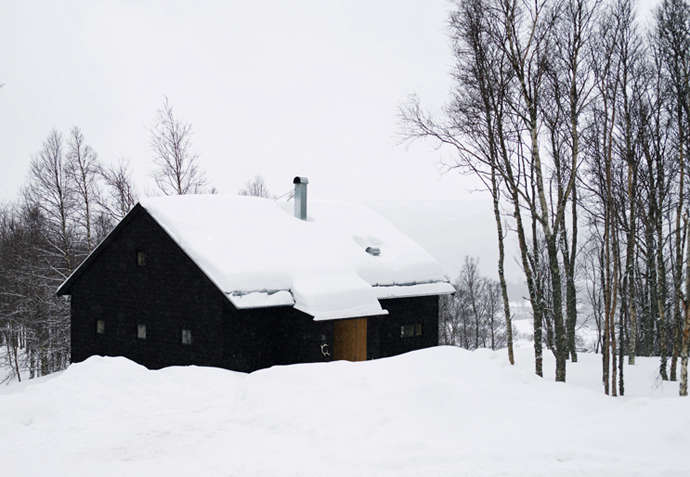
The first thing many people notice about Fjällhus is its dark exterior. The cabin’s ebony-stained clapboard cladding gives it a strong silhouette against snow, trees, and low winter light. It looks grounded, almost like a charcoal sketch placed in a white landscape. This contrast is not just stylish; it is deeply Scandinavian in spirit, where restrained color and strong form often carry more weight than decorative flourish.
The reduced, barn-like shape references traditional rural structures in Härjedalen. Instead of copying old buildings detail by detail, PS Arkitektur extracts their logic: simple volume, pitched roof, durable cladding, and an honest relationship to the landscape. The house does not pretend to be a historic farmhouse. It simply says, “I understand where I am.”
This is one of the strongest lessons from the project. Regional design does not have to mean nostalgia. A modern Swedish cabin can respect local building traditions without dressing up in costume. Fjällhus feels local because its proportions, materials, and weather-readiness make sense for its site. It is not trying to import a beach house fantasy into a snowy forest, which is good, because flip-flops and Swedish winter are not natural friends.
Why the Dark Facade Works
The dark exterior does three important things. First, it visually anchors the house in a vast white winter setting. Second, it emphasizes the clean geometry of the structure. Third, it creates a dramatic transition to the lighter interior. You enter from a stern, weather-ready shell into a warm, wood-lined refuge. That contrast gives the house emotional rhythm.
The Interior: Plywood Warmth Meets Nordic White
Inside, Fjällhus shifts from dark and rugged to pale, practical, and inviting. The interior combines white surfaces with unfinished plywood walls and ceilings, creating a balance between crisp modernity and natural warmth. Plywood is doing heroic work here. It is humble, economical, textural, and wonderfully unfussy. It says, “I am beautiful, but I also know how to hold a screw.”
The use of wood is especially important in a compact cabin. In small spaces, materials are not background characters; they are the cast. Plywood wraps the rooms in a continuous visual language, making the home feel cohesive rather than chopped into separate design moments. The white elements reflect light, while the wood tones soften the atmosphere.
The gray industrial kitchen cabinets add another layer. They prevent the interior from becoming too precious or cottage-cute. Instead of gingham curtains and decorative bears, the kitchen feels clean, durable, and ready for actual use. This matters because the best cabins are not just photographed; they are cooked in, snow-booted through, laughed in, and occasionally filled with the smell of something slightly over-toasted.
Panoramic Windows as the Main Decoration
One side of the lodge is defined by large panoramic windows. These openings face the mountain landscape, changing the mood of the house through the seasons. In winter, the view becomes a study in white, gray, and blue. In summer, the same windows frame greens, textures, and long northern light.
The windows are not decorative afterthoughts. They are central to the experience of the house. They expand the compact interior, connect daily routines to the landscape, and reduce the need for visual clutter. When the mountain is your artwork, you do not need twelve framed prints of inspirational quotes. Nature has already handled the branding.
Compact Living Without the “Tiny House” Gimmick
At approximately 85 square meters, Fjällhus is compact but not cramped. The plan includes a kitchen, bathroom, sauna, two bedrooms, and a loft with a third sleeping area. This makes the lodge suitable for family use, guest stays, and longer retreats. It is small enough to be efficient and maintainable, but large enough to support real living.
That balance is one reason the design continues to attract attention. Many vacation homes become oversized monuments to occasional use. Fjällhus takes the opposite approach. It asks what a mountain retreat truly needs: warmth, durability, sleeping space, bathing comfort, a place to cook, a place to gather, and a view worth pausing for.
The Sauna: A Scandinavian Essential
The inclusion of a sauna is not merely a luxury detail. In Nordic cabin culture, a sauna supports the rhythm of cold-climate living. After a day outdoors, especially in snow, it turns the house into a restorative environment. It also reinforces the project’s central theme: modern simplicity does not mean sacrificing comfort.
In design terms, the sauna helps the lodge feel complete. It is a small but powerful feature that supports wellness, ritual, and seasonal enjoyment. In lifestyle terms, it is also the room most likely to make guests say, “Actually, maybe I will stay one more night.”
Prefabrication Done With Character
Prefabricated architecture sometimes gets unfairly associated with bland boxes and temporary structures. Fjällhus shows a better path. Its prefabricated wooden units support efficiency, quality control, and rational construction, while the final result still feels site-aware and architecturally thoughtful.
The construction system uses a timber framework with prefabricated wall and roof elements. This approach is especially logical in remote or weather-challenged environments, where shortening on-site construction time can reduce complexity. For a mountain lodge in Sweden, prefabrication is not a shortcut; it is a smart response to climate, logistics, and cost.
The design was also developed in more than one size, including 85-square-meter and 100-square-meter versions. That flexibility reveals another strength of the concept. Fjällhus is not a one-off sculpture that only works under perfect conditions. It is a repeatable architectural idea with enough discipline to adapt without losing identity.
Why Timber Makes Sense
Wood is central to both the structure and atmosphere of the project. It is renewable when responsibly sourced, easy to prefabricate, and emotionally compatible with cabin living. Timber also supports the visual warmth that makes the interior feel welcoming during long winters.
In Fjällhus, wood is not hidden behind layers of decoration. It is expressed honestly in the walls, ceilings, and construction logic. This creates a sense of material clarity that is common in strong Scandinavian design. The house does not need to explain itself with ornament. The materials do the talking, politely, of course.
Energy Efficiency and Sustainable Thinking
PS Arkitektur emphasized ecological and rational concerns in the choice of materials and construction methods. The lodge was described as energy efficient and built with sustainable, natural materials. In a cold climate, energy performance is not just an environmental talking point; it is central to comfort and everyday function.
A mountain cabin must handle temperature swings, snow loads, moisture, wind, and periods of intense use followed by vacancy. This makes the building envelope especially important. Good insulation, careful detailing, and efficient construction methods help reduce energy demand while keeping the interior comfortable.
Fjällhus also demonstrates a broader sustainable idea: build only what you need, build it well, and make it last. Sustainability is not always about adding visible green gadgets. Sometimes it is about restraint. A compact floor plan, durable materials, local architectural logic, and efficient prefabrication can be more meaningful than a giant “eco” house with three hot tubs and a guilt-neutralizing solar panel.
Scandinavian Design Lessons From Fjällhus
Fjällhus is a strong example of Scandinavian mountain house design because it avoids the two most common cabin mistakes: overdecorating and overbuilding. Instead, it focuses on proportion, light, material honesty, and a close relationship with nature.
Lesson 1: Let the Landscape Lead
The panoramic windows are carefully placed to make the landscape part of daily life. This does not mean every wall needs to be glass. In cold regions, too much glazing can create performance challenges. The key is strategic openness: frame the best views, protect privacy, and maintain thermal comfort.
Lesson 2: Use a Simple Shape Well
The barn-like form gives the house clarity. Simple forms are easier to construct, easier to insulate, and often more timeless. Fjällhus proves that architectural drama does not require complicated geometry. Sometimes a strong roofline and the right cladding are enough.
Lesson 3: Choose Materials With Purpose
Every major material in the house has a role. Dark exterior cladding protects and defines. Plywood warms and unifies. White surfaces reflect light. Industrial cabinets add practicality. The palette is limited, but the effect is rich because each choice supports the overall experience.
Lesson 4: Comfort Can Be Compact
The lodge includes essential amenities without inflating the footprint. This is a useful lesson for anyone planning a vacation home, guest cabin, or small residence. More square footage does not automatically create better living. Good planning does.
Why Fjällhus Still Feels Relevant
Although Fjällhus was completed in 2005, it feels remarkably current. Today, homeowners and designers are increasingly interested in compact retreats, prefab construction, natural materials, low-impact living, and homes that support a stronger connection to nature. Fjällhus was already exploring these ideas before they became standard vocabulary in design conversations.
The project also fits into the growing appeal of cabins that are modern without being sterile. Many people want a retreat that feels calm, useful, and beautiful, but they do not want a space so delicate that sitting down feels like a crime. Fjällhus offers a model for relaxed refinement. It is elegant, but it can handle boots.
Its influence is easy to understand. The house photographs beautifully, but its deeper value lies in how logically it works. It is a family retreat, a prefab prototype, a regional interpretation, and a study in restraint all at once. That is a lot for one modest lodge to carry, but Fjällhus does it without looking as if it is trying too hard.
Design Experience: What It Feels Like to Visit a House Like Fjällhus
Visiting a mountain cabin like PS Arkitektur’s Fjällhus is less like touring a traditional luxury home and more like learning how silence can be designed. The experience begins before the door opens. From the outside, the dark facade stands against the snow with a calm confidence. There is no unnecessary flourish, no oversized gesture announcing that architecture has arrived wearing designer boots. The house simply belongs.
Approaching the cabin, you notice how important proportion is. The volume is compact, but it does not feel small in the landscape. The pitched roof and barn-like silhouette make the lodge familiar, while the dark cladding gives it a contemporary edge. It feels like a building that has studied the local traditions, passed the exam, and then decided to wear a black turtleneck.
Inside, the mood changes immediately. The plywood surfaces create warmth, while the white interior keeps everything bright. In a snowy climate, this matters. Winter light can be soft and limited, so reflective surfaces help the cabin feel awake during the day. The wood prevents that brightness from becoming clinical. The result is a kind of practical cozinessless “decorated cabin,” more “well-made refuge.”
The main living area is where the design makes its strongest emotional move. The panoramic windows pull the landscape indoors, but not in a flashy way. You do not feel as if you are inside a glass showroom. You feel protected, seated at the edge of nature rather than exposed to it. That distinction is important. The best mountain houses do not erase the boundary between indoors and outdoors; they make that boundary meaningful.
The kitchen experience is equally grounded. Industrial gray cabinets might sound severe on paper, but in the context of plywood, snow, and simple architecture, they feel honest and useful. You can imagine cooking soup after skiing, making coffee before sunrise, or preparing a casual dinner while someone else pretends to help by standing near the counter and asking where the spoons are.
The sleeping areas reinforce the idea that compact design can still be generous. Two bedrooms and a loft provide flexibility without turning the house into a maze. The loft, in particular, adds a sense of childhood adventure. It is the kind of space that makes guests quietly compete for who gets to sleep there, even if everyone claims to be “totally fine anywhere.”
The sauna adds the final layer of experience. In a cold landscape, heat becomes architectural. It changes how you understand the house. The lodge is not just shelter; it is recovery, ritual, and comfort. After time outside, the sauna makes the cabin feel deeply generous despite its modest size.
What stays with you after visiting a house like Fjällhus is not a single flashy detail. It is the coherence. Everything feels connected: the exterior to the region, the interior to the body, the windows to the view, the materials to the climate, and the plan to real life. The house is not trying to impress you every three seconds. It trusts you to notice the good decisions slowly.
That may be the most valuable experience Fjällhus offers. It reminds us that architecture does not need to be loud to be memorable. Sometimes the best house is the one that gives you a warm place to sit, a wide view of the mountains, and absolutely no desire to check your phone. That, in modern life, is practically a miracle with a roof.
Conclusion: A Modest Mountain Lodge With Lasting Power
PS Arkitektur’s Fjällhus in Sweden remains a beautiful case study in modern cabin architecture. It respects regional barn traditions without becoming nostalgic, uses prefabricated timber construction without becoming generic, and delivers comfort without unnecessary excess. Its dark exterior, warm plywood interior, panoramic windows, efficient layout, and sustainable material logic make it a standout example of Scandinavian mountain house design.
For homeowners, architects, and design lovers, the lesson is clear: a retreat does not need to be huge to feel luxurious. It needs intelligence, restraint, warmth, and a strong relationship with place. Fjällhus succeeds because it understands the mountain landscape rather than competing with it. It is compact, calm, practical, and quietly unforgettable.