

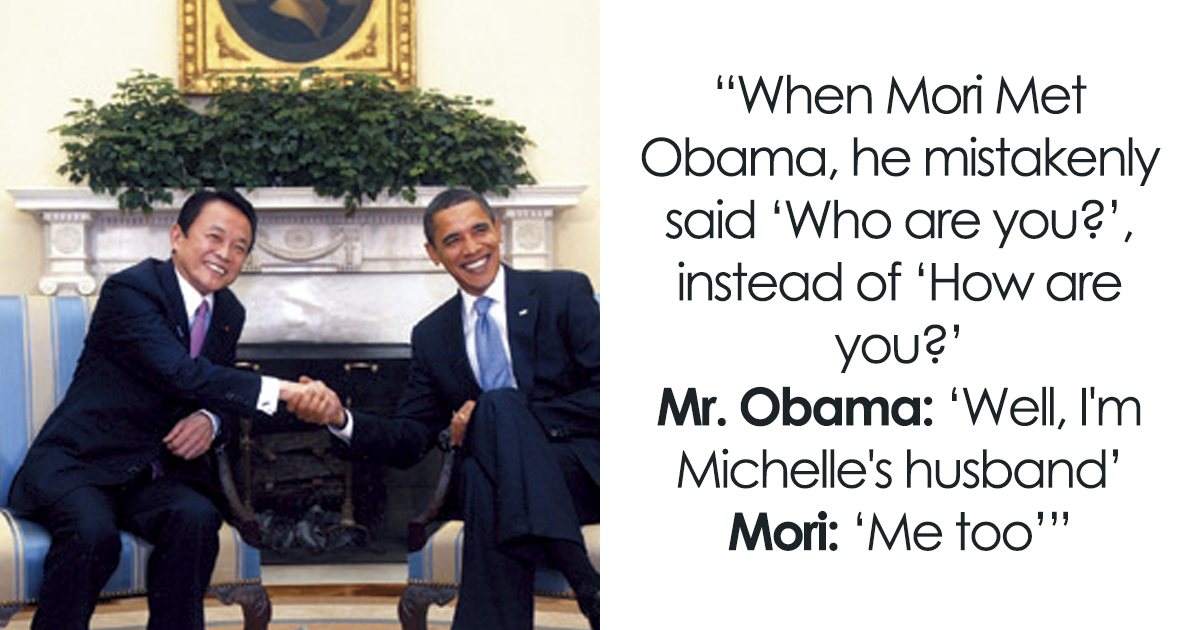
English is a strange little circus of a language. It borrows words like a neighbor who never returns garden tools, stacks silent letters into innocent-looking words, and then has the nerve to make “read” rhyme with “red” only sometimes. So when people around the world try to use English on signs, menus, labels, shirts, packaging, public notices, and online ads, the results can be unexpectedly hilarious.
That is exactly why galleries of hilariously incorrect English texts keep going viral. They are not just about typos. They are tiny accidental comedy sketches printed on plastic bags, pasted on bathroom doors, engraved into hotel instructions, or proudly displayed above restaurant counters. One missing letter can turn a normal warning into nonsense. One overly literal translation can make a menu item sound like it escaped from a science experiment. One misplaced apostrophe can make a sign look as if it was assembled during an earthquake.
The charm of these funny English fails is simple: they remind us that language is alive, messy, human, and occasionally wearing its shoes on the wrong feet. Whether the mistake comes from machine translation, rushed proofreading, awkward localization, or someone trusting spell check a little too much, the internet is always ready to screenshot it, laugh kindly, and share it with the group chat.
Why Incorrect English Texts Are So Funny
Humor often comes from surprise, and incorrect English is basically surprise wearing a name tag. A sign that intends to say “Wet Floor” but somehow becomes “Floor Is Crying” instantly creates a mental picture nobody asked for but everyone enjoys. A restaurant menu that translates a chicken dish into something like “Exploding Fragrant Bird Parts” may still be delicious, but now the meal has a backstory.
Funny English mistakes work because they interrupt expectation. We expect public text to be serious, useful, and polished. Signs tell us where to go. Labels tell us what to buy. Instructions tell us what not to put in the microwave. When those texts suddenly sound dramatic, poetic, confusing, or mildly threatening, the contrast is comedy gold.
There is also a universal comfort in seeing mistakes. Everyone has typed “ducking” when they meant something else. Everyone has sent a message too quickly and watched autocorrect commit a tiny crime. These shared experiences make incorrect English relatable. We laugh not because we are cruel, but because language has tricked all of us at some point.
The Difference Between Laughing With and Laughing At
It is important to separate harmless language humor from mocking people who are learning English. English is difficult even for native speakers. Homophones like “there,” “their,” and “they’re” regularly defeat people who have been using English their whole lives. Phrasal verbs such as “give up,” “give in,” “give out,” and “give away” look like a family reunion where everyone brought the same last name but different personalities.
So the best way to enjoy funny English texts is with a little humility. The joke is usually not “someone is bad at English.” The better joke is “a public sign made it through printing, manufacturing, shipping, installation, and possibly a meeting, and nobody stopped it.” That is far funnier. A typo on a private note is normal. A typo on 10,000 product labels is an international event.
This is why online communities built around funny English fails tend to focus on the object: the menu, the shirt, the warning label, the hotel brochure, the supermarket sticker. The humor comes from the final public result, not from attacking the person behind it.
Common Types of Hilariously Incorrect English Texts
1. The Overly Literal Translation
Literal translation is one of the biggest sources of accidental comedy. A phrase that sounds normal in one language may become bizarre when translated word for word. Idioms are especially dangerous. If a translation tool handles an expression literally, “break a leg” may sound like a medical emergency instead of a way to wish someone good luck.
Menus are legendary for this. Food names often carry cultural meaning, regional slang, or poetic description. Translate them too literally, and dinner becomes a puzzle. A dish may accidentally sound violent, haunted, or suspiciously biological. The customer came for noodles and left with questions.
2. The Spell-Check Betrayal
Spell check is useful, but it is not a mind reader. It can catch “definately,” but it may not catch the difference between “form” and “from,” “public” and a very unfortunate misspelling, or “dessert” and “desert.” If the wrong word is still a real word, many tools let it walk right through security.
That is how signs end up saying things that are technically spelled correctly but completely wrong. A hotel might ask guests to “please leave your values at the desk” instead of “valuables.” A store may advertise “fresh backed bread,” which sounds supportive, but not edible. Spell check looks at that and says, “All words detected. My work here is done.”
3. The Apostrophe Disaster
Apostrophes may be tiny, but they have caused more public embarrassment than many larger punctuation marks. “Employee’s only” suggests one employee owns the entire restricted area. “Fresh apple’s” makes the fruit look strangely possessive. “Kid’s menu” might be correct for one child, but restaurants usually hope for more than one customer.
The apostrophe problem is funny because it appears everywhere: café boards, school banners, business windows, wedding signs, and holiday promotions. It is a small mark with a large talent for chaos.
4. The Warning Sign That Sounds Like a Threat
Safety signs are supposed to be clear. But when English goes wrong, they can sound like messages from a villain. “Do not touch yourself before leaving” might intend to say “Do not touch the equipment.” “Beware of falling humans” could mean “Watch for falling rocks,” unless the building has much bigger problems.
These errors are especially memorable because safety language is serious. The more official the sign looks, the funnier the mistake becomes. A laminated notice in bold red letters has confidence. When that confidence is attached to nonsense, the internet has no choice but to preserve it forever.
5. The Decorative English Shirt
Fashion has a long history of using English as decoration. Sometimes the phrase is chosen for its visual style rather than its meaning. That is how T-shirts end up saying things like “Wonderful Potato Dream Club” or “Strong Emotion Sandwich.” The wearer may have no idea what the words mean, and honestly, that may be part of the magic.
Decorative English is interesting because it shows that language is not only used for communication. It can also be used as design, identity, mood, or aesthetic flavor. The problem arrives when the design accidentally becomes a comedy headline.
Why These Mistakes Keep Happening
Many incorrect English texts are not caused by carelessness alone. They happen because translation and localization are complicated. A good translation does not simply replace one word with another. It has to carry meaning, tone, intent, cultural context, and audience expectations. That is a lot to ask from a free translation box at 2:00 a.m.
Machine translation has improved dramatically, but it can still miss context, especially with idioms, product names, humor, slang, technical terms, and short phrases without background information. A two-word sign may seem easy, but short text often gives translation tools less context to work with. The result may be fluent-looking nonsense.
Businesses also rush. A restaurant needs a menu. A factory needs packaging. A hotel needs a rule sign. Someone translates the text quickly, someone approves it without checking, and suddenly a shampoo bottle is promising “aggressive moisture feelings.” By the time anyone notices, the product is already on a shelf and someone with a smartphone is giggling.
What Funny English Fails Teach Us About Communication
Behind every hilarious mistake is a serious lesson: clear writing matters. When words are printed in public, they carry responsibility. A funny T-shirt is harmless. A confusing medicine label, safety instruction, legal notice, or emergency sign is not. The same forces that create comedy can also create real misunderstanding.
That is why plain language principles are so valuable. Clear writing puts the audience first. It uses familiar words, short sentences, active voice, consistent terms, and logical structure. It does not try to impress the reader with fancy language. It tries to help the reader understand quickly.
Good web writing works the same way. Readers scan. They look for headings, keywords, short paragraphs, and obvious answers. If a message is confusing, people do not always stop to decode it. They move on, click away, or make the wrong choice. In public signage and product instructions, that confusion can become expensive or unsafe.
How Brands Can Avoid Becoming the Next Viral English Fail
Use Human Review
Machine translation can be a useful first step, but it should not be the final editor for public-facing text. A fluent human reviewer can catch tone, cultural meaning, awkward phrasing, and accidental double meanings. This is especially important for packaging, menus, medical information, tourism materials, legal notices, and safety instructions.
Create a Simple Style Guide
A style guide helps teams use the same words consistently. For example, if a website uses “shopping cart,” it should not randomly switch to “basket,” “bag,” and “purchase container.” Consistency reduces confusion and makes translation easier.
Proofread in Context
Text should be checked where it will actually appear. A phrase may look fine in a spreadsheet but strange on a button, label, or sign. Context reveals problems. For example, “Press here to execute” may make sense in software, but on a hotel elevator it sounds alarming.
Watch Out for Homophones
Homophones are words that sound alike but have different meanings. They are responsible for many English mistakes: “your” and “you’re,” “its” and “it’s,” “to” and “too,” “board” and “bored.” Spell check may not always catch them, so human proofreading is essential.
Keep It Short, But Not Too Short
Short text is usually easier to read, but ultra-short text can become ambiguous. A sign that says “No children cooking” could mean children are not allowed to cook, or the kitchen has taken a very dark turn. Add enough words to make the meaning clear.
Why the Internet Loves Sharing These Mistakes
Incorrect English texts are perfectly built for online sharing. They are visual, quick to understand, and easy to enjoy in a few seconds. A funny sign does not require a long setup. The punchline is already printed in bold letters.
They also invite participation. Once you see one hilarious mistake, you start noticing them everywhere. Suddenly a convenience store label, airport sign, hotel bathroom notice, or imported snack package becomes a treasure hunt. People love sharing these discoveries because they feel spontaneous and authentic. Unlike staged jokes, public language fails feel found in the wild.
There is also a gentle detective element. Viewers try to figure out what the text was supposed to mean. Was it a typo? A translation error? A missing word? A cultural mismatch? A design issue? The process of decoding the mistake adds another layer of fun.
Examples of Funny English Mistake Categories
Imagine a park sign that says “Please do not feed children to birds.” The intended message was probably “Please do not let children feed the birds.” The grammar changed the entire scene. Suddenly the park has gone from family-friendly to documentary-level alarming.
Or picture a restroom sign that says “Please flush after yourself.” It is understandable, but it also sounds like the toilet is offering life advice. A better version would be “Please flush after use.”
A menu might list “angry beef with suspicious sauce.” The restaurant likely wanted “spicy beef with special sauce,” but now the dish sounds like it has both a temper and a secret. Would people order it? Absolutely. Curiosity is a powerful appetizer.
A product label might say “Do not use while sleeping baby.” The intended meaning may be “Do not use while the baby is sleeping,” but the phrase sounds as if the customer becomes a sleeping baby during use. Again, English has created a tiny cartoon.
The Serious Side of a Silly Topic
While these mistakes are funny, they also show how much trust we place in words. A sign, label, or instruction is a promise that someone has thought about the reader. When that promise breaks, the result can be comedy, confusion, or both.
For businesses, language quality affects credibility. A restaurant with a funny menu may become charming, but a financial service, medical clinic, or safety equipment brand cannot rely on charm alone. Customers may wonder: if the company missed this obvious wording problem, what else did it miss?
For writers, marketers, designers, and translators, the lesson is clear: never treat words as decoration when meaning matters. Even small phrases deserve attention. The shortest text can become the biggest screenshot.
Extra Experiences: What These Hilarious English Fails Feel Like in Real Life
Anyone who has traveled, shopped online, eaten at a tourist-heavy restaurant, or bought imported goods has probably met a funny English fail in person. The experience usually begins with a double take. Your eyes pass over a sign, your brain politely accepts it for half a second, and then something inside you says, “Wait. Go back.”
That second glance is where the comedy blooms. You realize the hotel sign does not say “Please keep the door closed,” but something closer to “Kindly imprison the door after entering.” You are no longer just a guest. You are a door warden. You have responsibilities.
One of the funniest things about incorrect English texts is that they often sound more creative than correct English. A plain sign might say “No Parking.” A mistranslated sign might say “Forbidden to rest your car soul here.” Is it wrong? Yes. Is it oddly beautiful? Also yes. Sometimes bad translation accidentally becomes poetry wearing clown shoes.
Restaurants are especially rich territory. Menus have to translate flavor, culture, ingredients, and cooking techniques, which is difficult even for professionals. A dish name that is elegant in one language may become deeply strange in English. You might see “grandmother spicy explosion,” “cowboy intestine happiness,” or “fried friendship with onion.” You may not know what you ordered, but you will remember it longer than a plain cheeseburger.
Shopping online creates another layer of comedy. Product listings are often generated quickly, translated automatically, or assembled from keyword-heavy templates. That is how customers end up reading descriptions like “This elegant storage box brings noble convenience to your socks” or “Our towel gives your skin a polite experience.” The product may be perfectly normal, but the English makes it sound like it graduated from a dramatic arts program.
Travelers often develop a personal collection of these moments. A confusing airport sign. A hotel laundry card with heroic grammar. A souvenir shirt with a sentence that begins confidently and then falls down the stairs. These discoveries become stories. People take photos not just to laugh, but to remember the delightful weirdness of being somewhere new.
There is also a lesson for anyone learning a language: mistakes are not the enemy. They are part of the process. Every fluent speaker has produced strange sentences while learning. The difference is that most of our mistakes disappear after conversation. Public English fails survive because they are printed, posted, manufactured, and photographed. They become little monuments to the difficulty of communication.
That is why the kindest way to enjoy these mistakes is with admiration mixed into the laughter. Someone tried to communicate across languages. That effort matters. The result may be ridiculous, but it also proves that English belongs to the whole world now, not just to native speakers. People bend it, stretch it, decorate with it, remix it, and occasionally drop it into a blender.
In the end, hilariously incorrect English texts are more than internet jokes. They are reminders that communication is hard, translation is an art, proofreading is not optional, and language will always find new ways to embarrass us in public. And honestly, thank goodness. The world would be a much duller place without a sign somewhere warning us to “carefully slip and fall down.”
Conclusion
Funny English mistakes succeed online because they combine surprise, language learning, cultural exchange, and pure accidental absurdity. They make us laugh, but they also reveal how much effort clear communication requires. A good translation needs context. A useful sign needs precision. A polished label needs proofreading. And a public sentence, no matter how small, needs someone to ask, “Could this accidentally sound like a haunted sandwich?”
The next time you spot a hilariously incorrect English text, enjoy the laugh, take the picture, and remember the bigger lesson: language is one of humanity’s best tools, but it is also one of our funniest. Sometimes it builds bridges. Sometimes it sells “fresh angry chicken.” Either way, it keeps life interesting.