

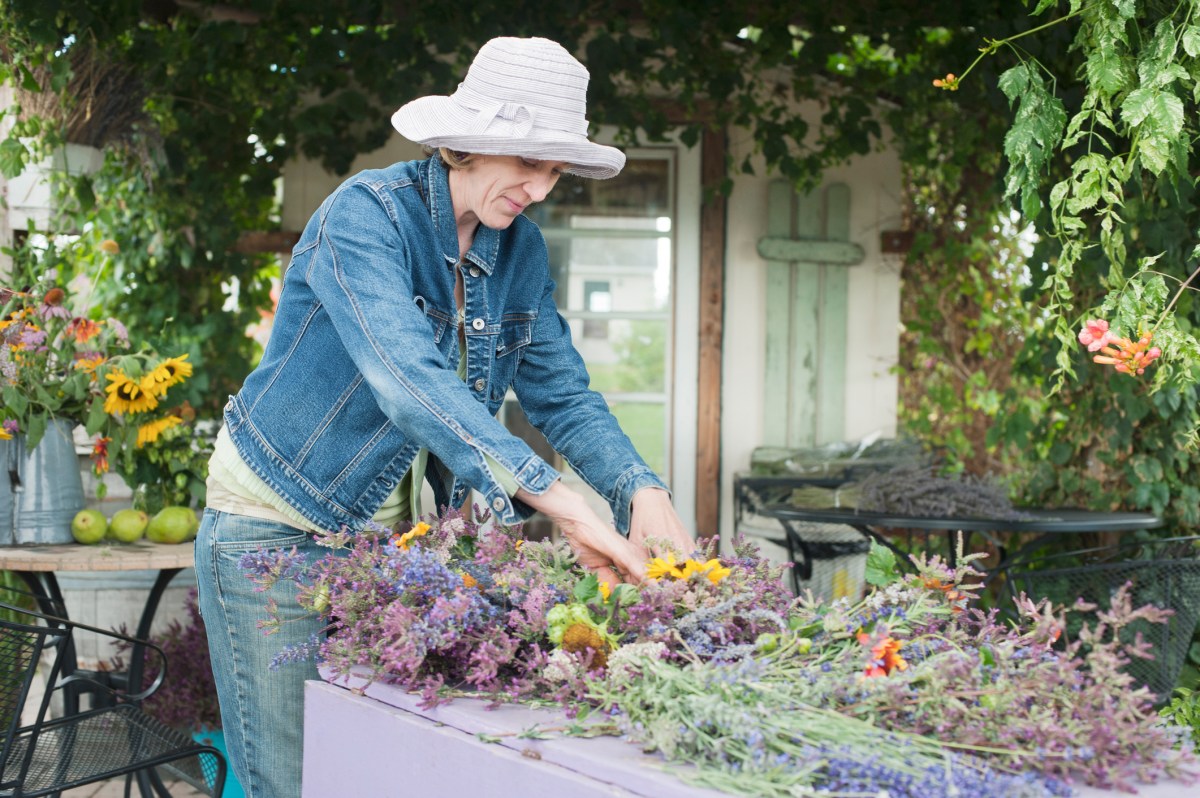
A cut flower garden already feels like a tiny backstage pass to nature’s best show: zinnias doing jazz hands, cosmos floating around like they know a secret, and sunflowers standing in the corner like cheerful security guards. But if your bouquets look beautiful and somehow still feel a little flat, the missing ingredient may not be another flower at all. It may be herbs.
Yes, herbs. The same plants you toss into pasta, tea, roasted potatoes, and “I’m definitely cooking tonight” fantasies can also make your bouquets more fragrant, textured, long-lasting, and memorable. Herbs bring what many flowers cannot: aromatic foliage, sculptural stems, edible blossoms, pollinator power, and a certain “I grew this with intention” charm. They are the garden equivalent of adding a scarf to an outfit and suddenly looking like you own a cottage in Provence.
Even better, many herbs are low-maintenance, space-friendly, and comfortable growing alongside annuals and perennials in a cut flower garden. They can serve as bouquet filler, greenery, line material, fragrance boosters, pollinator magnets, and kitchen harvests. That is a lot of work for plants that generally ask for sunshine, decent drainage, and the occasional haircut.
Below are seven herbs to grow in your cut flower garden if you want arrangements that look lush, smell wonderful, and secretly make dinner easier.
Why Grow Herbs in a Cut Flower Garden?
Herbs earn their place in a flower garden because they solve several bouquet problems at once. First, they add foliage. Many beginner bouquets are mostly blooms, which sounds dreamy until the stems flop around like they are at a middle school dance. Herbs such as mint, basil, sage, and oregano create structure and fullness.
Second, herbs add fragrance without needing a scented candle pretending to be “summer meadow.” Lavender, rosemary, basil, and mint each bring a distinct aroma. A bouquet with herbs invites people to lean in, sniff, and say, “Wait, is that basil?” That is bouquet theater, and it costs almost nothing.
Third, herbs support beneficial insects. Many flowering herbs attract bees, butterflies, and other pollinators, especially when you let a few stems bloom. In a cut flower garden, pollinators help keep the ecosystem lively and productive. Think of them as the garden’s tiny unpaid interns, except they are actually essential.
Finally, herbs are practical. You can cut stems for arrangements, pinch leaves for recipes, dry extras for winter, and use flowers or seed heads for texture. With the right choices, your garden becomes beautiful, useful, and pleasantly smug.
1. Basil: The Fragrant Filler That Works Overtime
Basil is one of the best herbs for cut flower gardens because it grows quickly, branches well after pinching, and offers fragrant foliage that fills bouquets beautifully. While sweet basil is famous in the kitchen, ornamental and specialty basils can be even better for arrangements. Purple basil adds dramatic dark foliage, cinnamon basil offers a spicy fragrance, lemon basil gives a bright citrus note, and cardinal basil produces showy flower spikes that look surprisingly fancy in a vase.
How to Grow Basil for Bouquets
Basil is a tender annual that loves warmth. Plant it after the danger of frost has passed and the soil has warmed. Give it full sun, regular moisture, and well-drained soil. Basil does not enjoy cold feet, wet feet, or really any kind of dramatic foot-related discomfort.
To grow bushy stems for cutting, pinch the top sets of leaves when plants are about 6 to 8 inches tall. This encourages side shoots and produces more stems for both bouquets and kitchen use. Keep harvesting regularly. Basil is basically the friend who becomes more generous the more you invite them over.
Best Ways to Use Basil in Arrangements
Use basil as a scented filler around larger flowers such as dahlias, zinnias, sunflowers, celosia, and snapdragons. Dark-leaved basil pairs especially well with hot pink, orange, burgundy, and peach blooms. For a softer bouquet, lemon basil can brighten white cosmos, pale yellow marigolds, and cream-colored roses.
Harvest basil stems in the morning after dew has dried but before the day gets hot. Strip leaves that would sit below the waterline, place stems into clean water immediately, and allow them to hydrate before arranging.
2. Dill: The Airy Umbrella Every Bouquet Wants
Dill may be best known for pickles, but in the cut flower garden it is pure magic. Its feathery foliage adds softness, while its flat yellow flower umbels bring a delicate, meadow-like shape. Dill can make a bouquet look effortless, as if you casually gathered it while wearing linen and knowing exactly where your garden scissors are.
How to Grow Dill for Cut Flowers
Dill prefers full sun and well-drained soil. It does not love transplanting, so direct sow seeds where you want the plants to grow. For a steady supply, sow small batches every two to three weeks through midsummer. Varieties such as ‘Bouquet’ and ‘Fernleaf’ are especially useful for gardens, with ‘Bouquet’ being a natural fit for arrangements because, frankly, the name is not subtle.
Dill can grow tall, so plant it behind shorter herbs or among taller flowers. Because the stems are slender, it may benefit from nearby support, especially in windy areas.
Best Ways to Use Dill in Arrangements
Cut dill when the foliage is fresh and lush, or when the yellow umbels are just opening. The flowers add a loose, romantic texture to arrangements with cosmos, black-eyed Susans, bachelor buttons, and zinnias. Later, the seed heads can be used for a rustic look.
Dill has a light, fresh scent that works well in casual summer bouquets. It is not the longest-lasting greenery in every condition, so hydrate it well before arranging and keep it out of direct sun once cut.
3. Rosemary: The Evergreen Backbone
Rosemary brings structure, fragrance, and a clean evergreen look to bouquets. Its needle-like leaves contrast beautifully with soft petals, and its stems can act almost like miniature branches. In warm regions, rosemary can grow into a substantial perennial shrub. In colder climates, it is often treated as a tender perennial and brought indoors for winter or grown in pots.
How to Grow Rosemary for Bouquets
Rosemary wants full sun and excellent drainage. If your soil stays soggy, rosemary will not politely adapt; it will sulk, decline, and make you question your gardening confidence. Raised beds, gravelly soil, and containers can help. Avoid overwatering and do not overfeed. Too much fertilizer can produce soft growth that is less useful for cutting.
In colder areas, grow rosemary in a container so it can be moved indoors before freezing weather. Choose a pot with drainage holes and use a well-draining mix.
Best Ways to Use Rosemary in Arrangements
Rosemary is excellent as a structural green in small bouquets, boutonnieres, holiday arrangements, and herb-forward designs. It pairs well with roses, ranunculus, lavender, strawflowers, and dried elements. Its scent is strong enough to be noticed but usually not overwhelming.
Cut rosemary stems with sharp pruners and avoid removing too much from one plant at once. A little goes a long way, both in a vase and in roasted potatoes, which is a sentence that improves most days.
4. Lavender: The Classic Scented Star
Lavender is the herb most people already imagine in a bouquet, and for good reason. Its slender flower spikes, silvery foliage, and unmistakable fragrance make it one of the most beloved herbs for cut flower gardens. Lavender can be used fresh, dried, bundled, tucked into arrangements, or harvested for sachets and crafts.
How to Grow Lavender for Cut Flowers
Lavender prefers full sun, lean to moderately fertile soil, and excellent drainage. It dislikes heavy wet soil, especially in winter. English lavender varieties such as ‘Munstead’ and ‘Hidcote’ are popular choices in many regions because they stay compact and produce attractive flower spikes.
Do not crowd lavender. Good air circulation helps prevent disease and keeps plants vigorous. Prune lightly after flowering to maintain shape, but avoid cutting into old woody growth that may not regrow well.
Best Ways to Use Lavender in Arrangements
Harvest lavender when the lower buds on the flower spikes have opened but before every bud is fully mature. For drying, cut stems on a dry morning and hang small bundles upside down in a dark, well-ventilated space.
Fresh lavender looks charming with roses, yarrow, feverfew, bachelor buttons, and white cosmos. Dried lavender works beautifully in wreaths, everlasting bouquets, and gift bundles. It is also one of the few bouquet ingredients that can make a linen closet feel like it has a trust fund.
5. Mint: The Fresh Green Filler With Boundaries
Mint is lush, fragrant, and extremely useful in bouquets. It provides bright green foliage, strong stems, and a cooling scent that feels refreshing in summer arrangements. Apple mint, spearmint, chocolate mint, and pineapple mint can all bring different leaf shapes and aromas.
There is one important warning: mint spreads aggressively. Planting mint directly into a flower bed without a plan is like giving a toddler a marker and leaving the room. Something will happen, and you may not love the results.
How to Grow Mint Without Regret
The safest way to grow mint in a cut flower garden is in a container. You can place the pot near the garden, sink a container partly into the soil, or grow mint in a separate raised bed where spreading is less of a problem. Mint tolerates more moisture than Mediterranean herbs such as lavender and rosemary, and it can handle partial shade, though it still appreciates good light.
Cut mint often to keep it bushy. Regular harvesting encourages fresh growth and prevents plants from becoming leggy.
Best Ways to Use Mint in Arrangements
Mint works as a fresh filler for casual bouquets, kitchen-table arrangements, and summer jars. It pairs well with zinnias, dahlias, phlox, feverfew, and snapdragons. The stems can wilt if cut during heat, so harvest early and hydrate them thoroughly.
Strip lower leaves before placing stems in water. Change the water every couple of days, because herb-heavy bouquets can get cloudy faster than you expect. Nobody wants a bouquet that smells like a swamp wearing perfume.
6. Sage: The Velvet-Leaf Beauty
Sage is underrated in cut flower gardens. Its soft, gray-green leaves create a calm, elegant backdrop for bright blooms, while purple, tricolor, or variegated varieties add even more visual interest. Sage has a sturdy, slightly woody habit that makes it useful as a bouquet filler and edging plant.
How to Grow Sage for Bouquets
Sage prefers full sun and well-drained soil. Like rosemary and lavender, it does not appreciate wet conditions. Once established, it is fairly drought-tolerant and does not require heavy feeding. In many regions, sage grows as a perennial, returning year after year with proper care.
Prune sage lightly to keep it compact and productive. Remove old, woody, or weak stems to encourage fresh growth. If the plant blooms, its flower spikes can attract pollinators and add a soft cottage-garden look.
Best Ways to Use Sage in Arrangements
Sage leaves look beautiful with pink, peach, purple, cream, and burgundy flowers. Use it to soften bold arrangements or add a velvety texture to hand-tied bouquets. Purple sage can deepen a moody color palette, while variegated sage brightens mixed arrangements.
Because sage has a strong scent, use it thoughtfully. A few stems can make a bouquet feel sophisticated; too many can make it smell like Thanksgiving moved into a vase.
7. Oregano: The Pollinator-Friendly Filler
Oregano may not be the first herb people think of for cut flowers, but it deserves a spot. Its small leaves, branching stems, and tiny flowers make it a wonderful filler. When oregano blooms, bees and other pollinators often show up quickly, turning the plant into a tiny garden café with excellent reviews.
How to Grow Oregano for Cut Flower Use
Oregano prefers full sun and well-drained soil. It is generally easy to grow and can be perennial in many regions. Greek oregano is a strong culinary choice, while ornamental oregano varieties may offer especially pretty bracts and trailing stems for arrangements.
Trim oregano regularly to keep it from becoming too woody. Cutting encourages fresh growth and gives you plenty of stems for both the kitchen and vase.
Best Ways to Use Oregano in Arrangements
Use oregano as a small-scale filler in garden-style bouquets. Its tiny flowers and textured foliage work well with yarrow, cosmos, dahlias, marigolds, and celosia. Ornamental oregano can be especially lovely in soft, romantic arrangements where you want movement instead of stiff structure.
Oregano also dries well. Hang small bundles upside down in a dry, airy place, then use dried stems in wreaths or everlasting arrangements.
How to Harvest Herbs for Longer-Lasting Bouquets
The best time to cut herbs for arrangements is in the morning after dew has evaporated but before the sun gets intense. This timing helps preserve fragrance and reduces wilting. Use sharp, clean clippers and place stems directly into a bucket of clean water.
Before arranging, strip any leaves that would sit below the waterline. Leaves underwater decay quickly and shorten vase life. After the stems hydrate, re-cut the ends at a 45-degree angle before placing them in the final vase. Change the water every few days and re-snip stems to help arrangements last longer.
Herbs with woody stems, such as rosemary and lavender, often hold up well. Softer herbs, such as basil, mint, and dill, may need extra hydration time before arranging. If a stem looks dramatic and wilted, give it time in deep water before judging it. Garden plants also deserve second chances.
Design Tips for Herb-Filled Bouquets
Use Herbs as the First Layer
Start with herbs and greenery to create a loose framework in the vase. Mint, basil, sage, and rosemary can form a base that supports more delicate flowers. This makes arranging easier and helps prevent the “three flowers leaning sadly to the left” situation.
Mix Textures
Pair feathery dill with round zinnias, spiky lavender with soft roses, or velvety sage with ruffled dahlias. Contrast keeps bouquets interesting. A good arrangement should give the eye several places to wander, like a garden path but without the mosquitoes.
Think About Scent
Fragrance is wonderful, but balance matters. Rosemary, sage, mint, and lavender all have strong personalities. Combine one or two aromatic herbs rather than using every scented plant at once. Otherwise, your bouquet may smell like a farmers market got into a friendly argument.
Let Some Herbs Flower
If you only harvest leaves, you miss part of the show. Dill umbels, basil flower spikes, oregano blooms, lavender stems, and sage flowers all add beauty and support pollinators. Let a few plants bloom while keeping others trimmed for foliage.
Common Mistakes to Avoid
One common mistake is planting all herbs in the same conditions. Lavender, rosemary, sage, and oregano prefer drier, well-drained soil. Mint and basil appreciate more moisture. Dill likes direct sowing and room to grow. Group herbs by water needs whenever possible.
Another mistake is letting mint roam freely. Unless you want a mint-themed empire, grow it in a container. Mint is useful, beautiful, and not remotely shy.
Gardeners also sometimes harvest during the hottest part of the day. This can cause quick wilting, especially with soft herbs. Morning cutting is usually best. Finally, avoid placing leaves below the waterline in arrangements. Clean stems and clean water are simple steps that make bouquets last longer.
My Garden Experience: What Growing Herbs in a Cut Flower Garden Teaches You
Growing herbs in a cut flower garden changes how you see both herbs and flowers. At first, you may plant basil because you want pesto and lavender because everyone on the internet seems to own a straw hat and a lavender basket. But after one season, you start noticing how useful herbs are in arrangements. They become the quiet team players that make every bouquet look more complete.
One of the biggest lessons is that foliage matters more than beginners think. A vase packed only with flowers can look cheerful, but it may lack depth. Add a few stems of purple basil, mint, or sage, and suddenly the whole arrangement has layers. The flowers look more intentional. The colors feel richer. The bouquet stops looking like “I cut whatever was blooming” and starts looking like “I meant to do this.” Gardening confidence: unlocked.
Another experience worth mentioning is the joy of scent. A bouquet with only unscented blooms can be beautiful, but a bouquet with rosemary, lavender, or mint becomes interactive. People pick it up, turn it around, rub a leaf, and smile. Fragrance makes bouquets personal. It also creates memory. You may forget exactly which zinnia variety you grew, but you will remember the first time a summer bouquet smelled like basil, lavender, and warm sunshine.
Herbs also teach better harvesting habits. Flowers often demand precise cutting stages, but herbs are forgiving practice partners. You learn to cut in the morning, place stems in water right away, remove lower leaves, and condition stems before arranging. These habits improve every bouquet, not just herb-heavy ones. In other words, basil can quietly train you to become a better flower grower. Sneaky, but appreciated.
There is also a practical rhythm to herb gardening. When basil gets too tall, you pinch it. When mint gets pushy, you cut it hard. When oregano blooms, you decide whether to harvest for a vase or leave it for the bees. This constant small decision-making helps you pay attention to the garden. Instead of waiting for big flower harvests, you interact with the space every few days. The garden becomes less like a project and more like a relationship, minus the awkward texting.
Not everything goes perfectly, of course. Basil may wilt if you cut it in the heat. Dill may lean after a storm. Mint may attempt a hostile takeover if you ignore the container rule. Lavender may fail in heavy soil. Rosemary may refuse winter outdoors in colder climates. But these are not failures so much as plant feedback. Herbs are very honest. They do not send mixed signals; they simply thrive or dramatically decline.
The best experience is discovering that herbs make a cut flower garden feel abundant even when flowers are between flushes. Maybe the dahlias are not ready yet. Maybe the cosmos need deadheading. Maybe the zinnias are taking a brief emotional vacation. Herbs fill the gap. A handful of mint, basil, oregano, and lavender can still become a small bouquet for the kitchen windowsill. It may not win a floral design competition, but it will make washing dishes feel slightly less unfair.
In the end, herbs bring generosity to the cut flower garden. They feed pollinators, season meals, perfume bouquets, dry beautifully, and make arrangements look fuller. They are useful without being boring and beautiful without being fussy. That combination is rare in gardening, and honestly, in people too.
Conclusion
Adding herbs to your cut flower garden is one of the easiest ways to make your bouquets more fragrant, textured, and useful. Basil brings lush scented foliage, dill adds airy movement, rosemary gives structure, lavender offers classic fragrance, mint provides fresh greenery, sage contributes velvety elegance, and oregano supports pollinators while doubling as delicate filler.
The secret is to grow each herb according to its personality. Give Mediterranean herbs sharp drainage and sunshine. Keep mint contained. Direct sow dill. Pinch basil often. Harvest early, hydrate well, and keep vase water clean. Do that, and your garden will reward you with bouquets that look beautiful, smell alive, and occasionally help season dinner.
A cut flower garden filled with herbs is not just prettier. It is smarter, more sensory, and more satisfying. And if your bouquet can decorate the table and inspire pasta sauce, that is not just gardening. That is efficiency with petals.