

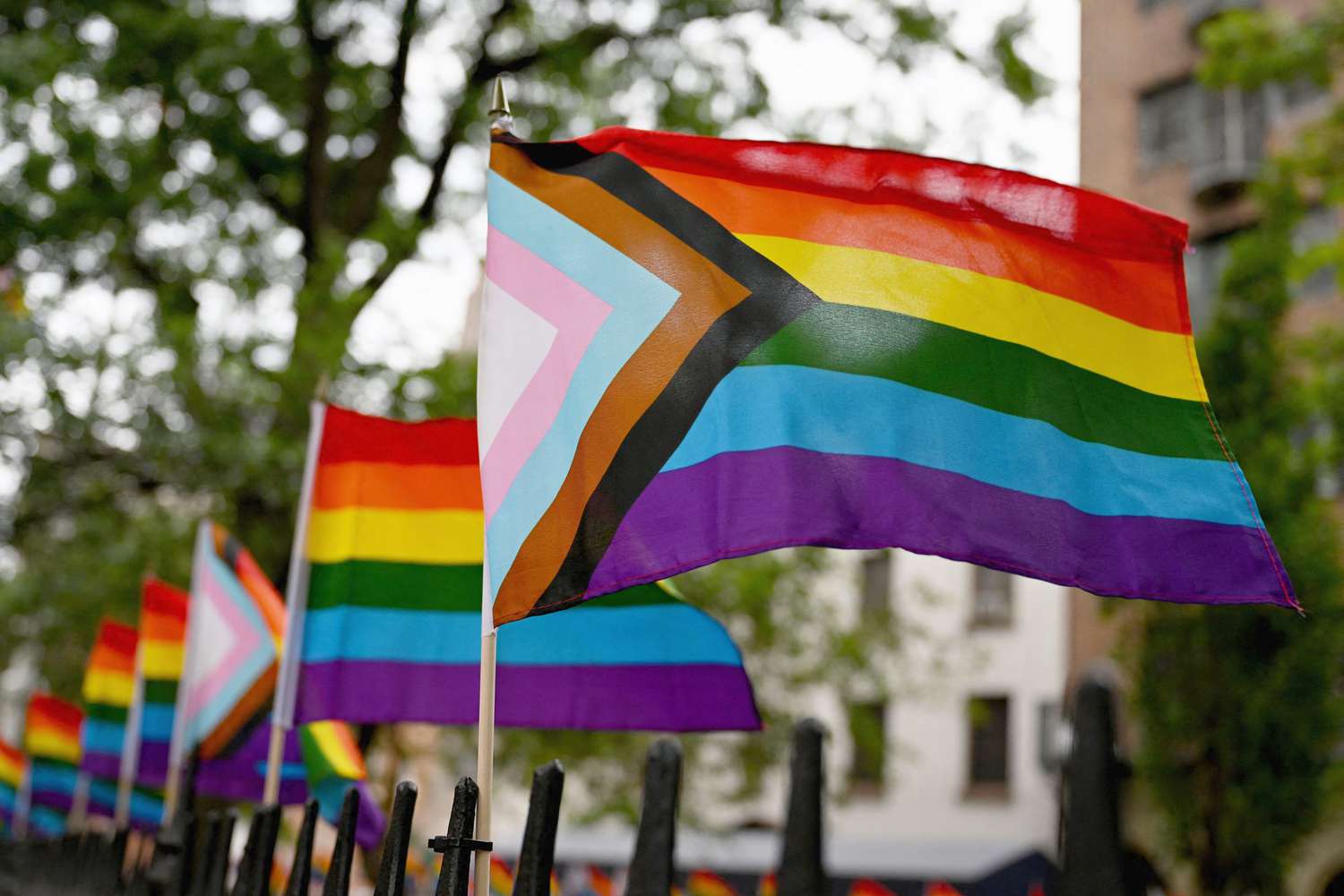
Pride Month is not just a rainbow-colored calendar event where brands suddenly discover glitter and your coffee shop adds a “Love Wins” sticker to the window. At its best, Pride is a celebration of courage, community, history, identity, chosen family, and the ongoing work of making the world safer for LGBTQIA+ people. It is joyful, yes. It is loud, often. It may involve excellent outfits, dramatic sunglasses, and at least one person who owns a portable fan like it is a sacred artifact. But underneath the parade music is a serious invitation: support the LGBTQIA+ community in ways that last longer than June.
The term LGBTQIA+ includes lesbian, gay, bisexual, transgender, queer or questioning, intersex, asexual, and other diverse sexual orientations, gender identities, and gender expressions. The “plus” matters because language grows as people find better ways to describe themselves. Supporting the community means respecting that complexity without treating it like a pop quiz you are doomed to fail. Allyship is not about being perfect; it is about being honest, teachable, consistent, and willing to act when kindness needs a backbone.
Whether you are an ally, a family member, a teacher, a coworker, a business owner, a neighbor, or someone inside the LGBTQIA+ community looking for ways to strengthen support, the most meaningful actions are usually practical. They show up in conversations, policies, spending choices, voting habits, classrooms, workplaces, libraries, and everyday relationships. Below are seven meaningful ways to support the LGBTQIA+ community during Pride Month and all year long.
1. Learn the History Behind Pride Before You Celebrate It
Pride Month is celebrated in June largely to honor the 1969 Stonewall Uprising in New York City, a major turning point in the modern LGBTQIA+ rights movement in the United States. Understanding that history helps keep Pride from becoming just a themed party with rainbow cupcakes. The celebration grew out of resistance, community organizing, and a demand for dignity when LGBTQIA+ people were often pushed into silence, danger, and discrimination.
Learning LGBTQIA+ history does not mean memorizing every date like you are preparing for the world’s most fabulous history exam. Start with the basics: Stonewall, the early Pride marches, the AIDS crisis and community care networks, marriage equality, trans rights activism, queer artists, LGBTQIA+ literature, and the work of local organizers in your own city or state. History gives context to today’s challenges and reminds us that progress did not magically appear because someone posted a rainbow graphic on Instagram.
How to put this into action
Read books by LGBTQIA+ authors, watch documentaries, visit LGBTQIA+ archives or museum exhibits, and support libraries that protect access to LGBTQIA+ materials. June is also recognized by many libraries as Rainbow Book Month, which highlights writing that reflects LGBTQIA+ lives and experiences. If you have kids or students in your life, choose age-appropriate books that show different kinds of families and identities with warmth and normalcy. Representation is not a luxury item; it is a mirror, a window, and sometimes a life raft.
You can also learn local history. Many cities have LGBTQIA+ community centers, archives, Pride organizations, or university collections that document regional activism. The national story is important, but so is the story of the people who organized support groups in church basements, opened safe bars, challenged unfair policies, cared for neighbors, and built community when there was no app for finding your people.
2. Use Respectful Language and Keep Learning Without Making It Awkward
Words matter. Names matter. Pronouns matter. The way people are described can either create safety or add friction to someone’s day. Supporting the LGBTQIA+ community starts with respecting how people identify and how they ask to be addressed. If someone tells you their name or pronouns, use them. If you make a mistake, correct yourself briefly and move on. Do not perform a five-act apology drama in which the other person has to comfort you. A simple “Sorry, I meant she” or “Thanks for correcting me” is usually enough.
Respectful language also means avoiding assumptions. Not every person with a same-gender partner uses the same label. Not every trans person has the same experience. Not every asexual person wants the same kind of relationship. Not every queer person wants to be your personal encyclopedia. Curiosity is good; entitlement is not. Google can carry some of the weight. So can books, public guides, LGBTQIA+ organizations, and training resources created for allies.
How to put this into action
Introduce yourself with your pronouns when appropriate, especially in settings where it helps normalize the practice. Add pronouns to your email signature if it fits your workplace culture. Use gender-neutral words when you do not know someone’s identity: “partner” instead of assuming “husband” or “wife,” “everyone” instead of “ladies and gentlemen,” and “parent or guardian” instead of assuming every family looks the same.
Also, learn what common terms mean without turning every conversation into a vocabulary interrogation. Words like nonbinary, intersex, asexual, pansexual, gender expression, chosen family, and queer may come up often in LGBTQIA+ conversations. Some terms are reclaimed by the community and may not be comfortable for everyone. When in doubt, follow the lead of the person you are speaking with. The goal is not to sound like a walking glossary; it is to communicate respect.
3. Support LGBTQIA+ Youth With Safety, Belonging, and Real Adult Backup
LGBTQIA+ young people thrive when the adults around them provide acceptance, stability, and support. Schools, families, clubs, libraries, faith communities, and youth programs can make a major difference by creating environments where young people are not mocked, excluded, or pressured to hide who they are. Support is not complicated in theory, but it does require courage in practice.
For families, the starting point is simple: listen more than you lecture. If a young person shares something about their identity, treat it as a moment of trust. You do not have to understand everything immediately. You do need to respond with love, patience, and emotional steadiness. A young person should not have to manage an adult’s panic while trying to explain their own life.
How to put this into action
In schools, support can include inclusive policies, trained staff, student-led clubs such as Gender and Sexuality Alliances, anti-bullying practices, and visible safe spaces. A small sign, sticker, or inclusive poster will not solve everything, but it can tell a student, “Someone here has thought about you.” That message matters. Educators and school staff can also make sure classroom examples, reading lists, and health education do not erase LGBTQIA+ people.
At home, use the name and pronouns your child or family member asks you to use. Do not out them to relatives, teachers, neighbors, or social media followers. Coming out belongs to the person doing it, not to the family group chat. If you need support as a parent or caregiver, look for reputable family-focused LGBTQIA+ organizations, local community centers, or trained counselors who understand LGBTQIA+ issues.
4. Show Up With Your Time, Money, and Skills
Support becomes more meaningful when it moves from “I care” to “I contributed.” LGBTQIA+ organizations often need donations, volunteers, professional skills, event help, legal support, mental health resources, transportation, food, meeting space, social media help, and community connections. You do not need to be rich or have a superhero schedule. You just need to be useful.
Local LGBTQIA+ community centers are a great place to start because they often understand the needs of the community on the ground. Some provide youth programs, senior support, housing navigation, HIV services, family resources, legal referrals, peer groups, wellness programs, and community events. National organizations also do important work in advocacy, education, litigation, crisis support, and research. Both local and national support matter.
How to put this into action
Donate to LGBTQIA+ nonprofits if you can. If money is tight, volunteer. If time is tight, share resources, amplify local events, or offer a skill. Are you good at spreadsheets? Congratulations, you are now more valuable than a glitter cannon. Nonprofits need budgets, databases, grant support, flyers, copywriting, photography, tech troubleshooting, event setup, and cleanup crews. Community care is often built by people who stack chairs after the celebration ends.
Another powerful step is supporting LGBTQIA+-owned businesses, artists, freelancers, authors, and creators. Buy the book. Tip the drag performer. Hire the queer designer. Visit the LGBTQIA+-owned café. Commission art. Subscribe to newsletters. Leave thoughtful reviews. Economic support helps people build stability, visibility, and independence.
5. Make Workplaces, Schools, and Public Spaces More Inclusive
A rainbow logo in June is cute. A clear nondiscrimination policy in July is better. Inclusive environments are built through rules, benefits, leadership, training, and everyday behavior. Workplaces, schools, health clinics, gyms, restaurants, libraries, and public agencies all have a role in making LGBTQIA+ people feel respected and protected.
In the workplace, support can include inclusive hiring practices, equal benefits, gender-neutral dress codes, respectful restroom access, employee resource groups, name-change procedures, and managers trained to respond to harassment. In schools, it can include inclusive policies, protected student clubs, privacy practices, and staff training. In healthcare settings, it can include intake forms that do not force people into inaccurate boxes and staff who know how to treat LGBTQIA+ patients with dignity.
How to put this into action
If you are a manager, review policies before problems happen. If you are an employee, support LGBTQIA+ coworkers without making them the unofficial diversity department. Speak up when jokes, gossip, or exclusionary comments happen. You do not need a 20-minute speech. Sometimes “That is not okay here” does the job. Clear, calm, immediate responses set the tone.
If you run a business, think beyond seasonal marketing. Ask: Are our bathrooms accessible and clearly marked? Do our forms allow accurate names and pronouns? Do our benefits support LGBTQIA+ families? Are our employees trained? Are we donating to LGBTQIA+ organizations or only using rainbow colors to sell products? Pride-themed branding without year-round practice can feel like putting a tuxedo on a raccoon: flashy, confusing, and possibly not trustworthy.
6. Advocate for Rights, Safety, and Equal Access
LGBTQIA+ support is personal, but it is also civic. Laws and policies affect whether people can access healthcare, housing, education, employment, family recognition, identity documents, public accommodations, and safety from discrimination. Meaningful allyship includes paying attention to what is happening locally and nationally, then taking action when rights are at stake.
Advocacy does not always mean leading a march with a megaphone, though if that is your skill set, hydrate and carry on. It can mean contacting elected officials, voting in local elections, attending school board meetings, supporting inclusive library policies, signing up for action alerts from reputable organizations, and helping neighbors understand what proposed policies actually do.
How to put this into action
Start local. City councils, school boards, library boards, and state legislatures often make decisions that shape daily life. Show up when LGBTQIA+ books are challenged, when inclusive school policies are debated, when public health funding is discussed, or when community centers need support. Public meetings can be dry enough to turn your soul into toast, but decisions made there can have real consequences.
Also, support legal and advocacy organizations that defend LGBTQIA+ rights. Groups focused on civil rights, public education, policy work, and legal support help individuals and communities respond to discrimination. If someone you know faces discrimination, encourage them to document what happened and connect with qualified legal or advocacy resources. Do not try to become a legal expert overnight after reading three posts and one comment thread. Help them find real support.
7. Celebrate Joy Without Ignoring the Work
Pride is not only about struggle. It is also about joy, art, music, fashion, humor, dance, chosen family, survival, creativity, and the right to be publicly happy. Supporting the LGBTQIA+ community means making room for celebration. Go to Pride events respectfully. Cheer for performers. Buy from vendors. Tip well. Follow event guidelines. Remember that Pride spaces are not petting zoos for straight curiosity. They are community spaces with history and meaning.
Celebration becomes more respectful when it is paired with humility. If you are an ally attending Pride, do not center yourself. Do not treat LGBTQIA+ people as props for your social media. Do not shove your phone into strangers’ faces. Ask before taking photos, especially of people in expressive clothing, youth, families, or anyone who may not be publicly out. A person’s outfit is not consent to become your content.
How to put this into action
Attend Pride events with purpose. Learn who organized them. Support local sponsors that have real community commitments. Volunteer for setup or cleanup. Bring sunscreen, water, and patience. If you see someone being harassed, alert event staff or safely offer support. If you are going with friends, talk beforehand about respecting the space.
And after June, keep showing up. Pride Month can be the spark, but allyship is the power bill. Pay it every month. Keep reading LGBTQIA+ authors in September. Keep supporting inclusive school policies in November. Keep donating in February. Keep correcting misinformation in ordinary conversations. Keep inviting LGBTQIA+ friends, relatives, and coworkers into spaces where they do not have to shrink themselves to be accepted.
Common Mistakes to Avoid When Supporting the LGBTQIA+ Community
Good intentions are lovely, but they are not a force field against harm. One common mistake is making Pride all about performance. Posting a rainbow once is not the same as supporting LGBTQIA+ people when conversations get uncomfortable. Another mistake is expecting praise for basic respect. Using someone’s correct name is not a heroic act; it is manners with a pulse.
Avoid asking invasive personal questions. Someone’s body, medical history, dating life, or coming-out story is not community property. Avoid debating someone’s identity as though it is a group project. Avoid outing people. Avoid assuming every LGBTQIA+ person agrees on every issue. The community is diverse, which means opinions, experiences, priorities, cultures, and needs vary widely.
Also, be careful with “rainbow-washing,” especially in business. Customers and employees increasingly notice when a company celebrates Pride in public but fails to support LGBTQIA+ workers, customers, or causes in practice. Real inclusion is measurable. It shows up in policies, benefits, donations, leadership, safety, and accountability.
How Families Can Offer Everyday Support
Family support can be life-changing. If someone in your family is LGBTQIA+, you do not need to deliver a flawless speech. You need to be safe, steady, and loving. Start with simple sentences: “I love you,” “Thank you for telling me,” “I want to understand,” and “You do not have to figure everything out alone.” These words may sound small, but small words can build a bridge when spoken at the right time.
Families can also support by learning privately instead of making their LGBTQIA+ loved one do all the emotional labor. Read guides. Join support groups. Ask respectful questions at appropriate times. Challenge relatives who make cruel jokes or dismissive comments. Make holidays and gatherings safer by setting expectations before conflict erupts over mashed potatoes.
If a young person shares their identity, protect their privacy. Ask who knows and who they want to know. Do not post about it. Do not tell grandparents “just so they can pray about it.” Do not treat the news as gossip. Treat it as trust.
How Businesses Can Support Pride Month With Integrity
Businesses can play a positive role during Pride Month, but sincerity matters. Before launching rainbow merchandise, companies should ask whether LGBTQIA+ employees feel supported inside the workplace. Are managers trained? Are benefits inclusive? Are hiring practices fair? Are customers treated respectfully? Are donations going to organizations that actually serve LGBTQIA+ people?
A strong Pride campaign can spotlight LGBTQIA+ creators, fund local nonprofits, educate customers, and improve internal policies. A weak one simply changes the logo and hopes nobody asks follow-up questions. The internet, as always, will ask follow-up questions.
Small businesses can support Pride by hosting fundraisers, displaying inclusive signs, training staff, hiring LGBTQIA+ vendors, creating safer customer experiences, and sponsoring local events. The goal is not to be trendy. The goal is to be trustworthy.
Personal Experiences and Real-Life Reflections on Supporting the LGBTQIA+ Community
One of the most meaningful lessons about supporting the LGBTQIA+ community is that allyship often happens in quiet moments long before it becomes public action. It happens when a coworker corrects a name on a meeting agenda without making a scene. It happens when a parent pauses, takes a breath, and chooses love over fear. It happens when a teacher notices a student eating lunch alone and creates a classroom where difference is not treated like a problem to solve.
Imagine a teenager at a family dinner hearing a relative make a joke about LGBTQIA+ people. The room gets tense. Everyone looks down at their plates as if the potatoes have breaking news. Then one adult says, calmly, “We do not talk about people that way here.” No lecture. No shouting. Just a line drawn with clarity. For someone at that table, maybe someone not ready to come out, that sentence can become evidence that safety exists.
Or picture a workplace where an employee has recently started using a different name. Some coworkers adapt quickly; others stumble. The most supportive person may not be the loudest ally in the room. It may be the colleague who updates the shared document, uses the correct name consistently, and gently corrects mistakes without turning the person into a spectacle. That kind of support says, “You belong here, and your dignity is not up for debate.”
Support also shows up in community spaces. A local Pride event may look effortless from the outside: music, booths, flags, families, performers, food trucks, and enough sunscreen to lubricate a parade float. Behind the scenes, volunteers are answering emails, setting up tables, arranging permits, checking accessibility, coordinating safety plans, and cleaning up after everyone goes home. Volunteering at one of these events can change the way a person understands Pride. It becomes less of a party to attend and more of a community effort to protect.
Another common experience is realizing that learning never really ends. Many allies begin with good intentions and a small vocabulary. They may worry about saying the wrong thing. Over time, they learn that humility matters more than instant expertise. A person can say, “I am still learning, but I care, and I am willing to be corrected.” That sentence is not glamorous, but it is useful. Allyship is not a trophy you win; it is a practice you return to.
There is also the experience of supporting LGBTQIA+ joy. Sometimes the best thing an ally can do is celebrate without turning celebration into charity. Go to the queer art show. Buy the poetry collection. Watch the film. Attend the concert. Laugh at the jokes. Compliment the outfit without being weird about it. Joy is not a distraction from justice; it is part of what justice protects.
For families, the journey may include unlearning old assumptions. A parent might need time to understand new language or rethink expectations about their child’s future. The key is not to make that process the child’s burden. Parents can seek education, talk with supportive adults, and choose words carefully. “I am learning” is much better than “This is too hard for me.” Love should not arrive with homework attached for the person who asked to be loved.
For businesses and organizations, meaningful support may begin with uncomfortable questions. Who feels safe here? Who is missing from leadership? What happens when someone reports harassment? Are inclusive values written down, trained, funded, and enforced? The answers may reveal gaps. That is not failure; refusing to fix the gaps is failure.
In everyday life, supporting the LGBTQIA+ community is often less dramatic than people imagine. It is reading, listening, voting, donating, correcting, inviting, hiring, protecting, and celebrating. It is choosing not to laugh at the joke. It is choosing the inclusive book. It is choosing the local LGBTQIA+ center for a monthly donation. It is choosing to ask, “What do you need?” instead of assuming you already know.
The most powerful experience many allies eventually have is realizing that support is not about rescuing anyone. LGBTQIA+ people are not a project. They are neighbors, artists, students, parents, elders, leaders, coworkers, friends, and family members. Support is about helping build a world where people do not need extraordinary bravery just to live ordinary lives. That is the heart of Pride Month, and it is worth carrying into every month that follows.
Conclusion: Pride Is a Month, But Support Is a Habit
Supporting the LGBTQIA+ community during Pride Month is meaningful when it continues after the banners come down. Learn the history. Use respectful language. Support LGBTQIA+ youth. Donate, volunteer, and buy from LGBTQIA+ creators and businesses. Build inclusive workplaces and schools. Advocate for equal rights. Celebrate queer joy with respect. These actions are not complicated, but they do require consistency.
Pride reminds us that visibility matters, but visibility alone is not enough. People also need safety, opportunity, healthcare, housing, education, family acceptance, legal protection, and community. Real allyship is not seasonal décor. It is a year-round practice of respect, courage, and care. And yes, you can still enjoy the parade. Just remember to bring water, tip performers, respect boundaries, and keep showing up when June becomes July.
Note: This article is designed for educational web publishing and is based on current public guidance from reputable U.S. LGBTQIA+ advocacy, health, education, library, and civil rights organizations. It is not legal, medical, or mental health advice.