

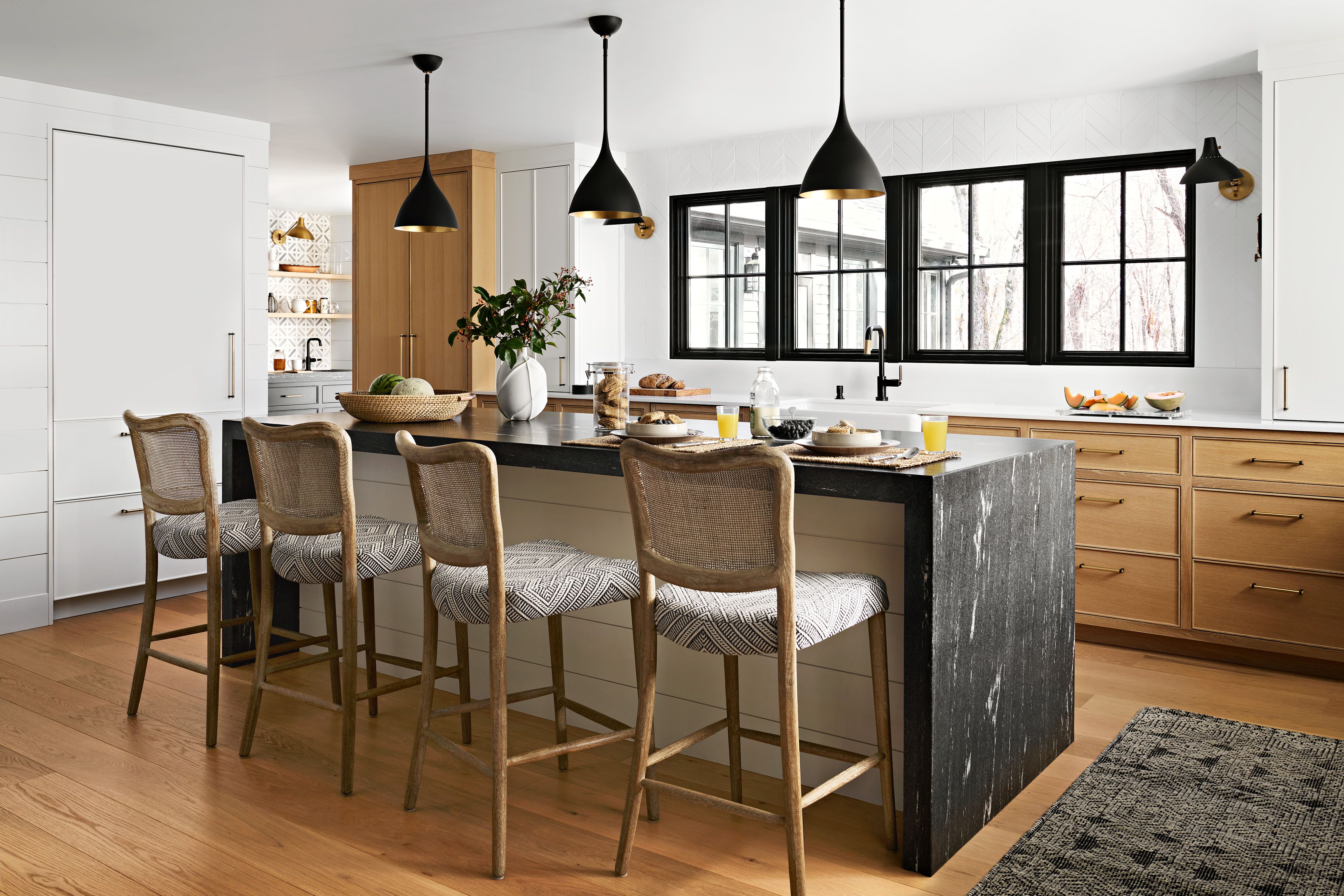
The kitchen has a strange superpower: it can make a buyer fall in love, forgive a small bedroom, and suddenly imagine themselves making pancakes on a Saturday morning like they are starring in a maple-syrup commercial. That is why smart kitchen upgrades remain one of the most effective ways to improve home value, increase buyer interest, and make daily life feel less like a negotiation with clutter.
But here is the plot twist: the most valuable kitchen upgrades are not always the most expensive ones. A luxury kitchen with rare stone, custom everything, and appliances that look like they require a pilot’s license may be beautiful, but it does not always deliver the strongest kitchen remodel ROI. In many U.S. markets, a thoughtful midrange refresh can outperform a dramatic gut renovation because buyers care about clean finishes, practical storage, durable surfaces, modern lighting, and a layout that does not make cooking feel like an obstacle course.
So, before you swing a sledgehammer for the Instagram moment, focus on upgrades that improve function, style, energy efficiency, and broad resale appeal. Below are eight kitchen upgrades that add the most value to your home without turning your renovation budget into a horror movie.
Why Kitchen Upgrades Matter for Resale Value
A kitchen is not just another room. It is the command center for weeknight dinners, school lunches, holiday chaos, late-night snacks, and conversations that somehow happen while someone is standing in front of the refrigerator with the door open. Buyers know this. Real estate agents know this. Appraisers may not clap when they see soft-close drawers, but even they understand that a modern, functional kitchen can influence perceived value.
The best kitchen upgrades usually share three qualities: they solve a real problem, they look current without being aggressively trendy, and they make the home feel well maintained. A fresh kitchen signals that the owner has cared for the property. A tired kitchen, on the other hand, whispers, “There may be more surprises behind these walls.” Nobody wants their future home whispering at them.
1. Cabinet Refacing, Painting, or Hardware Replacement
Cabinets dominate the visual space in most kitchens, which means old cabinets can age the entire room faster than a fruit bowl full of bananas. Fortunately, you do not always need to replace them. If the cabinet boxes are sturdy and the layout works, cabinet refacing, repainting, or replacing hardware can create a major transformation for far less than a full cabinet replacement.
Why It Adds Value
Buyers notice cabinets immediately. Clean shaker-style doors, warm wood tones, soft neutrals, or professionally painted finishes can make a kitchen feel move-in ready. New handles and pulls are small details, but they have a surprising effect. Think of hardware as jewelry for the kitchen: too much sparkle gets awkward, but the right finish pulls the whole outfit together.
Best Choices for Resale
Stick with timeless finishes such as white, cream, greige, soft gray, navy, muted green, or natural wood. Avoid overly bold cabinet colors unless they fit the character of the home and neighborhood. Matte black, brushed brass, oil-rubbed bronze, and polished nickel hardware remain popular because they feel updated without screaming for attention.
2. Durable Countertops With Broad Buyer Appeal
Countertops take a beating. They host coffee spills, grocery bags, homework, hot pans, and the occasional “I swear I measured this flour” baking disaster. Upgrading worn laminate, cracked tile, or stained surfaces can instantly raise the perceived value of a kitchen.
Why It Adds Value
Countertops are one of the most visible and frequently used kitchen features. Buyers like surfaces that look beautiful, clean easily, and can survive actual life. Quartz is a favorite for resale because it is durable, low maintenance, and available in designs that mimic natural stone. Granite still performs well in many markets, especially when the color and pattern feel current. But loud, busy, or very dark stone can narrow your buyer pool, so choose carefully.
Smart Countertop Strategy
If you plan to sell soon, choose a neutral countertop that coordinates with cabinets, backsplash, flooring, and wall color. Warm whites, soft grays, subtle veining, and understated patterns photograph well and help buyers imagine their own style in the space. Translation: make the countertop a strong supporting actor, not the drama queen of the house.
3. A Modern Backsplash That Looks Clean, Not Chaotic
A backsplash can make a kitchen feel finished. It protects the wall, adds texture, and creates a bridge between the cabinets and countertops. The key is restraint. A backsplash should say, “This kitchen has style,” not “I bought every tile sample in the showroom and panicked.”
Why It Adds Value
Backsplashes offer high visual impact for a relatively manageable cost. Classic subway tile, handmade-look ceramic tile, slab backsplashes, zellige-inspired textures, and simple geometric patterns can modernize a kitchen without overwhelming it. Buyers appreciate a backsplash that is easy to clean and coordinates with the rest of the room.
Best Choices for Resale
Choose a backsplash that complements your countertop instead of competing with it. If your countertop has dramatic veining, use a quieter backsplash. If your countertop is simple, you can add texture or a subtle pattern. The goal is balance. Your backsplash should not look like it is arguing with your countertop in front of guests.
4. Layered Kitchen Lighting
Lighting can make an affordable kitchen look expensive, and bad lighting can make an expensive kitchen look like a basement audition room. Layered kitchen lighting combines ambient lighting, task lighting, and accent lighting to make the space more functional and more flattering.
Why It Adds Value
Buyers want kitchens that feel bright, open, and easy to use. Recessed ceiling lights provide general illumination. Under-cabinet lighting helps with chopping, reading recipes, and finding the one onion that rolled behind the cutting board. Pendant lights over an island add style and define the space.
Best Lighting Upgrades
Install dimmable LED fixtures where possible. Use under-cabinet lighting for work zones. Replace outdated dome lights or fluorescent boxes with clean, modern fixtures. If you have an island, two or three pendants can add personality without requiring a full remodel. Lighting is one of those upgrades buyers may not describe in detail, but they feel it the moment they walk in.
5. Energy-Efficient Appliances
New appliances can refresh a kitchen quickly, especially when the old refrigerator sounds like it is training for a marathon. Energy-efficient appliances are appealing because they combine appearance, performance, and lower operating costs. Buyers like that combination. So does your utility bill.
Why It Adds Value
Appliances are practical, visible, and easy for buyers to understand. A coordinated appliance package can make the kitchen feel newer even if the cabinets and layout stay the same. ENERGY STAR-rated refrigerators, dishwashers, and electric cooking products can also support a more efficient home, which matters to buyers who are watching monthly expenses.
What to Buy
Choose appliances that match the level of the home. In a modest starter home, reliable stainless steel or fingerprint-resistant finishes may be perfect. In a higher-end home, panel-ready appliances or professional-style ranges may make sense if they align with comparable homes nearby. Avoid over-improving. A luxury range in an otherwise basic kitchen can feel like wearing a tuxedo to mow the lawn.
6. Better Storage and Organization
Storage is one of the most underrated kitchen upgrades for resale value. Buyers may admire a waterfall island, but they fall in love with pull-out shelves, deep drawers, hidden trash bins, pantry organization, and a place to store the blender that somehow has seventeen parts.
Why It Adds Value
Modern buyers want kitchens that support real life. Better storage makes the room feel larger, cleaner, and easier to use. It also reduces countertop clutter, which improves both daily function and listing photos. A kitchen with smart storage says, “You can cook here without losing your mind.” That is a strong sales pitch.
Storage Upgrades Worth Considering
Add pull-out trays in lower cabinets, drawer dividers for utensils, vertical slots for baking sheets, a lazy Susan in corner cabinets, built-in spice storage, and concealed trash and recycling. If space allows, upgrade a reach-in pantry with adjustable shelves, baskets, labels, and lighting. Pantry organization may not sound glamorous, but neither does a 401(k), and both can be very attractive when done correctly.
7. A Functional Kitchen Island or Peninsula
A kitchen island is one of the most desired features in modern kitchen design because it adds prep space, storage, seating, and a casual gathering spot. However, the best island is not always the biggest island. A poorly planned island can turn a kitchen into a traffic jam with countertops.
Why It Adds Value
An island can make a kitchen feel more social and more usable. It creates a natural place for guests to gather, kids to do homework, and homeowners to pretend they are relaxed while hosting Thanksgiving. Islands with drawers, outlets, seating, and durable surfaces are especially valuable because they add multiple functions in one feature.
Island Planning Tips
Maintain comfortable walkways around the island. Include storage if possible. Add outlets where code allows. Use seating only if there is enough overhang and clearance. If your kitchen is too small for an island, a peninsula may deliver similar value with less space. The rule is simple: improve flow, do not block it.
8. Updated Flooring That Can Handle Kitchen Life
Kitchen floors need to be tough. They deal with spills, crumbs, pet traffic, muddy shoes, dropped pans, and that one ice cube no one picks up until it becomes a tiny indoor pond. Flooring that looks good and performs well can improve both resale value and daily comfort.
Why It Adds Value
Old, damaged, or mismatched flooring can make a kitchen feel neglected. New flooring creates a clean foundation and helps connect the kitchen to nearby living areas. Luxury vinyl plank, porcelain tile, engineered wood, and high-quality hardwood can all be good choices depending on budget, climate, and the style of the home.
Best Flooring Choices for Resale
Choose flooring that is water-resistant, durable, and consistent with the rest of the home. If the kitchen opens to a living room, matching or coordinating floors can make the space feel larger. Avoid very trendy patterns that may date quickly. A buyer should notice the floor because it looks great, not because it appears to be auditioning for a design competition.
How to Choose the Right Kitchen Upgrades for Your Home
The best upgrade depends on your timeline, budget, neighborhood, and current kitchen condition. If you plan to sell within a year, prioritize cosmetic updates with broad appeal: cabinet paint, hardware, lighting, countertops, backsplash, and fresh paint. If you plan to stay longer, invest in improvements that make the kitchen work better for your household, such as storage, flooring, appliances, and layout tweaks.
Before spending heavily, compare your home with recently sold properties nearby. If similar homes have updated but not luxury kitchens, a midrange remodel may be smarter than a high-end renovation. If your neighborhood is filled with new construction and premium finishes, you may need a more polished kitchen to compete. Value is local. Your kitchen should match your market, not a random mansion tour you watched at midnight.
Kitchen Upgrades to Approach Carefully
Some upgrades are beautiful but risky for resale. Highly personalized tile, unusual cabinet colors, ornate lighting, open shelving everywhere, luxury appliances in a midrange home, and removing too much storage can limit buyer appeal. Open shelving may look charming in photos, but many buyers translate it as “great, now my cereal boxes are decor.”
Also be cautious with major layout changes. Moving plumbing, gas lines, walls, and electrical systems can increase costs quickly. Unless the existing layout is truly dysfunctional, smaller improvements often deliver better value. A kitchen does not need to be completely reimagined to feel new. Sometimes it just needs better lighting, cleaner surfaces, smarter storage, and a faucet that does not look like it survived three presidents.
Real-Life Experience: What Homeowners Learn After Upgrading a Kitchen
One of the biggest lessons homeowners learn is that the upgrades they notice every day are not always the ones they expected. Many people begin a kitchen remodel dreaming about countertops, but later rave about the pull-out trash cabinet, under-cabinet lighting, or deep drawers that finally hold pots and pans without a wrestling match. Function wins. Beauty matters, of course, but beauty with bad storage becomes annoying very quickly.
Another common experience is the power of sequence. Homeowners who plan finishes together usually get better results than those who choose items one at a time. A countertop that looks gorgeous in the showroom may clash with the backsplash at home. Cabinet hardware may look too cold next to warm flooring. Paint can shift under kitchen lighting. The smartest approach is to gather samples and view them in the actual room during morning, afternoon, and evening light. Kitchens have moods. Apparently, so do paint colors.
Budget surprises are also part of the journey. Even a modest kitchen upgrade can uncover old wiring, uneven floors, plumbing issues, or cabinets that are not as square as they promised on move-in day. Experienced remodelers usually recommend a contingency fund because kitchens are famous for saying, “While you are here…” and then inviting three extra problems to the party.
Homeowners also learn that small details create the finished look. New outlets and switch plates, clean caulk lines, aligned cabinet pulls, soft-close hinges, matching trim, and a properly scaled light fixture can make the whole kitchen feel intentional. These finishing touches are not always glamorous, but they separate a polished upgrade from a weekend project that got tired halfway through.
Finally, the best kitchen upgrades improve how people live before they ever improve resale value. A brighter kitchen can make cooking more enjoyable. Better flooring can make cleanup easier. New storage can reduce clutter. Efficient appliances can lower utility costs. A beautiful countertop can make morning coffee feel slightly more civilized, even if the dog is barking and someone forgot to buy eggs. That daily satisfaction matters. Resale value is important, but living well in your home is the return you get every single day.
Conclusion
The kitchen upgrades that add the most value to your home are usually the ones that balance style, function, durability, and market appeal. Cabinet refreshes, durable countertops, clean backsplashes, layered lighting, energy-efficient appliances, smart storage, functional islands, and resilient flooring can all make your kitchen more attractive to buyers and more enjoyable for you.
The winning strategy is not to build the most expensive kitchen possible. It is to create a kitchen that feels clean, useful, current, and easy to love. Buyers do not need every bell and whistle. They need a space where they can imagine cooking dinner, making coffee, unloading groceries, and living their lives without immediately planning a renovation. Give them that, and your kitchen may become one of your home’s strongest selling points.