

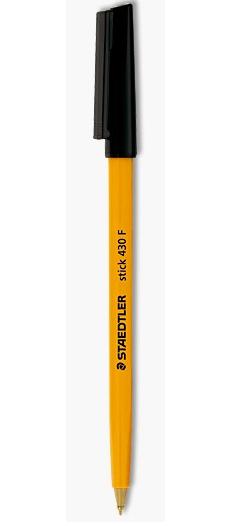
There are expensive pens, fancy pens, executive pens, pens that arrive in velvet boxes like they just signed a movie deal, and then there is that one really good pen. The one that somehow escapes the usual fate of all pens, which is to disappear into couch cushions, office kitchens, tote bag black holes, or the mysterious afterlife known as “somebody borrowed it for a second.”
This pen is different. It survives. It returns. It hangs around. It writes on the first try, doesn’t blob ink on your shirt, and somehow makes your handwriting look less like a sleep-deprived spider crossed the page in a panic. It is not merely a writing tool. It is a tiny, clicky miracle.
That is why “that one really good pen that never gets lost” deserves a place on any list of awesome things. It represents reliability in a flaky world, analog pleasure in a digital age, and the oddly emotional bond people form with ordinary objects that quietly make life better.
And yes, it is a little ridiculous to feel loyal to a pen. But it is also completely understandable. A really good pen earns affection the old-fashioned way: by showing up, working every time, and never making a big speech about it.
Why a Really Good Pen Feels Almost Magical
A great pen solves a bunch of tiny annoyances so fast that you stop noticing the problems it prevented. No skipping. No scratchy drag. No random ink explosion that turns your grocery list into modern art. No awkward moment where you scribble loops in the corner of the page trying to convince the pen to participate in its job.
When a pen writes smoothly, your brain focuses on ideas instead of mechanics. You are not wrestling with friction. You are just thinking, moving, underlining, doodling, circling, signing, crossing things off, and feeling strangely competent while doing it.
That is part of the charm. A good pen removes resistance. It turns ordinary writing into something pleasant, even satisfying. Suddenly, a to-do list looks more achievable. A journal entry sounds more honest. A note in the margin feels more alive. The pen becomes a tiny upgrade to your everyday life.
It Starts Instantly
The first mark matters. A bad pen hesitates like it needs coffee. A really good pen lands on the page ready to go. That immediate response builds trust. You click, write, and move on. No warm-up routine. No drama. Just clean, dependable lines.
It Glides Without Being Sloppy
The best writing pen finds the sweet spot between smooth ink flow and control. Too dry, and it feels like you are carving words into plywood. Too wet, and your notes look like they were written during a rainstorm. A pen that glides with discipline is rare, memorable, and weirdly lovable.
It Makes Your Hand Less Tired
A pen with a comfortable grip, balanced barrel, and consistent ink flow makes writing easier on your hand. That matters more than people realize. Whether you are taking lecture notes, editing a printed draft, jotting down a phone number, or signing your name for the twentieth time in one afternoon, comfort changes the whole experience.
What Makes a Favorite Pen a Favorite Pen
People often talk about pens as if they are interchangeable. Pen is pen. Ink is ink. End of story. But anyone who has ever used a truly excellent pen knows that is nonsense. The details matter. A lot.
Reliable Ink
A favorite pen needs ink that behaves. It should write clearly, dry in a reasonable time, and avoid smudging under normal use. It should not demand a ritual sacrifice before producing a sentence. It should not skip halfway through your best thought. It should not die the moment you need to sign something important.
A Tip That Matches Your Style
Some people love an ultra-fine line that looks crisp and precise, almost architectural. Others want a bolder point that feels expressive and confident. The “really good pen” is rarely the universal best pen for everyone. It is the pen that matches your hand, your pressure, your pace, and your taste.
Good Weight and Balance
A pen can be lightweight and still feel excellent. It can also have a bit of weight and feel reassuringly solid. What matters is balance. The pen should feel like a tool, not a weird little dumbbell. If it sits naturally in your hand, you stop thinking about the object and start enjoying the act of writing.
A Shape You Can Recognize Instantly
Sometimes the reason a pen never gets lost is simple: you know exactly which one it is. Maybe it has a rubber grip, a transparent barrel, a metal clip, or a click that sounds satisfyingly decisive. It becomes visually familiar. Your hand reaches for it automatically. Your eyes spot it across the room like it owes you money.
Why It Never Gets Lost
Now we get to the real mystery. Why does this one pen survive while the others vanish like background characters in a disaster movie?
Part of the answer is practical. People keep track of useful things. When an object works well, it gets a “do not lose this” status in your mind. You put it back in the same drawer. You clip it inside the same notebook. You rescue it from conference rooms. You notice when it is missing.
But there is also something deeper happening. Humans get attached to objects that prove dependable, familiar, and emotionally linked to daily rituals. A beloved pen is not just plastic and ink. It becomes the pen you used to write your first apartment budget, your best class notes, your grocery lists, your birthday cards, your meeting scribbles, your half-baked novel idea, your dramatic 11:48 p.m. journal entry, and your “I should definitely quit and open a bakery” business plan.
The pen becomes a witness. It was there. It helped. It earned its place.
So while other pens remain generic, this one becomes personal. That is why it never gets lost. It is not invisible to you. It has graduated from office supply to tiny household legend.
The Quiet Joy of Writing by Hand
The really good pen matters because handwriting still matters. Even in a world ruled by keyboards, touchscreens, passwords, and notifications, writing by hand offers a kind of presence that typing often does not. It slows you down just enough to make you notice your own thoughts.
Typing is fast, efficient, searchable, and terrific when you need volume. But handwriting feels deliberate. It creates texture. It gives your ideas shape, literally. A shopping list in your handwriting feels more personal than a phone note. A handwritten thank-you card carries warmth that no font can fake. A margin full of notes on a printed page looks like evidence of a real mind at work.
This is where the good pen earns its halo. It invites you back into the analog world without asking you to become a monk or move into a cabin. It simply says, “Hey, maybe write this one thing down for real.” And when the pen is smooth and dependable, you actually want to do it.
That pleasure matters. Joy is easier to repeat than discipline. If writing feels good, you write more. If you write more, you remember more, reflect more, and notice more. A good pen does not just record life. It gently improves the way you move through it.
Where the Legendary Pen Shows Up
The best part of a favorite pen is that it is rarely reserved for grand occasions. It shines in gloriously ordinary moments.
At the Kitchen Counter
You use it to write “milk, garlic, cereal, limes” on the back of an envelope. It makes even a grocery list look organized enough to suggest you might be the kind of person who owns matching food storage containers.
At Work
It is the pen you use for meetings, sticky notes, edits, signatures, and that legal pad where you pretend to be taking notes but are actually drawing boxes while somebody says “circle back” for the sixth time.
In a Journal
A favorite pen can make journaling easier because it removes excuses. When the pen feels good in your hand, the page looks less intimidating. You are more willing to begin, which is usually the hardest part.
During Small Important Moments
Signing a birthday card. Writing a note for your kid’s lunch. Filling out a form at the doctor’s office. Underlining a sentence in a book. These are not cinematic moments, but they are real life. A really good pen improves the texture of real life.
How to Find Your Own Pen That Never Gets Lost
If you have not found your forever pen yet, do not panic. This is not a soulmate situation. There are many excellent pens in the sea. The trick is to pay attention to what actually feels good to you.
Test Different Ink Types
Ballpoint, gel, rollerball, and fountain-style options all feel different on paper. If you like quick-drying, everyday reliability, one type may suit you better. If you want darker, smoother lines, another may win your heart. Try a few and notice what your hand naturally prefers.
Notice Your Writing Pressure
Some people write lightly, others press like they are engraving a treaty onto stone tablets. Your pressure affects which pen feels best. The right match can make writing feel smoother immediately.
Pay Attention to Grip
Do you like a cushioned grip, a slim barrel, a thicker body, a click pen, or a capped pen? These details sound minor until you spend an hour writing. Then they become the difference between comfort and annoyance.
Buy a Few, Then Promote One
Test several pens for normal life: lists, notes, journals, forms, and random scribbles. The winner will reveal itself quickly. Then give it a promotion. Let it live in your bag, at your desk, or clipped inside your favorite notebook. Congratulations. You now have a pen with status.
The Real Reason We Love It
We love that one really good pen because it embodies a simple fantasy: that something small can be reliably excellent forever. No update required. No battery. No charger. No app. No learning curve. Just click and go.
There is comfort in that. The pen is modest. It does not demand attention. It simply performs, over and over, until one day you realize you would absolutely notice if it disappeared.
And maybe that is what makes it awesome. Not that it is expensive. Not that it is rare. Not even that it writes beautifully, although hopefully it does. It is awesome because it turns an ordinary task into a tiny pleasure and then keeps doing it long enough to become part of your life story.
So here is to that smooth writing pen in the junk drawer, backpack, apron pocket, or coffee-stained mug on the desk. The survivor. The legend. The one object in the house that somehow respects you enough to still be there when you need it.
In a world full of disappearing chargers, missing socks, borrowed umbrellas, dead remotes, and scissors that migrate like seasonal birds, that one really good pen that never gets lost is not just useful. It is heroic.
Extra: of Real-Life Pen Experiences
I have seen people protect a favorite pen with more urgency than they protect their reusable water bottle. A person can leave a jacket at a restaurant and shrug, but let someone walk away with the good pen and suddenly we have a full detective operation. “Who took the black one with the soft grip?” becomes the question that unites an office faster than any team-building exercise ever could.
There is also a very specific joy in rediscovering your favorite pen after assuming it was gone forever. Maybe it slips out from under the car seat. Maybe it turns up in the side pocket of a backpack you have not used since fall. Maybe it is tucked inside a cookbook, a planner, or a random drawer next to rubber bands and expired coupons. The moment you find it again, you do not just think, “Oh good, a pen.” You think, “There you are.” That is not normal office-supply language. That is reunion language.
Some of the best pen moments are attached to seasons of life. There is the pen you carried all through one school year, the one that wrote every quiz heading, every margin note, every panicked study guide title at midnight. There is the pen you kept at your first real job, the one you used while trying to look calm in meetings where you absolutely did not feel calm. There is the pen you grabbed for journaling during a messy time, when writing things down helped make them feel less huge.
And then there are the tiny social rituals around a good pen. Someone asks to borrow it, and you suddenly become a contract lawyer. “Sure, but I need that back.” You hand it over while maintaining gentle eye contact, like a person transferring a family heirloom. If they absentmindedly walk away with it clipped to their notebook, your soul leaves your body for a second. You are polite about it, but internally you are already drafting a retrieval strategy worthy of a spy movie.
A truly great pen also has the power to restart habits. A fresh notebook alone is inspiring, but pair it with a pen that glides beautifully and suddenly you are making lists, sketching ideas, writing goals, planning meals, outlining essays, and pretending your life is held together by elegant bullet points. The pen does not solve your problems, of course. But it makes you feel like solving them is at least possible, which is sometimes the nudge a person needs.
That is why the memory of a favorite pen sticks. It is never just about ink. It is about routine, effort, ambition, comfort, and those small daily scenes that do not look important while they are happening. Years later, you may not remember every note you wrote with it, but you remember the feeling: smooth line, steady hand, one good thought following another. And somehow, against all odds, the pen was still there.
Conclusion
That one really good pen that never gets lost earns its reputation the quiet way: one smooth line, one useful list, one rescued thought at a time. It is proof that everyday happiness often hides inside ordinary objects that simply do their job extremely well. A favorite pen is practical, comforting, personal, and a little funny in the amount of loyalty it inspires. But honestly, some objects deserve loyalty. When a pen keeps showing up for your ideas, your errands, your plans, and your life, it stops being just a pen. It becomes one of those small, sturdy things that make the day feel better.