

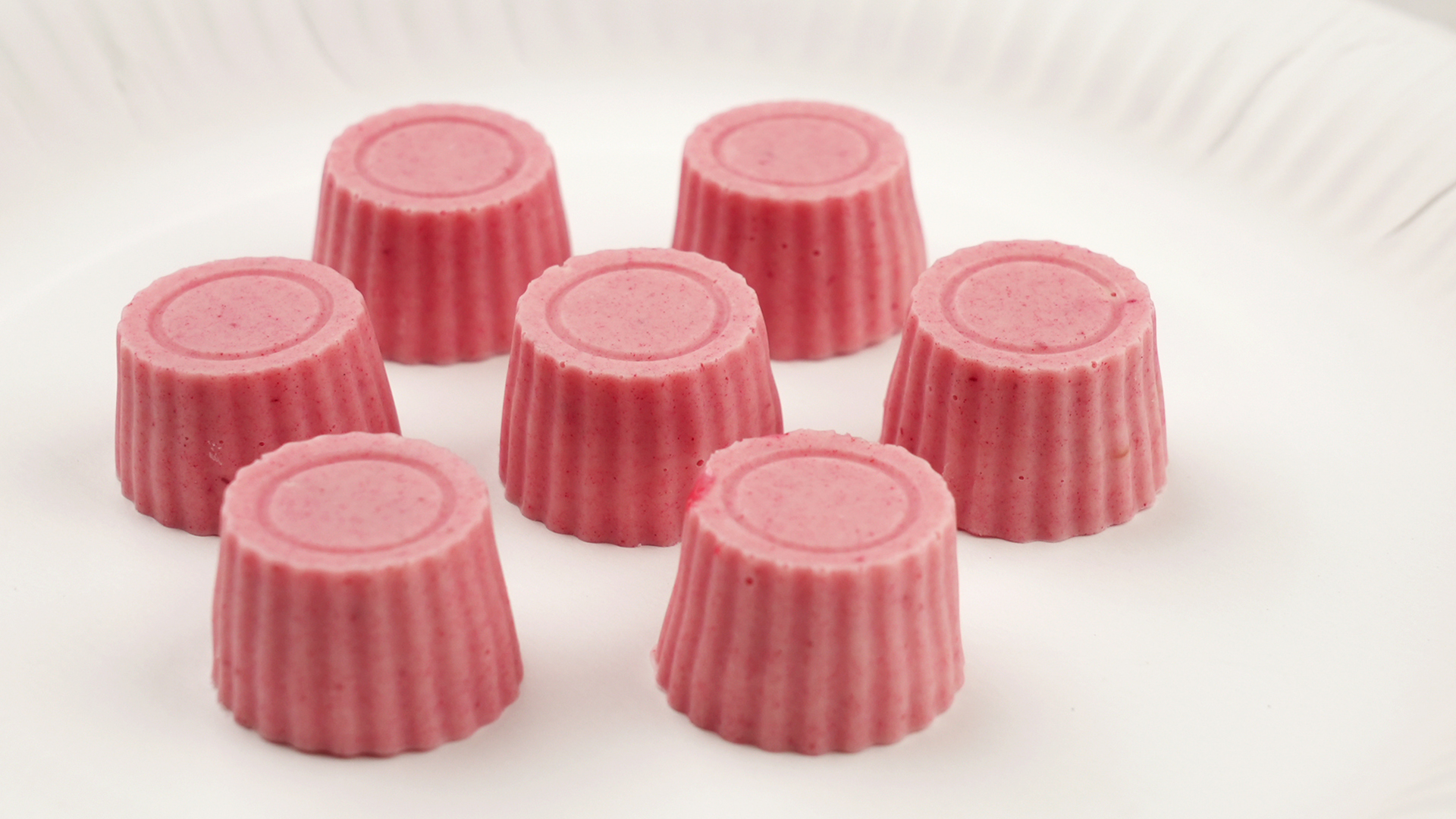
White chocolate is the blank canvas of the candy world: creamy, sweet, pale, and just dramatic enough to turn grainy if you look at it with a damp spoon. But once you understand how it behaves, coloring white chocolate becomes one of the most satisfying kitchen skills you can learn. You can make pastel strawberries for Easter, deep red truffles for Valentine’s Day, galaxy bark for birthdays, elegant gold-drizzled wedding favors, or tiny blue snowflakes that make cupcakes look like they hired a stylist.
The trick is simple in theory: use color that works with fat, not water. White chocolate contains cocoa butter, sugar, milk solids, vanilla, and emulsifiers. It does not contain cocoa solids like dark chocolate, which is why its color is pale and its flavor is mellow. That pale base makes it perfect for tinting, but its fat-based structure also means ordinary water-based liquid food coloring can cause trouble. Add the wrong color, and your silky chocolate may seize into a thick, stubborn clump. Add the right color, and suddenly you are the person everyone asks to “just bring something cute” to the party.
This guide explains nine practical ways to color white chocolate, including oil-based candy colors, powdered food colors, colored cocoa butter, natural powders, painted molds, marbling, layering, airbrushing, and colored candy melts. You will also learn when to temper, when to skip tempering, how to avoid overheating, and how to rescue small mistakes before your chocolate starts acting like it has a personal grudge.
Before You Start: The Golden Rules of Coloring White Chocolate
Before we jump into the nine methods, let’s set up the kitchen for success. Coloring white chocolate is not difficult, but it does reward patience. Think of it as a tiny edible art project with one bossy requirement: keep everything dry.
Use Real White Chocolate When Flavor Matters
For truffles, bark, bonbons, dipped fruit, or dessert decorations, choose good-quality white chocolate bars, couverture, wafers, or baking chocolate with cocoa butter listed in the ingredients. White baking chips can work for casual projects, but many chips contain stabilizers that help them keep their shape in cookies. That is great for chocolate chip cookies and less great when you want a smooth, glossy dip.
Melt Low and Slow
White chocolate is more heat-sensitive than dark chocolate. Microwave it at reduced power in short bursts, stirring often, or use a double boiler with gentle steam. Stop heating when a few small pieces remain, then stir until the residual heat finishes the job. If you blast it with high heat, it can scorch, thicken, or lose its smooth texture. White chocolate does not yell when it burns; it just quietly ruins your afternoon.
Keep Water Away
Water is the main villain in many white chocolate disasters. A wet spatula, condensation from a bowl, steam from a double boiler, or liquid food coloring can make melted chocolate seize. Always dry bowls, spoons, molds, and thermometers completely before use. If you are using a double boiler, make sure the bowl does not touch the simmering water and that steam cannot drip into the chocolate.
Add Color Gradually
Start with less color than you think you need. White chocolate accepts color well, but shades deepen as the color disperses. Add a drop, pinch, or small amount at a time, mix thoroughly, then decide whether to add more. This is especially important with red, black, navy, and deep purple, which can become intense quickly or affect texture if you overload the chocolate.
1. Use Oil-Based Candy Coloring
Oil-based candy coloring is the most reliable way to color white chocolate. It is designed for fat-based mixtures such as chocolate, candy coating, cocoa butter, and compound wafers. Because it contains no water, it blends smoothly into melted white chocolate without triggering the dreaded seize-and-stare moment.
To use it, melt your white chocolate gently, then stir in one or two drops of oil-based color. Mix until the shade is even. Add more color drop by drop until you reach the tone you want. For pale pink, mint green, lavender, or baby blue, you may need only a small amount. For bold red, royal blue, or black, expect to add more, but do it slowly so the chocolate stays fluid.
This method is ideal for chocolate-covered strawberries, cake pops, pretzels, drizzles, molded candies, and decorative shards. It is also beginner-friendly because the results are predictable. If you are coloring white chocolate for the first time, start here. It is the culinary equivalent of choosing the parking spot with no cars on either side.
2. Mix in Powdered Food Coloring
Powdered food coloring is another excellent choice for white chocolate because it adds pigment without adding liquid. It works especially well when you want strong color but do not want to thin or loosen the chocolate too much. Powdered colors are popular for candy makers, cookie decorators, and bakers who need precise shades.
To use powdered color, melt the white chocolate first. Sprinkle in a tiny pinch of powder and stir very thoroughly. Powder can clump if dumped in too quickly, so sift it if needed or sprinkle it lightly over the surface. Continue adding small amounts until the color looks right.
Powders are great for making jewel-toned chocolate bark, colorful chocolate curls, or molded candies. They are also useful when creating deeper shades such as burgundy, forest green, or midnight blue. The downside is that some powders need careful mixing to dissolve completely. If you rush, you may see specks. Specks can be charming in galaxy bark; less charming in wedding favors that are supposed to look “minimalist and expensive.”
3. Color with Melted Colored Cocoa Butter
Colored cocoa butter is a favorite among chocolatiers because it bonds beautifully with chocolate and creates a polished, professional finish. It is made by combining cocoa butter with food-safe color. Since cocoa butter is already part of chocolate’s natural fat system, it is compatible with white chocolate and candy molds.
You can use colored cocoa butter in several ways. Melt it gently, then stir a small amount into melted white chocolate to tint the whole batch. You can also brush, sponge, splatter, or airbrush it into molds before adding tempered white chocolate. Once the chocolate sets, the design transfers to the surface and looks glossy and dramatic.
This method is excellent for bonbons, chocolate bars, geometric candies, luxury dessert décor, and showpiece work. It is not always the cheapest option, but it gives some of the most impressive results. If oil-based color is your dependable daily driver, colored cocoa butter is the sports car you bring out when you want applause.
4. Paint Candy Molds Before Filling Them
If you want colored details without tinting the entire batch, paint the mold instead. This method lets you add stripes, dots, petals, stars, letters, or abstract swirls to the outside of your finished chocolate pieces.
Use a clean, dry food-safe brush and a small amount of melted colored cocoa butter or oil-based candy color mixed with cocoa butter. Paint the inside of the mold where you want the color to appear. Let the design set slightly, then fill the mold with tempered white chocolate. Tap the mold gently to remove air bubbles and scrape the top clean. Once the chocolate hardens, unmold it to reveal the design.
This is one of the best ways to create custom chocolate for parties, holidays, weddings, baby showers, and branded dessert tables. You can make pink hearts, green leaves, gold accents, or rainbow splashes without coloring a whole bowl of chocolate. It also reduces waste because you only use small amounts of color.
5. Make Marbled White Chocolate
Marbling is the low-stress method that looks fancy even when you are improvising. Instead of blending color completely into white chocolate, you swirl different shades together for a stone-like, watercolor, or tie-dye effect.
Start by melting white chocolate and dividing it into small bowls. Tint each bowl with oil-based candy color or powdered color. Pour the plain white chocolate onto parchment paper, then drizzle the colored chocolate over it. Use a skewer, toothpick, or the tip of a knife to swirl the colors gently. Do not overmix, or the design will become muddy. A few lazy figure-eights are usually enough.
Marbled white chocolate is perfect for bark, chocolate slabs, cupcake toppers, dipped cookies, and break-apart candy gifts. Try pink and red for Valentine’s Day, green and gold for St. Patrick’s Day, blue and silver for winter, or peach and ivory for a soft wedding palette. The best part is that marbling forgives imperfection. In fact, imperfection is the point. Finally, a decorating technique that respects your busy schedule.
6. Layer Different Colored Chocolates
Layering lets you create bold stripes, two-tone candies, hidden centers, and clean color blocks. It is especially useful for molded chocolates, bark, dipped treats, and dessert decorations.
To layer white chocolate, color separate portions with oil-based or powdered color. Spread or pour the first color into your mold or onto parchment. Let it set until firm but not icy cold. Add the next color and repeat. For clean layers, allow each layer to become firm enough that the next one does not blend into it. For softer transitions, add the next color while the previous one is only partly set.
Layering works beautifully for rainbow bark, patriotic red-white-and-blue pretzels, pastel Easter candies, Halloween orange-and-black treats, or ombré chocolate bars. You can also dip half a strawberry in one color, let it set, then dip the other side in another color. It looks intentional, polished, and far more difficult than it actually is, which is the sweet spot of home candy making.
7. Use Natural Color Powders
Natural powders can add soft color and subtle flavor to white chocolate. Examples include freeze-dried strawberry powder for pink, raspberry powder for rosy red, matcha for green, turmeric for golden yellow, beet powder for pinkish-red, butterfly pea powder for blue-purple tones, and spirulina for green-blue shades.
The key is to use dry, finely ground powders. Moist purées, juices, extracts, and syrups can cause white chocolate to seize unless you are intentionally making a ganache or sauce. For solid chocolate, stick with dry powders and add them gradually.
Natural colors often look softer and earthier than synthetic candy colors. Strawberry powder may create a speckled pink, matcha gives a sophisticated green, and turmeric creates warm yellow but can become bitter if overused. This method is best when flavor and color can work together. A matcha-white chocolate bark with toasted sesame seeds? Lovely. Turmeric-white chocolate truffles with no other flavor plan? That may need a committee meeting.
8. Airbrush White Chocolate with Colored Cocoa Butter
Airbrushing is a more advanced method, but it creates a smooth, professional finish. Chocolatiers often use an airbrush with colored cocoa butter to decorate bonbons, molded bars, and showpiece elements. The result can be velvety, metallic, speckled, shaded, or vividly glossy depending on the technique.
To airbrush, melt colored cocoa butter according to the product instructions and keep it fluid but not overheated. Spray it into clean, polished molds or directly onto set chocolate pieces, depending on the effect you want. Allow the cocoa butter to set before adding tempered white chocolate to the mold.
This technique is excellent for galaxy effects, gradients, metallic finishes, luxury bonbons, and modern pastry decoration. It does require equipment, practice, and careful cleanup. If you are making a dozen strawberries for movie night, airbrushing may be overkill. If you are making a dessert table for 80 guests, it can make your chocolates look like they came from a boutique confectionery.
9. Blend White Chocolate with Colored Candy Melts
Colored candy melts or compound wafers are not the same as real white chocolate, but they are extremely useful. They are designed to melt easily, set firmly, and come in many colors. If your priority is decoration, convenience, and bright color, they can save time.
You can use colored candy melts on their own or blend them with white chocolate or white candy coating to create custom shades. For example, mix a few red wafers into melted white coating for pink, or blend blue and white wafers for a softer sky-blue tone. Many decorators use this method for cake pops, drizzle, pretzels, molded shapes, and party treats.
Be aware that blending real white chocolate with compound coating can affect texture, flavor, and tempering behavior. If you need a crisp tempered snap, use real chocolate and compatible color. If you need cheerful decorations that set quickly for a school bake sale, colored candy melts are wonderfully practical. Not every project needs to graduate from pastry school.
How to Choose the Best Coloring Method
The best method depends on your goal. For everyday dipping and drizzling, oil-based candy coloring is the simplest and safest choice. For strong colors without extra liquid, powdered coloring is excellent. For polished bonbons and molded chocolates, colored cocoa butter delivers the most professional finish. For natural, gently flavored treats, dry fruit and plant powders work well. For fast party projects, colored candy melts are convenient and beginner-friendly.
Consider the final texture, too. If the chocolate must be shiny, snappy, and shelf-stable at room temperature, tempering matters. If you are making bark for casual snacking or coating cake pops that will be eaten soon, you may not need perfect temper. Still, even casual projects benefit from gentle heat, dry tools, and colors made for fat-based foods.
Common Mistakes When Coloring White Chocolate
Using Regular Liquid Food Coloring
Regular liquid food coloring is usually water-based. It may work in frosting, batter, or drinks, but it can make melted white chocolate seize. Use oil-based candy colors, powdered colors, or colored cocoa butter instead.
Overheating the Chocolate
White chocolate can scorch or thicken when heated too aggressively. Use low heat, stir often, and stop heating before every piece has fully melted. Let stirring finish the job.
Adding Too Much Color at Once
Color builds. Add small amounts and mix well. Too much color can change texture, stain everything in reach, and create a shade that looks less “romantic rose” and more “emergency exit sign.”
Skipping the Test Batch
When color matters, test a spoonful first. Let it set so you can see the final shade. Melted chocolate often looks slightly different from hardened chocolate.
Practical Color Ideas for White Chocolate Projects
For soft pastels, start with a white base and add the tiniest amount of color. A toothpick dipped into oil-based color can be enough for small batches. For deeper tones, use concentrated oil-based colors or powders and let the color rest for a few minutes after mixing. Some shades deepen as the pigment disperses through the fat.
For an elegant wedding look, use ivory white chocolate with pale blush, champagne, sage, or gold accents. For kids’ parties, try rainbow bark with sprinkles, mini marshmallows, and cookie pieces. For Halloween, swirl orange, black, purple, and green. For Christmas, use red and green drizzles over dipped pretzels or white chocolate peppermint bark. For a winter theme, combine white, icy blue, and silver sugar pearls.
You can also use contrast. Dip strawberries in pale pink chocolate, then drizzle with dark chocolate. Pour lavender bark and sprinkle it with crushed pistachios. Make white chocolate stars with blue splatter for a night-sky dessert. Once you understand the basic rules, the design options are almost endless.
Experience Notes: What I’ve Learned from Coloring White Chocolate
Coloring white chocolate sounds like a small kitchen task, but it teaches you a lot about patience, timing, and humility. The first lesson is that white chocolate does not reward multitasking. If you melt it while answering messages, hunting for sprinkles, and wondering where the parchment paper went, it will absolutely notice. The best results happen when everything is ready before the chocolate melts: dry bowl, dry spatula, color open, mold nearby, parchment laid flat, and toppings waiting like obedient little soldiers.
One of the most useful habits is making a tiny test batch. Melt a spoonful of white chocolate, add a small amount of color, spread it on parchment, and let it set. This reveals the true final shade. A color that looks perfect while melted may dry a little lighter, warmer, or more opaque. Testing also helps you avoid wasting a whole bowl of chocolate on a shade that was supposed to be dusty rose but somehow became bubblegum pink with big opinions.
Another experience-based tip is to choose the color method based on the project, not just the color. For dipped strawberries, oil-based candy color is usually the easiest. It keeps the chocolate smooth and gives a clean coating. For bark, marbling is more forgiving because even uneven swirls look artistic. For bonbons, colored cocoa butter is worth the extra effort because it gives that glossy “professional chocolate case” look. For kids’ treats, colored candy melts can be the smartest choice because they are fast, bright, and less fussy.
Temperature control matters more than most beginners expect. If the chocolate starts getting thick, people often panic and add more heat. That can make things worse. Instead, remove the bowl from the heat, stir slowly, and check whether the chocolate is overheated, under-melted, or simply too cool. Sometimes a few seconds of gentle warmth helps. Sometimes a little melted cocoa butter can loosen the texture. And sometimes, yes, the batch has crossed into “brownie drizzle only” territory. That is not failure. That is dessert rerouting.
Natural powders are fun, but they require realistic expectations. Freeze-dried strawberry powder gives a lovely pink color and real berry flavor, but it can leave tiny speckles. Matcha creates a beautiful green and pairs well with sesame, coconut, or pistachio, but too much can taste grassy. Beet powder can be pretty, yet it may not create the neon red some people imagine. Natural colors are often softer, which can be a benefit when you want a handmade, elegant look.
For clean drizzles, transfer colored white chocolate to a piping bag or small zip-top bag and snip a tiny corner. The smaller the opening, the more control you have. Practice on parchment before decorating the final treats. A confident drizzle looks casual and stylish; a nervous drizzle looks like the chocolate tried to write its name and gave up halfway through.
Finally, remember that white chocolate is supposed to be fun. Some batches will be glossy. Some will be rustic. Some will become bark because the original plan failed and bark is the generous safety net of candy making. Keep your tools dry, use fat-compatible color, work gently, and start small. Once you get comfortable, coloring white chocolate becomes less like a technical challenge and more like edible paintingwith better snacks.
Conclusion
Learning how to color white chocolate opens the door to brighter, more creative desserts. Whether you use oil-based candy coloring for easy dipping, powdered food color for bold shades, colored cocoa butter for professional molds, or natural powders for softer tones, the key is compatibility. White chocolate is fat-based, so your color should be fat-friendly and your tools should stay dry.
Start with simple projects like colored drizzles, dipped pretzels, or marbled bark. As you gain confidence, try painted molds, layered bars, airbrushed bonbons, and custom holiday palettes. With the right method, white chocolate can become pink, blue, green, gold, lavender, red, or almost any shade you can imagine. Just remember: low heat, dry tools, small additions, and patience. The chocolate may be delicate, but your results can be bold, beautiful, and very snackable.