

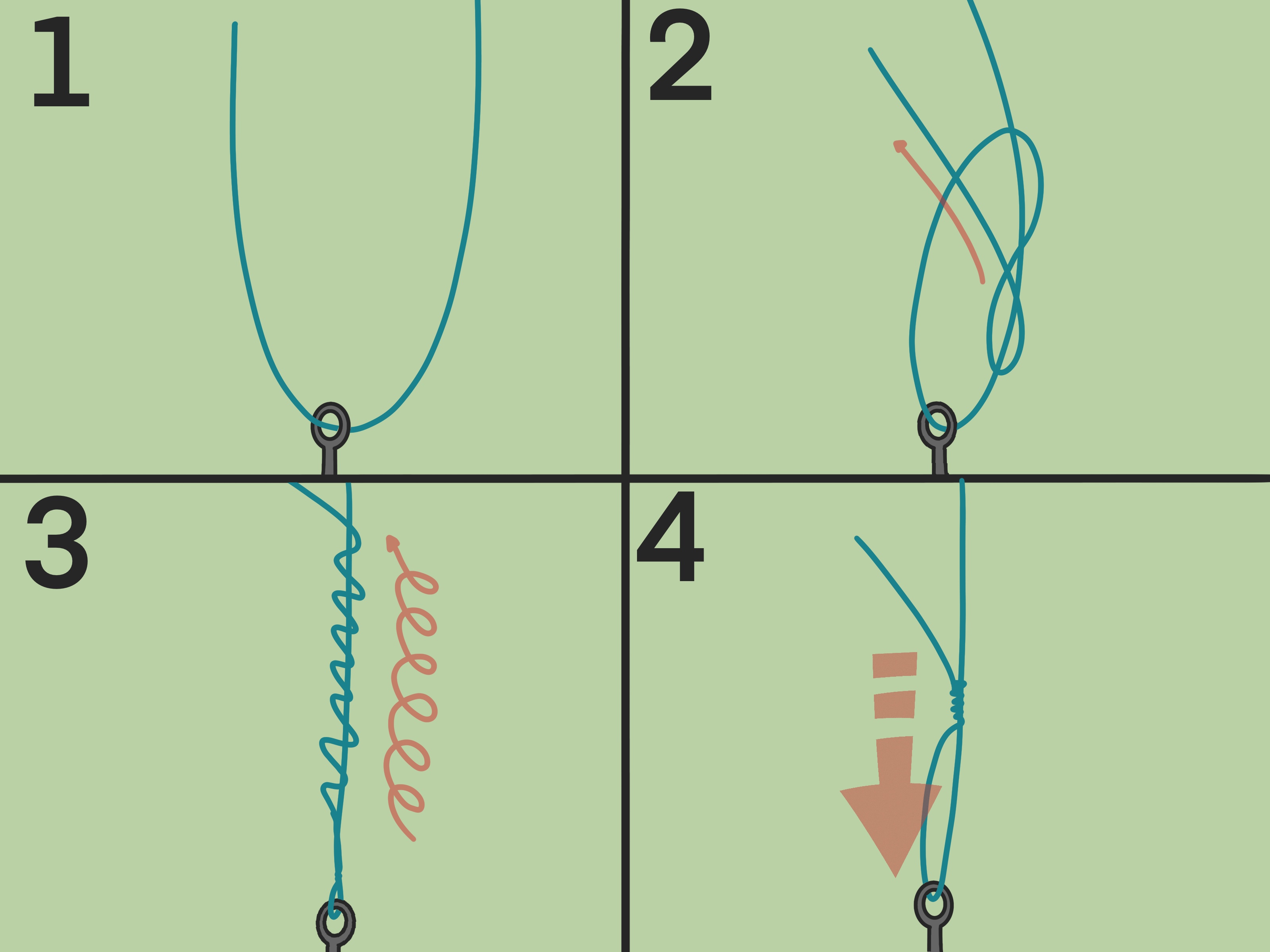
Learning how to tie a leader to the main line is one of those fishing skills that looks tinyuntil a fish proves otherwise. One minute you are confidently casting into the perfect spot, and the next minute your leader connection fails, your lure sails away like it has joined witness protection, and your fishing buddy suddenly becomes a comedian.
The good news? You do not need to be a professional guide, a knot wizard, or someone who owns seventeen tackle boxes labeled by moon phase. With the right knot, a little practice, and a few smart habits, you can connect a fishing leader to your main line cleanly, strongly, and quickly. This guide breaks the process into nine practical steps, with beginner-friendly explanations, knot recommendations, and real-world tips for braid, fluorocarbon, and monofilament setups.
Whether you are tying braid to a fluorocarbon leader for bass, connecting mono to mono for panfish, adding a shock leader for surf fishing, or preparing a stealthier presentation in clear water, the goal is the same: create a smooth, strong leader knot that will survive casting, hooksets, weeds, rocks, teeth, and the occasional fish with a bad attitude.
Why Anglers Use a Leader in the First Place
A leader is a short section of fishing line tied between your main line and your lure, hook, or rig. It is usually made from monofilament or fluorocarbon, while the main line might be braid, mono, or fluoro. The leader gives you advantages that your main line may not provide on its own.
For example, braided line is strong, thin, and sensitive, but it can be highly visible in clear water and may fray around rocks, shells, bridge pilings, or toothy fish. Fluorocarbon leader is less visible underwater and has better abrasion resistance, making it a popular choice when fish are cautious or structure is rough. Monofilament leader has more stretch and buoyancy, which can help with topwater lures, live bait, and certain freshwater rigs.
In simple terms, your main line is the engine, and your leader is the polite handshake at the end. It helps your bait look natural while giving you a better chance of landing the fish once the chaos begins.
Best Knots for Tying a Leader to the Main Line
There are many fishing knots that connect a leader to the main line, but not all of them are equally beginner-friendly. The best knot depends on your line types, line diameters, fishing style, and how much patience you currently have while standing in wind with cold fingers.
Double Uni Knot
The double uni knot is one of the easiest and most reliable line-to-line knots for beginners. It works with braid, monofilament, and fluorocarbon, and it is useful when tying lines of similar or moderately different diameters. Many anglers like it because it is easy to remember: tie one uni knot with one line, tie another uni knot with the other line, then pull them together.
Surgeon’s Knot
The surgeon’s knot is fast, simple, and excellent for joining lines when speed matters. It is especially useful for mono-to-mono or fluoro-to-mono connections. The tradeoff is that it can be bulkier than some other knots, so it may not pass through rod guides as smoothly if you use a long leader.
Alberto Knot
The Alberto knot is a strong choice for connecting braid to a heavier fluorocarbon or monofilament leader. It is slimmer than a double uni knot and popular among anglers who need a dependable connection for freshwater and saltwater fishing.
FG Knot
The FG knot is famous for strength and slimness. It is one of the best knots for braid-to-leader connections because the braid grips the leader instead of simply knotting around it. However, it takes more practice than the double uni or surgeon’s knot. Think of it as the sports car of leader knots: excellent performance, but you should learn the controls before racing down the highway.
Blood Knot
The blood knot is a classic for joining lines of similar diameter. It is common in fly fishing and light-tackle setups, but it can be tricky for beginners because both lines need to be wrapped neatly in opposite directions.
Easy Ways to Tie a Leader to the Main Line: 9 Steps
Step 1: Choose the Right Leader Material
Before tying anything, choose a leader that matches your fishing situation. Use fluorocarbon leader when water is clear, fish are line-shy, or you need abrasion resistance around rocks, docks, oysters, wood, or coral. Use monofilament leader when you want more stretch, better knot forgiveness, or a little extra buoyancy for topwater lures and natural bait.
For bass fishing with braided main line, many anglers use a fluorocarbon leader in the 8- to 20-pound range, depending on cover and lure size. For inshore saltwater fishing, a 20- to 40-pound fluorocarbon leader may be more appropriate. For panfish or trout, lighter leaders from 2 to 8 pounds are common. The key is balance: your leader should protect your presentation without making your setup feel like you tied a garden hose to a violin string.
Step 2: Match the Knot to Your Line Types
Different line combinations call for different knots. If you are tying braid to fluorocarbon, the double uni knot is a great beginner option, while the Alberto knot and FG knot are stronger, slimmer choices once you get comfortable. If you are tying monofilament to fluorocarbon of similar diameter, the surgeon’s knot or blood knot can work well.
As a general rule, use the double uni knot when you want simple and dependable, the Alberto knot when connecting thin braid to a thicker leader, and the FG knot when you need maximum casting smoothness through the guides. Your knot should fit your fishing style, not your desire to impress strangers at the boat ramp.
Step 3: Cut a Practical Leader Length
Leader length matters. A short leader of 18 to 36 inches works well when fishing around heavy cover, using a swivel, or casting lures that do not require a long stealth section. A longer leader of 4 to 8 feet is common when using braid in clear water because it keeps the visible braided line farther from the lure.
If your knot will pass through the rod guides, choose a slimmer knot such as the Alberto or FG. If your knot will stay outside the guides, you can use a slightly bulkier knot like the double uni with fewer concerns. For beginners, starting with a leader about one rod length is a practical middle ground.
Step 4: Overlap the Main Line and Leader
Lay the leader and main line parallel to each other with several inches of overlap. For most knots, 6 to 10 inches of overlap gives you enough tag end to work with. If you are using heavier line, give yourself extra length. Short tag ends are like tiny socks in a dryer: they disappear exactly when you need them.
Keep the lines neat and avoid twisting them before you begin. Clean alignment helps the wraps form evenly, which improves knot strength and makes the finished connection smaller and smoother.
Step 5: Tie the First Half of the Knot
If you are tying a double uni knot, take the tag end of your main line and form a loop around the leader. Wrap the tag end through the loop several times. With braid, use more wrapsoften 6 to 10because braid is slick. With monofilament or fluorocarbon, 4 to 6 wraps may be enough, depending on line diameter.
Do not tighten the knot completely yet. Snug it just enough so the wraps hold their shape. This gives you room to build the second half of the connection without creating a tangled little fishing noodle.
Step 6: Tie the Leader Side
Now repeat the process with the leader tag end. Form a loop around the main line and wrap the tag end through the loop. Again, the number of wraps depends on material and diameter. Fluorocarbon is stiffer than mono, so focus on clean wraps and steady pressure rather than rushing.
For an Alberto knot, the process is different: you create a loop in the leader, pass the braid through the loop, wrap the braid up the leader several times, wrap it back down, and then pass the tag end out the same way it entered. The important lesson is the same for all leader knots: neat wraps create better strength.
Step 7: Wet the Knot Before Tightening
Always moisten the knot before cinching it down. Water or saliva reduces friction and heat as the wraps tighten. This is especially important with fluorocarbon, which can weaken if burned by friction. A dry knot may look fine, but under pressure it can fail faster than a folding chair at a family barbecue.
After wetting the knot, tighten slowly. Pull on both standing lines first, then pull gently on the tag ends if needed. The knot should seat evenly without crossing, bunching, or leaving gaps.
Step 8: Test the Connection
Once the knot is seated, test it before fishing. Hold the main line in one hand and the leader in the other, then pull firmly. You do not need to snap it like you are starting a lawn mower; steady pressure is enough. Watch for slipping, clicking, curling, or visible separation.
If the knot slips, cut it off and retie it. Do not negotiate with a bad knot. A weak connection will not become stronger because you are emotionally attached to it. Retie now, or regret later when a good fish turns your leader into a sad memory.
Step 9: Trim the Tag Ends Cleanly
Use sharp line cutters, scissors, or nippers to trim the tag ends. Leave a tiny amount of tag, especially with braid, because some knots can settle slightly under pressure. However, do not leave long tag ends that catch weeds, guides, or your own sleeve.
If your leader knot will travel through the rod guides, trim carefully and make sure the knot is compact. A bulky knot can reduce casting distance, create guide noise, or weaken over time from repeated impact.
Which Leader Knot Should Beginners Learn First?
For most beginners, the double uni knot is the best first leader-to-main-line knot. It is easy to understand, works with many line combinations, and does not require special tools. Once you can tie it consistently, learn the Alberto knot for a slimmer braid-to-leader connection. After that, practice the FG knot if you want a high-performance knot for long leaders and smooth casting.
Here is a simple way to choose:
- Use the double uni knot when you want an easy, dependable all-around leader connection.
- Use the surgeon’s knot when you need a fast knot for similar lines and short leaders.
- Use the Alberto knot when tying thin braid to a thicker fluorocarbon or mono leader.
- Use the FG knot when you want a slim, strong knot that casts smoothly through guides.
- Use the blood knot when joining lines of similar diameter, especially in fly fishing or light tackle.
Common Mistakes When Tying a Leader to the Main Line
Using Too Few Wraps
Braided line is slick, so it usually needs more wraps than monofilament or fluorocarbon. If you use too few wraps, the knot may slip under pressure. When in doubt, add a couple of extra wraps and test the connection.
Forgetting to Wet the Knot
Skipping lubrication is one of the easiest ways to weaken a knot. Friction creates heat, and heat can damage the line. Wetting the knot takes one second and can save your lure, leader, and dignity.
Mixing Lines With Extreme Diameter Differences
Some knots struggle when one line is much thicker than the other. If you are connecting very thin braid to heavy leader, choose a knot designed for that job, such as the Alberto or FG knot.
Trimming Too Close
Cutting tag ends too close can allow slight slippage to become total failure. Leave a tiny tag, especially with braid. The goal is neat, not microscopic.
Not Retesting After a Snag
If you pull free from a snag, drag your leader across rocks, or land a fish with rough teeth, check the knot and leader. Even a well-tied connection can weaken after abuse.
Practical Examples for Different Fishing Setups
Bass Fishing With Braid to Fluorocarbon
A common bass setup is 10- to 30-pound braid tied to an 8- to 20-pound fluorocarbon leader. For finesse techniques like drop shots, shaky heads, and small swimbaits, a longer fluorocarbon leader helps keep the presentation natural. The Alberto knot or FG knot is excellent if the knot passes through the guides, while the double uni knot works well for shorter leaders.
Surf Fishing With a Shock Leader
Surf anglers often use a heavier shock leader to handle powerful casts and abrasive conditions. A strong line-to-line knot is essential because the connection must survive both casting force and fish pressure. Many anglers use the double uni knot, improved Albright-style knots, or other strong leader connections depending on line size.
Trout Fishing in Clear Water
For trout, a light fluorocarbon or monofilament leader can improve stealth. If the lines are similar in diameter, a surgeon’s knot or blood knot can be a clean solution. Keep the knot small, trim it neatly, and avoid using a leader so heavy that it affects lure action.
Inshore Saltwater Fishing
For redfish, snook, speckled trout, striped bass, and similar species, braid-to-fluorocarbon is extremely common. Fluorocarbon helps around shells, dock pilings, mangroves, and rough mouths. A 20- to 40-pound leader connected with an Alberto, FG, or double uni knot is a practical setup for many inshore situations.
How to Make Your Leader Knot Stronger
Strong knots come from consistency. Practice at home when you are not standing in wind, rain, or mosquito traffic. Use old line scraps and tie the same knot ten times. Then pull each knot until it breaks. This simple test teaches you more than watching twenty videos while eating chips on the couchalthough, to be fair, the chips help morale.
Pay attention to where the line breaks. If it breaks at the knot every time, your wraps may be crossing, burning, or slipping. If it breaks above the knot, your connection is probably strong enough and the line itself is reaching its limit. Also inspect the finished knot. Good knots look organized. Bad knots look like a bird tried to knit during turbulence.
Extra Experience: Lessons From Real Leader-Knot Practice
The best experience with tying a leader to the main line usually comes from small failures. Every angler has a story about the fish that got away because of a rushed knot. The lesson is rarely “buy more gear.” More often, it is “slow down and tie the knot correctly.” A leader connection is not glamorous, but it is one of the few parts of fishing completely under your control.
One practical habit is to retie your leader before the knot looks terrible. Many anglers wait until the leader is frayed, curled, cloudy, or shortened to the length of a shoelace. By then, the setup has already lost reliability. If you fish around rocks, grass, docks, brush, or toothy species, run your fingers along the leader every few casts. If you feel rough spots, cut back and retie. That tiny inspection can be the difference between landing a personal best and telling a suspiciously dramatic story at dinner.
Another useful experience is learning how knots behave with different brands and diameters of line. Some fluorocarbon is stiff. Some braid is very slick. Some monofilament stretches more than expected. The same knot may feel different from one setup to another. That is why testing matters. Tie your leader knot, pull hard, and see if it slips. If it does, add wraps, change knots, or adjust your leader size.
When fishing from shore, keep leader tying simple. Wind, waves, sand, and uneven footing are not friendly to complicated knots. A double uni knot or surgeon’s knot may be better than a technically superior knot tied poorly. On a boat or at home, you may have time to tie a perfect FG knot. Standing knee-deep in surf while your bait bucket tries to escape? Choose the knot you can tie cleanly under pressure.
It also helps to prepare before the first cast. Many experienced anglers tie fresh leaders the night before a trip. They check knots under bright light, trim tags neatly, and organize rods by technique. This reduces mistakes at the water and keeps fishing time focused on fishing, not emergency knot surgery. If you are taking kids, friends, or beginners fishing, pre-tied leaders can save the day. Nothing tests patience like tying knots while someone asks every twelve seconds, “Is mine ready yet?”
Finally, remember that confidence matters. When you trust your leader knot, you fish better. You set the hook firmly, cast accurately, and fight fish with steady pressure instead of panic. A strong knot does not guarantee a catch, but it removes one major weak point. Fishing will always include surprisesthe weather changes, fish ignore your best lure, and someone drops snacks in the tackle bag. But your leader connection does not have to be one of the surprises.
Conclusion
Tying a leader to the main line is a basic fishing skill with a huge payoff. Start with the double uni knot if you want an easy, dependable connection. Add the Alberto knot when you need a slimmer braid-to-leader option. Practice the FG knot when you want maximum strength and smooth casting through the guides. No matter which knot you choose, the fundamentals stay the same: match the knot to your line, use clean wraps, wet the knot, tighten slowly, test firmly, and trim neatly.
A leader knot may be small, but it sits between you and every fish you hope to land. Treat it like it mattersbecause when the rod bends and the drag starts singing, it absolutely does.