

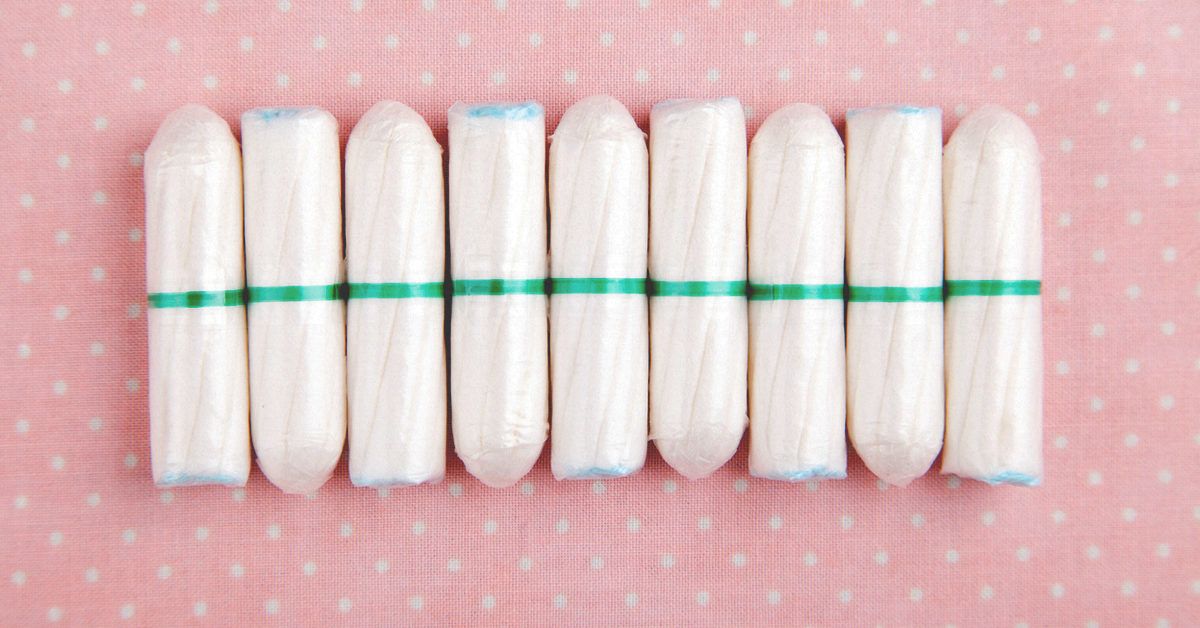
There are two kinds of people in this world: those who keep tampons neatly lined up in a bathroom drawer like a tiny period-product library, and those who discover one mysterious emergency tampon at the bottom of a purse next to a cough drop, a receipt from 2021, and emotional baggage. Either way, the question eventually pops up: do tampons expire?
The practical answer is yes, tampons can become too old or too poorly stored to use safely, even when the box does not show a traditional “expiration date.” Some brands print a best-by or expiration date. Some say their tampons do not have a formal expiration date. Health experts often use a general shelf-life estimate of about five years for properly stored tampons, while some organic tampon brands list shorter time frames. The real issue is not that a tampon suddenly turns into a pumpkin at midnight. The issue is cleanliness, moisture, wrapper damage, absorbency performance, and whether bacteria or mold could have had a chance to move into the neighborhood.
This guide explains tampon expiration dates, shelf life by brand, storage tips, warning signs, toxic shock syndrome basics, and what to do when you find an old tampon and wonder whether your uterus is about to file a complaint.
Do Tampons Expire?
Tampons can expire, but the answer depends on the brand, packaging, and storage conditions. A tampon is designed to be inserted into the vagina, so it needs to remain clean, dry, intact, and suitable for single use. In the United States, tampons are regulated as medical devices, and FDA-cleared tampons are intended to be used once and thrown away. They are not meant to be washed, reused, shared, “refreshed,” or treated like a reusable water bottle with a string.
Most tampons are made from cotton, rayon, or a blend of the two. Those materials absorb menstrual fluid well, but they can also absorb moisture from the environment if packaging is damaged or the product is stored in humid conditions. That is why the bathroom, ironically the most popular tampon storage location, is not always the best long-term home for them. Steam from showers, humidity, and heat can make packaging less reliable over time.
In everyday terms, an “expired” tampon may mean one of three things:
- The printed expiration or best-by date has passed.
- The brand’s recommended shelf-life period has passed.
- The tampon looks, smells, feels, or is packaged in a way that suggests it is no longer clean or dependable.
That last point matters most. A tampon with a perfect date but a torn wrapper is not a winner. A tampon with no printed date but a clean, sealed wrapper stored in a cool, dry closet may still be acceptable according to some manufacturers. When in doubt, throw it out. Tampons are cheaper than a doctor visit, and nobody has ever become a legend by bravely using a suspicious bathroom-drawer tampon from the previous presidential administration.
How Long Do Tampons Last?
A common rule of thumb is that tampons last about five years when they are kept in their original packaging, sealed, dry, and away from heat or direct sunlight. However, this is not a universal law. Different manufacturers may use different standards.
Some organic cotton tampon brands list a shorter official shelf life. For example, Natracare states that its organic cotton tampons have an expiry date printed on the packaging and a three-year expiry from the date of manufacture. Other brands may say they do not have an expiration date but should be stored carefully and discarded if the wrapper is damaged.
The main lesson: check the package first. If there is a date, follow it. If there is no date, look for a lot number, contact the manufacturer if needed, and judge the tampon by its storage history and wrapper condition. A tampon that lived in a cool hall closet is not the same as one that spent two summers in a hot car or survived a shampoo spill in a gym bag. Context matters. Your tampon has a biography.
Tampon Expiration by Brand: What Popular Brands Say
Brand policies can vary, and packaging can change over time, so always check your current box. Still, these examples show why the answer to “do tampons expire?” is more nuanced than a simple yes or no.
Tampax
Tampax emphasizes safe use, including wearing tampons for no more than eight hours and choosing the absorbency that matches your flow. Some retailer and FAQ summaries state that Tampax tampons may not carry a traditional expiration date when they are stored properly, but the safest approach is to check your box, keep wrappers sealed, and discard any tampon that seems damaged, damp, discolored, or odd-smelling.
Playtex
Playtex states that its tampons do not have an expiration date, but the wrapper should remain sealed and the products should be stored in a cool, dry place. The brand also advises discarding tampons if they are improperly stored or if the wrapper is damaged. That is a very practical standard: sealed, dry, clean, and intact equals usable; questionable equals trash.
U by Kotex / Kotex
Kotex product information and FAQ responses have stated that some tampons do not expire, while still emphasizing proper storage. Kotex also highlights product safety, ingredient transparency, and quality standards. Again, the key point is not to treat “no expiration date” as “immortal.” A tampon is not a diamond. Moisture, heat, and a ripped wrapper can still ruin the party.
Rael
Rael uses the common five-year shelf-life guideline for tampons when stored properly and recommends keeping tampons in a cool, dry place. The brand also advises discarding tampons with compromised wrappers, strange odors, or discoloration.
Natracare
Natracare says its organic cotton tampons have an official expiry date printed on the packaging and a three-year expiry from the date of manufacturing. This is a helpful reminder that “organic” does not mean “lasts forever.” Cotton is still cotton, and time plus humidity can still create problems.
Where Is the Expiration Date on Tampons?
If your tampons have an expiration date, it is usually printed on the outer box, side panel, bottom flap, or near the lot number. Sometimes it may appear as “EXP,” “best before,” “use by,” or a manufacturing code. If you threw away the box and only have individually wrapped tampons, you may not be able to confirm the date. That is when storage history becomes important.
For example, an individually wrapped tampon from a freshly opened box stored in a clean drawer is probably less concerning than an orphan tampon that has been rolling around in a makeup bag for years. If the wrapper is torn, sticky, damp, punctured, stained, or dusty inside the folds, do not use it. The wrapper is the tampon’s tiny security guard. Once that guard quits, the tampon should retire.
Signs a Tampon May Be Too Old or Unsafe
Not every expired or poorly stored tampon will show obvious warning signs. That is what makes the issue tricky. Still, there are red flags you should never ignore:
- Damaged wrapper: tears, holes, loosened seals, or open ends.
- Moisture exposure: a wrapper that feels damp, sticky, swollen, or warped.
- Discoloration: yellowing, dark spots, or visible staining on the tampon or wrapper.
- Unusual smell: musty, sour, chemical, or moldy odor.
- Visible mold or debris: any suspicious spotting or fuzz means instant disposal.
- Applicator problems: cracked plastic, warped cardboard, sticking, bending, or rough edges.
- Unknown age: if you cannot remember buying it and it may qualify for a senior discount, replace it.
Never test a questionable tampon by inserting it “just for a little while.” That is like tasting mystery leftovers to see if they are spoiled. Your body is not a laboratory, and your vagina did not sign a research consent form.
Can Expired Tampons Cause Infection?
An expired or poorly stored tampon may increase the risk of irritation or infection, especially if it has been exposed to moisture, mold, or bacteria. Possible issues include itching, irritation, unusual discharge, odor, burning, or general discomfort. If symptoms appear after using an old or questionable tampon, remove it, switch to a pad or fresh period product, and contact a healthcare professional if symptoms persist or feel severe.
Using an old tampon does not automatically mean something terrible will happen. Many people have accidentally used a questionable tampon and been fine. But “probably fine” is not the same as “good idea.” The safer choice is simple: use a fresh tampon with an intact wrapper.
Tampons, Absorbency, and Toxic Shock Syndrome
Toxic shock syndrome, often called TSS, is rare but serious. It is associated with toxins produced by certain bacteria and can affect multiple organs. Tampons are not the only possible cause of TSS, but tampon use has historically been linked with some cases, especially when tampons are worn too long or when higher absorbency is used unnecessarily.
The FDA recommends changing tampons every 4 to 8 hours and never wearing one tampon for more than eight hours. ACOG gives similar guidance. You should also use the lowest absorbency that controls your flow. In plain English: do not use a super-plus tampon on a light day because you do not feel like changing it. That is not convenience; that is your future self shaking her head.
Federal labeling rules define tampon absorbency terms by the amount of fluid absorbed. In the United States, light absorbency is 6 grams or under, regular is 6 to 9 grams, super is 9 to 12 grams, super plus is 12 to 15 grams, and ultra is 15 to 18 grams. These ranges help shoppers compare products and choose the minimum absorbency needed to manage menstrual flow.
Symptoms of TSS to Watch For
Seek medical help immediately if you are using a tampon, recently used one, or are on your period and develop symptoms such as:
- sudden high fever;
- vomiting or diarrhea;
- dizziness, fainting, or feeling faint when standing;
- a rash that looks like sunburn;
- muscle aches;
- confusion or feeling very ill very quickly.
If TSS symptoms appear, remove the tampon right away if you can and get urgent medical care. Tell the healthcare team that you were using a tampon. This is not the time to be shy. Medical professionals have seen everything, and your honesty helps them treat you faster.
How to Store Tampons So They Last Longer
The best place to store tampons is somewhere cool, dry, clean, and away from direct sunlight. A bedroom drawer, linen closet, hall cabinet, or sealed storage container is usually better than a steamy bathroom shelf.
Good storage habits include:
- Keep tampons in their original box until use.
- Store extras outside the bathroom if your bathroom gets humid.
- Use a clean pouch for purse, backpack, locker, or gym-bag tampons.
- Do not store tampons loose next to cosmetics, pens, snacks, or keys.
- Do not use tampons that went through the washing machine, got wet, or sat in a hot car for months.
- Rotate older boxes to the front so you use them first.
A simple trick: write the purchase month and year on the box with a marker. It takes five seconds and saves you from future detective work. “Bought May 2026” is much more helpful than staring at a box and thinking, “Was this from college?”
Can You Use a Tampon After the Expiration Date?
If a tampon has a printed expiration date and that date has passed, the safest choice is to discard it. If the tampon has no printed date but is very old, poorly stored, or has a damaged wrapper, discard it. If it is sealed, clean, dry, and from a box you bought recently, it is usually reasonable to follow the manufacturer’s storage guidance.
The decision is less about being dramatic and more about risk management. Tampons are inserted into a sensitive area with its own careful bacterial balance. Even mild irritation can turn a normal period week into an itchy, uncomfortable, why-is-my-body-like-this saga. Fresh product, clean hands, correct absorbency, and timely changes are the winning combination.
What About Organic Tampons?
Organic tampons can also expire. Organic cotton may sound cleaner, softer, or more natural to some shoppers, but it is still a material that can be affected by time, humidity, and packaging damage. If an organic brand prints an expiration date, follow it. If no date appears, contact the manufacturer or use the same conservative rules: cool, dry storage; intact wrapper; no strange smell or discoloration; and no mystery-age products.
Organic does not mean sterile. Fragrance-free does not mean forever. “Natural” does not mean immune to mold. Marketing words are nice, but storage conditions still run the show.
What to Do If You Used an Old Tampon
First, do not panic. Remove it when it is time to change it, or sooner if you feel discomfort. Then pay attention to your body. If you feel normal, there may be nothing else to do except replace the old box with a fresh one and maybe clean out that drawer while you are emotionally available.
Call a healthcare professional if you notice unusual discharge, strong odor, itching, burning, pelvic pain, fever, rash, vomiting, diarrhea, dizziness, or symptoms that do not improve. If you cannot remove a tampon or think one may be stuck, seek medical care. Forgotten tampons happen more often than people admit, and clinicians are not there to judge you. They are there to help.
Real-Life Experiences and Practical Scenarios: What People Actually Run Into
Most tampon expiration questions do not happen while calmly reading a product label under perfect lighting. They happen at inconvenient times, because periods have a talent for scheduling chaos. Here are common experiences that make the issue more relatable.
The Purse Tampon
You reach into your purse and find a tampon that has clearly been on a journey. The wrapper is a little wrinkled, there is lint on one end, and it may have been living beside breath mints, coins, and a pen with no cap. If the wrapper is still completely sealed, dry, and clean, it may be okay in an emergency. But if there are holes, sticky spots, makeup stains, or any sign the wrapper has opened, skip it. A purse tampon should travel in a small clean pouch, not free-range like a raccoon in a handbag.
The Bathroom Drawer Stockpile
Many people store tampons in the bathroom because that is where they are used. Short term, that is usually fine. Long term, a steamy bathroom can be less ideal. If your bathroom has poor ventilation, frequent hot showers, or damp cabinets, move extra boxes to a dry closet and keep only a few current-cycle tampons nearby. Think of the bathroom as a convenient pickup station, not a climate-controlled warehouse.
The “I Bought These During a Sale” Box
Bulk buying is tempting. Nobody enjoys paying full price for period supplies. But buying ten boxes only makes sense if you will use them within a reasonable time and store them properly. If you stock up, write the purchase date on each box and place the oldest in front. This tiny habit turns your period shelf from “mysterious cardboard tower” into an organized system worthy of applause.
The Travel Tampon
Travel tampons live tough lives. They get crushed in suitcases, exposed to heat, dropped on hotel bathroom floors, and forgotten in beach bags. Before using one, inspect the wrapper. Heat alone does not always ruin a tampon, but heat plus moisture, pressure, or torn packaging is a problem. For travel, keep tampons in a zippered pouch or hard-sided case. Your future self, standing in an airport restroom, will be grateful.
The Teen’s First Box
For teens or first-time tampon users, expiration dates are only one part of the learning curve. The bigger safety habits are washing hands, choosing the right absorbency, changing every 4 to 8 hours, and never using tampons when not menstruating. A multipack with light and regular absorbency can help match changing flow days. If a tampon feels dry and uncomfortable to remove, the absorbency may be too high for that moment.
The “It Looks Fine, But I’m Not Sure” Moment
This is the most common scenario. The tampon looks normal, but you cannot remember when you bought it. Here is the simplest rule: if you would feel anxious after inserting it, do not use it. Peace of mind matters. Periods are already enough of a monthly group project between hormones, laundry, snacks, and calendar math. You do not need to add “tampon uncertainty” to the agenda.
Final Takeaway
So, do tampons expire? Yes, they can. Some brands print dates, some use general shelf-life guidance, and some say their tampons do not have a formal expiration date when stored correctly. But every brand agrees on the big idea: tampons should be clean, dry, sealed, intact, and used only once.
Check the box, inspect the wrapper, avoid long-term humid storage, use the lowest absorbency that works, change tampons every 4 to 8 hours, and never wear one for more than eight hours. Toss any tampon that looks suspicious, smells odd, feels damp, has a broken wrapper, or has been living a dramatic life in your bag since who-knows-when.
Note: This article is for educational purposes only and is not a substitute for medical advice. If you experience fever, rash, vomiting, dizziness, unusual discharge, pelvic pain, irritation, or symptoms that worry you after using a tampon, contact a qualified healthcare professional promptly.