

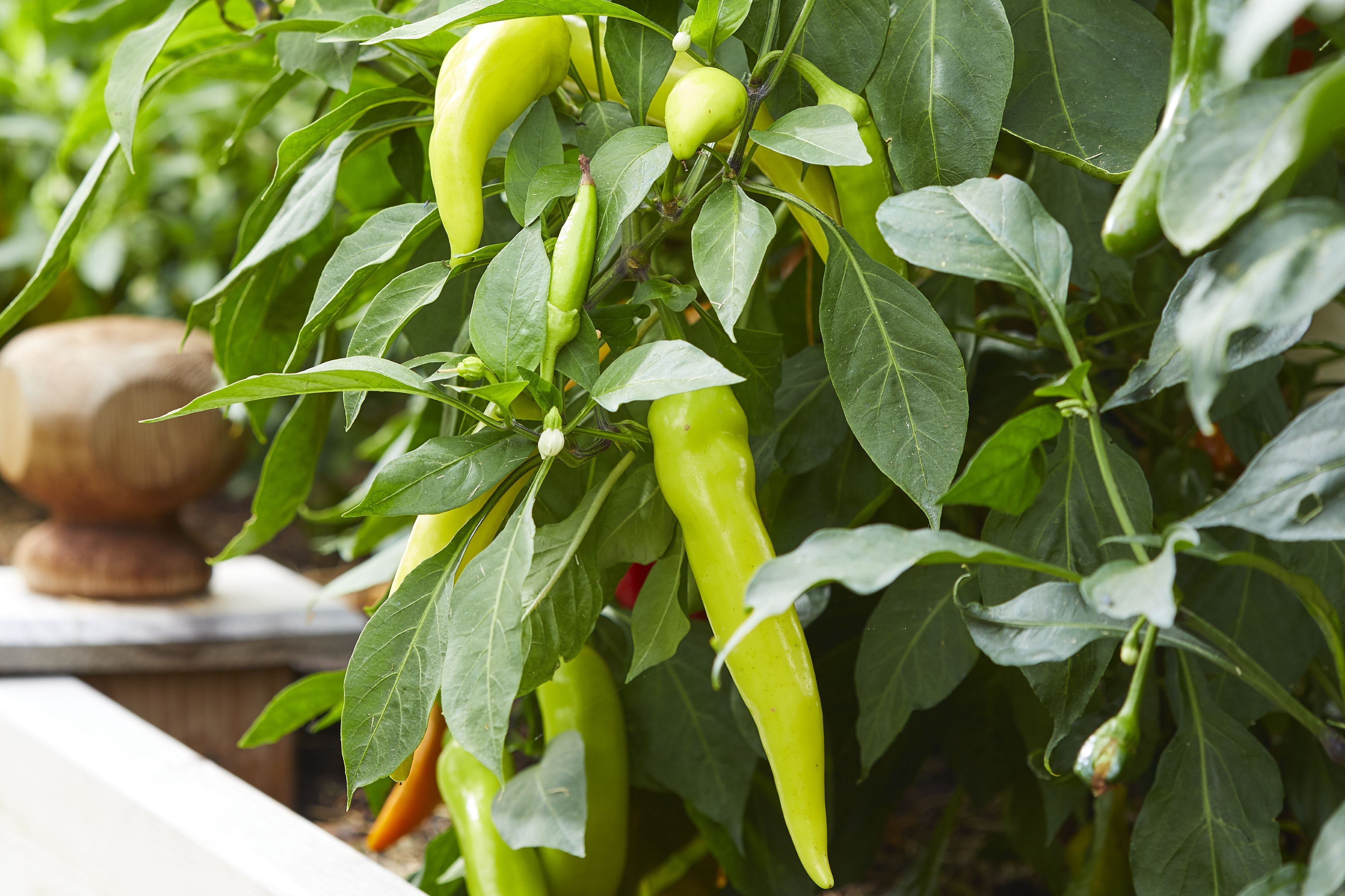
If you have ever looked at a gorgeous pepper plant in October and thought, “Wow, you finally got your act together just in time to die,” welcome to the club. Pepper plants have a cruel sense of timing. They spend all summer warming up, hit their stride late in the season, and then a cold snap barges in like an uninvited relative at Thanksgiving. The good news is that overwintering pepper plants is absolutely possible. The even better news is that it can help you start next season with bigger, faster, more productive plants.
Learning how to overwinter pepper plants indoors or outside is really about matching your method to your climate. In cold regions, that usually means bringing peppers inside before frost. In mild winter areas, you may be able to protect plants outdoors with mulch, row covers, hoops, or frost cloth. Either way, the goal is simple: keep the plant alive through winter so it can bounce back when warm weather returns. Think of it as plant hibernation, minus the fuzzy pajamas.
Can Pepper Plants Survive Winter?
Yes, pepper plants can survive winter, but only if you protect them from freezing temperatures. Botanically speaking, peppers are tender perennials. In warm, frost-free climates, they can live for more than one season. In places with freezing winters, though, they are usually grown as annuals because frost and prolonged cold can seriously damage or kill them.
That is why overwintering peppers makes so much sense for gardeners who grow special varieties, slow-maturing hot peppers, or particularly productive plants. Instead of starting from scratch every spring, you keep the roots and main stems alive, then let the plant resume growth when conditions improve. Often, an overwintered pepper plant fruits earlier than a seedling started fresh in spring, which feels a little like cheating but in a wholesome gardening way.
Choose Your Overwintering Strategy
There are three practical ways to overwinter pepper plants. The best option depends on your winter temperatures, available indoor space, and how much plant babysitting you are willing to do between now and spring.
1. Let the Plant Go Dormant Indoors
This is the easiest and most reliable method for gardeners in cold climates. You prune the plant, move it into a cool protected place, reduce watering, and let it rest. It may lose leaves, look scraggly, and generally resemble a stick collection. That is normal. The goal is survival, not beauty pageant glory.
2. Keep the Plant Actively Growing Indoors
If you have a bright south- or west-facing window, or better yet a grow light setup, you can keep peppers growing indoors through winter. This method works well for compact plants, ornamental peppers, and gardeners who enjoy fussing over indoor plants. It requires more light, more attention, and better pest control, but it can reward you with continued foliage and sometimes even fruit.
3. Overwinter Peppers Outside in Mild Climates
If you garden where winters are mild and hard freezes are rare, peppers may survive outdoors with protection. This works best in very warm regions or sheltered microclimates, especially where peppers can behave like short-lived perennials. Outside overwintering is less about luck and more about stacking the deck with mulch, covers, walls that reflect heat, and a close eye on the forecast.
How to Prepare Pepper Plants Before Cold Weather Hits
Preparation is the make-or-break step. Do not wait until your pepper plant has already been kissed by frost. That “kiss” is not romantic. It is a breakup.
- Choose the right plant. Save your healthiest, most productive pepper plants. Skip weak, diseased, or badly stressed plants. Overwintering works best when the plant goes into winter with decent energy reserves.
- Harvest remaining peppers. Pick ripe fruit and remove most immature fruit. You want the plant focusing on survival, not finishing a dramatic late-season production.
- Inspect for pests. Check leaves, stems, and the undersides of foliage for aphids, spider mites, whiteflies, and other hitchhikers. Bringing one pepper plant indoors can accidentally turn your house into an all-inclusive bug resort.
- Clean the plant. Rinse foliage thoroughly with water. If needed, use insecticidal soap according to label directions. A careful wash before the move indoors can prevent weeks of indoor pest headaches later.
- Prune it back. Reduce the plant to a manageable size. You do not need to sculpt it like a bonsai master, but you do want fewer stems, less foliage, and a framework that is easier to manage indoors.
- Repot if necessary. Garden-grown peppers often do better if lifted and moved into a container with fresh, well-draining potting mix. Container-grown peppers may only need a light cleanup and maybe a new pot if they are badly root-bound.
How to Overwinter Pepper Plants Indoors
The Dormant Method
If your goal is simply to keep the pepper plant alive until spring, dormancy is the low-maintenance route. After pruning and cleaning the plant, place it in a cool location that stays above 50°F. A garage, basement, enclosed porch, or cool spare room can work, as long as the plant is protected from freezing.
Water sparingly through winter. The soil should not stay soggy, and the plant should not be treated like it is in peak July growth mode. In dormancy, less is more. Many gardeners kill overwintering peppers with kindness, which is another way of saying overwatering them into mush. Let the soil dry more between waterings and avoid fertilizer while the plant is resting.
Do not panic if leaves drop. Dormant peppers often look rough. As long as the stems remain alive and the root system stays healthy, the plant still has a shot. Check occasionally for mold, rot, or pests, and remove any weak or dead growth. This method is not glamorous, but it is effective.
The Active Indoor Growth Method
If you want your pepper plant to stay leafy and continue growing indoors, give it as much light as possible. A sunny south- or west-facing window is best. If natural light is limited, use grow lights for about 14 to 16 hours a day, keeping the light close enough to be effective without cooking the plant.
Water when the top of the potting mix feels slightly dry, and always use a pot with drainage holes. Peppers hate sitting in waterlogged soil. Keep them in a draft-free spot with bright light and moderate warmth. Warm daytime temperatures and cooler nights are fine, but avoid cold windowsills and frigid doorways where the plant gets blasted every time someone goes outside for the mail.
Because indoor conditions are not exactly tropical paradise levels of perfection, expect slower growth than you see outdoors. The plant may become somewhat lanky if light is inadequate. If that happens, increase the light instead of trying to pep-talk the plant. Peppers do not respond to motivational speeches. I checked.
Indoor Pest Control Matters More Than You Think
The most common indoor pepper problems are not dramatic diseases. They are tiny pests with giant attitudes. Aphids, spider mites, whiteflies, and mealybugs can all show up once a plant is brought indoors, especially if the plant arrived with a hidden pest population.
Inspect the plant weekly. If you spot trouble early, a strong rinse with water can knock back aphids and spider mites. For sturdier plants, repeated water sprays can help. Insecticidal soap may also be useful for early infestations. The key is consistency. One half-hearted spray followed by three weeks of denial is not a pest management plan. That is wishful thinking wearing gardening gloves.
How to Overwinter Pepper Plants Outside
Overwintering pepper plants outside only works in regions with mild winters or in especially protected microclimates. If your area gets repeated freezes, this is a risky move unless you are using serious season extension methods. Still, if winters are relatively gentle, it can work surprisingly well.
Use Mulch for Root Protection
Start with mulch around the base of the plant. A thick layer helps insulate the root zone and buffers temperature swings. It will not save exposed foliage from a hard freeze, but it gives the roots a better chance of staying alive through cold spells.
Add Frost Protection
When cold nights are forecast, cover plants with frost cloth, row cover, sheets, blankets, or other breathable protective materials. These coverings help trap heat radiating from the soil and reduce frost formation on leaves. For better results, use hoops or stakes so the fabric is not pressing directly on the plant.
Row covers are especially useful because they provide measurable frost protection. Depending on weight, they may offer a few degrees of protection or more. That can be enough to save a plant during a light frost. On sunny days, though, covers should be opened or removed so temperatures do not build too high underneath. Pepper flowers and fruit set can suffer in overly hot conditions, and a covered plant can heat up faster than you might expect.
Pick the Warmest Spot in the Yard
Location matters. A pepper planted near a south-facing wall, close to masonry, or in a spot shielded from wind will usually fare better than one sitting out in the open like it is trying to prove a point. Containers can also be moved temporarily to a porch, garage edge, or sheltered nook when a cold snap moves in.
If your winters regularly dip well below freezing, be honest with yourself. Outdoor overwintering may not be the best plan. There is no shame in bringing the plant indoors. Heroic outdoor experiments are fun until you are left with a sad black stump and a lesson in weather humility.
Common Mistakes When Overwintering Pepper Plants
- Waiting too long. Move or protect peppers before frost damage begins.
- Bringing pests indoors. Always inspect and clean plants first.
- Overwatering dormant plants. Resting peppers need much less moisture.
- Giving active plants too little light. Weak light leads to leggy growth and stress.
- Skipping spring hardening off. Indoor-grown plants cannot go straight from the living room to full sun and wind without a transition period.
- Trying to save every plant. Save the best ones, not every pepper that ever crossed your path.
How to Wake Pepper Plants Up in Spring
As winter ends and days get longer, your overwintered pepper plants will start to stir. This is your cue to gradually increase watering, move the plant into brighter light, and prune away any dead stems. If the potting mix is tired, compacted, or questionable, repot into fresh mix.
Once outdoor conditions improve, begin hardening the plant off. Put it outside for short periods in a sheltered spot, then slowly increase sun and wind exposure over a week or two. Bring it back in if nights are still chilly. Peppers should not head outdoors for good until frost danger has passed and nighttime temperatures are consistently mild.
This gradual transition matters. A pepper plant that spent winter indoors can get sunscald, wind stress, or temperature shock if it is moved outside too abruptly. Think of it like sending someone from a cozy sofa directly into a boot camp obstacle course. Technically possible, but not kind.
Is Overwintering Pepper Plants Worth It?
For many gardeners, yes. Overwintering pepper plants saves time, preserves favorite varieties, and gives you a head start on the growing season. It is especially appealing when you have a plant that was finally becoming productive right before cold weather arrived. Instead of starting over from seed and waiting all summer again, you begin with an established root system and mature stems.
That said, not every pepper is worth the effort. If you are growing a common variety that is cheap and easy to replace, starting fresh in spring may be simpler. But if you have a beloved hot pepper, a rare heirloom, or a container plant that performed like a champion, overwintering is a smart move.
In the end, the question is not whether peppers can survive winter. They can. The real question is whether you want to give them a fighting chance. And if the answer is yes, a little pruning, a little planning, and a little seasonal stubbornness can pay off beautifully.
Real-World Overwintering Experiences and Lessons Learned
One of the most common experiences gardeners share with overwintering pepper plants is that the first attempt usually teaches more than any article ever could. The plant often looks worse before it looks better, and that can be unsettling. Gardeners expect a neat, thriving indoor specimen, but what they often get at first is a half-pruned pepper with a moody attitude, dropped leaves, and a talent for making them second-guess every decision. That does not mean the plant is failing. In many cases, it is simply adjusting.
Another common lesson is that the healthiest late-summer plant is usually the easiest one to carry through winter. Gardeners who try to save every pepper in the garden often find that weak, disease-prone, or badly stressed plants become a burden indoors. The survivors are usually the sturdy plants that had strong stems, clean foliage, and good production before the weather changed. In other words, the pepper that behaved like a professional outdoors is more likely to act like one indoors too.
Many people also discover that indoor overwintering is really a light-management story disguised as a pepper story. A plant near a dim window may stay alive, but it often becomes stretched, pale, and awkward. Move that same plant under better light, and suddenly it behaves like it remembers its purpose in life. Gardeners who use grow lights often say that once lighting improves, everything else becomes easier: watering is more predictable, new growth is stronger, and the plant does not look like it needs emotional support.
Pest surprises are another rite of passage. A pepper plant can look perfectly innocent outdoors and then reveal an entire secret society of aphids or spider mites once it comes inside. Experienced gardeners often talk about the moment they learned to inspect every leaf, rinse every stem, and quarantine any new indoor plant for a while. It is not paranoia if the aphids really are plotting.
Outdoor overwintering brings its own set of experiences. Gardeners in mild climates often report that location makes a huge difference. A pepper planted near a warm wall, protected from wind, and covered during cold snaps may come through winter just fine, while another pepper only a few yards away in an exposed bed turns to mush after one rough night. That kind of contrast teaches a valuable lesson: microclimates matter more than broad assumptions about a region.
Perhaps the most encouraging experience of all comes in spring. Gardeners who successfully overwinter peppers often notice that their plants wake up with impressive speed once warmth and light return. New leaves appear, branching improves, and flowering can begin earlier than expected. After a long winter of what looked like patience with a stick in a pot, that first flush of growth feels downright triumphant. It is the gardening version of seeing an old band reunite and somehow sound better than ever.
The biggest takeaway from all these experiences is simple: overwintering pepper plants is not about perfection. It is about observation, adjustment, and a willingness to learn what your climate, your house, and your plants are telling you. Some years will be smoother than others. Some plants will make it, and some will not. But once you get the hang of it, overwintering peppers stops feeling like a gamble and starts feeling like a very satisfying gardening skill.