

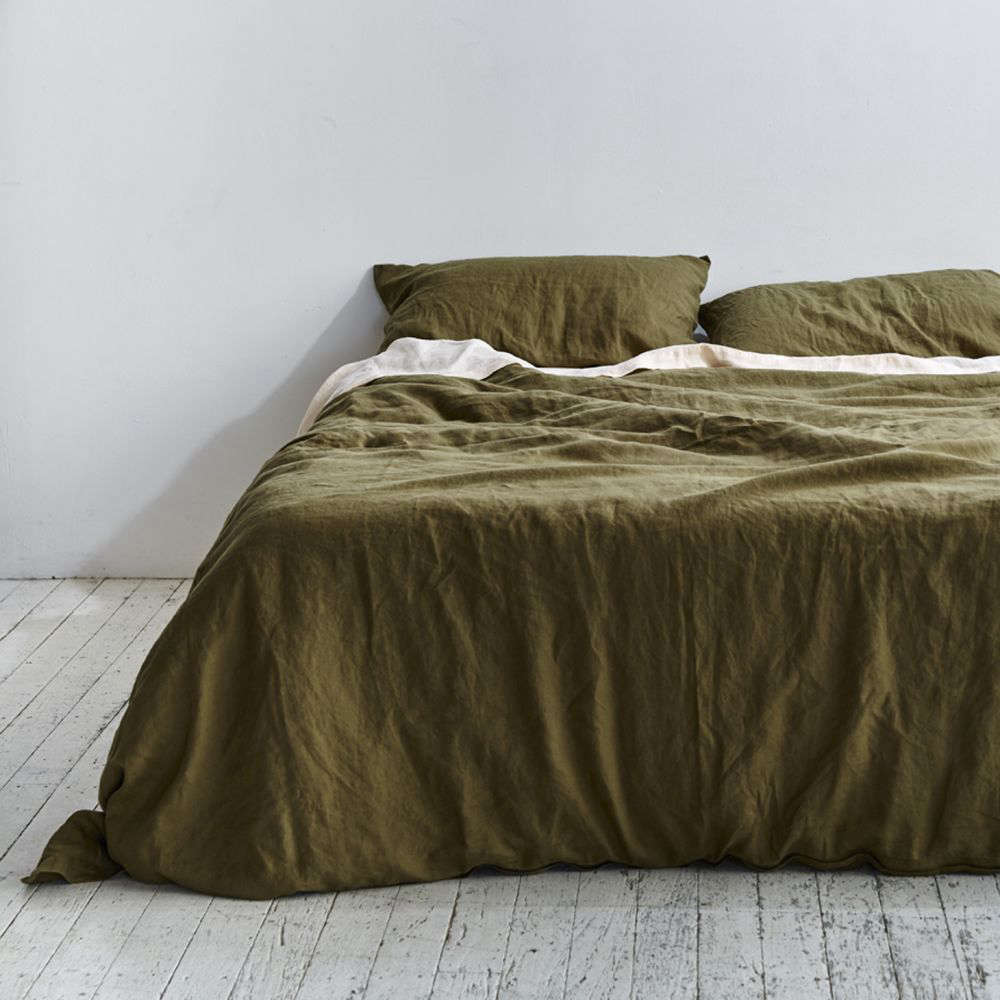
A 100% linen sheet set is the bedding equivalent of someone who says, “I just threw this on,” yet somehow looks effortlessly stylish. Linen is breathable, naturally textured, beautifully rumpled, and pleasantly unfussy. It will wrinkle. It may feel crisp when new. It usually costs more than basic cotton or microfiber. Nevertheless, a well-made set can reward that initial investment with excellent airflow, dependable durability, and a softer feel that develops through regular washing and use.
Pure linen bedding has become popular with hot sleepers, design lovers, and anyone tired of waking up tangled in clammy synthetic sheets. However, not every product with “linen” in its name is made entirely from linen. Some are cotton blends, some use rayon, and others merely offer a “linen-like” finishwhich is marketing language for “please do not inspect the fiber label too closely.”
This guide explains what genuine flax linen is, why people love sleeping on it, how to recognize quality, what drawbacks to expect, and how to wash your sheets without turning an expensive fitted sheet into a queen-size handkerchief.
Material and performance information synthesized from current bedding guidance and testing.
What Is a 100% Linen Sheet Set?
Linen is a natural textile made from fibers extracted from the stalk of the flax plant. A product described as 100% linen should contain linen fibers rather than a deliberate mixture of linen, cotton, polyester, viscose, or another material.
In the United States, most textile products must carry labels identifying their fiber content, country of origin, and the manufacturer or business responsible for the product. That makes the sewn-in label more trustworthy than dreamy product names such as “flax-inspired,” “linen touch,” or “European-style bedding.” Those phrases may describe a look or texture, but they do not prove that the sheets are pure linen.
A typical linen sheet set includes:
- One fitted sheet
- One flat sheet
- One or two pillowcases, depending on the size
Some companies sell a “core set” without a flat sheet, while others include extra pillowcases. Check the package contents before comparing prices. A bargain loses some sparkle when the top sheet you expected turns out to be an additional $90.
U.S. textile-labeling requirements support checking the sewn-in fiber and origin disclosures rather than relying on product names.
Linen, Flax Linen, and European Linen
“Flax” is the plant, while “linen” is the textile made from its fibers. Therefore, flax linen and linen generally refer to the same type of material.
Terms such as “European linen,” “Belgian flax,” or “French flax” may describe where the flax was grown, processed, or woven. They do not automatically guarantee that the finished sheets have a particular weight, softness, construction, or certification. Look for clear information explaining where the flax originated, where the fabric was woven, and where the bedding was sewn.
Stonewashed and Prewashed Linen
Stonewashed, garment-washed, and prewashed linen has been treated to produce a softer, more relaxed texture before it reaches your bedroom. This can reduce the stiff or dry feeling associated with brand-new linen.
Untreated linen may initially feel crisper, but it can soften significantly with washing. Neither option is automatically superior. The better choice depends on whether you want immediate softness or are comfortable allowing the material to break in gradually.
Why People Choose Pure Linen Sheets
Breathable Comfort for Hot Sleepers
Linen’s structure allows air to circulate through the fabric. It also handles moisture efficiently and tends to dry faster than dense bedding materials. These qualities make linen a popular choice for hot sleepers, humid climates, and warm summer bedrooms.
No sheet can lower the thermostat or stop a memory-foam mattress from retaining heat. Still, linen may feel less clingy and stuffy than tightly woven or synthetic bedding, especially when the room becomes warm overnight.
Useful in Every Season
Although linen is regularly marketed as summer bedding, it can work throughout the year. During warm weather, a flat linen sheet may provide enough coverage by itself. In colder months, it can be layered beneath a quilt, wool blanket, or duvet.
This balance can be especially helpful for couples with different temperature preferences. Linen feels substantial without necessarily trapping as much warmth as heavier, less breathable fabrics.
Strong Fibers and Long-Term Value
Flax produces long, strong fibers, giving quality linen bedding a reputation for durability. A properly constructed set can withstand frequent use and laundering while becoming softer rather than simply becoming thinner and sadder.
However, the words “100% linen” are not an invincibility spell. Extremely lightweight fabric, poor stitching, aggressive chemical treatments, overloaded washing machines, and high dryer temperatures can shorten the life of any sheet. Construction quality matters just as much as fiber content.
A Texture That Develops With Use
New linen often has a dry, crisp, or slightly coarse hand compared with cotton sateen, lyocell, or microfiber. After repeated washing, the yarns relax and the surface generally becomes softer and more flexible.
People who enjoy linen often describe its mature texture as airy, supple, and comfortably lived-in. Those who want slippery, hotel-style smoothness on the first night may prefer sateen or lyocell. There is no wrong preferenceonly the occasional expensive lesson learned after ignoring the return policy.
Relaxed, Naturally Wrinkled Style
Linen wrinkles easily because its fibers have relatively little elasticity. The creases are part of the material’s visual character rather than evidence that the manufacturer forgot to finish the job.
Its softly rumpled appearance works with coastal, farmhouse, minimalist, traditional, and modern bedrooms. You can iron linen for a sharper finish, although most owners eventually decide that pressing a king-size fitted sheet belongs on a list of activities best left to extremely patient professionals.
Laboratory and home evaluations commonly assess linen sheets for breathability, shrinkage, abrasion, softness, pilling, fit, and laundering performance.
How to Choose the Best 100% Linen Sheet Set
1. Confirm the Actual Fiber Content
Look for “100% linen” or “100% flax linen” on both the product page and the permanent label. Do not assume a product called a linen sheet set contains only linen.
A linen-cotton blend may feel smoother initially and cost less. A linen-viscose blend may have greater drape. These fabrics can be comfortable, but they will not perform or age exactly like a pure linen bedding set.
2. Do Not Obsess Over Thread Count
Thread count is not a particularly useful measure for linen because linen yarns are thicker and more irregular than the fine yarns typically used in cotton sheets. A linen fabric can have a comparatively low thread count while remaining strong, breathable, and luxurious.
When available, consider fabric weight, measured in grams per square meter or GSM. Lightweight linen feels airy and dries quickly. Medium-weight linen often balances airflow and durability. Heavier linen feels substantial but may take longer to dry.
There is no universal perfect GSM. Yarn quality, weave, finishing, stitching, and how the material performs after washing are equally important.
Bedding experts caution that thread count alone is not a reliable measure of sheet quality, particularly for linen with thicker yarns.
3. Measure Your Mattress and Topper
Measure from the bottom edge of the mattress to its highest point, including any padded protector or mattress topper. Compare that measurement with the fitted sheet’s stated pocket depth.
A sheet may technically reach the corners but still pop off if there is no extra room for tension and movement. Thick mattresses commonly require 15- to 18-inch pockets, although the correct size depends on your actual bed. Elastic running around the entire fitted sheet usually provides a more secure hold than elastic placed only at the corners.
4. Examine the Construction
Product photography should reveal more than an artfully rumpled bed beside a cup of coffee nobody is permitted to drink. Look for:
- Even, reinforced seams
- Strong elastic around the fitted sheet
- Clearly listed dimensions
- Generously sized pillowcases
- Envelope closures or deep pillowcase hems
- Consistent color and fabric density
A flat sheet should be long and wide enough for your preferred tuck. Pillowcases should fit without compressing the pillow or leaving one end dramatically exposed.
5. Understand Certifications
Third-party certifications can provide useful information about textile testing and manufacturing. For example, OEKO-TEX Standard 100 indicates that the certified article and its components have been tested against limits for numerous harmful substances.
Other labels may address flax traceability, responsible production, environmental management, or working conditions. Certification does not guarantee that a sheet will feel soft or last forever, but it can make certain safety or sourcing claims more verifiable. Check that a certification applies to the finished product rather than merely to one raw material.
OEKO-TEX Standard 100 applies testing criteria to textile components and uses stricter requirements for products with more intensive skin contact.
6. Review the Care and Return Policies
Most linen bedding is machine washable, but temperatures and drying instructions vary. Read the care label before buying to determine whether the recommended routine fits your household.
Also check expected shrinkage, warranty coverage, trial periods, and whether washed bedding remains returnable. Because linen texture is highly personal, a reasonable return window offers valuable protection.
Linen Sheets Compared With Other Materials
Linen vs. Cotton
Cotton is available in more textures and price ranges. Percale feels crisp and breathable, while sateen feels smooth and silky. Linen has a drier, more textured surface, a relaxed appearance, and strong airflow.
Cotton may be the safer option for someone seeking familiar softness. Linen suits sleepers who value natural texture, cooling performance, durability, and a casual look.
Linen vs. Microfiber
Microfiber is inexpensive, smooth, lightweight, and resistant to wrinkling. However, synthetic microfiber can feel warmer or retain odors for some sleepers. It does not provide the same dry, airy sensation as pure linen.
Microfiber can make sense for a tight budget or infrequently used guest bed. Linen is more likely to appeal to someone deliberately investing in natural-fiber bedding for regular use.
Linen vs. Lyocell
Lyocell sheets typically feel smooth, fluid, and cool against the skin. Linen feels more textured, structured, and matte. Both can suit warm sleepers, but they create noticeably different experiences: lyocell delivers polished softness, while linen offers breathable texture and a naturally rumpled finish.
How to Wash and Care for Linen Sheets
Always follow the manufacturer’s sewn-in care label. As a general routine, wash linen separately or with similarly colored lightweight bedding. Use cold or lukewarm water, a gentle cycle, and a modest amount of mild detergent.
Avoid stuffing the washer. Linen needs space to move and rinse properly. Overloading also twists sheets into an impressive damp rope that takes forever to untangle.
Unless the care label specifically permits it, avoid chlorine bleach and harsh optical brighteners. These products may weaken fibers or affect dyed fabric. Traditional fabric softener is generally unnecessary because linen softens naturally, while softener residue can coat the fibers.
Tumble dry on low and remove the sheets promptly, preferably while they remain slightly damp. Alternatively, line dry them when conditions allow. Excessive dryer heat can encourage shrinkage and unnecessary wear.
Shake each sheet before drying to prevent tight bundles. Store clean linen only after it is completely dry, preferably in a cool, ventilated closet away from prolonged sunlight and moisture.
Linen-care guidance commonly recommends mild detergent, cool or lukewarm water, gentle cycles, similar colors, low heat, and avoiding overloaded machines.
How Often Should Linen Sheets Be Washed?
Washing approximately once a week is a practical starting point for a regularly used bed. More frequent laundering may be appropriate for people who sweat heavily, sleep with pets, have allergies, use oily skin-care products, or have recently been ill.
Pillowcases may need changing more often because they collect facial oils, hair products, and makeup residue. Owning two sheet sets makes rotation easier and reduces the temptation to remake the bed with damp linen at 11:47 p.m.
General bedding-hygiene guidance recommends roughly weekly washing, with more frequent changes under certain household or health conditions.
Drawbacks You Should Expect
The most obvious drawback is cost. Producing linen involves multiple stages of growing, extracting, spinning, weaving, and finishing flax fibers. Quality linen bedding can therefore cost substantially more than entry-level cotton or synthetic sheets.
The second issue is texture. Even excellent linen may feel too coarse for someone who wants immediate silkiness. The third is wrinkling, followed by possible lint during early washes and shrinkage when laundering instructions are ignored.
Fitted sheets can also thin in high-friction areas. Heels, restless legs, rough skin, pets, and repeated rubbing against the mattress all contribute to wear. Rotating between sets, washing gently, avoiding high heat, and keeping sharp toenails away from expensive fabric may sound comically specific, but each habit can help.
Who Should Buy a Pure Linen Sheet Set?
A 100% linen sheet set is particularly suitable for:
- Hot sleepers
- People living in warm or humid climates
- Fans of natural fibers
- Shoppers who appreciate textured bedding
- Anyone who likes a relaxed, layered bedroom
- Buyers willing to invest in long-term use
It may be less suitable for someone highly sensitive to texture, determined to maintain wrinkle-free bedding, or shopping on the smallest possible budget. Cotton percale offers crisp breathability, cotton sateen provides smoother softness, and linen-cotton blends offer a compromise.
The best sheet is not necessarily the one with the highest price or fanciest origin story. It is the one that fits your mattress, survives your laundry routine, and makes you happy to climb into bed.
Experience Report: The First 30 Nights With Linen Sheets
The first night on a new 100% linen sheet set can be surprising. The fabric may feel crisp, dry, and slightly textured rather than fluffy or silky. This sensation is often most noticeable against the face and feet. A prewashed set should feel more relaxed, but it still will not behave like slick cotton sateen.
The visual transformation is immediate. Linen catches light beautifully, and its natural creases create a bed that looks comfortably styled rather than obsessively arranged. An ordinary duvet suddenly appears to belong in a design magazine, even when the pillow arrangement involved little more than tossing everything toward the headboard.
During the first week, temperature may become the most noticeable practical difference. A warm sleeper can find that linen does not cling as closely after a humid night. Air moves more freely when turning over, and moisture tends to disperse rather than remaining trapped against the skin.
A cold sleeper may initially worry that breathable bedding means chilly bedding. In practice, linen has enough substance to remain comfortable beneath a blanket or duvet. The overall result still depends on pajamas, room temperature, mattress materials, and additional layers. Sadly, no fitted sheet can single-handedly negotiate peace between a hot sleeper and a partner who collects blankets like rare stamps.
The first laundering cycle requires realistic expectations. Linen may release lint, develop dramatic wrinkles, and emerge from the washer looking as though it has spent an afternoon contemplating difficult poetry. Shaking every item before drying helps prevent tight bundles. Low heat or partial air-drying also protects the fibers and creates softer creases.
After the first wash, the set will often feel a little more flexible. Following several washes, the difference becomes clearer. Pillowcases drape more naturally, the flat sheet loses some initial stiffness, and the fabric begins to move comfortably with the body.
Fit is the detail most likely to improve or ruin the experience. A properly sized fitted sheet remains anchored and develops an attractive, softly rumpled surface. A shallow pocket causes nightly corner escapes. That is why measuring the mattress and any topper before purchasing matters far more than trusting an unexplained “deep pocket” label.
Pillowcase dimensions matter too. Generously cut cases allow pillows to retain their shape, while undersized cases compress the filling and strain the seams. Envelope closures can also help keep pillows covered during restless nights.
By the third or fourth week, linen begins to show why owners often describe it as a long-term relationship rather than an instant luxury. The sheets are not perfect. They wrinkle, may shed a little lint, and prefer respectful laundering. Yet the bed feels increasingly comfortable and less fussy.
The small creases stop looking messy. The texture becomes familiar instead of coarse. Repeated sleeping and washing gradually give the material a personal, broken-in quality that packaged softness cannot fully reproduce.
A realistic conclusion after 30 nights is that linen rewards appropriate expectations. It is not instant satin softness, maintenance-free microfiber, or bargain bedding. It is breathable, textured fabric that can improve as it ages. For someone who sleeps warm, enjoys natural materials, and likes a relaxed bedroom, quality linen can make conventional sheets feel oddly polished and overproduced.
Final Verdict
A 100% linen sheet set is worth considering when breathability, natural texture, durability, and relaxed style matter more than wrinkle-free perfection. Shop according to evidence rather than adjectives: verify the fiber label, measure your mattress, compare pocket depth, examine the stitching, review the care requirements, and investigate any certifications.
Once the sheets arrive, wash them gently, dry them at low temperatures, and give the fibers time to relax. The best linen bedding does not have to feel flawless on the first night. Its appeal lies in how it settles into daily lifecooler during sticky weather, comfortable beneath winter layers, softer after laundering, and better-looking when slightly rumpled.
In other words, linen is one of the rare household purchases that becomes more charming after you stop trying to make it behave.
Note: Construction and laundering requirements vary among manufacturers. Always follow the permanent care label and verify current dimensions, fiber content, certifications, return conditions, and warranty terms before purchasing.