

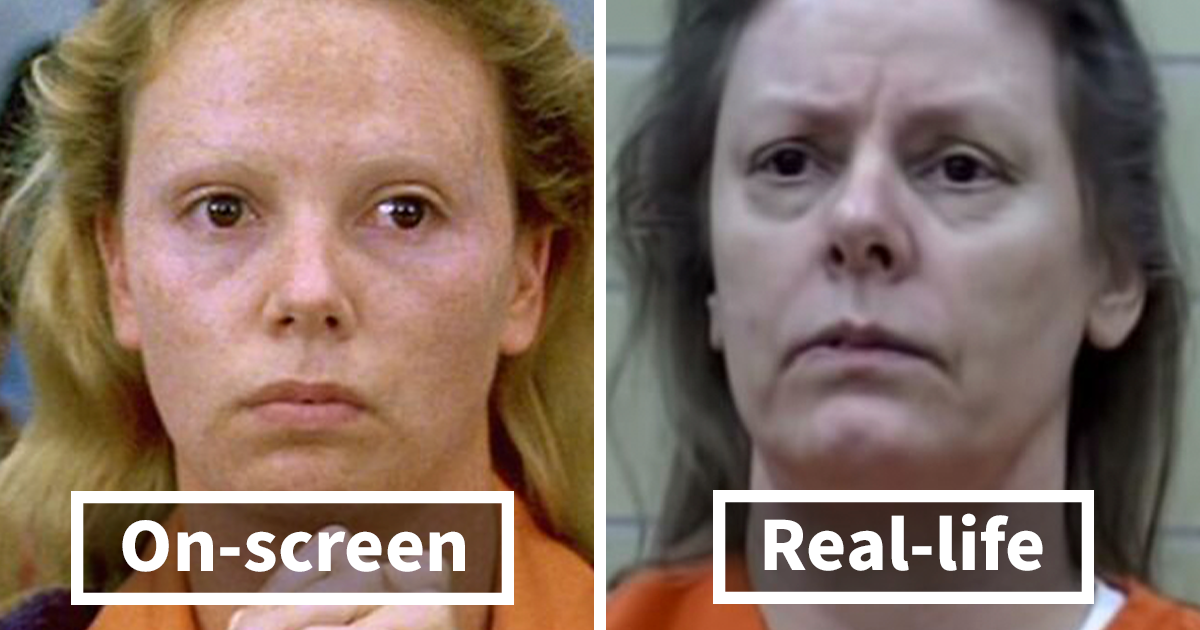
Movie history is full of magical transformations. Give an actor a carefully shaped wig, a convincing accent, several layers of prosthetic makeup, and apparently they can become a president, scientist, monarch, musician, or revolutionary before lunch.
Physical resemblance matters in a historical movie, but it is only part of the illusion. The most memorable portrayals also reproduce posture, speech patterns, facial expressions, clothing, and the small behavioral details that make a famous person recognizable. Film scholars and historians frequently note that successful biographical movies capture a subject’s presence rather than merely copying a photograph. They also warn that biopics compress events and simplify personalities, so an accurate-looking face does not automatically produce accurate history.
For people who lived before photography, “real life” comparisons rely on painted portraits, sculptures, sketches, written descriptions, and sometimes death masks. Those records may be idealized, so comparing them with a movie performance is more like historical detective work than facial-recognition software.
Presidents, Prime Ministers, and Political Leaders
1. Abraham Lincoln Daniel Day-Lewis in Lincoln
Alexander Gardner’s photographs show Lincoln with deep facial lines, prominent cheekbones, untidy hair, and the unmistakable chin beard. Daniel Day-Lewis reproduced those features without turning the president into a wax figure. His narrow face, slightly stooped posture, and weary expression closely resemble Lincoln during the final months of the Civil War. The actor also studied accounts describing Lincoln’s surprisingly high voice rather than giving him the thunderous movie-president rumble audiences might expect.
2. Mahatma Gandhi Ben Kingsley in Gandhi
Ben Kingsley’s physical transformation remains one of cinema’s most convincing. His shaved head, slender frame, wire-rimmed glasses, simple clothing, and carefully controlled movements closely match photographs of Gandhi. Yet the resemblance works because Kingsley also conveys Gandhi’s mixture of gentleness, humor, determination, and political steel. The performance won the Academy Award for Best Actor, while the film received seven additional Oscars.
3. Queen Elizabeth I Judi Dench in Shakespeare in Love
Portraits of Elizabeth I usually present an almost symbolic monarch: pale skin, bright red hair, stiff collars, pearls, and elaborate gowns. Judi Dench embraces that ceremonial image while giving the queen a sharp, amused intelligence. The facial resemblance is not exact, partly because royal portraits were heavily idealized, but the costume, makeup, commanding stare, and rigid posture instantly communicate Elizabethan authority. Dench needed only a few minutes of screen time to make the monarch feel as if she owned the entire theaterand possibly the parking lot outside.
4. Idi Amin Forest Whitaker in The Last King of Scotland
Forest Whitaker recreates Amin’s broad face, powerful build, military uniforms, expansive grin, and intimidating physical confidence. News footage shows that the Ugandan dictator could appear cheerful and charismatic before becoming threatening without warning. Whitaker captures that volatility, making his performance recognizable without relying solely on makeup. He studied archival footage, learned Swahili, and met members of Amin’s family while preparing for the role.
5. Margaret Thatcher Meryl Streep in The Iron Lady
Thatcher’s sculpted blond hair, formal suits, pearls, firm mouth, and controlled public gestures made her visually distinctive. Meryl Streep reproduces these details with impressive precision, particularly the slightly tilted head and unwavering eye contact Thatcher used in interviews. Aging makeup allows Streep to portray several periods of the former prime minister’s life, but her voice and posture do most of the heavy lifting. The handbag, naturally, deserves an honorary supporting-actor nomination.
6. Winston Churchill Gary Oldman in Darkest Hour
Gary Oldman naturally looks very little like Churchill, which makes the finished transformation especially remarkable. Prosthetic cheeks and jowls, a reshaped nose, thinning hair, carefully matched clothing, and the famous cigar turn the lean actor into Britain’s wartime leader. Oldman reportedly underwent the transformation 61 times and spent more than 200 hours in the makeup chair. His performance and the film’s makeup team both won Academy Awards.
7. Malcolm X Denzel Washington in Malcolm X
With narrow glasses, sharply styled hair, a trimmed mustache, and tailored suits, Denzel Washington bears a strong visual resemblance to Malcolm X. More importantly, he recreates the activist’s alert gaze, disciplined posture, and intense public-speaking rhythm. The film follows Malcolm through radically different stages of life, allowing Washington’s clothing, body language, and expressions to evolve along with the historical figure’s beliefs.
8. Martin Luther King Jr. David Oyelowo in Selma
David Oyelowo does not depend on an uncanny facial match. Instead, the carefully shaped hairline, mustache, period suits, measured gestures, and vocal cadence bring King into focus. Historical photographs often freeze the civil rights leader at monumental moments, while Selma shows him tired, uncertain, strategic, and surrounded by collaborators. The result feels human rather than like a moving memorial statue.
9. Nelson Mandela Idris Elba in Mandela: Long Walk to Freedom
Idris Elba is taller and more physically imposing than Mandela appeared in many later-life photographs, yet the resemblance improves through silver hair, aging makeup, formal clothing, and Mandela’s familiar warm smile. Elba’s performance follows the South African leader across decades, requiring subtle changes in movement and facial tension as youth, imprisonment, and political responsibility reshape him.
10. Napoleon Bonaparte Joaquin Phoenix in Napoleon
Napoleon lived before photography, so comparisons depend on painted portraits that often promoted a heroic political image. Joaquin Phoenix reproduces the dark hair, pale complexion, bicorne hat, military coats, and compact formal posture associated with the emperor. However, the actor portrays an older, gloomier Napoleon than the energetic young general seen in several famous paintings. The film also takes substantial dramatic liberties, proving once again that Hollywood and historical chronology are not always on speaking terms.
Royal Figures and Famous Public Personalities
11. Jacqueline Kennedy Natalie Portman in Jackie
Natalie Portman recreates Jacqueline Kennedy’s elegant bob, carefully arranged wardrobe, soft public smile, and breathy speaking voice. The resemblance becomes particularly strong when the film reproduces the first lady’s famous television appearances and the clothing associated with the days surrounding President Kennedy’s assassination. Portman also captures the contrast between Jackie’s composed public image and her private shock.
12. Queen Elizabeth II Helen Mirren in The Queen
Helen Mirren’s face is narrower than Elizabeth II’s, but hairstyling, sensible country clothing, pearls, glasses, and restrained expressions create a persuasive likeness. The performance succeeds through stillness: a small tightening of the mouth or a carefully delayed response communicates more than a dramatic speech. Mirren’s understated transformation earned her the Academy Award for Best Actress.
13. King George VI Colin Firth in The King’s Speech
Colin Firth resembles George VI through his parted dark hair, reserved bearing, formal evening clothes, and guarded facial expression. Newsreel footage presents the king as serious and uncomfortable under public scrutiny, qualities Firth reproduces without making him seem emotionally empty. The portrayal emphasizes vulnerability behind royal ceremony and won Firth the Academy Award for Best Actor.
14. Marie Antoinette Kirsten Dunst in Marie Antoinette
Surviving portraits depict Marie Antoinette with powdered skin, a long oval face, elaborate hair, and richly decorated gowns. Kirsten Dunst shares some of that youthful softness, although Sofia Coppola’s film deliberately creates a modern, playful version of the queen. The costumes are historically inspired, while the expressions, music, and attitude make her feel like a teenager trapped inside the world’s most expensive dress code.
15. Harvey Milk Sean Penn in Milk
Sean Penn closely reproduces Milk’s swept-back hair, prominent nose, expressive smile, and energetic manner of greeting people. Archival footage shows Milk speaking with warmth and theatrical enthusiasm, and Penn studied those recordings throughout his preparation. The performance avoids presenting the activist as permanently solemn, capturing the playfulness that made his political presence so engaging.
Artists, Writers, and Entertainment Icons
16. Virginia Woolf Nicole Kidman in The Hours
Nicole Kidman’s transformation became famous for its prosthetic nose, but the complete effect includes dark, loosely arranged hair, heavy clothing, minimal glamour, and a withdrawn gaze. Photographs of Woolf show a long, angular face and an introspective expression. Kidman’s makeup moves her appearance closer to the writer’s without preventing subtle facial acting.
17. Katharine Hepburn Cate Blanchett in The Aviator
Cate Blanchett captures Hepburn’s freckles, red hair, angular features, athletic walk, and confidently raised chin. She also reproduces the actor’s distinctive upper-class New England accent. Blanchett studied Hepburn’s early films and learned sports associated with her, including tennis and golf. The finished performance feels like Hepburn without slipping into a Saturday-night impersonation.
18. Frida Kahlo Salma Hayek in Frida
Salma Hayek’s dark eyes, strong brows, braided hair, traditional Mexican clothing, jewelry, and floral headpieces create an immediate visual connection to Kahlo’s self-portraits and photographs. Hayek appears more conventionally glamorous, but the film preserves the painter’s bold personal style and refusal to soften her appearance for social approval. The result demonstrates how wardrobe and attitude can be as important as facial structure.
19. Wolfgang Amadeus Mozart Tom Hulce in Amadeus
Painted portraits of Mozart show a slim young man with delicate features, powdered hair, and formal court clothing. Tom Hulce broadly matches that image, although the movie exaggerates Mozart’s childish energy and famously piercing laugh. The visual portrayal is intentionally theatrical, presenting the composer as both an elegant musical genius and the person most likely to be asked to leave a very expensive dinner party.
20. Howard Hughes Leonardo DiCaprio in The Aviator
Young photographs of Howard Hughes show dark, slicked hair, a long face, intense eyes, and carefully tailored clothing. Leonardo DiCaprio recreates the polished public image while gradually appearing more disheveled as Hughes’ obsessive behavior worsens. The facial match is respectable, but the transformation becomes most persuasive through nervous gestures, rigid routines, and increasingly isolated body language.
21. Edith Piaf Marion Cotillard in La Vie en Rose
Marion Cotillard shaved her eyebrows and altered her hairline while spending hours in makeup to portray Piaf at different ages. The singer was unusually small, with arched brows, a high forehead, expressive eyes, and a fragile late-life appearance. Cotillard changes her posture and muscle tension to suggest Piaf’s size and declining health, creating one of the most dramatic transformations in modern biographical cinema.
22. Julia Child Meryl Streep in Julie & Julia
Meryl Streep does not physically duplicate Julia Child, who was exceptionally tall, but camera angles, clothing, posture, and vocal work build an affectionate likeness. The curled hair, sensible blouses, animated hand gestures, and unmistakable high voice make the performance instantly recognizable. Streep captures Child’s enthusiasm without reducing her to a collection of cheerful kitchen noises.
23. Freddie Mercury Rami Malek in Bohemian Rhapsody
Rami Malek’s facial structure differs from Mercury’s, but prosthetic teeth, dark hair, the famous mustache, stage costumes, and carefully studied movements create a powerful screen likeness. During concert sequences, Malek reproduces Mercury’s chest-forward stance, raised fist, quick steps, and ability to command an enormous crowd. The performance earned him the Academy Award for Best Actor.
24. Judy Garland Renée Zellweger in Judy
Rather than burying Renée Zellweger beneath heavy prosthetics, the filmmakers used a custom wig, contact lenses, subtle facial adjustments, lipstick, veneers, and carefully imperfect eye makeup. Zellweger recreates Garland’s arched brows, expressive mouth, restless gestures, and emotionally exposed stage presence. The result resembles the older Garland while still allowing the actor’s own face to remain visible.
Scientists, Thinkers, and Modern Innovators
25. Stephen Hawking Eddie Redmayne in The Theory of Everything
Eddie Redmayne portrays Hawking across decades, gradually changing his posture, mobility, facial control, and speech as motor neuron disease progresses. Glasses, hair, clothing, and the physicist’s recognizable smile help establish the likeness, but the physical performance is the real achievement. Redmayne avoids treating Hawking’s condition as a costume and instead preserves the wit and alert intelligence visible in interviews.
26. Alan Turing Benedict Cumberbatch in The Imitation Game
Benedict Cumberbatch and Turing share a slender build and long facial shape, although the actor’s version is more polished than many surviving photographs. Neatly parted hair, restrained suits, and an intensely focused gaze bridge the remaining distance. The movie dramatizes aspects of Turing’s personality and wartime work, so the visual resemblance is more dependable than every scene in the screenplay.
27. J. Robert Oppenheimer Cillian Murphy in Oppenheimer
Murphy’s sharp cheekbones, pale complexion, thin frame, piercing eyes, and narrow face already resemble Oppenheimer’s later photographs. Add the wide-brimmed hat, tailored suit, cigarettes, and exhausted expression, and the visual connection becomes striking. Murphy’s stillness is especially effective; he often appears to be conducting a furious argument entirely behind his eyes. The performance won the 2024 Academy Award for Best Actor.
28. Steve Jobs Michael Fassbender in Steve Jobs
Michael Fassbender openly lacks Jobs’ close facial resemblance, particularly during the film’s early scenes. As the story progresses, glasses, facial hair, dark clothing, and the familiar black turtleneck strengthen the visual connection. The performance concentrates on Jobs’ clipped delivery, concentration, impatience, and ability to dominate a room. It is a useful reminder that recognizable behavior can outperform a perfect nose.
29. Muhammad Ali Will Smith in Ali
Will Smith trained extensively to approach Ali’s muscular build, boxing rhythm, quick footwork, and defensive movement. Their faces are not identical, but the physical confidence, playful smile, lowered guard, and rapid verbal delivery create a convincing impression. Smith also captures Ali’s ability to shift from comic boasting to political seriousness within seconds.
30. Jake LaMotta Robert De Niro in Raging Bull
Robert De Niro transforms twice in one film. As the younger LaMotta, he builds a fighter’s compact, powerful body and studies the boxer’s movement. To portray LaMotta later in life, he famously gained substantial weight, changing his face, breathing, posture, and pace. The result is not merely a visual before-and-after trick; it shows how years of violence and self-destruction altered the real man.
What These Comparisons Reveal About Historical Movies
The closest-looking performance is not always the most truthful one. Makeup can reproduce a hairline, nose, mustache, or pair of glasses, but it cannot explain why a person mattered. A convincing historical portrayal usually combines three separate achievements: physical resemblance, behavioral observation, and a screenplay that gives the actor enough complexity to play.
That distinction matters because audiences often remember the movie face more clearly than the historical one. Daniel Day-Lewis may become the mental image of Lincoln for viewers who have seen only a handful of actual photographs. Helen Mirren can quietly merge with the public memory of Queen Elizabeth II. After a successful biopic, history and casting begin sharing the same wardrobe.
There is also a difference between looking accurate and feeling accurate. Michael Fassbender does not strongly resemble Steve Jobs, yet his sharp delivery and relentless forward motion make the performance believable. Gary Oldman, by contrast, required an extraordinary physical transformation to become Churchill. Both approaches work because each actor identifies the feature audiences connect most strongly with the subject.
Still, viewers should treat every biopic as an interpretation rather than an illustrated textbook. Filmmakers combine characters, relocate conversations, simplify timelines, and invent private moments that no historian could possibly document. A perfectly copied hairstyle can sit on top of a scene that never happened. Historical cinema is excellent at reviving atmosphere, but it occasionally handles dates the way a cat handles objects on a table.
The Experience of Comparing Real Historical Faces With Movie Versions
Comparing a historical person with an actor’s portrayal changes the way a viewer watches a biographical film. At first, the process seems simple: place a photograph beside a movie still and decide whether the casting department deserves applause. Yet the longer you look, the more complicated the comparison becomes.
The first discovery is that familiar historical photographs are performances too. Presidents chose dignified poses. Monarchs approved flattering portraits. Musicians developed recognizable stage identities. Political leaders understood how clothing, lighting, and posture could shape public opinion long before social media invented the carefully accidental candid photograph. The “real” image may already be a manufactured public version of the person.
A useful comparison begins with several photographs from different periods. One image can be misleading because of age, lighting, camera technology, facial expression, or retouching. Abraham Lincoln looked different before the Civil War than he did near its conclusion. Judy Garland’s appearance changed dramatically across her career. Stephen Hawking’s physical condition evolved over decades. A movie portraying only one period should be judged against that period, not against the subject’s most famous photograph.
Next, watch what the actor does between the obvious moments. Costumes and makeup are easiest to notice when the performer stands still. The deeper transformation appears when the actor walks into a room, listens to another character, adjusts a sleeve, avoids eye contact, or pauses before speaking. These small behaviors often reveal whether the performance has moved beyond imitation.
Voice can also completely rearrange a viewer’s judgment. An actor who looks only moderately similar may become astonishingly convincing after reproducing the subject’s rhythm, pitch, breathing, and pronunciation. This is particularly important for figures such as Julia Child, Margaret Thatcher, Muhammad Ali, and Katharine Hepburn, whose voices were central to their public identities. Close your eyes during a scene, and the quality of the transformation may become even clearer.
Another revealing experience is watching archival footage immediately after the film. Sometimes the movie’s choices suddenly appear more accurate than expected. A gesture that seemed exaggerated may have come directly from an interview. At other times, the archival material exposes how much the actor or director intensified a personality for dramatic effect. Real people are frequently quieter, less polished, and less eager to deliver the perfect final line before leaving a room.
The comparison can also inspire curiosity about overlooked individuals. A viewer may begin with the fun question, “Do they look alike?” and finish by reading about civil rights, scientific discoveries, royal traditions, artistic movements, or political conflicts. That is one of the greatest benefits of a historical movie. Even when it bends facts, it can open a door to better sources and deeper understanding.
Ultimately, the best experience is not choosing a winner between the actor and the historical figure. They are doing different jobs. The real person lived a complicated life without knowing where the dramatic musical score would begin. The actor must compress that life into a performance audiences can follow. When physical resemblance, research, writing, and imagination align, the movie does not replace history. It makes viewers eager to meet the person behind the portrayal.
Conclusion
The most impressive movie portrayals of historical figures are not simply visual copies. They combine makeup, hairstyling, costume design, physical discipline, vocal work, and emotional interpretation. Some actors, including Daniel Day-Lewis, Ben Kingsley, Marion Cotillard, and Cillian Murphy, begin with a useful natural resemblance. Others, such as Gary Oldman and Nicole Kidman, rely on transformative makeup. Performers like Michael Fassbender prove that a limited facial resemblance can still produce a fascinating characterization.
These comparisons are entertaining, but they also reveal how easily cinema shapes public memory. A movie may introduce millions of people to a historical figure, making it important to appreciate the performance while remaining curious about the person who existed beyond the screenplay.