

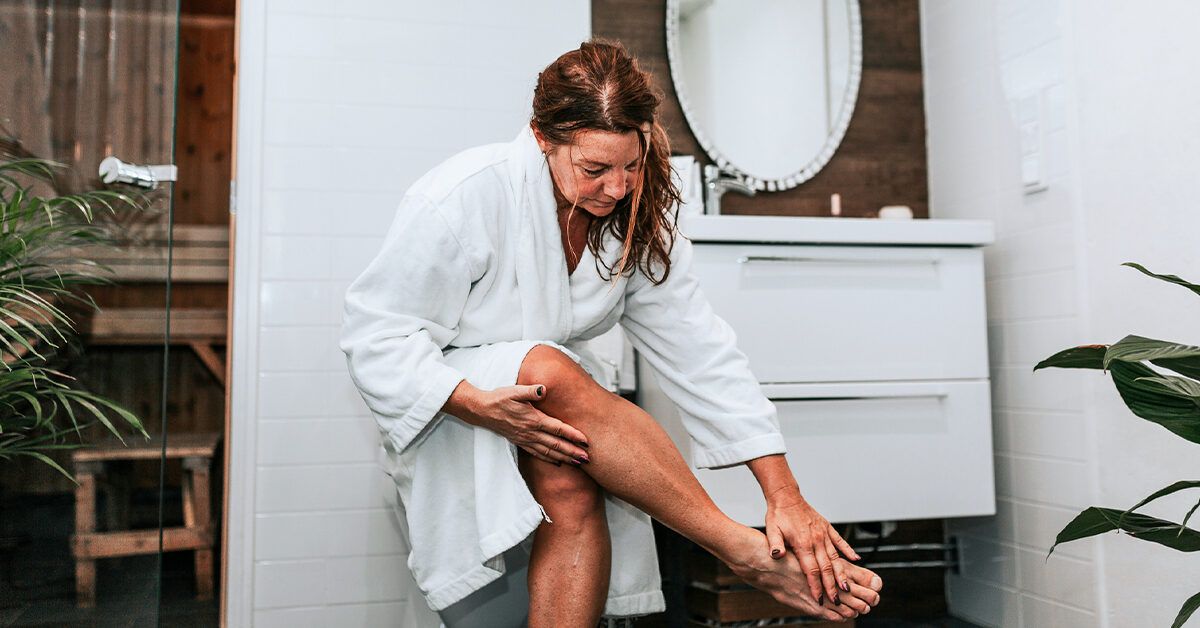
Eczema on the shins is one of those skin problems that looks simple until it starts acting like a dramatic roommate. One day your lower legs feel a little dry. The next day, they are itchy, flaky, red, brown, purple, scaly, cracked, or dotted with mysterious patches that seem to have formed a tiny protest group. Because the shins are exposed to friction, shaving, dry air, socks, detergents, sweat, and poor circulation, they are a surprisingly popular stage for eczema flare-ups.
The good news: shin eczema is usually manageable with the right skin-care routine, trigger control, and medical treatment when needed. The slightly annoying news: not every rash on the shins is the same type of eczema. Some patches are classic atopic dermatitis. Some are coin-shaped nummular eczema. Some are contact dermatitis from something touching the skin. Others may be stasis dermatitis, a lower-leg eczema linked to circulation problems. In other words, your shins may be telling a story, but they did not include subtitles.
This guide explains what eczema on shins can look like, why it happens, what you can do at home, when to call a dermatologist, and how to keep your lower legs from turning into a scratch-and-regret zone.
What Is Eczema on the Shins?
Eczema is a group of inflammatory skin conditions that can cause itching, dryness, rash, scaling, swelling, cracking, oozing, and thickened skin. When eczema appears on the shins, it affects the front part of the lower legs between the knees and ankles. This area has less natural oil than some other parts of the body, rubs against clothing, and is often exposed to shaving, weather, allergens, and minor bumps.
Shin eczema is not contagious. You cannot “catch” it from a towel, a gym bench, or your cousin who insists every rash is “probably from stress.” It develops when the skin barrier becomes irritated, inflamed, or unable to hold moisture properly. In people with eczema-prone skin, the outer layer of skin behaves like a brick wall with missing mortar. Moisture escapes, irritants sneak in, and the immune system starts ringing the alarm bell.
What Does Eczema on Shins Look Like?
Eczema on the shins can look different depending on your skin tone, the type of eczema, how long it has been there, and whether scratching has joined the party. On lighter skin, inflamed patches may appear pink or red. On darker skin, eczema may look brown, purple, gray, reddish-brown, or darker than the surrounding skin. It may also leave post-inflammatory hyperpigmentation after the itch calms down.
Common Signs and Symptoms
Typical symptoms of eczema on shins include:
- Dry, rough, flaky, or scaly skin on the lower legs
- Itching that may get worse at night
- Red, brown, purple, gray, or darker patches depending on skin tone
- Small bumps, tiny blisters, or crusted spots
- Coin-shaped patches, especially with nummular eczema
- Cracks or fissures that sting when lotion is applied
- Thickened, leathery skin from repeated scratching
- Burning or stinging sensations
- Oozing, crusting, or weeping during more severe flares
The classic clue is itch. Dry skin can feel tight or rough, but eczema often has that deep, persistent, “I know I should not scratch this but my hand has made other plans” kind of itch.
Types of Eczema That Can Show Up on the Shins
1. Atopic Dermatitis
Atopic dermatitis is the type many people mean when they say “eczema.” It is linked to a sensitive skin barrier and an overactive immune response. It often begins in childhood, but adults can have it too. On the shins, it may appear as dry, itchy, inflamed patches that flare with weather changes, sweat, stress, harsh soaps, or allergens.
2. Nummular Eczema
Nummular eczema is famous for its round or coin-shaped patches. On the shins, these patches may look like circular, scaly spots that itch or burn. They can be pink, red, brown, or purple and may crust or ooze. Because the spots can resemble ringworm, psoriasis, or other skin conditions, a dermatologist may need to confirm the diagnosis.
3. Contact Dermatitis
Contact dermatitis happens when your skin reacts to something that touches it. On the shins, common culprits include fragranced lotions, shaving creams, laundry detergents, fabric softeners, athletic socks, leg creams, poison ivy, nickel from razors, topical antibiotics, or even certain essential oils. “Natural” does not always mean “your skin will send a thank-you card.”
Irritant contact dermatitis may burn, sting, or look dry and cracked. Allergic contact dermatitis may be intensely itchy and can appear hours or days after exposure. If your shin rash started after switching products, wearing new compression socks, shaving with a new gel, or hiking through suspicious greenery, contact dermatitis deserves a spot on the suspect board.
4. Stasis Dermatitis
Stasis dermatitis is common on the lower legs and ankles, especially in adults with circulation problems, varicose veins, leg swelling, a history of blood clots, or long periods of standing. It happens when blood and fluid pool in the lower legs, creating pressure and inflammation in the skin.
Stasis dermatitis may cause swelling around the ankles, heaviness in the legs, itchy or scaly patches, thickened skin, brown discoloration, and sometimes open sores. If your shin eczema comes with swelling, varicose veins, or skin color changes around the ankles, it is worth getting medical advice rather than just buying a heroic tub of moisturizer and hoping for the best.
Why Eczema Appears on the Shins
The shins are vulnerable because they deal with dryness, friction, temperature changes, and daily wear. Common triggers include:
- Dry air: Winter weather and indoor heating can pull moisture from the skin.
- Hot showers: Hot water feels luxurious, but it can strip protective oils from the skin.
- Harsh soaps: Fragrance, dyes, and strong cleansers can irritate eczema-prone skin.
- Shaving: Razors can create micro-irritation, especially on already dry skin.
- Sweat: Sweat can sting and trigger itching, particularly under tight workout clothes.
- Friction: Jeans, leggings, socks, boots, and shin guards can rub the skin.
- Allergens: Plants, metals, preservatives, and fragrance ingredients may trigger contact dermatitis.
- Circulation issues: Poor vein function can contribute to stasis dermatitis.
- Scratching: Scratching damages the skin barrier and keeps the itch-scratch cycle alive.
How to Treat Eczema on Shins at Home
Mild shin eczema often improves with a consistent skin-care routine. The keyword here is consistent. Eczema enjoys chaos. Your skin prefers boring, predictable care.
Use a Thick, Fragrance-Free Moisturizer
Apply moisturizer at least twice a day, especially after bathing. Ointments and thick creams are usually better than light lotions because they seal in moisture more effectively. Look for fragrance-free products with ingredients such as petrolatum, ceramides, glycerin, dimethicone, or colloidal oatmeal. If your moisturizer smells like a tropical vacation, your eczema may file a complaint.
Take Short, Lukewarm Showers
Keep showers short and use lukewarm water. Hot water can worsen dryness and itching. Use a gentle cleanser only where needed, and avoid scrubbing the shins with rough cloths or exfoliating tools during a flare. After bathing, pat your skin dry and apply moisturizer while the skin is still slightly damp.
Avoid Fragrance and Harsh Products
Switch to fragrance-free laundry detergent and skip fabric softeners or scented dryer sheets. Choose gentle, fragrance-free shaving products if you shave your legs. Avoid using rubbing alcohol, hydrogen peroxide, lemon juice, baking soda scrubs, or random internet potions on eczema. Your skin barrier is already stressed; it does not need a chemistry fair.
Try Wet Wraps for Intense Dryness
For stubborn dryness and itching, wet wrap therapy may help. This usually involves applying moisturizer or prescribed medication, then covering the area with a damp layer and a dry layer. Because wet wraps can increase the absorption of topical medications, ask a health care provider how to do this safely, especially if you are using prescription steroid creams.
Stop the Itch-Scratch Cycle
Scratching brings short-term relief and long-term chaos. Keep nails trimmed, wear soft pajama pants at night, and use a cool compress when itching spikes. Some people find that gently pressing or tapping around the itchy area is less damaging than scratching. It may not feel as satisfying, but neither does explaining to your shin why it is bleeding at 2 a.m.
Medical Treatments for Eczema on Shins
If home care is not enough, a dermatologist or primary care provider may recommend medication based on the type and severity of eczema.
Topical Corticosteroids
Topical corticosteroid creams or ointments are commonly used to reduce inflammation and itching during flares. They come in different strengths. The lower legs can sometimes need a stronger medication than delicate areas like the face, but the right strength and duration should be guided by a clinician. Overusing strong steroids can thin the skin or cause other side effects.
Nonsteroid Prescription Creams
For some people, doctors may prescribe nonsteroid anti-inflammatory treatments such as topical calcineurin inhibitors, PDE-4 inhibitors, or other newer medications. These may be useful when eczema is chronic, recurring, or located in areas where long-term steroid use is not ideal.
Antibiotics or Antivirals for Infection
Eczema can become infected, especially after scratching. Signs of infection include increasing pain, warmth, swelling, pus, honey-colored crusting, red streaks, fever, or rapidly worsening redness. If infection is suspected, medical treatment may be needed. Do not try to “dry it out” with harsh products. Infected eczema needs actual care, not a motivational speech.
Treatment for Stasis Dermatitis
If shin eczema is related to stasis dermatitis, treatment may include compression stockings, leg elevation, movement, skin care, topical medicines, and evaluation of vein health. Compression should be used carefully and under medical guidance if you have circulation problems, diabetes, peripheral artery disease, or wounds.
What Else Could Look Like Eczema on Shins?
Not every shin rash is eczema. Conditions that may look similar include:
- Psoriasis: Often forms thicker, sharply defined plaques with silvery scale.
- Ringworm: A fungal infection that may form circular patches with clearer centers.
- Cellulitis: A bacterial infection causing warmth, swelling, pain, and spreading redness.
- Scabies: Intensely itchy bumps caused by mites, often worse at night.
- Allergic reaction: A rash from plants, medications, or topical products.
- Venous ulcers: Open sores linked to poor circulation, often near the ankles.
Because several conditions can imitate eczema, see a clinician if the rash is new, painful, spreading, one-sided with swelling, not improving, or associated with fever or open sores.
When to See a Doctor
Make an appointment with a health care provider or dermatologist if shin eczema does not improve after one to two weeks of gentle care, keeps coming back, interferes with sleep, bleeds, cracks deeply, oozes, or spreads. Seek urgent care if you notice fever, severe pain, rapidly expanding redness, red streaks, significant swelling in one leg, or signs of infection.
You should also get medical advice if you suspect stasis dermatitis. Lower-leg swelling, brown discoloration, varicose veins, and ankle heaviness are not just cosmetic issues. They can point to circulation problems that need proper management.
How to Prevent Shin Eczema Flare-Ups
Preventing eczema on shins is mostly about protecting the skin barrier and reducing triggers. Moisturize daily, even when the skin looks calm. Use gentle cleansers, avoid fragrance, choose breathable clothing, and rinse off sweat after exercise. In cold weather, apply a thicker moisturizer before bed. If shaving triggers flares, use a sharp clean razor, shave with a gentle cream, and moisturize afterward. If that still fails, consider trimming, waxing with caution, or simply embracing the “my shins are minding their business” lifestyle.
For people with stasis dermatitis, prevention may also include walking regularly, elevating legs when resting, wearing prescribed compression, and managing underlying vein or heart conditions. Movement helps the calf muscles pump blood upward, which is useful because gravity is very committed to its job.
Real-Life Experiences: Living With Eczema on Shins
People with shin eczema often describe it as a small problem that becomes surprisingly disruptive. The shins are not exactly glamorous real estate, but when they itch, crack, or burn, they demand attention. A common experience is the “winter shin flare,” where the air gets dry, showers get hotter, jeans get heavier, and suddenly the lower legs look like they have been lightly dusted with flour and bad decisions.
One practical lesson many people learn is that timing matters. Moisturizer works best when it becomes a habit, not a rescue mission. Applying a thick cream right after a shower can make a major difference because damp skin traps moisture more effectively. Waiting until the skin is already tight, itchy, and flaking is like watering a plant after it has started writing its will. It may still help, but earlier would have been better.
Another experience is discovering hidden triggers. Someone may blame “eczema season” for months before realizing the real villain is a new laundry detergent, scented body oil, wool socks, or shaving foam. Shin eczema can be sneaky because the trigger may touch only the lower legs. A person might tolerate a body wash elsewhere but flare on the shins after shaving. Another may react to elastic bands in socks or residue from fabric softener. Keeping a simple flare diary can help connect the dots: What touched the skin? What changed? Was there a new product, new clothing, workout, hike, or weather shift?
Clothing choices can also change the eczema experience. Tight leggings, rough denim, tall boots, and synthetic socks can rub inflamed skin all day. During a flare, soft breathable fabrics may reduce irritation. At night, lightweight pajama pants can create a barrier between fingernails and skin. This sounds minor until you wake up and realize you did not scratch yourself into a tiny crime scene.
People with darker skin tones often report a different challenge: eczema may not look “red,” so it may be overlooked or mistaken for simple dryness, dark spots, or irritation. After the flare improves, discoloration can linger, sometimes longer than the itch itself. This can be frustrating because the skin may feel better while still looking uneven. Gentle treatment, sun protection on exposed legs, and patience are important. Harsh brightening products or aggressive exfoliation can make irritation worse.
For those with stasis dermatitis, the experience can include swelling, heaviness, and aching after standing. The rash may not behave like ordinary dry eczema because circulation is part of the problem. Moisturizer helps the skin barrier, but leg elevation, compression when appropriate, walking, and medical evaluation may be just as important. In this case, the shins are not being dramatic; they may be reporting traffic problems in the vein department.
The biggest real-world takeaway is that eczema on shins usually improves with boring consistency. Gentle cleanser. Thick moisturizer. Fewer fragrances. Less scratching. Correct medication when needed. Medical help when symptoms suggest infection, circulation issues, or another diagnosis. It may not sound exciting, but eczema care is not trying to win a reality show. It is trying to make your skin calm enough to stop sending you angry notifications.
Conclusion
Eczema on shins can look like dry, itchy, scaly patches; coin-shaped spots; cracked skin; bumps; discoloration; or inflamed areas that vary by skin tone. The cause may be atopic dermatitis, nummular eczema, contact dermatitis, stasis dermatitis, or another condition that only looks like eczema. The best first steps are gentle cleansing, thick fragrance-free moisturizer, trigger avoidance, and resisting the scratch cycle as much as humanly possible.
If the rash is painful, spreading, oozing, infected-looking, linked with leg swelling, or not improving, it is time to involve a health care provider. Your shins may not be the most glamorous part of your body, but they carry you everywhere. They deserve better than guesswork, harsh soap, and a half-empty bottle of mystery lotion from 2019.