

White laundry has a special talent for documenting your life. A T-shirt remembers every cup of coffee you have ever carried too confidently, towels slowly turn the color of oatmeal, and pillowcases collect enough body oil to qualify as historical records. Fortunately, you do not always need chlorine bleachor a chemistry degreeto restore brightness.
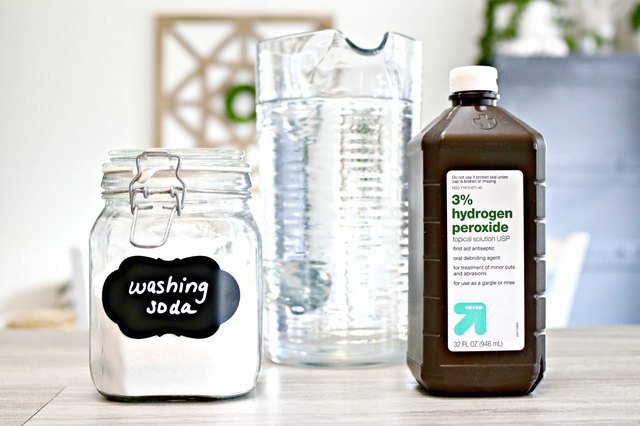
A homemade fabric whitener can help loosen residue, lift many organic stains, neutralize odors, and make detergent work more effectively. The most useful DIY formula combines washing soda with ordinary 3% hydrogen peroxide. Together, they create an oxygen-based whitening treatment that is gentler than chlorine bleach on many washable fabrics.
There is one important catch: homemade whitener should be prepared for immediate use, not mixed in a bottle and stored. Hydrogen peroxide gradually breaks down, especially when exposed to light, heat, contaminants, or an unsuitable container. Treat this recipe like pancake battermake it when needed, use it promptly, and do not save a mysterious jar of leftovers for next month.
What Does a Fabric Whitener Actually Do?
A fabric whitener is not white dye. It improves the appearance of fabric by removing or reducing the substances that make it look yellow, gray, or dull. Those substances may include body oils, detergent residue, minerals from hard water, food stains, perspiration, smoke, fabric-softener buildup, and soil that was never fully rinsed away.
Different whitening agents work in different ways:
- Hydrogen peroxide oxidizes many stain compounds, breaking them into smaller and less visible components.
- Washing soda raises the alkalinity of the wash water, helps soften hard water, and improves detergent performance.
- Baking soda is milder than washing soda and can help control odors and support detergent.
- Chlorine bleach is a stronger oxidizer that can whiten and disinfect certain materials but may damage dyes, elastic, wool, silk, and some synthetic fibers.
- Laundry bluing does not remove yellowing. It adds a tiny amount of blue pigment, making yellow-white fabric appear visually brighter.
The homemade formula in this guide is best described as a detergent booster and oxygen-style whitener. It can make dingy laundry noticeably brighter, but it cannot reverse permanent fiber damage, restore destroyed dye, or transform a beige shirt into a snow-white one.
Why White Fabrics Turn Yellow or Gray
Body oils and perspiration
Skin oils, deodorant, sweat, lotion, and hair products gradually collect in collars, cuffs, pillowcases, sheets, and underarm areas. If they are not fully removed, heat from the dryer can make the discoloration harder to treat.
Too much detergent
More detergent does not automatically produce cleaner clothes. In a washer that uses limited water, an oversized dose may fail to rinse completely. The remaining residue attracts soil and gives whites a stiff, gray appearance.
Hard-water minerals
Calcium, magnesium, iron, and other minerals can interfere with detergents or settle on fibers. Iron may cause rusty or yellow discoloration, while general mineral buildup can make laundry feel rough and look dull.
Mixed-color washing
Even colorfast garments can release tiny amounts of dye. Washing white shirts with pale blue towels may seem harmless, but repeated exposure can gradually turn brilliant white into “cloudy Tuesday afternoon.”
Overloading the washer
Clothes need enough room to move through water and detergent. A packed drum restricts cleaning action and rinsing, allowing loosened soil to settle back onto the fabric.
Excessive heat
Hot water can improve cleaning when the care label permits it, but high dryer heat may set stains or yellow some synthetic fabrics. Heat is useful, not magical. Apply it thoughtfully rather than treating every laundry problem like a frozen pizza.
DIY Oxygen-Style Fabric Whitener Recipe
This fresh, two-part formula is suitable for sturdy, washable white cotton, linen, and many washable synthetic fabrics. Always read the garment label and test an inconspicuous area before treating valuable or unfamiliar material.
Ingredients for one regular load
- 1/2 cup washing soda, also labeled sodium carbonate
- 1/2 cup fresh 3% hydrogen peroxide
- Your normal dose of quality laundry detergent
- Warm water, or the warmest temperature permitted by the care labels
For a small load or a high-efficiency washer, begin with 1/4 cup washing soda and 1/4 cup hydrogen peroxide. Check the washer manual before placing any additive in a dispenser. Do not exceed a dispenser’s fill line.
Equipment
- Measuring cup
- Nonmetallic measuring spoon or scoop
- Rubber or nitrile gloves
- Plastic bucket or basin for optional soaking
Step 1: Sort and inspect the laundry
Wash white items separately from colors. Check each care tag for water-temperature limits and bleaching symbols. Set aside wool, silk, leather, suede, acetate, embellished clothing, and anything labeled “do not bleach.”
Inspect stains before loading the washer. Grease, blood, rust, makeup, and dye transfer require different pretreatments. A general whitener may help, but it should not be expected to solve every stain in the known universe.
Step 2: Test questionable fabrics
Apply a drop of diluted 3% hydrogen peroxide to a hidden seam. Wait several minutes, rinse, and allow the area to dry. Do not continue if the fabric fades, changes texture, or develops a lighter spot.
Step 3: Add the washing soda
For a traditional top-loading washer, add washing soda as the machine fills so it can dissolve before the clothes begin washing. For a front-loading or high-efficiency machine, follow the manufacturer’s directions for powdered boosters. Some machines permit powder in the drum, while others direct it to a particular compartment.
Step 4: Add detergent
Measure detergent according to the load size, soil level, water hardness, and product label. Do not automatically use extra detergent because the laundry looks dirty. Correct dosing usually cleans better than enthusiastic pouring.
Step 5: Add the hydrogen peroxide separately
Pour the hydrogen peroxide into the washer’s designated bleach dispenser when the manual allows non-chlorine bleach there. If the machine has no appropriate dispenser, dilute the peroxide in several cups of water and add it to the wash water according to the appliance instructions.
Do not pour concentrated peroxide directly onto dry garments. Do not combine the washing soda and peroxide in a closed bottle, and do not store the mixture.
Step 6: Run the appropriate cycle
Use the warmest water safe for every item in the load. Warm water helps dissolve powdered products and remove oily soil, but cold water is preferable for blood and some protein stains. Select a normal or whites cycle unless the care labels require gentler treatment.
Step 7: Inspect before drying
When the cycle ends, examine stained areas while the fabric is still damp. Repeat the treatment if discoloration remains. Avoid machine drying until stains are gone, because heat can make some marks more difficult to remove.
How to Use the Whitener as a Presoak
A presoak gives the whitening ingredients more time to work on gray towels, yellowed cotton sheets, and washable white shirts.
- Fill a plastic bucket or basin with one gallon of warm water.
- Dissolve two tablespoons of washing soda in the water.
- Add two tablespoons of 3% hydrogen peroxide.
- Submerge the washable white items completely.
- Soak for 30 minutes, checking delicate-looking fabric sooner.
- Drain the solution and wash the items with detergent.
For severe dullness, a longer soak may help sturdy cotton, but repeated shorter treatments are often safer than one heroic overnight experiment. Never soak garments in a metal bucket, and keep the container out of reach of children and pets.
A Gentler Baking Soda Whitener
Washing soda is more alkaline than baking soda. When a garment is washable but you want a milder booster, use baking soda instead.
Gentle formula for routine brightening
- 1/2 cup baking soda
- Your usual laundry detergent
- Warmest water allowed by the care label
Add the baking soda to the empty washer drum or wash water before loading the clothes. Use this method for routine maintenance, odor control, or lightly dull laundry. Baking soda does not bleach fabric as aggressively as an oxidizing whitener, but it can improve washing conditions and help detergent remove the film hiding the original brightness.
Treating Common Problems
Yellow underarm stains
Rinse the area with cool water, work a small amount of enzyme-containing liquid detergent into the stain, and let it sit for about 15 minutes. Soak the shirt in the diluted homemade whitener, wash it, and air-dry for inspection. Old antiperspirant buildup may require several treatments.
Gray towels
Wash towels separately, reduce the detergent dose, skip fabric softener, and use the homemade whitener. Fabric softener can coat absorbent fibers, making towels less absorbent and more likely to hold residue.
Dingy bed sheets
Pretreat visible body-oil areas, use a sufficiently long cycle, and avoid crowding the washer. Washing soda can be especially helpful where mineral buildup or oily residue is contributing to the gray appearance.
Blood stains
Begin with cold water. Hot water may set the protein in blood. Rinse from the back of the stain, apply enzyme detergent, and wash only after much of the mark has loosened. Hydrogen peroxide can lighten blood on white or colorfast fabric, but it should still be tested first.
Rust stains
Do not automatically treat rust with chlorine bleach. Chlorine can intensify certain rust discolorations. Use a fabric-safe rust remover according to its label, or consult a professional cleaner for valuable textiles.
Dye transfer
Rewash the affected white items immediately and do not dry them first. A commercial color remover may work more reliably than a general homemade whitener when loose dye is the main problem.
Fabric Compatibility Guide
| Fabric or Item | Recommended Approach |
|---|---|
| White cotton towels and sheets | Generally suitable for the full formula when care labels permit |
| White linen | Test first and avoid excessive soaking or heat |
| White polyester | Use a reduced amount and moderate water temperature |
| Colored or patterned fabric | Test for colorfastness; use a commercial color-safe product when uncertain |
| Spandex or elastic garments | Use a mild oxygen-based product only if permitted by the care label |
| Wool and silk | Avoid washing soda and improvised whitening treatments |
| Leather or suede | Do not use; seek specialist cleaning advice |
| Vintage or heirloom textiles | Consult a textile conservator or professional cleaner |
Important Safety Rules
Never mix the formula with chlorine bleach
Chlorine bleach should not be casually combined with other cleaning products. Never add vinegar, ammonia, toilet cleaner, rubbing alcohol, or an unknown stain remover to a chlorine-bleach solution. Dangerous gases or irritating compounds may form.
Keep vinegar and hydrogen peroxide separate
Do not combine hydrogen peroxide and vinegar in the same container. The mixture may form peracetic acid, which can irritate the skin, eyes, and respiratory system. Either product may be used in an appropriate, separate laundry step, but they should not become roommates in a DIY bottle.
Use only household-strength peroxide
This guide refers to standard 3% hydrogen peroxide. Do not substitute concentrated industrial, salon, laboratory, or food-processing peroxide.
Wear gloves and ventilate the room
Washing soda is alkaline and can irritate skin. Hydrogen peroxide may also irritate skin or eyes. Wear gloves, avoid splashing, and keep the laundry area ventilated.
Keep ingredients in their original containers
Store peroxide in its original opaque bottle because light accelerates decomposition. Keep washing soda dry and clearly labeled. Never transfer laundry chemicals into beverage bottles or food containers.
Why the Recipe May Not Work the First Time
If the results are disappointing, the recipe may not be the real problem. Consider these common causes:
- The peroxide is old: An opened bottle loses strength over time, especially if stored in heat or light.
- The washer is overloaded: Cleaning solution cannot circulate properly.
- The water is too cold: Washing soda and powdered detergent may not dissolve completely.
- The fabric contains permanent discoloration: Heat damage, optical-brightener loss, or fiber degradation cannot simply be washed away.
- The stain needs specialized treatment: Rust, grease, ink, and dye transfer respond to different chemistry.
- The washer needs cleaning: Residue in the drum, gasket, dispenser, or filter can redeposit soil and odor.
How to Keep White Laundry Bright
- Separate bright whites from colors and heavily soiled items.
- Treat stains as soon as practical.
- Measure detergent instead of pouring by instinct.
- Leave enough room for clothes to circulate.
- Use the warmest water permitted by the care labels.
- Run an extra rinse if residue remains.
- Clean the washing machine regularly.
- Skip heavy fabric-softener use on towels and athletic clothing.
- Dry whites in sunlight occasionally when the material allows it.
- Store clean textiles in a cool, dry, ventilated location.
Experience-Based Lessons From Real Laundry Situations
The most important practical lesson is that “white” is not one fabric category. A white cotton bath towel can tolerate treatment that would leave a white silk blouse looking like it had survived a small domestic rebellion. The color may be the same, but the fibers, finishes, stitching, elastic, and decorations are not. Reading the label is less exciting than pouring ingredients into a bucket, yet it prevents most laundry disasters.
Another common experience is expecting one wash to reverse several years of buildup. Gray towels often contain detergent residue, fabric softener, body oil, minerals, and soil all at once. The first treatment may improve the smell and texture more than the color. A second wash with less detergent and an extra rinse may produce a bigger visual improvement than doubling the whitener. Laundry frequently rewards patience more than chemical enthusiasm.
White T-shirts with yellow underarms provide a useful example. Applying a strong whitening solution immediately may lighten the surrounding cotton while leaving the waxy antiperspirant deposit largely intact. Pretreating with enzyme detergent first usually gives the peroxide better access to the discoloration underneath. The order of operations matters: remove the greasy barrier, oxidize the remaining stain, wash thoroughly, and inspect before drying.
Hard-water households may notice that washing soda produces a more dramatic result than peroxide alone. This does not necessarily mean the fabric was deeply stained. Mineral interference may have been preventing the detergent from doing its job. Once the wash water is better conditioned, the detergent can suspend soil instead of allowing it to cling stubbornly to the fibers like a guest who has ignored several hints that the party is over.
It is also worth comparing wet and dry fabric carefully. White textiles often look brighter when damp because water changes how light passes through the fibers. Judge the final result only after the item is fully dry. For an accurate comparison, place the treated garment beside an untreated item under natural daylight rather than warm indoor lighting.
Overnight soaking is another area where experience encourages restraint. Long soaking can help sturdy cotton, but more time is not always more effective. Delicate stitching, prints, elastic, and certain finishes may weaken or fade. A 30-minute soak followed by inspection is a safer starting point. The treatment can always be repeated; damaged fibers cannot be politely asked to return to their original condition.
Sun drying can provide a modest finishing boost for white cotton sheets, cloth diapers, and towels. Sunlight may help fade some remaining organic discoloration, while outdoor drying reduces energy use and leaves fabric smelling fresh. However, prolonged sunlight can weaken fibers and fade colored trim, so the goal is a reasonable drying period, not an archaeological exposure experiment.
Finally, the best homemade fabric whitener is often a prevention routine. Washing whites promptly, using the correct detergent dose, skipping unnecessary softener, cleaning the washer, and treating stains before drying can preserve brightness far more effectively than an occasional rescue soak. A DIY whitener is a useful supporting actor, but good laundry habits remain the star of the show.
Final Thoughts
Making your own fabric whitener does not require chlorine bleach or a cabinet full of exotic ingredients. Washing soda and 3% hydrogen peroxide can create an effective fresh-use treatment for many washable white fabrics. The washing soda supports detergent and helps address mineral or oily buildup, while hydrogen peroxide gently oxidizes many stains and yellow residues.
Use the ingredients separately in the washer, prepare only what you need, test unfamiliar fabrics, and follow every care label. When whitening does not solve the problem, investigate water hardness, detergent buildup, stain type, washer cleanliness, and drying habits. Sometimes the secret to whiter laundry is not a stronger potionit is simply giving detergent enough water, time, and elbow room to do its job.
Note: This homemade whitener is intended for general household laundry care, not textile conservation, professional stain restoration, or disinfection. Results vary by fabric, water quality, stain history, washer design, and product concentration. Follow appliance manuals and ingredient labels, and consult a professional cleaner for valuable, vintage, or delicate items.