

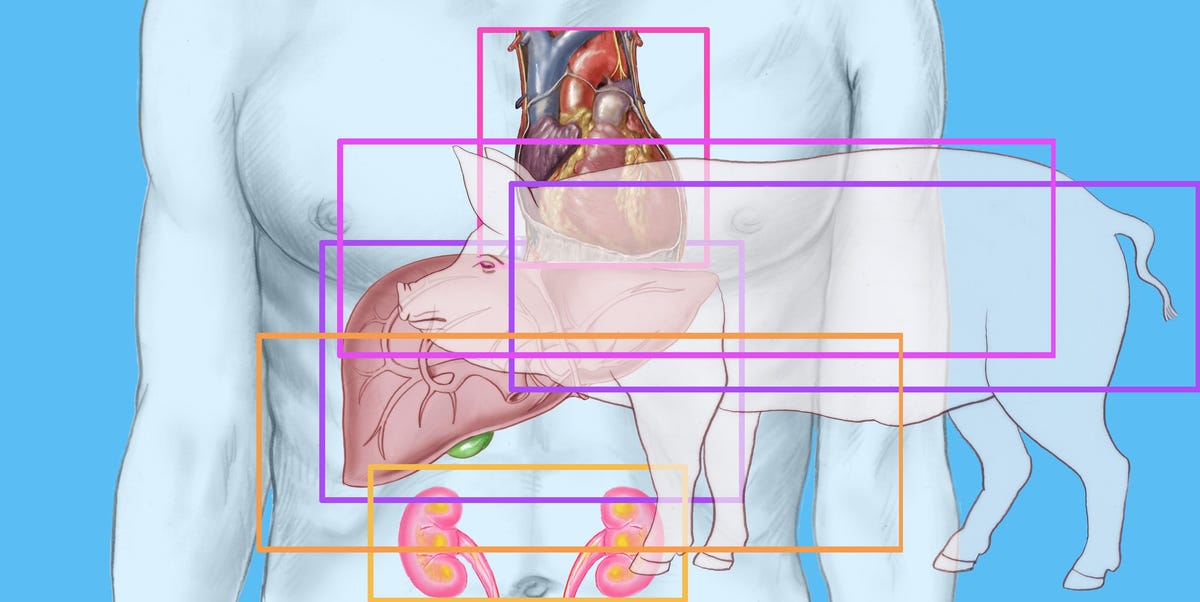
For a brief stretch of early 2022, modern medicine did something that sounded like science fiction: a man lived with a gene-edited pig’s heart beating inside his chest. Then, just two months after the historic operation, the recipientDavid Bennett Sr.died. [1]
That arcbreakthrough, hope, losscan feel emotionally whiplash-y. But in transplant science, “firsts” are rarely neat Hollywood endings. They’re more like the first wobbly airplane hop at Kitty Hawk: short, shaky, and still proof that flight is possible. Bennett’s case didn’t “solve” the organ shortage. What it did do was open a door, show what’s technically feasible, and force hard questions about safety, ethics, and what comes next for xenotransplantation (animal-to-human organ transplants).
A Short Timeline That Changed Transplant History
Here’s the timeline that made headlinesand then reshaped them:
- January 7, 2022: Surgeons at the University of Maryland Medical Center transplant a genetically modified pig heart into David Bennett Sr., who had end-stage heart disease and no standard transplant options. [1]
- January–February 2022: The transplanted heart functions for weeks, with doctors closely monitoring for rejection, infection, and organ performance. [2]
- Early March 2022: Bennett’s condition deteriorates.
- March 8, 2022: Bennett dies at the hospital, after physicians and family conclude he will not recover. [1]
If you’re thinking, “Two months doesn’t sound like a lot,” you’re not wrong. But in xenotransplantation, surviving weeks to months without immediate catastrophic rejection is a major signal. It suggests the biological barriersonce considered nearly insurmountableare getting chipped away by gene editing, better immunosuppression, and improved screening of donor animals.
Why This Transplant Happened in the First Place
Bennett wasn’t chosen because he had the “perfect profile.” Quite the opposite. He was critically ill, with terminal heart disease, and he was not eligible for a traditional human heart transplant. In that context, the pig heart was not a “cool new option”it was a last option. [1]
This is where compassionate use (also called expanded access) matters. When a patient has a life-threatening condition and no satisfactory alternatives, regulators may allow an experimental treatment outside a clinical trial. That’s how this surgery moved from the lab to the operating room. [1]
It’s also where the ethics get real. When someone is desperate, consent needs to be rock-solid: not just “sign here,” but “do you truly understand what ‘unknown risks’ means when the unknowns include rejection, infection, and outcomes nobody can fully predict?” The medical team had to balance innovation with responsibilitywhile the whole world watched.
What “Genetically Modified Pig Heart” Actually Means
Let’s translate the phrase “genetically modified pig heart” into normal-people language.
The human immune system is basically a bouncer at an exclusive club. A normal pig heart shows up wearing the wrong wristband and gets tossed out immediately. Historically, that “tossing out” was hyperacute rejectionfast, violent, and usually fatal for the organ.
The donor pig used for Bennett’s heart had multiple genetic modifications intended to reduce that immediate immune attack and help the organ function in a human body. In broad terms, the strategy includes:
- Removing key pig genes that create molecular “flags” humans commonly recognize as foreign (including sugar molecules on cells that trigger rapid immune reactions). [3]
- Adding certain human genes that help regulate immune activation, inflammation, and clottingthree issues that can doom a transplanted organ even when classic rejection seems controlled. [3]
- Disabling a growth-related gene so the pig heart doesn’t continue growing once implanted (because nobody wants their new heart to outgrow their ribcage). [3]
This wasn’t a “mystery pig.” These donor animals are raised under strict biosecurity and screened to reduce the risk of transmitting infections. That screening is a major theme in what scientists say they learned afterward. [2]
So… Why Did the Heart Ultimately Fail?
The most honest answer is: there likely wasn’t one single villain. Transplant failures are often a messy pile-uplike a traffic jam made of immune signals, inflammation, infection risk, medication side effects, and the patient’s underlying health.
In post-procedure analyses, the Maryland team described weeks of function without typical signs of acute rejection, suggesting the genetic and medication strategy did something right. [2] But “no classic rejection” doesn’t mean “everything is fine.” It can still mean:
- Subtle immune injury that doesn’t look like textbook rejection at first.
- Clotting and vessel issues that are especially tricky in xenotransplantation.
- Infection and inflammation amplified by powerful immunosuppressive drugs.
- Patient fragilitybecause someone sick enough for compassionate use is often sick enough that any complication hits harder.
Researchers have also discussed the possibility that a pig virus (porcine cytomegalovirus/porcine roseolovirus) may have contributed to inflammation and organ dysfunction. It’s typically framed as a potential contributor rather than a proven single causeexactly the kind of nuance that makes headlines groan and scientists nod. [5]
What Medicine Learned From Bennett’s Case
Even when a first-in-human experiment ends in death, it can still generate valuable knowledgeif teams study it rigorously and share what they learn.
1) Viral screening isn’t optional “extra credit”
Xenotransplantation doesn’t only face rejection; it faces zoonotic risk (animal-to-human infection). The focus on pig virus detection intensified after Bennett’s case, pushing the field toward tighter screening and more conservative donor selection. [5]
2) “Rejection” is broader than one lab value
Xenografts can fail through immune pathways that don’t behave exactly like human-to-human transplants. That’s why researchers emphasize monitoring not just for classic rejection markers, but also inflammation and clotting-related signals that can be uniquely challenging across species. [2]
3) Compassionate use is not a shortcutit’s a spotlight
When a treatment is experimental, every decision becomes part of a public story: patient selection, consent, ethics oversight, and transparency about outcomes. Compassionate use doesn’t lower the barit raises it, because the “trial” is being run in the court of public trust.
The Bigger Picture: Xenotransplantation After the First Pig Heart
Bennett’s transplant didn’t happen in a vacuum. It happened because the organ shortage is relentlessand because the current system leaves many people waiting, suffering, or dying before help arrives.
In the United States, more than 100,000 people are waiting for an organ transplant at any given time, and the need is especially severe for kidneys. [6] This gap between supply and demand is why researchers keep pushing the xenotransplantation frontier.
After Bennett, the field continued moving:
- Second pig heart transplant (2023): The University of Maryland performed another genetically modified pig heart transplant in Lawrence Faucette, who lived about six weeks before the organ began failing from rejection and he ultimately died. [7]
- First living recipient of a gene-edited pig kidney (2024): Massachusetts General Hospital transplanted a genetically edited pig kidney into Richard “Rick” Slaymanan enormous step because kidneys are the largest area of unmet transplant need. [8]
- Trials and broader momentum (2025): Multiple institutions moved from “exceptional one-off cases” toward structured clinical trial pathways, reflecting growing confidence that the science can be tested systematically. [10]
If the pig heart was the proof-of-possibility moment, pig kidney programs are increasingly the proof-of-scalability conversationbecause the kidney waitlist is massive, and dialysis is a long, punishing bridge that not everyone can survive.
Why Hearts Are Harder Than Kidneys
Here’s a blunt reality: you can live (with hardship) on dialysis while researchers adjust strategy after a kidney transplant complication. If a heart transplant fails, there’s often no backup plan. That difference makes cardiac xenotransplantation both higher stakes and harder to iterate safely.
That’s one reason many experts expect kidneys to be the first xenotransplant “product” to reach broader clinical useif the data support it. It’s not that hearts matter less; it’s that hearts give you less room for trial-and-error. (And transplant medicine hates trial-and-error. It prefers “trial-and-carefully-controlled-trial.”)
Common Questions People Ask
Is xenotransplantation safe now?
It’s safer than it used to be, but it’s still experimental. The fact that recipients have survived weeks to months is meaningful, yet long-term safety and durability are exactly what clinical trials must establish. [10]
Will people need lifelong anti-rejection drugs?
For now, yesimmunosuppression remains central. Researchers are exploring ways to reduce that burden over time, but today’s xenotransplants still require careful immune management, and that comes with infection risk.
Could animal viruses jump to humans?
That risk is a major reason donor pigs are raised in controlled environments, screened extensively, and engineered in some programs to reduce viral concerns (including work to inactivate certain pig retroviruses). [8]
Are there ethical concerns beyond patient safety?
Yesanimal welfare, consent in desperate circumstances, equitable access (who gets these organs first?), and transparency about outcomes. Xenotransplantation isn’t just a medical question; it’s also a values question.
What to Watch Next
If you’re trying to understand where this goes after Bennett, watch for:
- Clinical trial designs that clearly define patient eligibility, endpoints, and long-term follow-up requirements. [10]
- Improvements in gene-editing strategiessome programs use a modest number of edits, while others use dozens, depending on the philosophy and the risks they’re trying to reduce. [12]
- Better infection surveillance and standardized screening protocols for donor animals. [8]
- More “learning cases”including compassionate use recipients who volunteer knowing the outcome may benefit future patients more than themselves.
In other words: less hype, more data. That’s the path from “first” to “repeatable.”
The Human Side: What Patients, Families, and Teams Experience (Extended)
It’s easy to talk about xenotransplantation like it’s a technology storyCRISPR, gene edits, immune pathways, lab breakthroughs. But the people inside these stories aren’t acronyms. They’re families staring at a hospital bed, clinicians juggling hope and caution, and patients who have lived long enough with chronic illness to know the difference between “promising” and “proven.”
For many transplant candidates, life becomes a schedule of limitations. Heart failure can shrink a world down to a few steps without breathlessness. Kidney failure can mean dialysis multiple times a week, fatigue that feels like you’re carrying a backpack full of wet cement, and constant planning around machines, transportation, and strict diet rules. Waiting is not passive; waiting is work.
That’s why compassionate-use xenotransplant cases often involve a specific emotional cocktail: fear, relief, skepticism, and stubborn determination. The fear is obviousthis is experimental. The relief is real toobecause when doctors say, “There are no standard options left,” a person doesn’t hear a medical sentence; they hear a deadline. Skepticism shows up as questions families ask in the quiet moments: “If this was really ready, wouldn’t it already be a normal procedure?” And determination… that’s the part where a patient decides to step into the unknown anyway.
Families often describe these moments as surreal: the consent discussions feel bigger than any ordinary decision. There’s paperwork, yes, but more than that there’s the psychological weight of being “the first.” People don’t just worry about whether the patient will survive. They worry about whether the patient’s story will be used respectfully. They wonder how strangers on the internet will talk about their loved one. They ask whether “brave” is a compliment or a label that hides how scared everyone is.
On the clinical side, transplant teams experience a different kind of intensity. These aren’t just high-risk surgeriesthey’re high-visibility surgeries. Every lab value is scrutinized. Every infection concern becomes urgent. Every medication tweak feels like adjusting the engine while the plane is still in the air. Doctors and nurses also carry a quieter burden: they’re trying to do something new without letting “new” become “reckless.” That balance is exhausting.
And then there’s the strange, honest truth that many pioneers share in medicine: even if the outcome is not what the world hoped for, patients and families can still find meaning in the attempt. Some families speak about timeextra days, extra conversations, a chance to say things that might not have been said otherwise. Some patients want to contribute to research, even if they don’t get to benefit from it personally. It’s not a fairy tale ending. It’s a human one.
The most respectful way to view Bennett’s story isn’t as a headline that “failed.” It’s as a chapter in a long, difficult project: building a future where “waiting for an organ” doesn’t feel like waiting for a miracle. That future is not guaranteed. But it’s being assembled piece by pieceby scientists in labs, surgeons in operating rooms, and patients willing to try what has never been tried before.
Conclusion
The death of the first recipient of a genetically modified pig heart transplant was heartbreakingand scientifically consequential. Bennett’s case proved that a gene-edited pig heart could function in a human body for weeks, buying time and generating data that no animal study can fully replicate. [1]
The long-term promise of xenotransplantation remains the same: easing a crushing organ shortage and giving patients options when none exist. The short-term reality is also clear: this is still experimental medicine, moving forward through careful study, ethical oversight, and incremental learning. If the next decade brings success, it will be because the field treated early cases like Bennett’s not as publicity wins, but as lessons that demanded humility, transparency, and relentless improvement.