

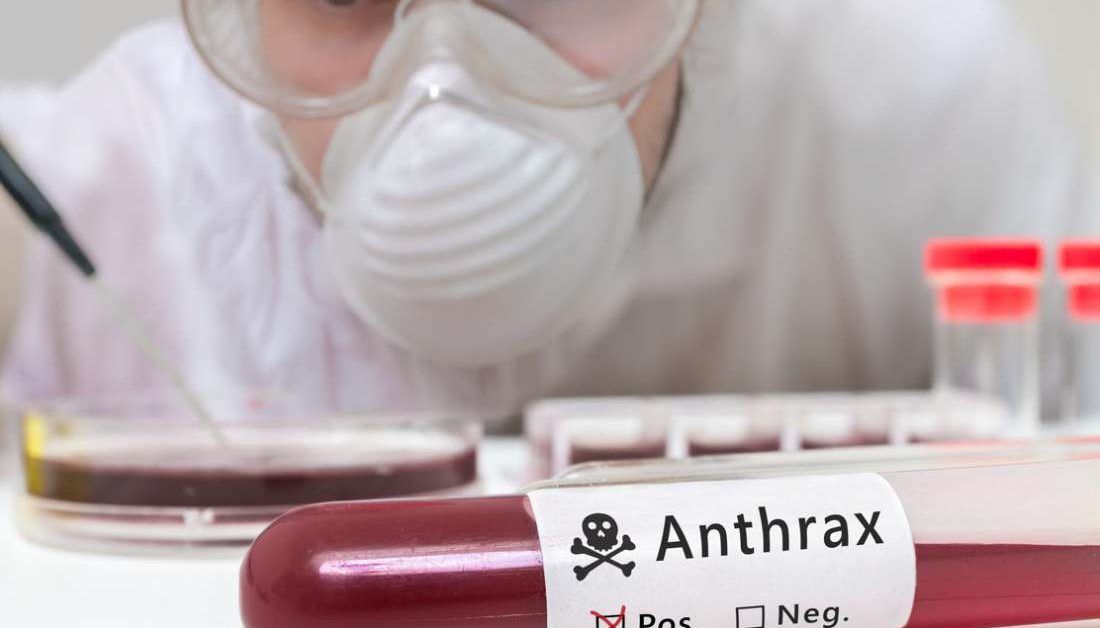
Anthrax may sound like something from a disaster movie or a very loud concert poster, but it is a real bacterial disease that deservesyday risk is very low. But for people who work with livestock, animal products, laboratory materials, or a confirmed contamination event, recognizing anthrax symptoms quickly can be lifesaving.
The encouraging news is that anthrax is treatable and preventable. The less cheerful news is that some forms can become severe quickly if treatment is delayed. This guide explains what causes anthrax, how it spreads, who is at risk, what symptoms to watch for, and how medical professionals treat and prevent it.
What Is Anthrax?
Anthrax is an infectious disease caused mainly by Bacillus anthracis, a bacterium that can form spores. Spores are the bacteria’s survival mode: tough, dormant forms that can remain in the environment for a long time and become active again under the right conditions.
Once spores enter the body, they can turn into active bacteria and release toxins. Those toxins are a major reason anthrax can cause serious swelling, tissue damage, shock, and life-threatening illness.
Anthrax mainly affects animals, especially grazing livestock and wild hoofed animals. Humans usually become infected through contact with infected animals, contaminated animal products, or spores in a high-risk setting. It is not spread like a cold, flu, or stomach bug.
Anthrax Causes: How People Become Infected
Anthrax does not usually happen because someone walked through a park or touched ordinary soil. Human infection generally requires a meaningful exposure to spores from infected animals, contaminated materials, or a known public-health event.
Cutaneous anthrax: Infection through the skin
Cutaneous anthrax develops when spores enter through a cut, scrape, or other break in the skin. This can occur after handling infected animals, carcasses, wool, hides, hair, bone meal, or other contaminated animal products. It is the most common form of anthrax worldwide.
Inhalation anthrax: Breathing in spores
Inhalation anthrax occurs when spores are breathed into the lungs. Historically, it has been associated with work involving contaminated wool, hides, or animal products. It is the deadliest form because it can begin with vague flu-like symptoms and then progress to severe breathing problems and shock.
Gastrointestinal anthrax: Eating contaminated food
Gastrointestinal anthrax can occur after eating raw or undercooked meat from an infected animal. It may affect the throat, stomach, or intestines. This form is rare in the United States but can occur where animal disease control and food inspection are limited.
Injection anthrax: Deep tissue infection
Injection anthrax is a rare but severe infection linked to injection of contaminated drugs. It can cause serious swelling, bruising, deep tissue infection, fever, and bloodstream infection. Unlike skin anthrax, it may not create the classic black-centered sore.
Can anthrax spread from person to person?
Anthrax is not generally considered contagious from person to person. You do not catch it by sitting near someone, sharing a room, or touching everyday surfaces. The concern is exposure to spores from the original animal, material, or contamination sourcenot a chain of ordinary human transmission.
Who Is Most at Risk for Anthrax?
Most people will never encounter anthrax. Risk becomes higher when work, travel, or hobbies involve close contact with animals, animal products, or laboratory materials that may contain spores.
- Veterinarians, ranchers, farmers, and livestock workers.
- People who handle hides, wool, hair, bone meal, or animal carcasses.
- Laboratory workers who handle Bacillus anthracis.
- Certain military members, emergency responders, and public-health workers.
- Travelers handling animals or undercooked meat in regions where anthrax is more common.
- People exposed during a confirmed contamination or bioterrorism event.
Buying leather shoes, gardening in a normal backyard, or eating inspected and well-cooked meat does not automatically make someone high-risk. Exposure risk depends on the source, the setting, the type of contact, and whether officials have identified a credible threat.
Anthrax Symptoms: Four Forms, Different Warning Signs
Anthrax symptoms can appear within days of exposure, although inhalation anthrax may take longer. Early symptoms can be nonspecific, which makes exposure history especially important. Telling a clinician that you handled an ill animal, worked with raw hides, or were involved in a laboratory incident can change the entire medical evaluation.
Symptoms of cutaneous anthrax
Skin anthrax often begins with an itchy bump or small group of blisters that may resemble an insect bite. It can then develop into a usually painless open sore with a black center, known as an eschar. Significant swelling around the sore is common.
A black skin lesion is not automatically anthrax. Other conditions can cause dark sores or scabs. However, a suspicious lesion combined with relevant animal or workplace exposure should be assessed urgently.
Symptoms of inhalation anthrax
Early inhalation anthrax can feel like a respiratory virus. Symptoms may include fever, chills, fatigue, headache, body aches, cough, chest discomfort, nausea, and vomiting.
As illness worsens, a person may develop shortness of breath, severe chest pain, heavy sweating, confusion, dizziness, or shock. Anyone with these symptoms after a plausible exposure needs emergency medical care. This is not a “wait until Monday” situation.
Symptoms of gastrointestinal anthrax
Gastrointestinal anthrax may cause sore throat, painful swallowing, neck swelling, fever, nausea, vomiting, abdominal pain, bloating, diarrhea, or bloody diarrhea. Severe disease can lead to dehydration, shock, and infection spreading through the body.
Symptoms of injection anthrax
Injection anthrax may cause extreme swelling, bruising, redness, abscesses, or deep tissue infection near an injection site. Fever, nausea, breathing problems, and signs of severe infection may appear. Because this form can spread beneath the skin, it requires immediate hospital evaluation.
When to seek urgent medical help
Seek emergency care immediately after a credible anthrax exposure, especially if symptoms develop after handling a sick or dead animal, processing animal products, working near a laboratory incident, or receiving an official public-health exposure notice.
Urgent warning signs include trouble breathing, chest pain, confusion, fainting, severe abdominal pain, rapidly worsening swelling, fever after a high-risk exposure, or a suspicious skin sore combined with animal or occupational contact.
How Doctors Diagnose Anthrax
Doctors diagnose anthrax by combining exposure history, symptoms, physical findings, and laboratory testing. Depending on the suspected form, clinicians may test fluid or tissue from a skin lesion, blood, stool, or other appropriate samples.
Chest imaging, including X-rays or CT scans, may be used when inhalation anthrax is suspected. Public-health laboratories are often involved because safely identifying Bacillus anthracis requires specialized procedures.
If anthrax is strongly suspected, medical teams may begin treatment before every laboratory result is complete. That is not reckless. It is standard emergency thinking: when a disease can worsen quickly, prompt treatment can save lives.
Anthrax Treatment: Antibiotics, Antitoxins, and Hospital Care
Anthrax is a bacterial infection, so antibiotics are central to treatment. The exact medication plan depends on the form of anthrax, severity of illness, age, pregnancy status, allergies, and whether the infection may involve a deliberate release.
Treatment for skin anthrax
Uncomplicated cutaneous anthrax may be treated with oral antibiotics under medical supervision. When treatment begins early, outcomes are generally very good. However, severe swelling, systemic symptoms, or infection involving the head and neck may require hospital-level care.
Treatment for severe anthrax
Inhalation, gastrointestinal, injection, and systemic anthrax usually require hospitalization. Patients may receive intravenous antibiotics, multiple antibiotic medications, close monitoring, fluids, respiratory support, drainage procedures, surgery, or intensive care.
Why antitoxin may be used
Anthrax bacteria can release toxins that continue damaging the body even after antibiotics begin killing the bacteria. In severe cases, doctors may add an anthrax antitoxin to help block toxin activity. Antitoxin supports treatment, but it does not replace antibiotics or critical care.
Post-exposure prophylaxis
People exposed to anthrax but not yet sick may be offered post-exposure prophylaxis, often called PEP. This can involve antibiotics for an extended period because spores may stay dormant before becoming active.
In some confirmed exposure situations, public-health officials may also recommend anthrax vaccination alongside antibiotics. Do not self-start leftover antibiotics because of a rumor, a social-media post, or a mystery speck of dust. The right treatment depends on whether there was a real exposure in the first place.
Anthrax Prevention: Practical Steps That Matter
Anthrax prevention is targeted, not paranoid. The goal is to reduce real exposure risks without treating every outdoor activity like a biological thriller.
- Do not handle suspicious animal carcasses. Contact a veterinarian, agricultural authority, or public-health agency if an animal dies suddenly in a potentially affected area.
- Use workplace protection. Gloves, protective clothing, respiratory safeguards, hygiene procedures, and incident reporting are essential for high-risk jobs.
- Use reputable animal-product suppliers. Businesses handling imported hides, wool, or similar materials should follow inspection and certification requirements.
- Cook meat thoroughly. Avoid meat from animals that were ill, died unexpectedly, or were not properly inspected.
- Get vaccinated only when appropriate. Anthrax vaccination is not routine for the general public. It is intended for certain adults with occupational or emergency-response risk.
- Follow official emergency guidance. In a confirmed exposure event, public-health agencies will provide instructions about antibiotics, vaccines, testing, and follow-up.
Anthrax and Bioterrorism: Prepared, Not Panicked
Anthrax is part of emergency-preparedness planning because spores can persist in the environment and because the disease has been used maliciously in the past. The 2001 U.S. mail attacks showed that anthrax can be used as a weapon, but they also demonstrated why coordinated public-health action matters.
A suspicious powder is not automatically anthrax. Avoid touching, shaking, sniffing, or trying to clean up an unknown substance yourself. Step away, limit contact, and report it through local emergency channels. Follow official instructions rather than relying on rumors or social-media speculation.
Experiences and Lessons From Real-World Anthrax Risk Situations
The following examples are illustrative learning scenarios based on recognized anthrax exposure settings. They are not individual patient case reports.
A rancher learns when not to touch is the best decision
Imagine a rancher finding a cow that died suddenly in an area where livestock disease has been reported. The natural instinct may be to inspect the animal, move the carcass, or salvage what can be used. In a possible anthrax situation, that can create unnecessary exposure for people, pets, livestock, and the environment.
The safer response is less dramatic but far more useful: keep people and animals away, contact veterinary or agricultural authorities, and let trained professionals guide testing and disposal. This experience teaches an important lesson: preventing anthrax often starts with animal health. Protecting livestock workers also protects families, neighboring farms, and food supplies.
An artisan discovers that sourcing matters
A leather craftsperson or drum maker may work with natural hides because of their texture, history, and character. That appreciation should include an unglamorous but vital question: where did this material come from, and was it properly inspected?
Raw or poorly documented animal materials can carry risks that finished, regulated consumer goods generally do not. The lesson is not to fear every leather product. It is to use reputable suppliers, keep sourcing records, wear appropriate protective equipment during processing, and take illness seriously after a high-risk exposure.
A laboratory worker learns that reporting is a strength
In a laboratory, a damaged glove, spill, or accidental aerosol event can feel embarrassing. Some workers may hesitate to report it because they do not want to interrupt operations or appear careless. In a possible anthrax exposure, prompt reporting is exactly the right move.
Reporting allows supervisors, occupational-health staff, and public-health experts to assess the event, arrange monitoring, and decide whether preventive treatment is needed. The best time to respond is before symptoms begin, not after a small workplace incident becomes a medical emergency.
An emergency clinician listens for the one detail that changes everything
Fever, cough, fatigue, nausea, and body aches are extremely common symptoms. Most cases are not anthrax. But the clinical picture changes when a patient says, “I handled a sick animal,” “I worked with an uninspected hide,” or “I was involved in a lab incident.”
That information can lead to the right tests, faster treatment, consultation with infectious-disease specialists, and coordination with public-health authorities. The takeaway for patients is simple: do not assume a detail about work, travel, animals, or unusual materials is irrelevant. It may be the most important sentence you say during the appointment.
A community learns the power of specific information
Public-health rumors travel quickly. A vague report about a white powder, a sick animal, or an unusual skin sore can become a neighborhood emergency in a few group-chat messages. The useful response is not panic. It is specific information: What is known? Who may have been exposed? Which symptoms need medical care? Where should people get official guidance?
Clear communication lowers both medical risk and unnecessary fear. Anthrax preparedness is not about living on high alert. It is about recognizing credible exposure, acting early, and allowing trained public-health systems to do the job they were built to do.
The Bottom Line on Anthrax
Anthrax is rare for most people in the United States, but it deserves respect because delayed treatment can be dangerous. Infection can occur when spores enter through the skin, lungs, digestive tract, or, rarely, an injection site.
The most useful takeaway is practical: know your real exposure risk, avoid handling sick or dead animals and unverified animal products, use workplace protections, and seek medical care immediately after a credible exposure or concerning symptoms. Antibiotics, vaccines, antitoxins, and intensive care can save lives, but treatment must be selected quickly by qualified medical and public-health professionals.