

Note: This article was written for web publication and synthesized from reputable U.S.-based health, nutrition, supplement-testing, and brand information sources, including NIH Office of Dietary Supplements, FDA-related supplement guidance, USP, NSF, Healthline, Verywell Fit, Verywell Health, Good Housekeeping, and current manufacturer product pages.
Shopping for the best multivitamin for women in 2026 can feel like walking into a tiny pharmacy run by a very enthusiastic alphabet. Vitamin A waves from one bottle, B12 shouts about energy, vitamin D promises bone support, and iron quietly says, “Hey, menstruating people, we should talk.” Meanwhile, gummy vitamins are trying to convince everyone they are candy with a college degree.
The truth is less sparkly but much more useful: a women’s multivitamin is not magic, it is not a replacement for vegetables, and it will not cancel out a week of iced coffee and emergency crackers. What it can do is help cover common nutrient gaps when your diet, life stage, schedule, food preferences, or health needs make perfect nutrition unrealistic. According to the NIH Office of Dietary Supplements, multivitamin/mineral formulas are usually designed to provide many vitamins and minerals in amounts that do not exceed daily values or recommended intakes, and formulas often vary by age, sex, pregnancy status, and life stage.
For women, the most important nutrients to watch often include vitamin D, calcium, folate, iron, iodine, vitamin B12, magnesium, zinc, and omega-3s. The NIH also notes that supplements may help people get enough essential nutrients when they do not eat a nutritious variety of foods, but supplements cannot replace the full benefits of a healthy eating pattern.
How We Chose the Best Women’s Multivitamins for 2026
The best multivitamin for women is not necessarily the most expensive bottle, the prettiest label, or the one with a name that sounds like a yoga retreat in Malibu. A smart choice should match real needs: age, menstruation status, pregnancy plans, diet type, pill tolerance, ingredient transparency, third-party testing, and whether the formula avoids unnecessary megadoses.
For this 2026 guide, the strongest options were selected based on four practical standards: credible nutrient formulation, brand transparency, third-party testing or verification where available, and usefulness for different types of women. Verywell Fit’s 2026 vitamin brand review emphasizes independent verification, transparent sourcing, research-backed dosages, and ingredient quality as major factors when evaluating supplements.
Third-party testing matters because dietary supplements are regulated differently from prescription drugs. The NIH explains that the FDA does not determine whether dietary supplements are effective before they are marketed. NSF says supplement certification helps verify that products contain the ingredients listed on the label and are tested for harmful levels of contaminants. USP verification similarly evaluates submitted supplements for quality, identity, purity, potency, and manufacturing practices.
The 7 Best Multivitamins for Women in 2026
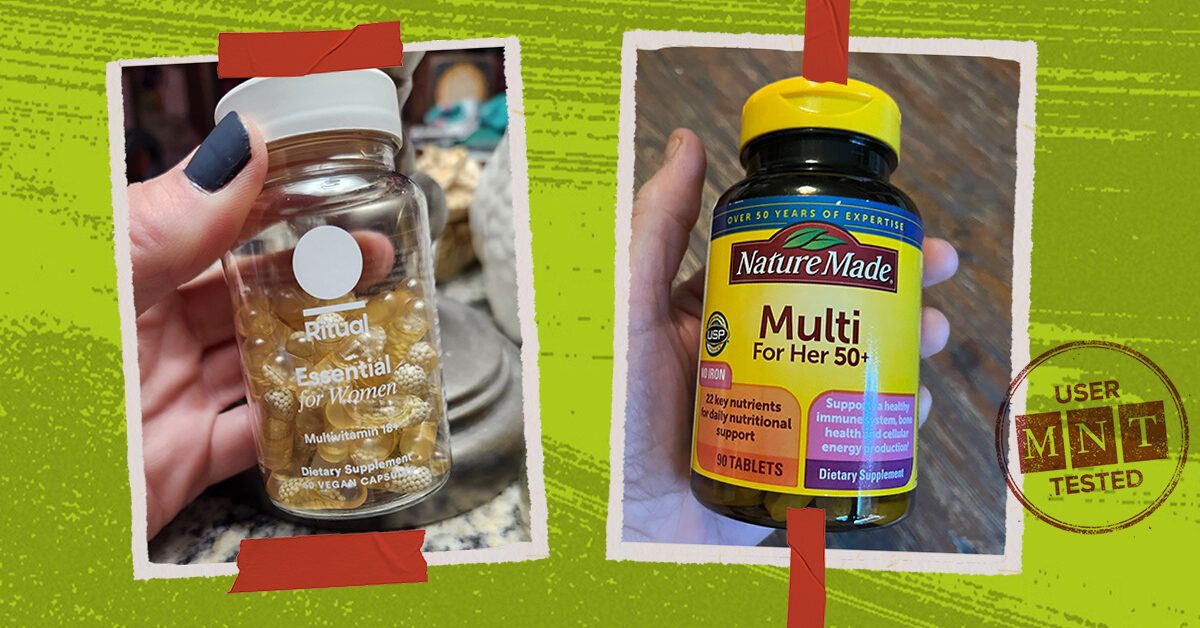
1. Nature Made Multi for Her Women’s Multivitamin Tablets Best Overall Value
Best for: Women who want a straightforward, affordable, once-daily multivitamin with broad nutrient coverage.
Nature Made Multi for Her earns the top overall value spot because it does what many women actually need: provides a broad nutrient base without asking your wallet to join a support group. Healthline’s 2026 review selected Nature Made Multi for Her as its best overall women’s multivitamin, noting that it is inexpensive, USP verified, and contains 23 nutrients important for women’s health.
The manufacturer states that this once-daily tablet contains 23 key nutrients, including calcium and iron, and is formulated to support women’s health and general wellness. Nature Made also states that USP has tested and verified the product’s ingredients, potency, and manufacturing process.
Why it stands out: It is easy to find, budget-friendly, and suitable for women who want a reliable “nutritional safety net” without subscribing to a monthly supplement plan. The iron content may be helpful for some menstruating women, though women who do not need iron should check with a clinician first.
Possible downside: Tablets are not everyone’s favorite. If swallowing pills makes you feel like you are negotiating with a tiny brick, a gummy or capsule option may be more comfortable.
2. Ritual Essential for Women 18+ Best Minimalist Formula
Best for: Women ages 18 to 49 who want a cleaner, more targeted formula with traceable ingredients.
Ritual Essential for Women 18+ is a strong choice for women who do not want a kitchen-sink multivitamin. Instead of trying to include every nutrient under the sun, Ritual focuses on nutrients that many women may be more likely to miss. The brand says its Women’s Multivitamin 18+ supports brain health with omega-3 DHA and B12, bone health with vitamin D, magnesium, and boron, red blood cell formation with chelated iron and methylated folate, and antioxidant support with vitamin E.
Ritual is also frequently praised for transparency. Its healthcare practitioner information says the brand shares ingredient forms, supplier details, third-party testing, certifications, and clinical study information publicly. It also reports a 12-week randomized, placebo-controlled study in women ages 21 to 40 that found increased vitamin D3 levels compared with placebo.
Why it stands out: Ritual is good for women who prefer fewer, more intentional nutrients rather than a huge label with microscopic print. The delayed-release capsule and minty design are also more pleasant than many traditional vitamins.
Possible downside: It is more expensive than basic drugstore options, and the minimalist formula may not be broad enough for someone who wants full-spectrum coverage.
3. New Chapter Every Woman’s One Daily Multivitamin Best Gentle Fermented Option
Best for: Women who want a one-daily formula that may feel gentler on the stomach.
New Chapter Every Woman’s One Daily is built around fermented nutrients and whole-food-inspired ingredients. The brand says the formula supports overall wellness and includes nutrients for bone, skin, heart, brain, immune, energy, stress, and beauty support. It also highlights fermented nutrients cultured with beneficial bacteria and whole foods.
One reason this multivitamin has loyal fans is the “gentle” positioning. New Chapter says the formula can be taken anytime, even on an empty stomach, and that it is NSF Certified Gluten Free and Non-GMO Project Verified. For people who have previously taken a multivitamin and immediately regretted every life choice, stomach comfort is not a small detail.
Why it stands out: It offers a one-daily routine, whole-food fermented nutrients, and a more herbal wellness feel than many standard multivitamins.
Possible downside: Herbal ingredients such as turmeric, ginger, or elderberry may not be ideal for everyone, especially people taking certain medications. Always review the label and ask a healthcare professional if you have medical conditions or take prescriptions.
4. Garden of Life Organics Women’s Multi Best Organic-Focused Pick
Best for: Women who prefer organic, plant-forward supplement formulas.
Garden of Life Organics Women’s Multi is a popular choice for women who care about organic sourcing and plant-based ingredients. Healthline’s 2026 women’s multivitamin guide included Garden of Life Organics Women’s Multi among its top picks and named it the best organic multivitamin option.
This option is especially attractive for women who want a multivitamin that feels closer to a whole-food supplement than a standard synthetic tablet. It is often chosen by people who prioritize organic certification, vegan-friendly formulas, and a “from food” supplement philosophy.
Why it stands out: It is a natural fit for ingredient-conscious shoppers who already read labels closely and consider supplement sourcing part of their wellness routine.
Possible downside: Organic and whole-food-style vitamins are not automatically better absorbed or more effective for every person. The best formula is the one that matches your actual nutrient needs, not just the one wearing the fanciest leaf on the label.
5. Thorne Women’s Multi 50+ Best for Women Over 50
Best for: Women over 50 who want a high-quality capsule formula for healthy aging support.
Women’s nutrient needs shift after 50, especially around bone health, vitamin D, calcium, B12, and iron. The NIH calcium fact sheet notes that the calcium RDA is 1,200 mg for women older than 50, compared with 1,000 mg for younger women, to help lessen bone loss after menopause.
Thorne Women’s Multi 50+ is commonly recommended by nutrition editors and dietitians because Thorne has a strong quality reputation. Verywell Fit’s 2026 vitamin brand guide named Thorne its best overall vitamin brand and notes that many Thorne products carry NSF Certified for Sport verification, which checks for accurate ingredient amounts and screens for contaminants and banned athletic substances.
Why it stands out: It is a premium option for women who want a serious capsule-based multivitamin and are willing to pay more for brand reputation, ingredient quality, and testing standards.
Possible downside: It is usually pricier and may require multiple capsules per serving. If you prefer one tiny pill and done, this may not be your soulmate.
6. SmartyPants Women’s Plus Multi & Omegas Gummies Best Gummy Multivitamin
Best for: Women who want a tasty gummy with omega-3 support and no tablet drama.
SmartyPants Women’s Plus Multi & Omegas is the pick for people who know they will not take a supplement unless it tastes good. A perfect formula sitting untouched in the cabinet is just expensive decor. This gummy option includes nutrients in forms such as methylated folate, vitamin B12 as methylcobalamin, vitamin D as D3, and zinc citrate. Target’s product listing also states that the formula is third-party tested and a Clean Label Project Purity Award winner tested for more than 200 contaminants and chemicals.
Why it stands out: It is approachable, flavorful, and easier to maintain as a habit. The added omega-3 angle makes it appealing for women who do not regularly eat fatty fish.
Possible downside: Gummies often contain added sugar and may omit certain minerals, especially iron. They can also be dangerously tempting to children, so store them like medicine, not like snacks.
7. OLLY Women’s Multi Best Fun Everyday Gummy
Best for: Women who want a simple, cheerful gummy multivitamin that is easy to remember.
OLLY Women’s Multi is a mainstream gummy choice with a friendly price and an easy daily routine. OLLY describes its Women’s Multi as a multitasking blend of vitamins A, C, D, E, B vitamins, biotin, and folic acid. It is widely available, which matters because the best supplement routine is the one you can actually keep going after the first enthusiastic week.
Why it stands out: It is simple, accessible, and more enjoyable than many traditional tablets. For women who hate swallowing pills, this can be the difference between “I take my multivitamin daily” and “I bought one in January and now it lives behind the paprika.”
Possible downside: Like many gummies, it may not provide the same mineral coverage as a tablet or capsule. It is better for light nutritional backup than for correcting a confirmed deficiency.
Key Nutrients Women Should Look For
Vitamin D and Calcium
Vitamin D and calcium are a classic bone-health duo. Mayo Clinic notes that vitamin D helps the body absorb calcium and supports bones, immune health, muscles, and brain cells. For women over 50, calcium needs increase, making bone-focused formulas more relevant after menopause.
Iron
Iron helps produce hemoglobin, the protein in red blood cells that carries oxygen throughout the body. Menstruating women, women with heavy periods, vegetarians, vegans, and pregnant women may be more likely to need attention to iron intake. However, iron is not something to take casually “just in case.” Too much can be harmful, and some postmenopausal women do not need iron in a multivitamin.
Folate
Folate is especially important for women who could become pregnant. The NIH says all women and teen girls who could become pregnant should consume 400 mcg of folic acid daily from supplements, fortified foods, or both, in addition to food folate. This is why folate or folic acid appears in many women’s multivitamins and prenatal formulas.
Vitamin B12
Vitamin B12 is important for red blood cell formation, nerve function, and DNA synthesis. Women who eat little or no animal products, older women, and people with absorption issues may need special attention to B12. Many women’s multivitamins include B12, but the amount and form vary widely.
Iodine, Magnesium, Zinc, and Omega-3s
Iodine supports thyroid hormone production, magnesium plays roles in muscle and nerve function, zinc supports immune function, and omega-3 fatty acids are associated with heart and brain health. Not every women’s multivitamin includes omega-3s, so women who rarely eat fish may consider either a formula with DHA/EPA or a separate omega-3 supplement after discussing it with a clinician.
Who May Benefit Most From a Women’s Multivitamin?
A multivitamin may be useful for women who have restricted diets, inconsistent meals, heavy periods, limited sun exposure, low intake of dairy or calcium-rich foods, vegan or vegetarian eating patterns, pregnancy plans, postpartum nutrient needs, or age-related changes in absorption. It can also help during seasons when life becomes chaotic and your “balanced lunch” is whatever survived in your tote bag.
That said, a multivitamin should not be used to self-treat fatigue, hair loss, anemia, thyroid symptoms, or mood changes without medical evaluation. Those symptoms can have many causes, and guessing with supplements is like trying to fix a car by pouring orange juice into the engine. Creative, yes. Wise, no.
How to Choose the Right Multivitamin for You
Match the Formula to Your Life Stage
Women in their 20s and 30s may prioritize folate, iron if needed, vitamin D, and B12. Women in pregnancy or trying to conceive should usually choose a prenatal vitamin instead of a standard women’s multi. Women over 50 often need to pay more attention to vitamin D, calcium, B12, and whether iron is necessary.
Look for Third-Party Testing
Choose brands that use recognized quality programs such as USP, NSF, Informed Choice, or Clean Label Project when available. NSF explains that certification can include label review, contaminant testing, and facility audits.
Avoid Megadoses Unless Prescribed
More is not always better. Fat-soluble vitamins such as A, D, E, and K can accumulate in the body, and high-dose minerals can interact with medications or cause side effects. A good multivitamin should fill gaps, not stage a nutritional fireworks show.
Check the Serving Size
Some formulas require one tablet. Others require two capsules, three tablets, or a handful of gummies. Be honest with yourself. If you barely remember your phone password before coffee, a six-pill routine may be too ambitious.
Real-Life Experience: What Taking a Women’s Multivitamin Actually Feels Like
In everyday life, the best multivitamin for women is rarely the one with the most glamorous marketing. It is the one that fits into a real morning without causing nausea, confusion, or a dramatic sigh. Many women start taking a multivitamin because they feel tired, want better nutritional coverage, are changing diets, entering a new life stage, or simply want a backup plan for days when meals are less “Mediterranean diet” and more “standing over the sink eating toast.”
One common experience is that consistency matters more than excitement. The first day of taking a multivitamin feels productive. The second day feels responsible. By day nine, the bottle has mysteriously migrated behind the coffee filters. This is why format matters. If tablets are annoying, gummies may improve consistency. If gummies feel too sugary, capsules may be better. If capsules are too many, a once-daily tablet may win. The most scientifically elegant supplement is useless if it becomes bathroom cabinet wallpaper.
Another practical lesson: take vitamins with food unless the label says otherwise. Many people feel queasy when taking a multivitamin on an empty stomach, especially formulas with iron or zinc. Breakfast is usually the easiest pairing. A multivitamin beside the coffee maker can work, but swallowing it with only coffee is a bold move that your stomach may review poorly. A meal with some fat can also help with fat-soluble vitamins such as A, D, E, and K.
Women who menstruate often pay closer attention to iron. Some notice that a multivitamin with iron feels helpful during busy months, especially if their diet is low in iron-rich foods. But this is also where testing matters. If fatigue is severe or persistent, a ferritin or iron panel ordered by a clinician is much more useful than guessing. Iron deficiency is common enough to consider, but iron overload is real enough to respect.
Women over 50 often have a different experience. Instead of looking for iron, many look for formulas that support bone health, vitamin D intake, B12, magnesium, and healthy aging. The shift can feel strange at first because the “women’s multivitamin” shelf is not always clear about age differences. A 25-year-old runner, a 39-year-old vegetarian, a 52-year-old postmenopausal executive, and a 68-year-old grandmother who does Pilates like she is training for a secret mission do not all need the same formula.
Another experience many women share is label fatigue. Supplement labels can look like someone spilled a chemistry textbook onto a sticker. The easiest approach is to check the basics: serving size, vitamin D amount, iron presence or absence, folate form, B12 amount, calcium and magnesium levels, third-party testing, allergens, added sugar, and any herbal extras. Herbal blends are not automatically bad, but they deserve attention because they may interact with medications or health conditions.
Finally, expectations should stay realistic. A multivitamin may help fill nutrient gaps, but it usually will not create an overnight transformation. If you feel better after starting one, great. If nothing dramatic happens, that does not mean it failed. Sometimes the purpose is quiet maintenance, not a cinematic glow-up montage. Think of a good multivitamin as a seatbelt for nutrition: useful, practical, and best paired with responsible drivingalso known as eating actual food.
Conclusion
The best multivitamin for women in 2026 depends on your body, diet, age, budget, and tolerance for pills. For most women, Nature Made Multi for Her is the best overall value because it is affordable, broad, and USP verified. Ritual Essential for Women 18+ is excellent for women who want a minimalist, transparent formula. New Chapter is a strong gentle option, Garden of Life appeals to organic-focused shoppers, Thorne Women’s Multi 50+ is a premium pick for women over 50, SmartyPants is the best gummy with omega support, and OLLY is the easiest fun everyday gummy.
The golden rule is simple: choose a multivitamin that fills realistic gaps, avoids unnecessary megadoses, offers quality testing when possible, and fits your routine. And yes, keep eating food. Your multivitamin may be helpful, but it still cannot do the job of lentils, salmon, eggs, yogurt, leafy greens, sunshine, sleep, and the occasional deeply necessary taco.