

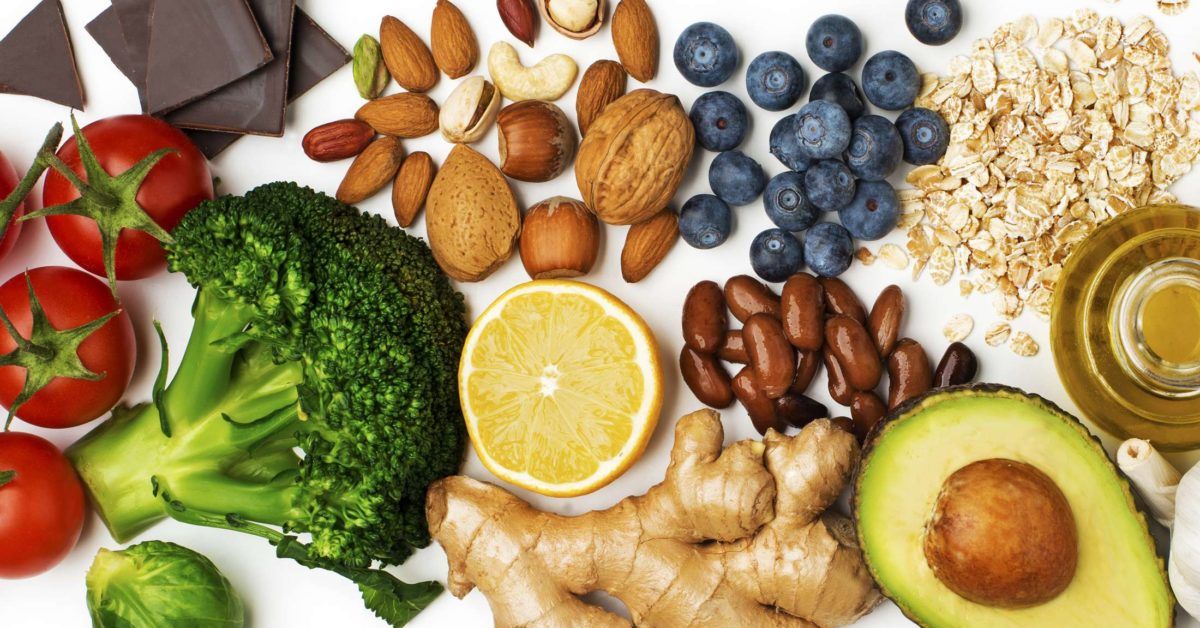
Healthy eating is often presented as if it requires rare berries harvested under a full moon or a pantry organized by a celebrity nutritionist. Fortunately, many of the most nutritious choices are ordinary foods already sitting in supermarkets, refrigerators, and slightly chaotic kitchen cabinets across America.
Apples, beans, oats, tomatoes, yogurt, eggs, nuts, and salmon are popular for good reasons. They are versatile, widely available, and packed with nutrients that support the heart, brain, digestive system, bones, muscles, and immune function. Better still, they can be eaten without turning dinner into a complicated science experiment.
The important point is that no individual food can prevent every disease, erase an unhealthy lifestyle, or grant immortality. Health benefits come from an overall eating pattern built around varied, minimally processed foods. Here is what some familiar favorites can contributeand how to enjoy them without falling for “superfood” exaggeration.
What Makes a Food Healthy?
A healthy food generally provides useful nutrients relative to its calorie content. These nutrients may include protein, fiber, unsaturated fat, vitamins, minerals, and naturally occurring plant compounds. Nutrient-dense foods also tend to contain little added sugar, excess sodium, or saturated fat.
Preparation matters. A potato baked with its skin is a source of potassium, vitamin C, and fiber. The same potato deep-fried, heavily salted, and served in a bucket large enough to rent its own apartment is a different nutritional proposition.
Variety matters too. Different foods perform different jobs, so the goal is not to identify one nutritional champion. It is to build a team. Fruits and vegetables supply fiber and micronutrients; whole grains and legumes offer sustained energy; dairy or fortified alternatives provide calcium; and fish, eggs, beans, nuts, and seeds contribute protein and healthy fats.
Health Benefits of Popular Fruits
Apples: Fiber in a Convenient Package
Apples provide vitamin C, water, and dietary fiber, particularly when the peel remains intact. Their soluble fiber includes pectin, which can be fermented by beneficial bacteria in the colon. Soluble fiber may also help reduce LDL cholesterol and moderate the rise in blood sugar after a meal.
A whole apple is generally more filling than apple juice because chewing and fiber slow consumption and digestion. Pair apple slices with peanut butter or unsalted nuts for a snack containing carbohydrates, protein, and fat.
Bananas: Potassium and Practical Energy
Bananas supply carbohydrates, vitamin B6, and potassium, a mineral involved in nerve signaling, muscle contraction, and fluid balance. Potassium-rich diets can support healthy blood pressure when combined with an appropriate overall eating pattern.
A banana with plain yogurt makes a convenient pre-workout snack. People with kidney disease or those taking medications that affect potassium should ask a clinician about appropriate intake rather than launching an enthusiastic banana campaign on their own.
Berries: Small Fruits with Colorful Compounds
Blueberries, strawberries, blackberries, and raspberries contain fiber, vitamin C, and plant pigments such as anthocyanins. Research associates berry-rich dietary patterns with cardiovascular and cognitive benefits, although berries are not tiny prescription medications wearing fruit costumes.
Fresh and frozen berries are nutritionally useful. Frozen varieties are especially practical because they last longer and can be added directly to oatmeal, smoothies, or yogurt. Choose products without added syrups or sugar.
Oranges and Other Citrus Fruits
Citrus fruits provide vitamin C, folate, water, and flavonoids. Vitamin C supports collagen production, wound healing, antioxidant defenses, and the absorption of iron from plant foods. It supports normal immune function, but eating an orange after symptoms begin is not guaranteed to send a cold packing its bags.
Whole citrus fruit contains more fiber and is usually more satisfying than juice. Try orange sections in a spinach salad or squeeze lemon over beans and leafy greens to improve flavor while helping the body absorb plant-based iron.
Popular Vegetables and Their Nutritional Strengths
Leafy Greens: Nutrients Without Much Fuss
Spinach, kale, collard greens, and Swiss chard deliver folate, vitamin K, carotenoids, fiber, and minerals. Lutein and zeaxanthin, two carotenoids concentrated in certain greens, help support eye health. Folate is essential for cell division and is particularly important before and during pregnancy.
Use greens raw in salads, sauté them with garlic and olive oil, or stir frozen spinach into soup and pasta sauce. People taking warfarin should keep vitamin K intake consistent and follow medical advice; the solution is usually consistency, not declaring kale a personal enemy.
Broccoli and Cruciferous Vegetables
Broccoli, cauliflower, cabbage, and Brussels sprouts provide fiber, vitamin C, folate, and glucosinolates. These sulfur-containing plant compounds are being studied for their role in cellular protection and health. Evidence supports eating cruciferous vegetables as part of a varied diet, but calling them “detox foods” oversimplifies biology. The liver and kidneys already run the body’s detox department.
Roasting brings out sweetness, while light steaming preserves texture. If cruciferous vegetables cause gas, introduce them gradually and cook them thoroughly while the digestive system adjusts.
Tomatoes: Fresh or Cooked Both Count
Tomatoes contain vitamin C, potassium, and lycopene, the red carotenoid studied for its potential relationship with cardiovascular health and certain cancers. Cooking tomatoes breaks down plant tissues and can make lycopene easier to absorb, particularly when tomatoes are eaten with a little fat.
Fresh tomatoes are excellent in salads and sandwiches, while low-sodium tomato sauce pairs naturally with olive oil. Watch the sodium in canned sauces, soups, and bottled ketchup, where the tomato occasionally becomes a supporting actor in a salt-and-sugar production.
Potatoes and Sweet Potatoes
Plain potatoes provide potassium, vitamin C, carbohydrates, and fiber when the skin is eaten. Orange sweet potatoes add beta-carotene, which the body can convert into vitamin A for vision, immune function, and normal cell development.
The cooking method makes the greatest difference. Bake, roast, or boil potatoes and serve them with beans, vegetables, herbs, or plain Greek yogurt. Keep butter, cheese, bacon, and creamy sauces in supporting roles rather than allowing them to hijack the entire plate.
Whole Grains, Beans, and Everyday Plant Proteins
Oats: A Heart-Friendly Breakfast Staple
Oats are a whole grain rich in beta-glucan, a type of soluble fiber that can help lower LDL cholesterol. Their fiber also supports digestive health, fullness, and steadier blood sugar responses compared with many sugary breakfast cereals.
Plain rolled or steel-cut oats offer more control over added sugar. Top them with berries, cinnamon, walnuts, and milk rather than transforming breakfast into dessert with several determined spoonfuls of brown sugar.
Beans and Lentils: Affordable Nutritional Overachievers
Black beans, chickpeas, kidney beans, peas, and lentils provide plant protein, complex carbohydrates, fiber, iron, folate, potassium, and magnesium. Their combination of protein and fiber promotes fullness and supports bowel regularity, blood sugar management, and heart health.
Replacing some processed or high-fat meats with legumes can reduce saturated fat while increasing fiber. Add lentils to soup, use black beans in tacos, or mash chickpeas for sandwiches. Drain and rinse canned beans to remove some sodium. Increase portions gradually if your digestive system tends to respond to new fiber with an unsolicited brass-band performance.
Whole-Grain Bread, Brown Rice, and Quinoa
Whole grains retain the bran, germ, and endosperm, giving them more fiber and micronutrients than refined grains. Regular whole-grain intake is associated with better cardiovascular, digestive, and metabolic health. High-fiber dietary patterns may also help reduce colorectal cancer risk.
Check ingredient lists for the word “whole” near the beginning. Brown coloring, seeds sprinkled on top, and rustic packaging do not automatically make bread a whole-grain product. Food marketing owns several excellent costumes.
Popular Protein Foods and Healthy Fats
Salmon and Other Fatty Fish
Salmon, sardines, trout, and Atlantic mackerel contain high-quality protein and long-chain omega-3 fatty acids, including EPA and DHA. These fats play roles in cell membranes, cardiovascular function, and brain and eye development. Fish also supplies nutrients such as vitamin B12, selenium, and, in some varieties, vitamin D.
U.S. dietary guidance recommends seafood as part of a healthy eating pattern, with lower-mercury choices especially important for children and people who are pregnant or breastfeeding. Bake or grill fish instead of deep-frying it, and season it with herbs, lemon, pepper, or garlic.
Eggs: Compact and Versatile
Eggs provide protein, choline, vitamin B12, selenium, and several other nutrients. Choline supports cell membranes and normal brain and nervous-system function. Eggs can be part of a balanced diet for most people, although individual recommendations may differ for people with specific cardiovascular or metabolic conditions.
Preparation again decides whether the supporting cast behaves. A vegetable omelet cooked in a small amount of olive oil is quite different from eggs accompanied daily by processed meat, oversized biscuits, and enough gravy to alter local weather patterns.
Yogurt: Protein, Calcium, and Live Cultures
Yogurt can provide protein, calcium, phosphorus, vitamin B12, and beneficial live microorganisms. Calcium and protein support bones and muscles, while certain live cultures may contribute to digestive health. Not every yogurt contains the same strains or quantities of bacteria, so benefits vary by product.
Choose plain yogurt or compare labels for added sugar. Add fruit, cinnamon, oats, or nuts for flavor. Fortified soy yogurt can be a useful alternative, but coconut- and almond-based products often contain less protein unless manufacturers add it.
Nuts and Seeds: Small Portions, Major Nutrients
Walnuts, almonds, peanuts, pistachios, chia seeds, and flaxseed contain unsaturated fats, protein, fiber, vitamins, minerals, and plant compounds. Nuts are energy-dense, yet moderate portions can be satisfying and fit comfortably into weight-conscious diets.
A small handful makes a practical serving. Choose unsalted or lightly salted varieties and compare sweetened nut butters carefully. Ground flaxseed is easier to digest than whole flaxseed and can be stirred into oatmeal or yogurt.
Olive Oil: Healthy When It Replaces Less Healthy Fat
Olive oil is rich in monounsaturated fat and contains antioxidant plant compounds, especially in extra-virgin varieties. Its clearest advantage appears when it replaces fats higher in saturated fat, such as butter or lardnot when it is poured over an already excessive meal as a wellness blessing.
Use olive oil in vinaigrettes, marinades, roasted vegetables, and sautéed dishes. It is still calorie-dense, so a measured pour is more useful than a dramatic television-chef splash.
How to Combine Popular Healthy Foods
Food combinations make nutritious eating easier and more satisfying. A practical plate might include half vegetables and fruit, a quarter protein, and a quarter whole grains or another fiber-rich carbohydrate. Exact proportions can vary with age, appetite, culture, activity, and medical needs.
- Breakfast: Oatmeal with blueberries, walnuts, cinnamon, and plain yogurt.
- Lunch: Whole-grain toast topped with mashed chickpeas, tomato, and leafy greens.
- Dinner: Baked salmon with roasted broccoli and a skin-on potato.
- Vegetarian dinner: Lentil and vegetable soup with brown rice and a citrus salad.
- Snack: An apple with peanut butter or carrots with hummus.
Frozen vegetables, canned beans, canned salmon, and frozen fruit are legitimate healthy foods. They are often less expensive, reduce food waste, and require little preparation. Look for fruit without added sugar, vegetables with little sodium, and canned fish suited to your individual sodium needs.
A Realistic Experience: One Month of Eating More Everyday Healthy Foods
A useful way to experience the health benefits of popular foods is to stop treating healthy eating as a complete personality renovation. Consider a four-week experiment built around additions and substitutions. The purpose is not to chase instant weight loss or dramatic “detox” symptoms. It is to discover which ordinary changes are affordable, enjoyable, and repeatable.
Week One: Fix Breakfast First
Begin by replacing a low-fiber breakfast with oats three mornings during the week. Add frozen berries and a spoonful of chopped nuts. On other mornings, try eggs with spinach or plain yogurt with fruit.
The first noticeable experience is often practical rather than medical: breakfast becomes more filling. A meal containing protein and fiber may make the vending machine less fascinating at 10:30 a.m. Preparation also becomes faster after two or three attempts. Overnight oats can be assembled the evening before, and frozen berries require no washing, chopping, or emotional commitment.
Week Two: Make Lunch Work Harder
Next, add beans or lentils to several lunches. Leftover lentil soup, chickpea salad, or black-bean tacos can replace part of the processed meat or refined grains in a usual meal. People who rarely eat legumes should start with modest portions and drink adequate water as fiber intake rises.
This week exposes a common obstacle: healthy ingredients are only useful when they are convenient. Cooking a large batch of lentils or keeping no-salt-added canned beans available removes much of the friction. Flavor matters as well. Lemon, cumin, garlic, chili powder, and herbs prevent the experiment from tasting like a punishment designed by a bored committee.
Week Three: Build Better Dinners
During the third week, choose two dinners centered on fish, beans, or eggs and fill more of the plate with vegetables. One uncomplicated example is sheet-pan salmon, broccoli, and potatoes. Another is a vegetable omelet with whole-grain toast.
The most valuable lesson is that preparation can change the nutritional character of familiar foods. Roasted potatoes feel indulgent without requiring deep-frying. Broccoli becomes sweeter and crisp around the edges. A small amount of olive oil, pepper, garlic, and lemon may make vegetables more appealing than simply steaming them into soft green surrender.
Week Four: Review What Actually Worked
At the end of the month, assess behaviors rather than demanding a cinematic transformation. Did you eat more fiber? Did breakfasts keep you satisfied? Was digestion comfortable after the gradual adjustment? Which meals were easy enough to repeat on a busy Tuesday?
Some people may notice improved regularity, more stable energy, or fewer episodes of intense hunger. Others may simply discover three new meals they enjoy. Changes in cholesterol, blood pressure, or blood sugar require proper measurement and generally reflect sustained habits, not one heroic week of blueberries.
The most successful experience usually comes from keeping the winning changes and dropping the fussy ones. Perhaps oats stay, kale smoothies leave, and canned beans become a permanent emergency dinner. That is progress. A healthy diet should support daily life, not demand that daily life become a full-time catering operation.
Conclusion
The health benefits of popular foods come from their combined supply of fiber, protein, healthy fats, vitamins, minerals, and protective plant compounds. Apples, berries, greens, beans, oats, nuts, yogurt, eggs, salmon, and olive oil are useful not because they are miraculous, but because they make a varied eating pattern achievable.
Start with one realistic change: add berries to oatmeal, replace one meat-based meal with lentils, or serve an extra vegetable at dinner. Repeated choices matter more than nutritional perfection. Your body does not require every meal to earn a trophy; it simply benefits when wholesome foods appear regularly.