

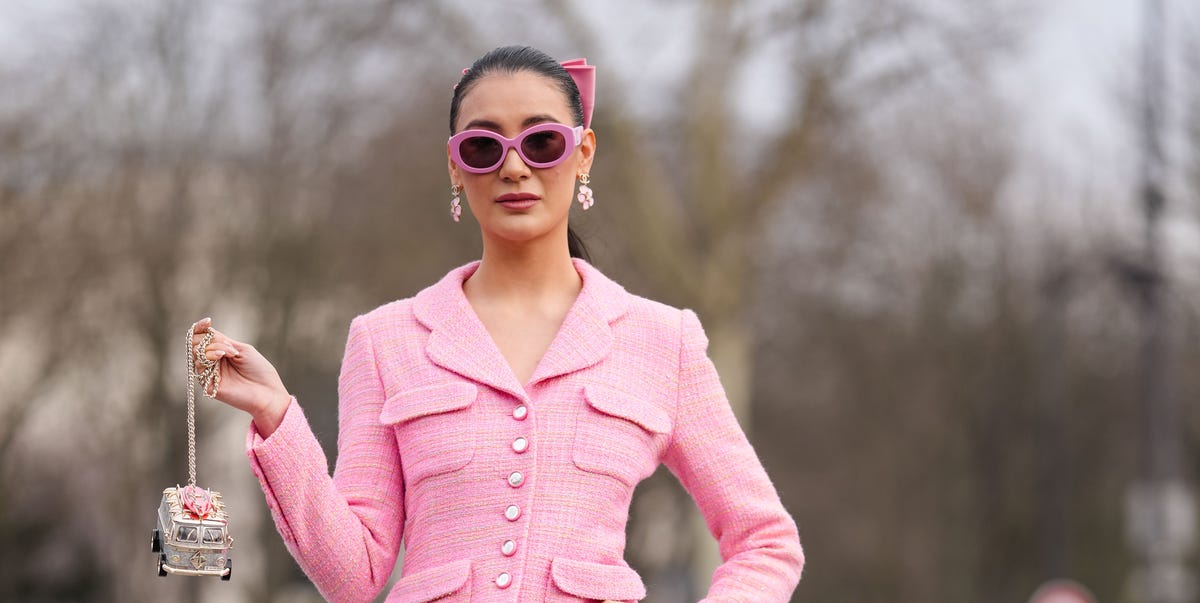
The 1960s did not politely knock on fashion’s door. It kicked it open wearing white go-go boots, a mini skirt, enormous sunglasses, and enough confidence to make a beige cardigan nervous. This was the decade when style stopped whispering and started dancing. Hemlines rose, prints got louder, silhouettes became cleaner, and young people helped decide what was cool instead of waiting for old fashion rules to approve it.
Today, 1960s fashion trends are everywhere again. You can spot them in runway collections, celebrity outfits, vintage stores, TikTok styling videos, and everyday wardrobes. The difference? Modern fashion is not copying the decade costume-for-costume. Instead, it is borrowing the best ideas: sharp shapes, playful color, practical boots, graphic prints, bohemian textures, and a fearless attitude toward self-expression.
So, grab your imaginary round sunglasses and let’s revisit the top 1960s fashion trends that are back in styleupdated, wearable, and surprisingly easy to add to a modern closet.
Why 1960s Fashion Still Feels So Fresh
The 1960s were a turning point because fashion became faster, younger, and more experimental. The decade moved from the polished elegance associated with Jackie Kennedy to the bold mod energy of Swinging London, then into the relaxed, handcrafted feel of late-decade bohemian style. Designers such as Mary Quant, André Courrèges, Pierre Cardin, Paco Rabanne, and Yves Saint Laurent helped shape a period where clothing felt connected to music, art, politics, technology, and youth culture.
That is why the comeback works so well now. Modern shoppers also want clothes that feel personal, expressive, and versatile. A mini skirt can be styled with sneakers. A shift dress can look chic with loafers. A fringe jacket can make a plain outfit look like it suddenly got invited to a better party. The 1960s gave fashion permission to have funand frankly, our closets could use the pep talk.
15 Top Fashion Trends From The 1960s That Are Back
1. Mini Skirts
No 1960s fashion conversation is complete without the mini skirt. Often linked to Mary Quant and London’s Youthquake movement, the mini became a symbol of youthful freedom and modern style. Today, the mini skirt is back in denim, leather, wool, pleats, and tailored suiting fabrics.
The updated version is less about shock value and more about balance. Pair a structured mini with an oversized blazer, a soft knit sweater, or tall boots. For a casual look, try a denim mini with a white tee and ballet flats. It gives “effortless street style” without requiring you to pretend you accidentally woke up chic.
2. Go-Go Boots and Tall Boots
White go-go boots were practically the exclamation point of mod fashion. In the 1960s, they looked futuristic, bold, and perfect for dancing. Today, tall boots are once again a major styling piece, especially with mini skirts, shift dresses, sweater dresses, and long coats.
Modern versions come in white, black, brown, metallic, patent, suede, and soft leather. Knee-high boots make a simple outfit look finished instantly. They also solve the classic fashion problem of wanting to wear a short hemline while still feeling seasonally appropriate. Translation: stylish legs, warm calves, zero regrets.
3. Shift Dresses
The shift dress became a 1960s favorite because of its clean, simple shape. Unlike the cinched waists of the 1950s, shift dresses hung straighter from the shoulders, creating a modern silhouette that felt young and easy to move in.
Today’s shift dresses are ideal for capsule wardrobes. A black shift dress can go to work with loafers, to dinner with slingbacks, or to a weekend brunch with sneakers. Printed versions bring more retro personality, especially in geometric patterns, florals, or bold color blocking. The magic is in the simplicity: one dress, many moods.
4. Mod Black-and-White Outfits
Black-and-white mod fashion is one of the easiest 1960s trends to wear now. Think checkerboard prints, bold stripes, contrast collars, graphic dresses, and monochrome accessories. It is dramatic without being complicated.
For a modern take, try a black turtleneck with white trousers, a checkerboard mini dress, or a white blouse under a black sleeveless dress. The palette keeps the look polished, while the graphic contrast gives it retro energy. It is basically the fashion version of a perfectly timed wink.
5. Bold Geometric Prints
The 1960s loved geometry: circles, squares, diamonds, stripes, and optical patterns that looked like they were having a very stylish math lesson. Yves Saint Laurent’s Mondrian-inspired dresses helped make graphic color blocking iconic, and the look still feels modern today.
Geometric prints work well because they make basic pieces feel intentional. A patterned blouse can wake up jeans. A color-block dress can stand alone with minimal accessories. A striped knit can turn simple trousers into a full outfit. The key is to let one bold print lead and keep the rest of the look clean.
6. Space Age Metallics
The Space Age influence of the 1960s came from excitement around science, technology, and space exploration. Designers experimented with vinyl, metallic finishes, sculptural shapes, and futuristic accessories. It was fashion looking up at the moon and saying, “Cute, but make it wearable.”
Today, metallics are back in silver skirts, chrome handbags, shiny boots, foil-like jackets, and reflective accessories. The easiest way to wear the trend is in small doses. A silver shoe, metallic bag, or glossy jacket adds futuristic polish without making you look like you are reporting for astronaut training.
7. Pillbox Hats
Thanks to Jackie Kennedy’s unforgettable style, the pillbox hat became one of the most elegant accessories of the early 1960s. Structured, neat, and polished, it added instant sophistication to tailored outfits.
The modern pillbox hat is returning with playful updates: animal prints, textured fabrics, soft neutrals, and vintage-inspired shapes. It works beautifully with long coats, simple dresses, and minimalist tailoring. It is also proof that a small accessory can completely change the personality of an outfit. A beanie says “errands.” A pillbox hat says “I may have a driver, even if I definitely took the subway.”
8. Cat-Eye and Oversized Sunglasses
1960s sunglasses were bold, glamorous, and full of attitude. Cat-eye frames, round lenses, and oversized shapes helped define the faces of style icons. Today, retro sunglasses remain one of the easiest ways to borrow from the decade.
Cat-eye frames sharpen a simple outfit, while round sunglasses add a softer bohemian mood. Oversized styles bring instant drama, especially with a trench coat, headscarf, or sleek bun. The best part? Sunglasses require no sizing room, no tailoring, and no complicated styling. They simply arrive and improve things.
9. A-Line Silhouettes
The A-line shape was a 1960s staple because it looked clean, youthful, and flattering without being fussy. A-line skirts and dresses gently flare away from the body, creating movement while keeping the overall look structured.
Modern A-line skirts pair beautifully with fitted knits, cropped jackets, tucked-in shirts, and tall boots. A-line dresses are equally useful because they work for casual days, office outfits, and dressier occasions. This silhouette is one of the most practical 1960s fashion trends because it has both polish and comfortthe rare fashion friendship we all deserve.
10. Peter Pan Collars
The Peter Pan collar brought a sweet, youthful detail to 1960s dresses and blouses. It often appeared on mod mini dresses, schoolgirl-inspired looks, and polished daywear. Today, the collar is back on blouses, knitwear, dresses, and detachable collar accessories.
To keep it modern, balance the sweetness with sharper pieces. Try a Peter Pan collar blouse under a leather jacket, with straight-leg jeans, or tucked into tailored trousers. The goal is charming, not costume. Think “smart vintage detail,” not “lost on the way to a school play.”
11. Fringe Jackets and Skirts
Fringe gained momentum in the late 1960s through bohemian and counterculture fashion. It appeared on suede jackets, vests, bags, and skirts, adding movement and handcrafted texture. In current fashion, fringe is back on runways and in street style, often in more refined forms.
A modern fringe jacket over a white tee and jeans looks relaxed but memorable. A fringe skirt can be dressed up with a simple sweater and heels. A fringe bag is a low-commitment way to try the trend. The trick is to let the fringe move without letting the outfit become a full music festival flashback.
12. Crochet and Open-Knit Pieces
Crochet became a signature part of late-1960s bohemian style. It reflected a love for handmade textures, natural materials, and relaxed silhouettes. Today, crochet dresses, tops, skirts, bags, and cardigans are popular again, especially in warm-weather wardrobes.
Modern crochet looks best when styled with clean basics. A crochet top can work with high-rise jeans. A crochet dress can be layered over a slip. A crochet bag adds texture to a simple linen outfit. It is nostalgic, but it does not have to look like something rescued from a dusty atticunless that attic belongs to a very stylish person.
13. Psychedelic Prints
By the late 1960s, fashion embraced swirling colors, abstract florals, and psychedelic prints inspired by music, art, and counterculture. These patterns were energetic, expressive, and impossible to ignore.
Today, psychedelic prints are back in mesh tops, slip dresses, scarves, wide-leg pants, and statement blouses. The modern styling rule is simple: choose one loud piece and let everything else calm down. A psychedelic blouse with neutral trousers feels fresh. A printed dress with minimal sandals feels intentional. Two psychedelic prints together can work, but only if your confidence has its own zip code.
14. Wide-Leg and Flared Pants
Although bell-bottoms are often associated with the 1970s, their roots gained strength in the late 1960s as fashion moved toward looser, more expressive silhouettes. Today, wide-leg jeans, flared trousers, and bootcut pants are firmly back.
The modern appeal is easy to understand: flared and wide-leg pants lengthen the line of the body, pair well with boots, and feel more relaxed than skinny fits. Try high-rise flares with a tucked-in blouse, a cropped jacket, or a fitted turtleneck. Add platform shoes if you want the full retro effect without dragging your hems through three zip codes.
15. Bohemian Dresses
The bohemian side of 1960s fashion grew from the counterculture movement, with flowing dresses, floral prints, earthy colors, lace trims, embroidery, and relaxed layering. Today’s boho revival feels romantic but more polished, with designers and celebrities bringing lace, soft ruffles, and vintage-inspired dresses back into focus.
A modern bohemian dress can be styled with boots, clogs, ballet flats, or strappy sandals. Add a leather belt for shape, a tailored blazer for contrast, or simple jewelry to keep the look grounded. The best boho outfits feel free-spirited but not messy. Think “poetry reading in a sunny garden,” not “laundry basket with sleeves.”
How to Wear 1960s Trends Without Looking Like a Costume
The secret to wearing 1960s fashion today is editing. You do not need the mini skirt, the go-go boots, the beehive hair, the geometric dress, the round sunglasses, and the vinyl handbag all at once. That is not an outfit; that is a time machine with buttons.
Start with one standout piece. A shift dress, tall boots, a fringe jacket, or a pair of oversized sunglasses can bring the decade into your wardrobe without overwhelming it. Then add modern basics: straight-leg jeans, simple tees, tailored blazers, minimal jewelry, or clean sneakers. This creates a balanced look that feels inspired rather than theatrical.
Color also matters. If you love bold prints, keep the accessories simple. If you prefer neutrals, add texture through crochet, suede, patent leather, or metallic accents. If you want a polished outfit, lean into A-line shapes, pillbox-inspired hats, and sleek boots. If your style is more relaxed, try bohemian dresses, fringe, and open-knit layers.
Why These 1960s Fashion Trends Are Back Now
Fashion trends return when they solve a modern style problem. The 1960s offer answers to several: people want clothes that are expressive but wearable, nostalgic but not outdated, polished but not boring. A shift dress solves the “I need to look put-together quickly” problem. Tall boots solve the “my outfit needs structure” problem. Bold prints solve the “everything in my closet is beige and I am emotionally beige now” problem.
Another reason is vintage shopping. Many shoppers are more interested in secondhand, archival, and vintage-inspired pieces. The 1960s provide strong design codes that are easy to recognize: mod shapes, graphic prints, short hemlines, dramatic sunglasses, and bohemian textures. These pieces photograph well, style easily, and add character to modern wardrobes.
Finally, the 1960s represent optimism and experimentation. Even when the decade was socially and politically turbulent, fashion pushed forward with imagination. That sense of possibility is appealing again. Wearing a mod dress or a fringe jacket today is not just about nostalgia; it is about choosing clothes with personality.
Personal Styling Experiences With 1960s Fashion Trends
The best way to understand why 1960s fashion keeps coming back is to try styling it in real life. On paper, a white boot or a geometric mini dress can sound intimidating. In the mirror, however, these pieces often feel surprisingly practical. The first lesson is that 1960s-inspired fashion has a strong point of view, so even one piece can do a lot of work.
For example, a simple black shift dress can feel almost too plain on the hanger. Add knee-high boots and a structured handbag, and suddenly the outfit has purpose. It becomes clean, sharp, and ready for anything from a casual dinner to an office-friendly event. That is the power of the 1960s silhouette: it does not need much decoration because the shape already speaks clearly.
A mini skirt offers a similar experience. Many people think minis are difficult to style, but the modern version becomes easier when treated like a basic. A denim mini with a striped sweater and loafers feels casual. A wool mini with tights and tall boots feels polished. A leather mini with a relaxed button-down feels current. The key is proportion. Since the hemline is short, the rest of the outfit can be slightly more covered or structured. Balance makes the look feel grown-up and wearable.
Accessories are often the safest entry point. Oversized sunglasses, a printed scarf, or a small structured hat can introduce 1960s energy without requiring a full wardrobe change. A pair of cat-eye sunglasses can make jeans and a tee look more intentional. A scarf tied around the neck or hair adds instant vintage charm. A metallic bag can bring in Space Age shine without overwhelming the outfit.
Fringe and crochet are more playful, but they also teach an important styling rule: texture can be just as powerful as color. A neutral crochet top with wide-leg trousers feels relaxed but interesting. A suede fringe jacket over a plain outfit creates movement and personality. These pieces are great when your wardrobe feels too flat or predictable. They add depth without needing a complicated color palette.
Another useful experience is mixing decades. A 1960s-inspired shift dress can work with 1990s minimalist sandals. A mod mini skirt can pair with a modern oversized blazer. Bohemian lace can look fresh with sleek leather boots. This is where retro fashion becomes personal. The goal is not to recreate a museum display; the goal is to borrow the parts that make you feel stylish right now.
Shopping vintage or vintage-inspired pieces also changes the way you think about quality. Many 1960s-inspired items rely on shape: clean seams, strong collars, crisp A-line cuts, and bold prints. When buying, look for structure, fabric weight, and fit. A good shift dress should skim rather than cling. A pair of tall boots should feel comfortable enough to actually walk in. A bold print should excite you, not make you wonder whether your curtains are missing.
Perhaps the biggest lesson is confidence. The 1960s were not shy, and the trends that came from the decade still carry that energy. Wearing them well does not mean being loud all the time. It means choosing details that feel joyful, expressive, and slightly braver than your usual routine. Sometimes that is a silver shoe. Sometimes it is a fringe bag. Sometimes it is a bright geometric dress that makes your closet look like it finally had coffee.
In everyday life, 1960s fashion works best when it feels easy. Choose one retro element, ground it with modern basics, and let the outfit breathe. That way, the look feels stylish instead of staged. The decade may be famous for bold statements, but its most lasting gift is freedom: freedom to experiment, simplify, exaggerate, soften, and dress with a sense of fun.
Conclusion
The return of 1960s fashion trends proves that great style does not expire; it simply changes shoes. Mini skirts, go-go boots, shift dresses, geometric prints, pillbox hats, fringe, crochet, and bohemian dresses all continue to feel relevant because they combine personality with practicality. They are bold enough to be memorable but flexible enough to fit into modern wardrobes.
Whether you prefer the polished elegance of Jackie Kennedy, the playful mod look of Twiggy, the futuristic shine of Space Age designers, or the free-spirited mood of late-decade boho style, the 1960s offer endless inspiration. Start small, style with balance, and choose pieces that feel like you. After all, the best trend is not the one that looks good on a mannequinit is the one that makes you stand a little taller when you leave the house.