

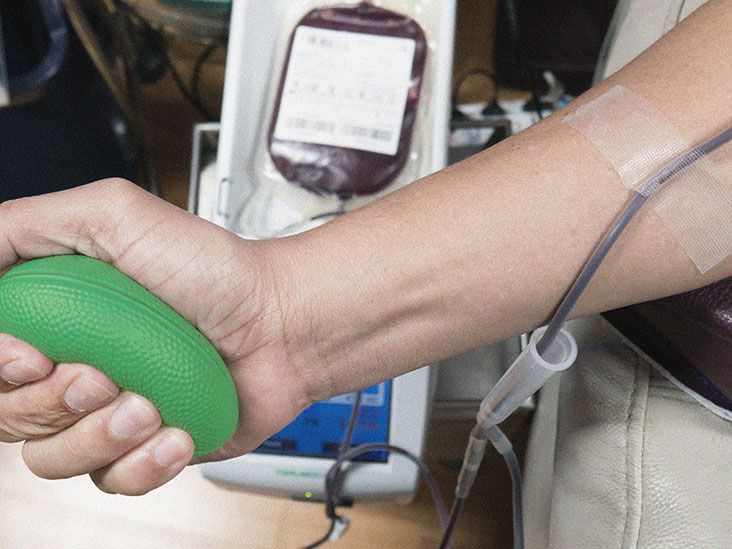
Yes, gay men can donate blood in the United States. Current federal guidance does not automatically disqualify someone because he is gay, bisexual, or has had sex with another man. Instead, every prospective donor is evaluated through the same individual donor assessment, with eligibility based on recent sexual behavior, medications, health history, and other risk factors.
Can Gay Men Donate Blood in the United States?
Gay and bisexual men may donate blood if they meet the same health and eligibility requirements that apply to everyone else. Sexual orientation, by itself, is no longer a reason for deferral under current U.S. Food and Drug Administration guidance.
The FDA’s individual donor assessment replaced the former policy that specifically restricted men who have sex with men. Blood centers now use a gender-neutral donor history questionnaire. Whether a donor is straight, gay, bisexual, transgender, nonbinary, married, single, or still trying to understand what happened on last Saturday’s date, the screening questions are designed to focus on behavior rather than identity.
That does not mean every gay man is automatically eligible. It also does not mean every heterosexual donor is automatically eligible. Everyone must pass the health-history review, infectious-disease risk assessment, hemoglobin check, and mini-physical conducted by the blood collection organization.
How the Individual Donor Assessment Works
Before donating, every person must answer a confidential questionnaire about health, medications, travel, medical procedures, and possible exposure to transfusion-transmissible infections. The questionnaire is completed for each donation because circumstances can change between appointments. Yesterday’s eligibility is not a lifetime membership card with unlimited juice boxes.
The sexual-behavior questions concentrate on a combination of recent anal sex and either new or multiple sexual partners. They are not simply a disguised version of the old question, “Are you a gay man?” All donors receive the same core assessment regardless of gender or sexual orientation.
New or Multiple Partners and Anal Sex
A prospective donor is generally asked to wait three months when both of the following conditions apply:
- The person has had a new sexual partner or more than one sexual partner during the previous three months.
- The person has had anal sex during that same period.
The waiting period begins from the most recent anal sex contact. This standard applies to everyone, not only to gay and bisexual men.
Under blood-center guidance, a new partner can include someone with whom a person has sex for the first time. It can also include a former partner with whom sexual contact stopped and then restarted during the three-month screening period.
What About Gay Men in Monogamous Relationships?
A gay man in an exclusive relationship may generally donate even if he has had anal sex during the previous three months, provided he has not had a new partner or multiple partners and meets all other criteria.
In other words, the current screening system does not automatically defer a man simply for having sex with his long-term male partner. That is one of the most important differences between individual donor assessment and the previous rules.
What If Someone Has a New Partner but Has Not Had Anal Sex?
The specific three-month sexual-behavior deferral is triggered by the combination of a new or multiple partners and recent anal sex. Having a new partner without anal sex does not, by itself, trigger that particular deferral. Other health-history responses can still affect eligibility, so the donation center must make the final determination.
What If Someone Has Multiple Long-Term Partners?
People in polyamorous or polyfidelitous relationships may be considered to have multiple partners even when those partners are not new. If the donor has had anal sex with one or more partners during the previous three months, the donor will generally be asked to wait three months from the most recent contact.
How PrEP, PEP, and HIV Treatment Affect Eligibility
Oral PrEP and PEP
Pre-exposure prophylaxis, commonly called PrEP, is highly effective at preventing HIV when taken as prescribed. Post-exposure prophylaxis, or PEP, is used after a possible exposure. However, these medications can suppress viral replication and potentially delay the detection of a very recent infection during blood screening.
Under current blood-donation criteria, someone who has taken oral PrEP or PEP is generally deferred for three months after the most recent dose.
This rule can understandably frustrate people who take responsible steps to protect their health. Nevertheless, blood organizations and the FDA advise people not to stop PrEP or PEP merely to become eligible to donate blood. Preventing HIV is more important than making a donation appointment.
Injectable PrEP
Long-acting injectable PrEP produces medication levels that remain in the body considerably longer. A donor who has received injectable PrEP is generally asked to wait two years from the most recent injection.
HIV and Antiretroviral Therapy
A person who has HIV is not eligible to donate blood, even when treatment has produced an undetectable viral load. The principle known as “undetectable equals untransmittable,” or U=U, applies to sexual transmission. It does not establish that blood from a person living with HIV is safe for transfusion, where a recipient may be exposed to a much larger volume of blood.
People who have taken antiretroviral therapy to treat HIV are permanently deferred from blood donation because treatment controls HIV but does not remove the virus from the body.
Why Is Anal Sex Included in the Screening Questions?
The questions are based on population-level evidence showing that anal sex has a higher per-act probability of transmitting HIV than oral or vaginal sex. This risk is related to the delicate lining of the rectum, which can permit viral entry even when no visible injury is present.
The assessment is not intended to label an individual donor as careless or unhealthy. A person can use condoms, test regularly, communicate openly with partners, and practice thoughtful sexual health. Blood screening rules, however, must work consistently across millions of donors and protect recipients who may be critically ill or immunocompromised.
Current questionnaires do not generally use condom use to remove the deferral. Condoms substantially reduce HIV risk when used correctly, but they may break, slip, or be used inconsistently. Donor-screening systems also need questions that can be answered and interpreted reliably.
If Every Donation Is Tested, Why Are Deferrals Necessary?
Every donated unit is tested for several infectious-disease markers. Testing may include HIV, hepatitis viruses, West Nile virus, and other pathogens, depending on federal requirements and current public-health risks.
Laboratory testing is remarkably effective, but no test can detect every infection immediately after exposure. During the early “window period,” a virus may be present at a concentration below the test’s detection threshold. Preventive HIV medications can further complicate detection by suppressing viral replication.
For that reason, the United States uses a multilayered safety system:
- Donor education before the appointment
- A confidential health-history questionnaire
- Temporary or permanent deferrals for defined risks
- A brief physical assessment
- Laboratory testing of each donation
- Tracking and investigation when a donation produces a reactive result
Think of the system as several locked doors rather than one extremely confident doorman. Each layer reduces the chance that an unsafe unit will enter the blood supply.
Other Blood Donation Criteria Everyone Must Meet
Sexual history is only one part of donor eligibility. Gay men, like all donors, must meet general requirements designed to protect both the donor and the patient receiving the blood.
Age and Weight
Many organizations accept donors beginning at age 17. Some states allow 16-year-olds to donate with parental or guardian consent. Whole-blood donors commonly need to weigh at least 110 pounds, although additional height-and-weight requirements may apply to younger donors and certain automated donation procedures.
General Health
Donors should feel well on the day of donation. A cold, fever, active infection, vomiting, or other acute illness may result in a temporary deferral. Arriving while visibly ill is not an act of heroic generosity; it is an excellent way to be politely redirected toward the exit.
Hemoglobin and Mini-Physical
Blood-center staff typically check temperature, pulse, blood pressure, and hemoglobin. A low hemoglobin result can cause a temporary deferral because removing blood could worsen anemia or leave the donor feeling unwell.
Medications
Most common medications do not automatically prevent blood donation. Eligibility depends on why the medication is being taken, its potential effects on a transfusion recipient, and whether it indicates an underlying condition. PrEP, PEP, blood thinners, certain acne medications, and some medications associated with pregnancy risk can require waiting periods.
Medical Conditions and Procedures
Recent surgery, pregnancy, cancer treatment, heart conditions, transfusions, organ transplants, hepatitis, or exposure to certain infections can affect eligibility. Tattoos and piercings may also require a waiting period when they were performed in an unregulated facility.
Travel
Travel to regions where malaria or other infections are present may result in a temporary deferral. Travel rules change as disease patterns and federal recommendations evolve, so last year’s answer may not match today’s.
Time Since the Previous Donation
Whole-blood donors typically wait at least eight weeks between donations. Platelet, plasma, and double-red-cell donations follow different intervals. Final eligibility is determined by the organization collecting the blood.
How U.S. Policy Changed Over Time
Blood-donation restrictions affecting gay and bisexual men originated during the early HIV/AIDS crisis, when little was known about the virus and reliable screening tests were not yet available. The original policy broadly excluded men who had sex with men, regardless of how recently the contact occurred or whether the person was in a monogamous relationship.
As scientific knowledge and testing technology improved, the policy gradually changed. In 2015, the lifetime-style restriction was replaced with a 12-month waiting period after sexual contact between men. In 2020, the waiting period was shortened to three months. In May 2023, the FDA issued final guidance supporting individual risk-based questions rather than sexual-orientation-based screening. Blood centers then updated questionnaires, computer systems, staff training, and operating procedures to implement the change.
The updated approach was informed partly by research involving gay and bisexual men, blood centers, government agencies, and LGBTQ+ community organizations. The goal was to develop a fairer system without weakening blood safety.
Blood Donation Eligibility Examples
Scenario 1: A Gay Man in a Long-Term Exclusive Relationship
Michael has been with the same male partner for four years. He has not had any new or additional sexual partners. He may be eligible to donate, including when the couple has had anal sex, provided he satisfies the remaining medical and health requirements.
Scenario 2: A New Partner and Recent Anal Sex
Jordan had anal sex with a new partner one month ago. He will generally need to wait until three months have passed since that sexual contact. The rule would be the same for a heterosexual, bisexual, transgender, or nonbinary donor with the same recent behavior.
Scenario 3: A New Partner Without Anal Sex
Alex began dating someone new but has engaged only in oral sex. The specific new-partner-plus-anal-sex deferral would not apply. Alex must still answer all other screening questions and receive a final eligibility decision from the blood center.
Scenario 4: A Donor Taking Daily Oral PrEP
Chris takes oral PrEP and has never been diagnosed with HIV. Under present criteria, Chris is deferred while taking the medication and for three months following the final oral dose. Chris should not discontinue PrEP solely to donate.
Scenario 5: Someone Deferred Under the Former MSM Policy
Daniel was turned away several years ago because he had sex with another man. That former deferral does not necessarily mean he remains ineligible. He can contact the blood organization to ask whether his record must be reviewed or reinstated under the individual donor assessment system.
Can Transgender and Nonbinary People Donate Blood?
Being transgender, nonbinary, intersex, gender-fluid, or gender-nonconforming does not automatically prevent blood donation. Sexual-behavior questions are intended to be gender-neutral, and donors are evaluated through the same individual assessment.
Some blood centers still request a male or female designation because hemoglobin thresholds and height-to-weight requirements for certain donation types may differ. This part of the process can feel awkward or incomplete for people whose identities do not fit neatly into two boxes. Donors with questions can contact the center before arriving to discuss its registration procedure.
How to Prepare for a Blood Donation Appointment
- Review the blood center’s current eligibility information rather than relying on an old social-media post.
- Call the donor support line when you have questions about PrEP, travel, medications, tattoos, surgery, or a previous deferral.
- Bring valid identification when required by the center.
- Eat an iron-rich meal and avoid arriving on an empty stomach.
- Drink extra water before the appointment.
- Answer every screening question honestly and privately.
- Tell staff when you feel nervous, faint, or uncomfortable.
Blood donation is not an appropriate substitute for confidential HIV or sexually transmitted infection testing. A person who wants to know their HIV status should use a clinic, medical office, community testing program, or approved home test rather than donating blood to obtain a result.
What the Donation Experience Can Feel Like: Realistic Composite Experiences
The policy change may look simple on paper: replace identity-based questions with individual risk assessment. For many gay and bisexual men, however, the experience carries years of emotional baggage. The following composite situations illustrate common concerns without representing any single identifiable donor.
Returning After an Earlier Rejection
Imagine a donor named Ben who first tried to give blood during college. His friends signed up together, rolled up their sleeves, and compared snack-table treasures afterward. Ben answered the questionnaire honestly and was turned away under the previous policy. No one at the drive behaved cruelly, but the rejection still felt public. His friends were helping, while he was left wondering why a stable relationship made his blood unacceptable.
Years later, Ben hears that the criteria have changed. He visits the blood center’s eligibility page but remains skeptical. Policies can be rewritten quickly; embarrassment has a longer shelf life. He calls the center before scheduling and learns that he will be asked the same behavior-based questions as every other donor.
At the appointment, the staff member confirms his information, explains the privacy process, and asks whether he has had a new or multiple sexual partners during the previous three months. Ben answers no. He completes the remaining health questions, passes the hemoglobin check, and donates successfully.
The most meaningful part may not be the needle, the blood bag, or even the cookie afterward. It may be the quiet realization that he was evaluated as an individual rather than treated as a category.
Discovering That PrEP Creates a Deferral
Now consider Luis, who takes daily oral PrEP. He is healthy, tests regularly, and feels confident that responsible prevention should make him an ideal donor. When he learns that PrEP requires a waiting period, he feels as though good health behavior is being penalized.
The staff member explains that the issue is not moral judgment or an assumption that Luis has HIV. The concern is that PrEP can delay the appearance of laboratory markers during an early infection. Luis is still disappointed, and reasonably so. He chooses to continue PrEP rather than interrupt medication for the sake of donating.
Instead, he helps organize a workplace blood drive, recruits eligible friends, and volunteers during registration. He cannot contribute a unit that day, but he can still strengthen the blood supply. Eligibility and usefulness are not the same thing.
Answering Intimate Questions in a Respectful Setting
A first-time donor may be surprised by how personal the questionnaire becomes. Questions about partners, anal sex, medications, infections, and medical history are not ordinary waiting-room small talk. A respectful center should provide privacy, explain unfamiliar terms, and avoid reacting to answers with judgment or surprise.
Donors also have responsibilities. Honest answers matter because recipients may include premature babies, trauma patients, people undergoing cancer treatment, and individuals whose immune systems cannot easily fight infection. Concealing information to “beat” a rule does not make the policy fairer; it transfers risk to a patient who never agreed to participate in the protest.
A positive donation experience therefore depends on two kinds of trust. Donors must trust staff to treat sensitive information respectfully, and patients must trust donors to answer accurately. When both sides honor that arrangement, a questionnaire that initially feels intrusive becomes part of a shared safety system.
The Takeaway From These Experiences
Some newly eligible gay men will feel excited to donate immediately. Others may remain angry about earlier exclusion, uncomfortable with current questions, or unable to donate because of PrEP. All of those reactions are understandable.
The present policy is more individualized and inclusive than the rules it replaced, but it is not experienced as perfectly fair by everyone. Continued research may lead to further changes. For now, checking current criteria, asking questions before an appointment, and protecting personal health remain the most practical steps.
Conclusion
Gay men can donate blood in the United States. Current blood donation criteria focus on individual health and recent behavior rather than sexual orientation. A donor may be temporarily deferred when new or multiple partners are combined with anal sex during the previous three months. Oral PrEP or PEP generally requires a three-month wait after the last dose, while injectable PrEP generally requires a two-year wait.
Eligibility also depends on general health, hemoglobin, medications, travel, medical history, and the time since the donor’s last donation. Because guidelines and personal circumstances can change, the collection center must make the final decision on the day of donation.
The larger lesson is straightforward: blood does not arrive with an orientation label. Safe donation depends on honest answers, careful screening, reliable testing, and policies that evolve alongside medical evidence.