

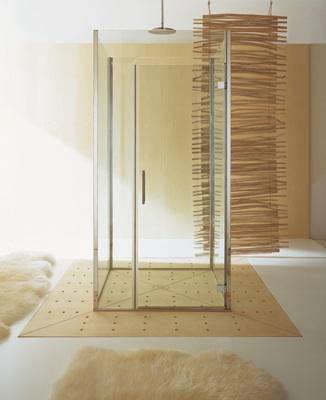
Some bathrooms whisper. Others announce themselves with marble, brass, and a bathtub large enough to host a small book club. Then there is the Bianchi & Fontana approach: quiet, exact, architectural, and so clean-lined that your shampoo bottles may suddenly feel underdressed.
Bianchi & Fontana is an Italian bathroom brand best known for stainless-steel and tempered-glass shower enclosures. In the world of luxury bath design, that may sound simple at first: steel, glass, water, done. But simplicity is precisely the point. A great shower enclosure is not supposed to shout over the rest of the bathroom. It should shape space, control water, let light move, and make the room feel calmer every time you walk in.
The phrase “Bath: Bianchi & Fontana” brings together several ideas modern homeowners care about: Italian craftsmanship, minimalist shower design, made-to-measure bathroom solutions, durable materials, spa-like comfort, and the increasingly popular move from bulky tub-shower combos toward elegant walk-in showers and wet-room layouts.
This guide explores what makes Bianchi & Fontana shower enclosures distinctive, how they fit into modern bathroom design, and what homeowners can learn from their styleeven if the nearest Italian showroom is not exactly around the corner.
What Is Bianchi & Fontana?
Bianchi & Fontana is a long-established Italian company associated with shower cabins, shower screens, and bath enclosures made from stainless steel and tempered glass. The brand’s history reaches back to the 1960s, with roots in stainless-steel work for furniture and interiors. That metalworking background matters because a shower enclosure is not just a pane of glass with a hinge. It is a daily-use architectural object that must survive humidity, movement, cleaning products, water pressure, and the occasional dramatic morning when someone is late and angry at the towel rack.
The company is especially known for using AISI 304 stainless steel, a corrosion-resistant grade commonly valued in environments exposed to moisture. Its shower systems often feature 8 mm tempered glass, custom sizing, and a range of polished, brushed, painted, or galvanic finishes. In plain English: the products are built to look refined, resist bathroom abuse, and fit spaces that do not always match standard box-store dimensions.
That last detail is important. Many real bathrooms are not perfect rectangles. Walls bow. Floors slope. Alcoves have personalities. Old houses especially enjoy surprising contractors with “fun facts” hidden behind tile. A made-to-measure shower enclosure can turn awkward space into a tailored design feature instead of a renovation headache.
The Design Idea: The Shower as Architecture
In many traditional bathrooms, the shower is treated as a utility zone: tile it, curtain it, close it, forget it. Bianchi & Fontana’s design language suggests something more elevated. The shower becomes a transparent room within a room. Glass defines it without visually shrinking the bathroom. Stainless-steel profiles create crisp edges. Sliding, hinged, folding, or walk-in configurations allow the enclosure to respond to the actual layout.
This is why the brand’s work feels aligned with contemporary American bathroom trends. Homeowners increasingly want bathrooms that feel open, relaxing, easy to clean, and spa-inspired. Walk-in showers, glass panels, built-in benches, linear drains, natural materials, and warmer finishes are now common in high-end remodels. A Bianchi & Fontana-style enclosure fits naturally into that world because it delivers structure without clutter.
Glass Keeps the Bathroom Feeling Larger
One reason glass shower enclosures remain so popular is visual openness. In a small bathroom, a solid wall or shower curtain can chop the room into pieces. Clear glass allows the eye to travel across the space, making the bathroom feel wider, brighter, and more intentional. This is especially useful in narrow city bathrooms, compact guest baths, or primary bathrooms where every inch has already filed a formal complaint.
Stainless Steel Adds Precision
Stainless steel brings a different mood from chrome-plated lightweight hardware. It feels architectural, durable, and quietly luxurious. Bianchi & Fontana’s emphasis on stainless steel also makes sense from a performance perspective. Bathrooms are wet, steamy environments, and quality metal components help preserve alignment, movement, and finish over time.
Custom Sizing Solves Real-Life Problems
Standard shower doors can work beautifully in standard spaces. But custom or made-to-measure enclosures are valuable when a bathroom includes a sloped ceiling, unusual alcove, oversized wet zone, or tub-shower combination that needs a more refined screen. This is where European shower design often shines: it treats the enclosure as part of the architecture rather than an accessory added at the end.
Why Bianchi & Fontana Matters in Modern Bath Design
Bathrooms have changed. They are no longer viewed as purely functional rooms where you brush your teeth and flee. In many homes, the primary bath has become a wellness zone, a design statement, and sometimes the only room where a parent can experience three uninterrupted minutes of silence. That makes the shower enclosure more important than people used to think.
A well-designed enclosure affects four major parts of the bathroom experience: layout, light, cleaning, and mood.
1. Layout
The right enclosure can make a small bath work better or a large bath feel more composed. Sliding doors save swing space. Hinged doors feel classic and easy to access when there is enough clearance. Fixed glass panels work beautifully in walk-in showers and wet rooms. Folding systems can be useful in tight layouts where a full door would be annoying.
Bianchi & Fontana offers the kind of design thinking that encourages homeowners to ask a better question. Not “Which door fits?” but “What shower system makes this bathroom feel intentional?” That small shift can dramatically improve the result.
2. Light
Glass shower enclosures help distribute light. If the bathroom has a window, skylight, or layered lighting plan, a transparent enclosure allows that brightness to reach deeper into the room. This is especially valuable in bathrooms with dark tile, natural stone, or moody color palettes. The glass prevents the design from feeling heavy.
3. Cleaning
No shower enclosure cleans itself, despite the hopes and dreams of humanity. However, better materials and fewer awkward seams can make maintenance easier. Smooth glass, quality seals, corrosion-resistant hardware, and accessible tracks or hinges all affect how simple the shower is to wipe down. A beautiful shower that is impossible to clean is not luxury. It is a part-time job with grout.
4. Mood
This may sound abstract, but it is real. Bathrooms influence daily rhythm. A cluttered, dark, poorly designed shower can make mornings feel more chaotic. A clean-lined glass and steel enclosure creates a sense of order. It turns showering from a rushed necessity into a small ritual. You may still be late for work, but at least you will be late in a better-designed emotional state.
Key Materials: Stainless Steel and Tempered Glass
The heart of the Bianchi & Fontana look is the pairing of stainless steel and tempered glass. These materials are common in premium shower enclosures for good reason.
Tempered Glass
Tempered glass is heat-treated to be stronger than ordinary glass. In shower enclosures, it is used for safety and durability. If it breaks, it is designed to crumble into smaller granular pieces rather than sharp shards. In American bathroom planning, safety glazing is a basic expectation for shower doors, tub enclosures, and nearby glass panels.
Thicker glass, such as 8 mm glass, also feels more substantial. It can reduce wobble, create a premium hand-feel, and support a cleaner frameless or semi-frameless look depending on the system. The difference is noticeable. Thin glass can feel like a nervous sneeze. Heavier glass feels like architecture.
AISI 304 Stainless Steel
AISI 304 stainless steel is widely used where corrosion resistance and durability matter. In a bathroom, that means hardware can better withstand repeated exposure to moisture, soap, mineral deposits, and cleaning routines. It also gives the shower a refined industrial elegance without making the room feel cold.
The finish changes the personality. Polished steel feels sleek and classic. Brushed steel is softer and more forgiving with fingerprints. Dark nickel or blackened finishes can make the enclosure more graphic. Bronze, brass, copper, or gold-toned finishes warm up stone, wood, and neutral tile palettes.
How to Design a Bathroom Around a Bianchi & Fontana-Style Shower
You do not have to copy an Italian catalog photo pixel for pixel to learn from this design approach. The key is restraint. Let the enclosure provide clarity, then build the room around texture, proportion, and useful details.
Choose Tile That Complements the Glass
Because glass reveals the shower interior, the tile inside the shower matters. Large-format porcelain, marble-look slabs, limestone, travertine-inspired tile, zellige-style surfaces, and textured ceramic can all work well. The cleaner the enclosure, the more visible your tile choices become.
For a serene look, use tonal tile and matching grout. For drama, use deep green, charcoal, clay, or warm stone colors. For a spa mood, combine sandy neutrals, soft white, wood vanities, and plants. Just avoid choosing tile only because it looks gorgeous in a showroom under perfect lighting. Showrooms are basically dating profiles for materials.
Plan the Drainage Early
Beautiful glass cannot rescue poor drainage. For walk-in showers and wet rooms, the floor slope, drain location, waterproofing system, curb height, and showerhead placement must be planned before installation. Linear drains can create a sleek look and are especially useful in curbless or barrier-free showers, but they require precise construction.
If water escapes the shower every morning, the bathroom may look minimalist, but your socks will disagree.
Think About Door Swing and Clearance
A hinged shower door often needs room to open outward. Sliding systems can be smarter in tight bathrooms. Fixed panels can be elegant, but the shower must be deep enough to control splash. Before choosing an enclosure style, mark the footprint on the floor with painter’s tape. Then pretend to open the door, reach for a towel, clean the glass, and rescue a dropped razor. Design is glamorous, yes, but it is also logistics in a bathrobe.
Add Niches, Benches, and Handheld Sprays
The best shower designs are not just pretty; they are useful. A built-in niche keeps bottles off the floor. A bench supports shaving, stretching, aging in place, or simply enjoying hot water like a civilized person. A handheld shower makes cleaning easier and improves accessibility. These elements should be planned before tile installation, not added later in a panic.
Bianchi & Fontana and the Wet-Room Trend
Wet rooms are increasingly popular in luxury bathroom design. A wet room typically places the shower, and sometimes the tub, inside a fully waterproofed zone. Glass panels may separate the area without completely closing it off. The look is open, modern, and spa-like.
Bianchi & Fontana’s glass-and-steel approach fits this trend well because it creates definition without visual heaviness. A fixed glass panel can shield the vanity from spray while preserving openness. A sliding enclosure can create a more controlled wet zone in a long narrow bathroom. A custom screen can protect a tub area while avoiding the floppy sadness of a plastic curtain liner.
Wet rooms require serious planning. Waterproofing must extend beyond the shower footprint. Flooring must be slip-resistant. Ventilation must be strong enough to manage steam. Storage must be protected from spray. Done well, a wet room feels like a boutique hotel. Done badly, it feels like the bathroom lost an argument with a garden hose.
Water Efficiency Still Matters
A luxury bath should not ignore water efficiency. In the United States, standard showerheads typically use up to 2.5 gallons per minute, while WaterSense-labeled showerheads use no more than 2.0 gallons per minute while meeting performance criteria for spray coverage and intensity. That difference can reduce water use without turning your shower into a sad drizzle.
The enclosure itself does not determine water consumption, but it influences how comfortable the shower feels. A well-sealed, properly sized glass enclosure helps retain warmth, control splash, and support a more satisfying shower experience. Pairing a premium enclosure with efficient fixtures is the sweet spot: beautiful, practical, and less rude to your utility bill.
Who Is a Bianchi & Fontana-Style Bath Best For?
This design style is ideal for homeowners who appreciate clean lines, high-quality materials, and bathrooms that feel calm rather than overly decorated. It works especially well for:
- Modern primary bathrooms with walk-in showers
- Small bathrooms that need visual openness
- Luxury renovations using stone, porcelain, or large-format tile
- Wet-room concepts with glass partitions
- Homes where durability and long-term design value matter
- Hotels, spas, yachts, and wellness spaces where daily performance is critical
It may not be the best fit for every project. If the budget is extremely tight, a custom stainless-steel and glass enclosure may be more than the room requires. If the bathroom is used mostly by small children, a tub-shower combination may still be practical. If privacy is a major concern, clear glass may need to be replaced with fluted, frosted, or textured glass.
Common Mistakes to Avoid
Choosing Looks Over Function
A shower enclosure must work every day. Do not choose a fixed panel only because it looks chic online. Make sure it controls splash, allows comfortable entry, and can be cleaned without circus-level flexibility.
Ignoring Ventilation
Glass enclosures, steam, and poor ventilation are not friends. A strong exhaust fan helps reduce moisture, protect finishes, and prevent mildew. The quieter the fan, the more likely people are to use it. Bathroom fans should not sound like a helicopter audition.
Forgetting Storage
Minimalist showers look great until five bottles, two razors, a loofah, and a mysterious conditioner from 2019 appear on the floor. Plan niches, ledges, or discreet shelving early.
Using Slippery Flooring
Highly polished tile may look glamorous, but shower floors need grip. Honed, matte, textured, or mosaic surfaces can provide better traction. Beauty is important. Remaining upright is also quite fashionable.
Experience Notes: Living With a Bianchi & Fontana-Inspired Bath
To understand the appeal of a Bianchi & Fontana-style bath, imagine the difference between entering a normal shower and entering a space designed with intention. The first experience is familiar: you pull a curtain, step over a curb, dodge the cold blast of water, and try not to knock over the shampoo lineup. The second feels calmer. The glass panel catches the light. The door moves smoothly. The stainless-steel edge feels solid in your hand. The room seems larger because nothing blocks the view. Even before the water starts, the space feels composed.
One practical experience homeowners often notice after switching to a glass enclosure is how much more visible the shower becomes. This is both wonderful and mildly bossy. Wonderful because beautiful tile, stone, and fixtures can finally be seen. Bossy because glass does not hide clutter. If your shower products look like a drugstore shelf after a small earthquake, the enclosure will not cover for you. The solution is simple: use fewer products, install a niche, and choose containers that do not visually fight the room.
Another experience is the daily value of quality hardware. Cheap shower doors may function at first, but small annoyances appear over time: rattling, sticking, misalignment, corrosion, weak seals, or handles that feel like they were designed by someone who has never met a wet hand. A better enclosure feels different because it removes friction from the routine. The door slides cleanly. The hinge feels secure. The seal does its quiet little job. Nobody applauds a shower seal, but everyone notices when it fails.
Cleaning also becomes part of the lifestyle. With clear glass, the best habit is not heroic scrubbing once a month. It is a quick squeegee after each shower, good ventilation, and gentle cleaning products that do not damage finishes. This sounds fussy until it becomes automatic. Thirty seconds after a shower can save a long weekend battle against mineral spots. It is the bathroom equivalent of flossing: annoying in theory, deeply helpful in practice.
Design-wise, a Bianchi & Fontana-inspired bath works best when the rest of the room respects the enclosure’s restraint. Pair it with warm stone, soft lighting, a floating vanity, matte tile, or natural wood. Let metal finishes repeat intentionally: stainless steel with cool neutrals, brushed nickel with stone, black nickel with graphic tile, bronze with warm beige or deep green. The enclosure should not look like it wandered in from another project.
For small bathrooms, the experience can be transformative. Replacing a curtain or bulky framed enclosure with clear glass can make the room feel less cramped almost instantly. It does not physically add square footage, but it changes perception. Suddenly the back wall matters. The tile continues visually. Light reaches the corners. The bathroom stops feeling like a closet that learned plumbing.
For larger bathrooms, the benefit is different. The enclosure creates discipline. Large bathrooms can become awkward if zones are not clearly defined. A glass-and-steel shower structure gives the room a focal point without building a heavy wall. It allows the vanity, tub, and shower to coexist while keeping the overall mood open and luxurious.
The most satisfying part may be longevity. Trendy bathrooms can age quickly when they rely too heavily on novelty. A clear glass enclosure with quality stainless-steel details has a better chance of staying relevant because it is based on proportion, material, and function. You can change towels, paint, accessories, or even vanity hardware later. The shower enclosure remains the quiet backbone of the room.
Conclusion
Bath: Bianchi & Fontana is more than a niche design reference. It represents a bathroom philosophy: use excellent materials, keep lines clean, customize where necessary, and let the shower become part of the architecture. With stainless steel, tempered glass, made-to-measure thinking, and a refined Italian sensibility, Bianchi & Fontana shows why a shower enclosure deserves more attention than it usually gets.
For homeowners planning a bathroom remodel, the lesson is clear. Do not treat the shower door as an afterthought. It affects light, layout, maintenance, comfort, and the entire mood of the room. Whether you choose a true Bianchi & Fontana product or simply borrow the design principles, the goal is the same: a bathroom that feels open, durable, elegant, and quietly luxurious.
Because in the end, a great bath is not just where you get clean. It is where the day begins, where the day ends, and occasionally where your best ideas arrive right after you have absolutely no way to write them down.
Note: This article is written as original, web-ready editorial content based on real design information about Bianchi & Fontana and current bathroom remodeling best practices.