

Juice has an impressive public-relations department. Put spinach, beets, or pomegranate in a sleek bottle, add a leaf to the label, and suddenly the drink looks capable of organizing your finances and improving your morning routine.
The truth is less magical but still encouraging. The healthiest juices can deliver vitamins, minerals, and beneficial plant compounds in a convenient form. However, juicing usually removes much of the fiber found in whole produce, making it easier to consume a large amount of natural sugar without feeling full. In other words, juice can be nutritious, but it is not fruit wearing a liquid costume.
The best approach is to choose 100% fruit or vegetable juice, watch the serving size, avoid added sugars, and treat juice as a supplement to a balanced dietnot a replacement for water, whole produce, or actual meals. Major health organizations continue to favor whole fruits and vegetables because they retain their fiber and tend to be more filling.
What makes one juice healthier than another?
No single juice earns the title of “healthiest” for everyone. The best choice depends on your nutritional needs, health conditions, medications, activity level, and what else you eat during the day. Still, several practical standards can help separate a genuinely nutritious beverage from fruit-flavored sugar water in an athletic-looking bottle.
It contains 100% juice
Look for the words 100% fruit juice or 100% vegetable juice on the label. Terms such as “juice drink,” “juice cocktail,” “fruit beverage,” and “fruit-flavored drink” may describe products containing water, sweeteners, flavoring, and only a small percentage of actual juice.
Next, inspect the Nutrition Facts panel and ingredient list. Added sugar may appear as cane sugar, corn syrup, agave, honey, or concentrated juice used primarily as a sweetener. The U.S. Food and Drug Administration distinguishes naturally occurring sugars in fruits and vegetables from sugars added during processing, including some concentrated fruit and vegetable juices used for sweetening.
It offers useful nutrients without an enormous sugar load
Many juices provide vitamin C, potassium, folate, carotenoids, polyphenols, or other plant compounds. Citrus fruits, tomatoes, and tomato juice are important dietary sources of vitamin C, for example. However, nutritional value should be considered alongside calories, total sugar, sodium, and serving size.
Fruit juice can contain nutrients and natural antioxidants, but its sugars are concentrated. Because much of the original fiber is missing, juice may affect blood glucose more quickly than whole fruit. That difference is especially relevant for people managing diabetes, insulin resistance, or appetite-related concerns.
The portion fits the person
A practical adult serving is usually about 4 to 8 fluid ounces, depending on the juice and the rest of the meal. The American Heart Association suggests keeping a juice serving to about one-half cup and choosing products labeled 100% juice. A juice glass should look like a small supporting actor, not the swimming pool from a luxury hotel.
Water should remain the main hydration beverage for most people. Juice can contribute fluid, but drinking several large glasses a day can quietly add hundreds of calories and a substantial amount of sugar. The Centers for Disease Control and Prevention recommends limiting 100% fruit or vegetable juice and choosing water or other unsweetened beverages more often.
Eight of the healthiest juices to consider
1. Low-sodium tomato juice
Tomato juice is one of the strongest everyday choices because it is generally lower in sugar than most pure fruit juices. It supplies vitamin C, potassium, and carotenoids such as lycopene. It also works well as the base of a vegetable blend containing celery, carrots, bell peppers, or leafy greens.
The main concern is sodium. Standard tomato and vegetable juices can contain surprisingly large amounts of salt, so compare brands and choose a low-sodium or no-salt-added version. Flavor it with black pepper, lemon, basil, smoked paprika, or a dash of hot sauce rather than turning the glass into a salt shaker with ambitions.
2. Beet juice
Beet juice contains dietary nitrates, which the body can convert into nitric oxide. Nitric oxide helps blood vessels relax and supports normal blood flow. Systematic reviews of clinical trials suggest that beetroot juice may produce modest reductions in blood pressure in some people, although it should not replace prescribed treatment.
Beet juice is also popular among endurance athletes because nitrate may support exercise efficiency under certain conditions. Concentrated beet “shots” can be potent, so follow the product instructions rather than assuming that more will transform you into a Tour de France finalist.
Beets may temporarily turn urine or stool pink or red, a harmless effect called beeturia. People with a history of calcium oxalate kidney stones or those taking blood-pressure medication should discuss frequent concentrated beet juice consumption with a health professional.
3. Pomegranate juice
Pomegranate juice is rich in polyphenols, including anthocyanins and ellagitannins. These compounds have antioxidant activity and are being studied for possible effects on vascular function and blood pressure.
The National Center for Complementary and Integrative Health notes that pomegranate juice or extract may help reduce blood pressure, but additional research is needed. That wording matters. “Promising” is not the same as “proven to cure everything before breakfast.”
Choose unsweetened 100% pomegranate juice and keep the portion modest. Its flavor is intense, making it a good candidate for dilution with sparkling water. A few ounces can provide plenty of taste without turning the drink into a calorie-heavy fruit punch.
4. Orange juice
Orange juice is a convenient source of vitamin C, folate, and potassium. Some products are fortified with calcium and vitamin D, which can be useful for people who consume little dairy or fortified plant milk.
Pulp-containing orange juice may retain slightly more fiber than pulp-free varieties, although it still provides far less fiber than a whole orange. A medium orange also takes time to peel and chew, while a tall glass of juice can contain the liquid from several oranges and disappear in six enthusiastic gulps.
Choose 100% orange juice with no added sugar. Pair a small serving with protein, healthy fat, or a fiber-rich mealsuch as eggs with whole-grain toast or plain yogurt with nutsrather than drinking it by itself when you are extremely hungry.
5. Prune juice
Prune juice is less glamorous than neon-green juice blends, but it has a useful résumé. Prunes and prune juice contain naturally occurring sorbitol, a sugar alcohol that can draw water into the intestines and promote bowel movements. MedlinePlus and Mayo Clinic resources include prune juice among options that may help relieve constipation.
Start with a small portion, because too much can cause gas, cramping, or diarrhea. Prune juice also contains a meaningful amount of natural sugar and calories. It should be viewed as a targeted digestive option rather than a beverage that needs to accompany every sandwich.
6. Tart cherry juice
Tart cherry juice contains anthocyanins and other polyphenols. It has attracted particular interest among athletes because studies have examined whether it supports recovery after strenuous exercise.
Recent systematic reviews suggest that tart cherry supplementation may help selected measures of muscle recovery or inflammation, but findings vary, and the certainty of the evidence is not uniformly high. It may be useful in specific training situations, yet it is not a substitute for sleep, adequate protein, sensible programming, or accepting that leg day has consequences.
Tart cherry concentrate is especially dense, so measure it according to the label and dilute it with water. Check for added sugar, as sweetened cherry drinks can be nutritionally closer to soda than to a carefully portioned recovery beverage.
7. Unsweetened cranberry juice
Pure cranberry juice contains polyphenols and has a sharp, distinctly unsweetened flavor. Many products sold as cranberry juice are actually sweetened cranberry cocktails because pure cranberry juice tastes as though the berry has filed a formal complaint.
Read the front and back labels carefully. A product may show cranberries prominently while listing water, sugar, apple juice concentrate, or grape juice concentrate among its main ingredients. Choose unsweetened 100% cranberry juice when possible and dilute it if the taste is too strong.
Cranberry products have been studied for urinary tract health, but juice should not be used to treat an active urinary tract infection. Anyone with burning urination, fever, back pain, blood in the urine, or persistent symptoms should seek medical care.
8. Vegetable-forward green juice
A vegetable-heavy juice can provide vitamins and minerals while containing less sugar than a blend dominated by apples, grapes, pineapple, or mango. Useful ingredients include cucumber, celery, spinach, kale, parsley, lemon, ginger, carrots, and a small amount of fruit for flavor.
Commercial green juice is not automatically low in sugar. Some bottles begin with apple or pineapple juice and contain only token amounts of leafy vegetables. Check the ingredient order: ingredients are generally listed from greatest to least by weight.
People taking warfarin or another medication affected by vitamin K should ask their health care provider how leafy-green juices fit into their treatment plan. Consistency may be especially important, as suddenly increasing concentrated greens can change vitamin K intake substantially.
Are apple and grape juice healthy?
Apple and grape juice can fit into a balanced diet, especially when they are unsweetened and served in small portions. They provide hydration and certain plant compounds, but they are often relatively high in natural sugar and low in fiber.
They are therefore not usually the strongest options for someone seeking maximum nutrition with minimal sugar. Eating an apple or a handful of grapes delivers more fiber and chewing satisfaction. If you enjoy the juice, consider mixing one part juice with one or two parts still or sparkling water.
Juice versus smoothies: Which is healthier?
Traditional juicing separates liquid from much of the pulp, skin, and fiber. Blending usually keeps the edible parts of the produce in the drink. As a result, a well-designed smoothie generally contains more fiber and may be more filling than juice.
A smoothie can also include protein and healthy fat from plain Greek yogurt, unsweetened soy milk, nut butter, chia seeds, flaxseed, or silken tofu. That combination may make it suitable as a light meal. Juice, by comparison, is usually better treated as a small beverage served alongside food.
Of course, smoothies can become dessert in activewear. Adding sweetened yogurt, fruit juice, honey, syrups, oversized portions, and multiple bananas can produce a drink with more calories than a full meal. The blender does not cancel arithmetic.
What about juice cleanses and detox programs?
Juice-only cleanses are often marketed as a way to remove toxins, reset digestion, improve energy, or produce rapid weight loss. Strong scientific evidence does not support these broad claims. The liver, kidneys, lungs, digestive tract, and skin already perform the body’s major waste-processing functions.
Mayo Clinic notes that juice cleanses may fail to provide adequate nutrition and may carry health risks. Any short-term weight loss can largely reflect reduced calorie intake, depleted carbohydrate stores, and changes in body water rather than a permanent metabolic transformation.
A juice cleanse may also provide too little protein, fat, and fiber while delivering a substantial amount of sugar. People with diabetes, kidney disease, eating-disorder histories, gastrointestinal conditions, or medication-related dietary restrictions should be especially cautious.
How to choose healthy juice at the grocery store
Use this simple label checklist:
- Look for 100% juice: Avoid products labeled primarily as cocktails, drinks, punches, or beverages.
- Check added sugars: Zero grams of added sugar is generally the best choice.
- Compare total sugar: Natural sugar still counts toward the drink’s carbohydrate and calorie content.
- Watch the serving size: A bottle may contain two or more servings even though most people drink it in one sitting.
- Review sodium: This is especially important with tomato and vegetable juices.
- Read the ingredient order: A “green” juice led by apple juice is mostly apple juice with excellent branding.
- Choose pasteurized products: This is particularly important during pregnancy and for children, older adults, and people with weakened immune systems.
The FDA warns that untreated fruit and vegetable juices have been linked to outbreaks of foodborne illness. Fresh-squeezed juice sold by the glass may not always carry a warning label, so higher-risk individuals should verify that it has been pasteurized or otherwise treated to destroy harmful bacteria.
Who should be especially careful with juice?
People taking certain medications
Grapefruit juice can change how the body processes certain prescription drugs, potentially causing too much or too little medication to enter the bloodstream. The interaction depends on the drug, the person, and the amount consumed. Check the medication guide or ask a pharmacist before drinking grapefruit juice regularly.
People managing blood sugar
Juice can raise blood glucose quickly because it delivers concentrated carbohydrate with little fiber. People with diabetes do not necessarily have to avoid every juice, but portion size, timing, medication, and total carbohydrate intake matter. A registered dietitian or diabetes care professional can provide individualized guidance.
Parents of young children
The American Academy of Pediatrics recommends no routine fruit juice for infants younger than 12 months. For older children, juice should be 100% juice and limited according to age. Whole fruit, water, and plain milk are generally preferred.
People concerned about dental health
Juice exposes the teeth to both sugar and acid. Frequently sipping it over several hours can be harder on enamel than drinking a small serving with a meal. The American Dental Association identifies sugary and acidic beverages as concerns for tooth decay and enamel erosion.
Drink juice in one sitting rather than carrying it around all afternoon, avoid putting children to bed with juice, and rinse the mouth with water afterward. Waiting before brushing may be sensible after highly acidic drinks because enamel can be temporarily softened.
Practical ways to enjoy juice more healthfully
- Pour juice into a small glass instead of drinking directly from the bottle.
- Dilute strong fruit juice with still or sparkling water.
- Serve juice with a balanced meal rather than using it as a meal.
- Choose vegetable-forward blends more often than fruit-heavy combinations.
- Keep whole fruit visible and convenient so juice does not replace it entirely.
- Avoid adding honey, agave, syrups, or extra sweeteners to homemade juice.
- Wash produce thoroughly and clean juicing equipment immediately after use.
A practical experience: Building a smarter juice routine
The following is a realistic composite of common household experiences and nutrition strategies, not a clinical experiment or a claim of personal medical treatment.
The first surprise when trying to improve a juice routine is usually the serving size. An 8-ounce glass looks almost comically small beside the oversized cups used for coffee, soda, and smoothies. The instinct is to fill the glass again because the beverage feels light. Yet measuring the juice reveals how quickly two casual refills can become 20 ounces.
A useful first step is to pour four ounces of 100% juice and add four ounces of cold sparkling water. Orange juice becomes a citrus spritzer, pomegranate juice turns into a bright dinner drink, and tart cherry concentrate becomes far easier to sip. The flavor remains noticeable, but the drink lasts longer and contains less sugar per glass.
The next lesson comes from reading ingredient lists. A bottle labeled “green vitality” may feature pictures of kale, cucumber, and celery while listing apple juice as the first ingredient. It can still be a legitimate 100% juice, but it may contain almost as much sugar as a fruit-only blend. Choosing a product led by tomato, cucumber, or another vegetable can make a meaningful difference.
Breakfast is another revealing test. Drinking a large glass of fruit juice alone may provide quick energy, followed by hunger well before lunch. Pairing a smaller portion with eggs, plain yogurt, oatmeal, nuts, or whole-grain toast tends to create a more satisfying meal. The juice contributes flavor and nutrients; the food provides the protein, fat, and fiber needed for staying power.
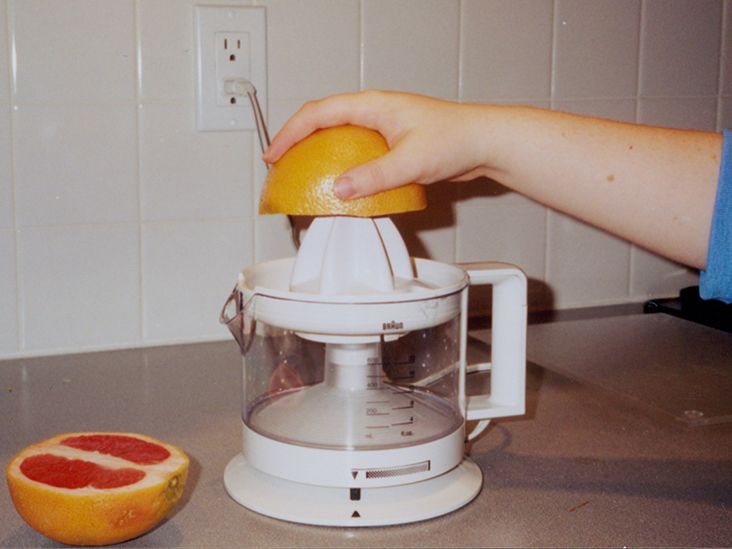
Homemade juicing introduces its own reality check: a surprisingly large pile of produce can shrink into one modest glass. Watching four carrots, two apples, a cucumber, and several handfuls of greens disappear into liquid makes the concept of concentrated calories much easier to understand. It also produces a container full of pulpthe physical evidence of what the drink is missing.
That pulp does not always need to go into the trash. Vegetable pulp can be added to soups, pasta sauce, muffins, fritters, or meatballs. Fruit pulp may work in oatmeal or quick breads. It will not restore all the fiber to the glass already consumed, but using it reduces waste and adds texture elsewhere in the diet.
After a few weeks, the most sustainable routine often becomes less dramatic than the original plan. Instead of preparing elaborate juices every morning, a person may keep low-sodium tomato juice for savory breakfasts, prune juice for occasional digestive needs, and small bottles of pomegranate or tart cherry juice for dilution. Whole oranges, apples, berries, and grapes return to the grocery cart because they are portable, filling, and require no machine disassembly.
The biggest benefit is not a detox glow or a miraculous transformation. It is learning to use juice deliberately. A small glass can add variety and nutrients. A vegetable blend can replace a sugary afternoon drink. Diluted juice can make hydration more interesting. Most importantly, juice stops pretending to be an unlimited health potion and settles into a more sensible role: a flavorful supporting player in an eating pattern built around whole foods.
Conclusion
The healthiest juices are 100% fruit or vegetable juices that provide useful nutrients without excessive added sugar, sodium, or oversized portions. Low-sodium tomato juice, beet juice, pomegranate juice, orange juice, prune juice, tart cherry juice, unsweetened cranberry juice, and vegetable-forward green juice can all serve different purposes.
Still, juice should complementnot replacewhole fruits and vegetables. Whole produce provides more fiber, is generally more filling, and makes it harder to consume a large amount of sugar quickly. For most adults, a small serving of juice with a balanced meal is more sensible than carrying a 24-ounce bottle around as though it contains the secret to eternal youth.
Note: This article provides general nutrition information and is not a substitute for individualized medical advice. People managing diabetes, kidney disease, digestive disorders, pregnancy-related concerns, medication interactions, or other health conditions should consult a qualified health professional.