

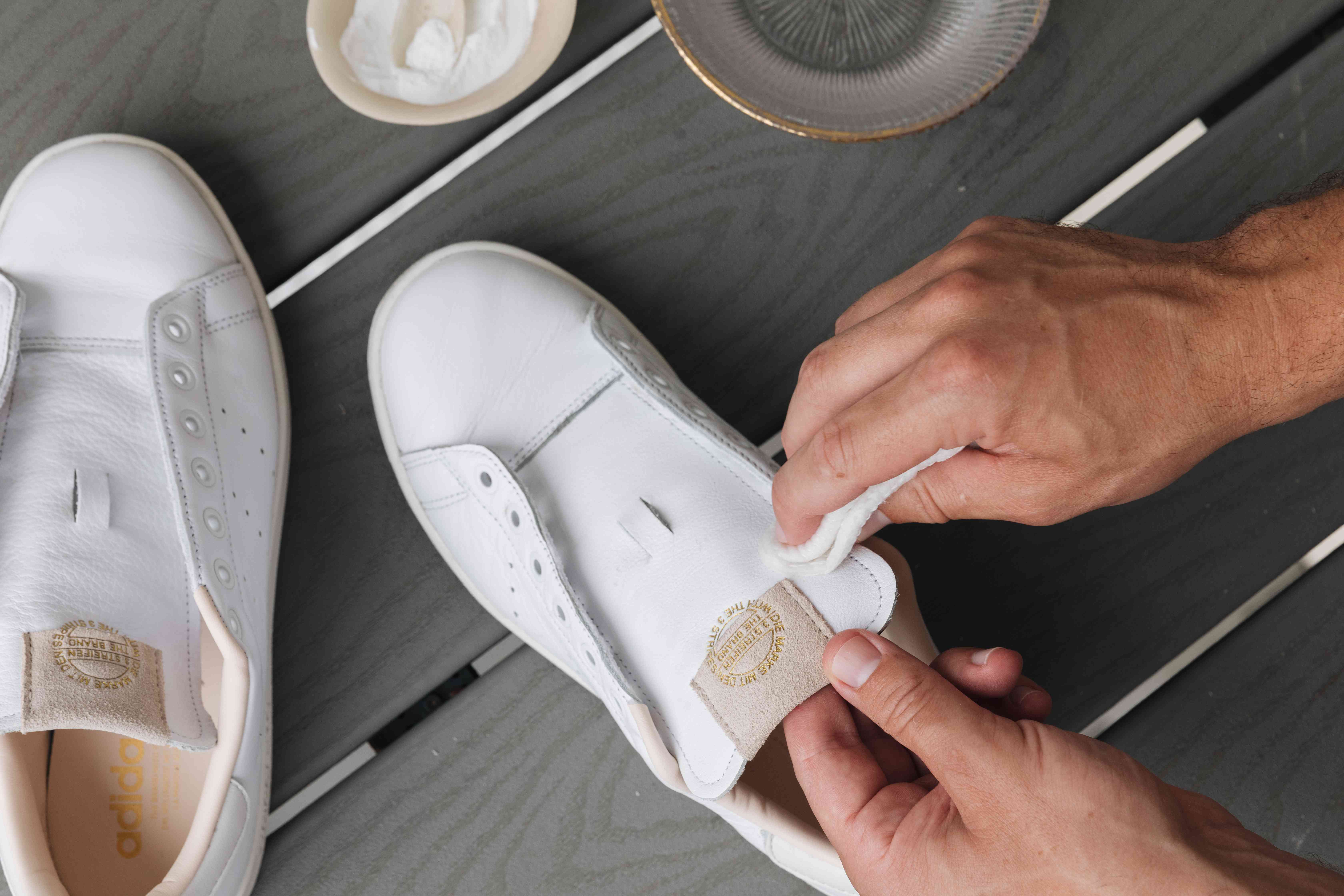
White shoes are the heroes of modern closets. They go with jeans, dresses, joggers, shorts, and that one outfit you swear you “threw together” even though it took 27 minutes. The downside, of course, is that white shoes seem to collect dirt through emotional attachment alone. One walk through a parking lot, one surprise puddle, one mysterious gray smudge from absolutely nowhere, and suddenly your crisp sneakers look like they’ve been through a low-budget action movie.
The good news is that cleaning white shoes is not complicated when you match the method to the material. That part matters. Canvas can usually handle a little more scrubbing. Leather needs a gentler touch. Suede is dramatic and will absolutely hold a grudge if you soak it. Mesh and knit materials need patience, not aggression. Use the right approach, and your shoes can look bright again without getting warped, yellowed, stiff, or sad.
This guide breaks down exactly how to clean white shoes by material, how to handle soles, laces, and insoles, which mistakes to avoid, and how to keep your shoes looking fresher for longer. In other words: less panic, more clean sneakers.
Before You Start: Read the Shoe, Not Just the Stain
Before you grab a toothbrush and go full detective mode on that scuff mark, check the shoe’s material and care instructions. This is the step many people skip, right before they accidentally turn soft suede into cardboard or make leather look thirsty forever.
Here is the safest rule of thumb:
- Canvas: Usually responds well to mild soap, soft brushing, and spot cleaning.
- Leather or faux leather: Best cleaned with a damp cloth, mild soap, and light pressure.
- Suede or nubuck: Needs a dry brush, suede eraser, or specialty cleaner. Less water is better.
- Mesh or knit: Gentle hand cleaning works best, especially around glued areas.
- Rubber soles: Often the easiest part to brighten with a soft scrub or cleaning eraser.
Also, test any cleaner on a small hidden area first. White shoes may be forgiving in color, but not always in finish.
Your Basic White Shoe Cleaning Kit
You do not need a laboratory. You need a few sensible tools and the self-control not to dump random chemicals on your sneakers.
Helpful supplies
- Soft-bristle brush or old toothbrush
- Microfiber cloth or soft white rag
- Mild dish soap or gentle laundry detergent
- Warm or cool water
- Baking soda
- White vinegar
- Non-gel white toothpaste for spot treatments
- Suede brush or suede eraser for suede shoes
- Small bowl
- Paper towels or clean towels for drying and shaping
A quick warning: more cleaner does not mean more clean. It usually means more rinsing, more residue, and more regret.
How to Clean White Canvas Shoes
Canvas shoes are usually the most forgiving of the bunch, which is lucky because they also attract stains like they are running a loyalty program. Think everyday slip-ons, classic low-tops, and casual summer sneakers.
Step 1: Remove the laces and loose dirt
Take out the laces first. Then dry-brush the uppers, seams, and rubber edge to remove surface dust, dried mud, or mystery sidewalk residue. This prevents you from rubbing dirt deeper into the fabric once water enters the chat.
Step 2: Mix a gentle cleaning solution
Combine a few drops of mild dish soap or detergent with warm water. For white canvas shoes with stubborn dinginess, many people also use a baking soda and vinegar paste or a baking soda and water paste. These can work well for spot cleaning, especially on scuffed toe areas and stained side panels.
Step 3: Scrub gently
Dip your brush or cloth into the solution and scrub in small circular motions. Focus on stained areas, but clean the whole shoe evenly so one section does not end up suspiciously brighter than the rest. Use a toothbrush around eyelets, stitching, and the rubber foxing.
Step 4: Wipe and rinse lightly
Use a clean damp cloth to wipe away soap and loosened grime. Do not soak the shoe unless the manufacturer says machine washing is safe. Hand cleaning gives you more control and is usually kinder to glue and shape.
Step 5: Air-dry properly
Stuff the shoes with paper towels to help absorb moisture and maintain shape. Let them dry at room temperature. Skip the dryer, the heater, and the urge to “speed things up.” Heat can weaken adhesives, shrink materials, and age your shoes in one afternoon.
Good for: white canvas fashion sneakers, school shoes, casual everyday pairs.
How to Clean White Leather Shoes
White leather shoes look polished and expensive right up until they pick up a black scuff from a stair, chair, curb, or existence itself. The good news is that leather is often easier to wipe clean than canvas. The bad news is that harsh cleaning can strip the finish and dry it out.
Step 1: Brush or wipe away loose debris
Start dry. Use a soft brush or cloth to remove dust and grit. This matters because rubbing dirt into leather is an excellent way to create scratches you did not previously have.
Step 2: Use mild soap and a damp cloth
Mix a little mild soap with water. Dampen, not drench, your cloth. Wipe the leather gently, working section by section. A soft brush can help around the sole edge and stitched areas, but the main rule is still “gentle.” Leather is not a kitchen floor.
Step 3: Treat stains carefully
For stubborn marks, a paste made from baking soda and water can help when used sparingly. Some people also use a white non-gel toothpaste for spot treatment. For rubber midsoles and toe caps, a cleaning eraser can be especially useful. Just keep it away from delicate suede or fabric areas.
Step 4: Wipe off residue
Use another clean damp cloth to remove any leftover cleaner. Residue can dull the finish and attract more dirt later, which is rude but true.
Step 5: Let the shoes dry and condition if needed
Let the pair air-dry naturally. If the leather feels dry afterward, apply a small amount of leather conditioner according to product directions. This helps keep the material supple and lowers the chance of cracking.
Avoid: bleach on leather, soaking, rough scrubbing, and direct heat.
How to Clean White Suede Shoes
Suede is the high-maintenance friend of the shoe world. Beautiful? Absolutely. Chill about moisture? Not even slightly. If your white suede shoes are dirty, resist the instinct to attack them with soap and water.
Step 1: Make sure the shoes are dry
Do not start cleaning wet suede unless you are specifically treating a fresh spill the right way. For general dirt and surface marks, suede should be dry first.
Step 2: Brush the nap gently
Use a suede brush or soft toothbrush to lift away dirt and restore the texture. Brush in light strokes and follow the grain. This step alone can make a surprising difference on dusty or lightly scuffed shoes.
Step 3: Use a suede eraser or specialty cleaner
For dry marks and scuffs, a suede eraser can help. Rub gently and then brush again. For deeper stains, use a cleaner specifically made for suede or nubuck. Some methods use tiny amounts of diluted vinegar on a cloth for spot treatment, but specialty suede products are the safer choice when you care about the finish.
Step 4: Dry naturally and brush again
After spot treatment, let the shoe dry fully at room temperature. Then brush again to restore the nap so it looks soft rather than flattened.
Golden rule: do not soak suede, do not machine wash it, and do not assume “just a little water” is harmless. Suede remembers everything.
How to Clean White Mesh, Knit, and Athletic Shoes
Running shoes and lightweight athletic sneakers often combine mesh, knit, foam, and glued overlays. Translation: they look easy to clean, but they need a balanced approach.
Best method
Dry-brush first, then use a mild soap solution with a soft cloth or soft brush. Clean gently so you do not fuzz the knit or force water into the structure. For dirty outsoles, a slightly firmer brush is usually fine.
Because these shoes often rely heavily on glue and layered construction, hand-washing is usually safer than tossing them into the washer. Even when a pair is technically machine-safe, hand cleaning usually helps preserve shape longer.
Odor tip
Sprinkle a little baking soda into dry shoes and let it sit for several hours or overnight before brushing it out. Clean insoles separately when possible. A shoe can look pristine and still smell like it ran a marathon through a gym bag.
How to Clean Soles, Laces, and Insoles
Rubber soles and midsoles
These are often the easiest parts to brighten. Use mild soap and a toothbrush or cleaning eraser. This quick step can make old shoes look dramatically better, even if the uppers are not perfect.
Laces
Remove them and soak in warm, soapy water. For very dingy white laces, scrub lightly with a toothbrush, rinse well, and air-dry flat. Re-lacing clean shoes with filthy laces is like showering and then putting on muddy socks. Technically allowed, spiritually confusing.
Insoles
If removable, clean them separately with a cloth, soft brush, and mild soap solution. Do not oversaturate foam insoles. Let them air-dry completely before putting them back in.
Mistakes That Can Ruin White Shoes
- Using too much water: especially dangerous for suede, leather, and glued athletic shoes.
- Throwing every pair in the washing machine: some canvas shoes may survive it, but many shoes should not be machine-washed.
- Using the dryer: heat can warp, shrink, crack, or weaken adhesives.
- Using bleach casually: it can yellow rubber, damage finishes, and create uneven whitening.
- Scrubbing too hard: aggressive cleaning can fray canvas, scratch leather, and rough up suede.
- Skipping the spot test: because learning the hard way is still learning, but it is not ideal.
How to Keep White Shoes White Longer
Maintenance matters more than miracle cleaning. It is much easier to wipe off a fresh mark than resurrect a pair that has been marinating in neglect for six months.
Simple habits that help
- Brush off dirt after wearing them.
- Clean small stains as soon as you notice them.
- Use a protectant that matches the material, especially for suede and leather.
- Store shoes in a dry, ventilated area.
- Avoid wearing white suede in rain, mud, or grass unless you enjoy unnecessary character-building exercises.
- Rotate pairs instead of wearing the same white shoes every day.
Real-World Experience: What Actually Happens When You Clean White Shoes Regularly
Anyone who owns white shoes for more than five minutes learns the same lesson: cleaning is less about one dramatic deep-clean and more about timing, consistency, and not making things worse in the name of helping. In real life, white shoes usually do not get dirty in one spectacular event. They collect layers. Dust on Monday. A coffee drip on Wednesday. Gray sidewalk haze by the weekend. Then one day you look down and realize your “white” shoes are now the color of old receipts.
One of the most useful experiences people have with white canvas shoes is discovering that quick maintenance beats heroic scrubbing. A two-minute wipe after wearing them often prevents the kind of embedded grime that later requires baking soda paste, extra brushing, and a level of emotional investment no sneaker should demand. Canvas tends to be forgiving, but it also loves to hold onto dirt around seams, eyelets, and the front toe area. The longer that dirt sits, the more likely you are to scrub harder than you should. That is usually when the fabric starts looking fuzzy or tired.
Leather teaches a different lesson. At first, people often assume leather is delicate and impossible to clean. Then they realize many white leather sneakers respond beautifully to a damp cloth and a little patience. The surprise is not that leather can get clean. The surprise is how often people damage it by over-cleaning. Too much soap leaves residue. Too much water can affect structure. Too much force can dull the finish. The best results usually come from calm, boring, consistent care, which is not very glamorous but works wonderfully.
Suede, meanwhile, is where confidence goes to be humbled. Many people try to treat suede like canvas exactly once. That is usually enough. The most common experience with white suede is realizing that dry tools matter more than wet ones. A suede brush, a suede eraser, and a little restraint can do more than a sink full of soapy optimism. Another hard-earned lesson is that prevention is not optional with suede. Wearing it in the wrong conditions is basically sending an invitation to stains.
Athletic shoes add one more reality check: shoes can look clean on top and still hide grime in the sole grooves, insoles, and mesh texture. That is why the best cleaning sessions usually happen in stages. First the laces come out. Then the loose dirt gets brushed off. Then the uppers are cleaned. Then the sole gets attention. Then everything dries fully before the shoe is reassembled. It sounds fussy until you compare the results with a rushed cleanup that leaves water marks, trapped odor, and one suspiciously clean shoelace.
The biggest real-world takeaway is simple. White shoes do not stay white because of one miracle product. They stay white because the owner notices dirt early, respects the material, air-dries patiently, and does not treat every pair like it can survive the same method. In other words, the secret is not magic. It is maintenance. Slightly annoying maintenance, yes, but still maintenance.
Conclusion
Cleaning white shoes is much easier when you stop searching for one universal trick and start matching the method to the material. Canvas usually likes mild soap and light scrubbing. Leather prefers a soft cloth and a gentle hand. Suede wants specialty care and as little moisture as possible. Mesh and athletic shoes do best with patient spot cleaning and proper air-drying.
If you remember only three things, make it these: brush off dirt before adding water, avoid high heat like it owes you money, and treat suede as the diva it is. Do that, and your white shoes have a much better shot at staying bright, wearable, and impressively less tragic.