

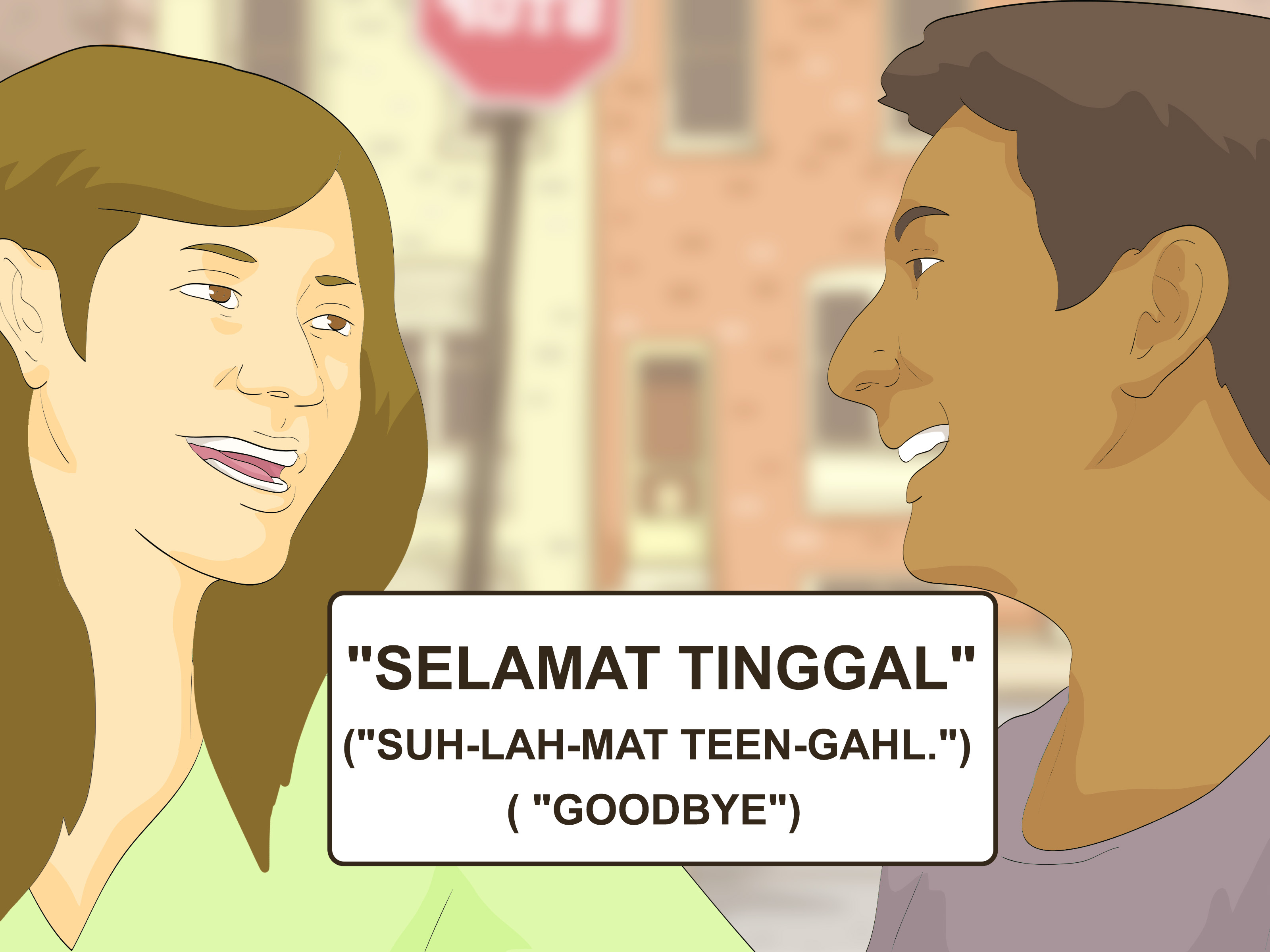
Learning how to say hello in Bahasa Indonesia is one of the easiest ways to turn a simple trip, online chat, or language lesson into a warmer human connection. The good news? Indonesian greetings are friendly, practical, and much less scary than trying to pronounce a 27-letter menu item while a hungry line forms behind you. Start with a few phrases, add a smile, and you already sound more thoughtful than someone who only points at Google Translate and hopes for the best.
Bahasa Indonesia, the national language of Indonesia, is known for being relatively approachable for English speakers. It does not use tones like some Asian languages, and many basic phrases are short and clear. Still, greetings matter because Indonesian communication is shaped by politeness, context, and respect. The way you greet a friend in a café is not always the same way you greet a hotel receptionist, teacher, elder, business contact, or someone you are meeting for the first time.
This guide focuses on three useful ways to say hello in Bahasa Indonesia: casual greetings like halo and hai, time-based greetings like selamat pagi, and conversational greetings like apa kabar?. By the end, you will know not only what to say, but when to say it, how to pronounce it, and how to avoid sounding like you learned Indonesian from a confused refrigerator magnet.
Why Indonesian Greetings Matter
In English, “hello” works almost everywhere. You can say it to your neighbor, your dentist, your boss, or a dog that looks emotionally available. Bahasa Indonesia gives you more options, and those options help you match the moment. A casual “hai” may feel natural with friends, while “selamat pagi” sounds more polite in formal settings. “Apa kabar?” moves the greeting into friendly conversation by asking, “How are you?”
Indonesian greetings also help show cultural awareness. Visitors who learn even a little of the local language often find that conversations become warmer. A shopkeeper may smile wider, a driver may become chattier, and a new acquaintance may appreciate the effort. You do not need perfect grammar to be polite. In fact, a sincere greeting with imperfect pronunciation usually beats silent awkwardness by a landslide.
1. Say “Halo” or “Hai” for a Simple Hello
The easiest way to say hello in Bahasa Indonesia is halo. It sounds very close to the English “hello,” though the vowel is usually cleaner and shorter. You can use it in casual situations, especially with people around your age, online conversations, friendly introductions, and relaxed social settings.
How to Pronounce “Halo”
Halo is pronounced roughly like HAH-loh. Keep it simple. Do not stretch it into “heyyyy-loooo” unless you are auditioning for a dramatic soap opera. Indonesian pronunciation is usually more direct than English, so crisp vowels are your friend.
Example:
Halo, nama saya Daniel.
Hello, my name is Daniel.
Halo, senang bertemu denganmu.
Hello, nice to meet you.
When to Use “Hai”
Hai is another casual greeting. It is similar to “hi” in English and is often used among friends, younger people, classmates, coworkers in relaxed environments, and social media messages. If “halo” feels like a regular handshake, “hai” feels like a friendly wave.
Example:
Hai, apa kabar?
Hi, how are you?
Hai, kamu mau ke mana?
Hi, where are you going?
Is “Halo” Formal or Informal?
Halo is flexible, but it leans casual. You might hear it on the phone, in messages, or when someone wants to get attention. In more formal situations, such as greeting a teacher, older person, office staff member, or someone you have just met in a professional setting, time-based greetings are usually safer. Think of “halo” as friendly and useful, but not always the most polished choice.
For example, if you walk into a small guesthouse in Yogyakarta at 9 a.m., saying “Selamat pagi” will sound more respectful than a quick “Hai.” Nobody will call the language police if you say “hai,” but choosing the more polite greeting shows you understand the setting.
2. Use “Selamat” Greetings Based on the Time of Day
The most classic way to say hello in Bahasa Indonesia is by using selamat plus a time of day. Selamat can mean “safe,” “good,” or “blessed” depending on context. In greetings, it works like “good” in English expressions such as “good morning” or “good evening.”
These greetings are polite, widely understood, and useful in both formal and everyday situations. They are perfect for hotels, restaurants, classrooms, offices, tours, shops, and first meetings.
Selamat Pagi: Good Morning
Selamat pagi means good morning. It is commonly used from early morning until around late morning or before noon.
Pronunciation: suh-LAH-maht PAH-gee
Example:
Selamat pagi, Pak.
Good morning, sir.
Selamat pagi, Bu. Apa kabar?
Good morning, ma’am. How are you?
Here, Pak is a respectful form of address for a man, similar to “sir” or “Mr.” Bu is a respectful form for a woman, similar to “ma’am” or “Mrs.” These small words are extremely useful because Indonesian politeness often includes respectful address terms.
Selamat Siang: Good Day or Good Afternoon
Selamat siang is used around midday and early afternoon. It can be translated as “good day” or “good afternoon,” depending on the situation. Many learners find this one tricky because English does not divide the day in exactly the same way Indonesian does.
Pronunciation: suh-LAH-maht SEE-ahng
Example:
Selamat siang. Saya mau pesan nasi goreng.
Good afternoon. I would like to order fried rice.
This greeting is useful in restaurants, offices, schools, and public places. It sounds polite without being stiff. If you are unsure whether it is still morning or already afternoon, do not panic. Indonesians are usually forgiving, especially when they can tell you are learning.
Selamat Sore: Good Late Afternoon
Selamat sore is used in the late afternoon, usually after mid-afternoon and before evening. English speakers sometimes translate it as “good afternoon,” but it refers more specifically to the later part of the afternoon.
Pronunciation: suh-LAH-maht SOH-ray
Example:
Selamat sore, semuanya.
Good afternoon, everyone.
You might use selamat sore when entering a class, greeting a tour guide, meeting someone after work, or arriving at a late-afternoon appointment. It has a calm, polite feelinglike the language equivalent of golden-hour lighting.
Selamat Malam: Good Evening
Selamat malam means good evening and is used after dark. It can also sometimes mean “good night” as a greeting, depending on context. However, if someone is going to sleep, selamat tidur means “sleep well” or “good night” in the bedtime sense.
Pronunciation: suh-LAH-maht MAH-lahm
Example:
Selamat malam. Apakah masih buka?
Good evening. Are you still open?
Selamat malam, sampai jumpa besok.
Good evening, see you tomorrow.
Quick Guide to Time-Based Indonesian Greetings
| Indonesian Greeting | Meaning | Best Time to Use | Use Case |
|---|---|---|---|
| Selamat pagi | Good morning | Morning | Hotels, schools, offices, daily greetings |
| Selamat siang | Good day / early afternoon | Midday to early afternoon | Restaurants, shops, business settings |
| Selamat sore | Good late afternoon | Late afternoon | Meetings, casual visits, appointments |
| Selamat malam | Good evening | Evening or night | Dinner, evening events, late arrivals |
3. Say “Apa Kabar?” to Ask “How Are You?”
The phrase apa kabar? means how are you? It is one of the most useful Indonesian greetings because it turns a simple hello into a friendly exchange. Literally, apa means “what,” and kabar means “news” or “condition.” So the phrase is something like “What’s the news?” or “How are things?”
How to Pronounce “Apa Kabar?”
Apa kabar? is pronounced roughly like AH-pah KAH-bar. The “r” at the end of kabar may be lightly rolled or tapped depending on the speaker, but beginners do not need to obsess over it. Your goal is clear and friendly, not “national news anchor by breakfast.”
Example:
Halo, apa kabar?
Hello, how are you?
Selamat pagi. Apa kabar?
Good morning. How are you?
How to Answer “Apa Kabar?”
The most common answer is baik, which means good or fine.
Example:
Apa kabar?
How are you?
Baik, terima kasih.
I’m fine, thank you.
You can also say:
Baik-baik saja.
I’m doing fine.
Sangat baik.
Very good.
Lumayan.
Not bad / okay.
Kurang baik.
Not very good.
If you want to return the question, say:
Baik, terima kasih. Bagaimana dengan Anda?
I’m fine, thank you. How about you?
For a more casual version, especially with friends, you may say:
Baik. Kamu?
Good. You?
Use “Anda” or “Kamu” Carefully
In Indonesian, Anda means “you” in a more formal or neutral way. Kamu is informal and better used with friends, younger people, or people you know well. When speaking to elders, teachers, new acquaintances, or people in service and professional settings, it is often better to use respectful address terms like Pak or Bu, or to avoid “you” altogether when the sentence still makes sense.
For example, instead of saying “Kamu apa kabar?” to someone older, you could say:
Apa kabar, Bu?
How are you, ma’am?
Apa kabar, Pak?
How are you, sir?
Choosing the Right Hello in Real-Life Situations
Now that you know the three main ways to say hello in Bahasa Indonesia, the next step is choosing the right one. The phrase itself matters, but the situation matters just as much. Greetings are social tools. You would not use a beach umbrella to fix a bicycle tire, and you would not shout “HAI!” across a quiet hotel lobby unless your goal is to become memorable for the wrong reason.
At a Hotel or Guesthouse
If you are checking in during the morning, say:
Selamat pagi.
Good morning.
If it is evening, say:
Selamat malam.
Good evening.
You can add Pak or Bu if appropriate. This small addition makes your greeting sound more respectful and natural.
With Friends or Classmates
With people your age or close friends, casual greetings are perfectly fine.
Hai! Apa kabar?
Hi! How are you?
Halo! Lama tidak bertemu.
Hello! Long time no see.
Casual Indonesian often feels relaxed and warm, but remember that relationships matter. Use informal language after you have a sense that the other person is comfortable with it.
In a Shop or Restaurant
A time-based greeting is a reliable choice in shops, cafés, markets, and restaurants.
Selamat siang. Saya mau pesan kopi.
Good afternoon. I would like to order coffee.
Selamat sore. Berapa harganya?
Good afternoon. How much is it?
A polite greeting can make everyday transactions friendlier. It also shows that you are making an effort instead of treating the language like a decorative travel accessory.
Common Mistakes When Saying Hello in Bahasa Indonesia
Using “Selamat Tidur” as a Greeting
Selamat tidur means “sleep well” or “good night” when someone is going to sleep. It is not the normal greeting when you meet someone at night. If you walk into a restaurant and say selamat tidur, you are basically wishing the waiter a nice nap. Sweet? Yes. Correct? Not quite.
Use selamat malam when greeting someone in the evening.
Using “Hai” in Every Situation
Hai is friendly, but it is not always the best choice. In formal situations, use selamat pagi, selamat siang, selamat sore, or selamat malam. When in doubt, choose the more polite greeting. It is easier to become more casual later than to recover from sounding too casual too soon.
Forgetting Body Language
In Indonesia, a warm smile goes a long way. A handshake may be used in introductions, though it can vary by region, religion, age, and personal comfort. Some people may place a hand lightly on the chest after shaking hands as a sign of respect. As a learner, the safest approach is to smile, greet politely, and follow the other person’s lead.
Mini Conversation Examples
Formal Morning Greeting
A: Selamat pagi, Bu.
B: Selamat pagi.
A: Apa kabar?
B: Baik, terima kasih.
Casual Greeting Between Friends
A: Hai! Apa kabar?
B: Baik. Kamu?
A: Lumayan.
Greeting at a Restaurant
A: Selamat malam.
B: Selamat malam. Mau pesan apa?
A: Saya mau pesan nasi goreng.
Pronunciation Tips for Beginners
Indonesian pronunciation is often more consistent than English pronunciation. That is wonderful news because English sometimes behaves like it was assembled during a thunderstorm. In Bahasa Indonesia, vowels are generally clear and stable.
The letter a usually sounds like ah. The letter i usually sounds like ee. The letter u sounds like oo. The letter e can vary, but beginners can still be understood if they speak clearly and listen carefully. The letter r is often tapped or rolled, but you do not need to master it immediately to be understood.
Try saying these slowly:
Halo HAH-loh
Hai high
Selamat pagi suh-LAH-maht PAH-gee
Selamat siang suh-LAH-maht SEE-ahng
Selamat sore suh-LAH-maht SOH-ray
Selamat malam suh-LAH-maht MAH-lahm
Apa kabar? AH-pah KAH-bar
Extra Useful Greeting Phrases
Once you know the basics, you can expand your Indonesian greeting toolkit with a few more everyday phrases.
Nice to Meet You
Senang bertemu dengan Anda.
Nice to meet you.
For casual situations, you may hear shorter or more relaxed variations, but this phrase is polite and useful for beginners.
Long Time No See
Lama tidak bertemu.
Long time no see.
This is a friendly phrase to use when meeting someone after a while. It pairs naturally with apa kabar?
See You Later
Sampai jumpa.
See you.
Sampai nanti.
See you later.
Sampai besok.
See you tomorrow.
Experience Section: What It Feels Like to Use Indonesian Greetings in Real Life
The first time you use a greeting in Bahasa Indonesia, you may feel slightly ridiculous. That is normal. Every language learner goes through a moment where the brain whispers, “Are we really doing this?” Yes, we are. And we are doing great.
Imagine arriving at a small café in Bali in the morning. You could walk in silently, stare at the menu, and point at coffee like a sleepy international mime. Or you could smile and say, “Selamat pagi.” The phrase is simple, but it changes the energy. The person behind the counter may smile back, answer with the same greeting, and suddenly the interaction feels more personal. You are no longer just another customer ordering caffeine with desperation in your eyes. You are someone who tried.
One of the best experiences with Indonesian greetings is how quickly they create small moments of connection. In many places, especially outside highly touristy areas, saying selamat pagi, selamat sore, or apa kabar? can open the door to a warmer exchange. You might receive a cheerful “Baik!” in return. Someone may ask where you are from. A driver may teach you another phrase. A shopkeeper may correct your pronunciation kindly. These little moments are often more memorable than the big sightseeing checklist.
Using apa kabar? can feel especially rewarding because it invites a response. It is not just a sound you make when entering a room; it is a question that says, “I see you as a person.” Of course, you do not need to ask it in every single transaction. If someone is extremely busy, a quick selamat siang may be enough. But in slower, friendlier settings, apa kabar? can turn a basic greeting into a real conversation.
Another useful experience is learning when not to overdo it. Beginners sometimes become so excited that they greet everyone with every phrase they know at once: “Halo! Selamat pagi! Apa kabar! Senang bertemu! Sampai jumpa!” That is enthusiastic, but it can sound like a language-learning app exploded in the doorway. A natural greeting is usually short. Pick one greeting, say it clearly, and let the conversation breathe.
Travelers often discover that time-based greetings are the safest and most elegant choice. At a hotel desk, selamat malam feels respectful. At a morning market, selamat pagi sounds cheerful. In a late-afternoon meeting, selamat sore fits beautifully. These phrases help you match the rhythm of the day, which is part of why they feel so natural in Indonesian.
Online, the experience is different. In messages, halo and hai are common and friendly. If you are chatting with an Indonesian friend, starting with “Hai, apa kabar?” feels relaxed and approachable. If you are writing a more formal email, however, a greeting like “Selamat pagi” or “Selamat siang” may be more appropriate, followed by the person’s name or title.
The biggest lesson is that greetings are not just vocabulary. They are social signals. They show respect, friendliness, timing, and awareness. Even if your pronunciation is not perfect, people usually appreciate the effort. A simple hello in Bahasa Indonesia can make travel smoother, friendships warmer, and language learning more fun. And honestly, that is a pretty impressive return on just a few syllables.
Conclusion
Learning three ways to say hello in Bahasa Indonesia gives you a strong foundation for everyday communication. Use halo or hai for casual greetings, choose selamat pagi, selamat siang, selamat sore, or selamat malam for polite time-based greetings, and say apa kabar? when you want to ask how someone is doing. These phrases are simple, practical, and useful in real conversations.
The secret is not memorizing every possible greeting at once. Start with the phrase that fits your situation. Smile. Speak clearly. Listen to how native speakers respond. With a little practice, saying hello in Indonesian will feel less like a language test and more like what it really is: a friendly beginning.
Note: This article is based on synthesized, real-world Indonesian language learning guidance and written as original web-ready content.