

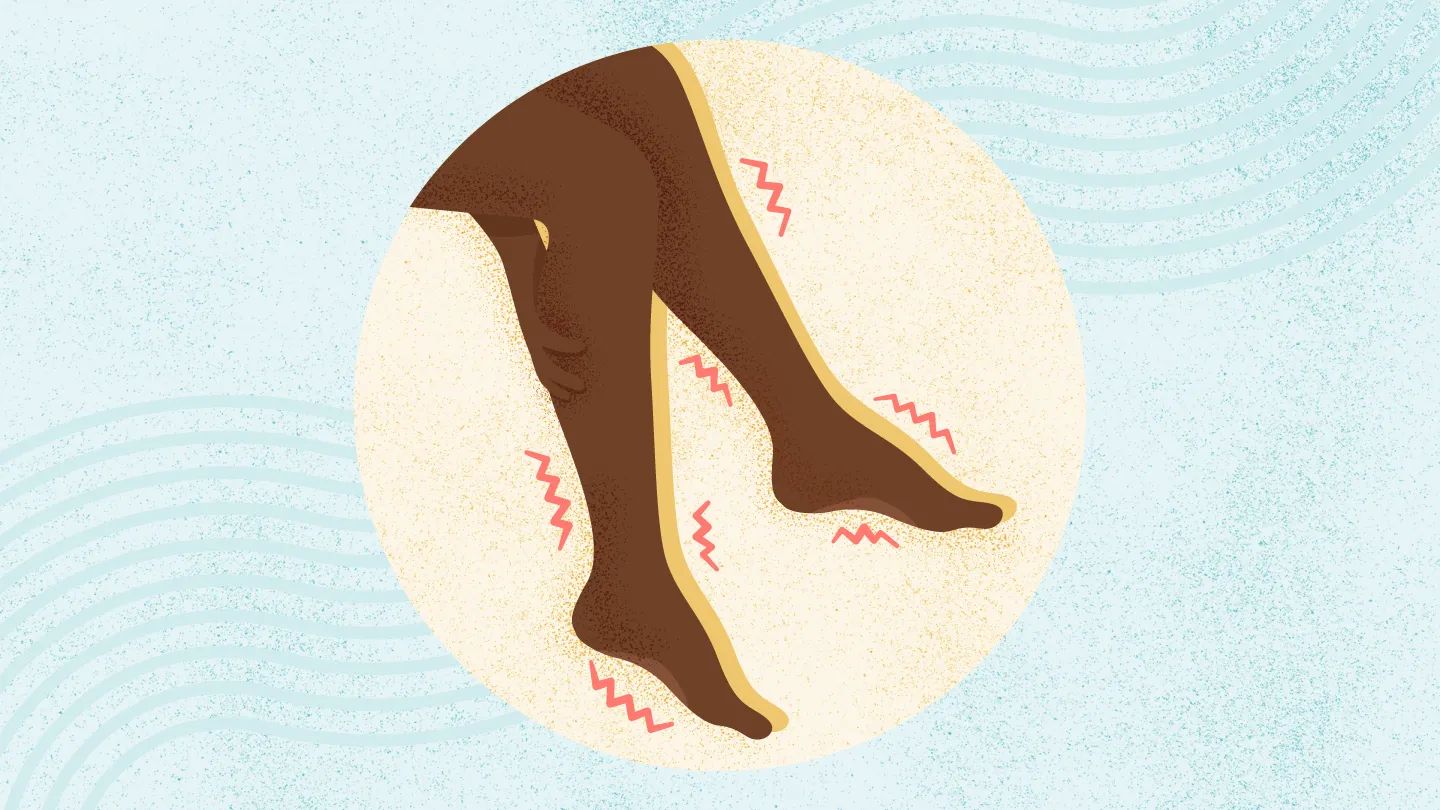
Just as you settle into bed, your legs decide it is time to audition for a dance competition. You may feel crawling, tingling, pulling, itching, aching, or an almost impossible-to-describe discomfort deep inside your limbs. Moving brings relief, but only temporarily. The moment you become still again, the strange sensations return for an encore.
This pattern is characteristic of restless legs syndrome, commonly abbreviated as RLS. Also called Willis-Ekbom disease, RLS is a neurological and sleep-related movement disorder that produces an intense urge to move the legs. Symptoms usually begin or worsen during rest, improve with movement, and become more noticeable in the evening or at night.
Although the name can sound mildly inconvenient, moderate or severe RLS may repeatedly interrupt sleep, reduce daytime concentration, strain relationships, and make ordinary activities such as traveling, attending a movie, or sitting through a meeting surprisingly difficult. Fortunately, identifying triggers, checking iron status, treating contributing conditions, and selecting appropriate therapy can provide meaningful relief.
What Is Restless Legs Syndrome?
Restless legs syndrome is defined primarily by its distinctive pattern of symptoms rather than by one laboratory test or brain scan. The central feature is an irresistible or difficult-to-resist urge to move one or both legs. That urge is often accompanied by uncomfortable sensations beneath the skin or deep within the muscles.
People describe the sensations in remarkably creative ways: crawling insects, fizzy electricity, internal itching, tugging, bubbling, burning, throbbing, or an uncomfortable energy trapped inside the legs. The discomfort is usually not located in a single joint or sore muscle. It may affect the calves, thighs, feet, or the entire leg. In more severe cases, similar sensations can occur in the arms.
RLS commonly follows four recognizable rules:
- An urge to move: The person feels compelled to move the legs, often because of unpleasant internal sensations.
- Symptoms begin during rest: Sitting or lying down tends to bring them on or make them worse.
- Movement provides relief: Walking, stretching, rubbing, or jiggling the legs reduces the discomfort temporarily.
- Symptoms are worse later in the day: Evening and nighttime episodes are typical, especially when the condition is established.
Clinicians also confirm that the symptoms are not better explained by another problem, such as muscle cramps, arthritis, leg swelling, habitual foot tapping, or an uncomfortable sitting position.
Common Restless Legs Syndrome Symptoms
An Overwhelming Urge to Move the Legs
The defining symptom is not simply “fidgeting.” It is a compelling physical urge that can become difficult to ignore. A person may need to stand, pace, stretch, bend the knees, massage the calves, or repeatedly shift position. Movement often works quickly, but the relief may disappear as soon as the person sits or lies down again.
Unusual Sensations Inside the Limbs
RLS sensations vary considerably. They may feel like creeping, pulling, tingling, itching, buzzing, aching, burning, or electrical pulses. Some people experience discomfort without finding any word that fits. “My legs feel wrong” may be the most accurate description they can provide.
Symptoms Triggered by Inactivity
Long periods of stillness are common triggers. Symptoms may appear while resting in bed, working at a desk, riding in a car, flying, watching television, or sitting in a theater. This rest-related pattern helps distinguish RLS from many injuries, which often hurt more during physical activity.
Evening or Nighttime Worsening
RLS has a strong circadian pattern. Symptoms are generally milder in the morning and more troublesome in the evening. Someone may sit comfortably during breakfast but find the same chair intolerable after dinner. In severe cases, symptoms can occur earlier in the day, particularly when sleep deprivation or medication-related augmentation is involved.
Difficulty Falling or Staying Asleep
Because RLS often strikes at bedtime, it can delay sleep for minutes or hours. Some people repeatedly leave bed to walk around the house. Others fall asleep but wake when the sensations return. The result can be insomnia, fatigue, irritability, reduced attention, and the feeling that the alarm clock has committed a personal betrayal.
Periodic Limb Movements During Sleep
Many people with RLS also have periodic limb movements during sleep, involving repeated bending or jerking of the legs. These movements may be noticed by a bed partner before the person experiencing them becomes aware. However, periodic limb movements are not the same as RLS and can occur in people who do not have the syndrome.
What Causes Restless Legs Syndrome?
RLS can be primary, meaning no separate disease fully explains it, or secondary, meaning it is associated with another medical condition, physiological state, or medication. Researchers continue to study the disorder, but altered iron handling in the brain and changes in pathways involving dopamine appear to play important roles.
Genetic Susceptibility
RLS often runs in families, particularly when symptoms begin earlier in life. Having a close relative with the disorder does not guarantee that someone will develop it, but inherited genetic variants can increase susceptibility. Family members may describe their condition differently, so one person’s “restless legs” may be another relative’s mysterious history of pacing the hallway every night.
Low Iron Stores
Iron deficiency is one of the most important reversible contributors to RLS. A person can have inadequate iron stores even without obvious anemia. This is why clinicians may order ferritin and transferrin saturation tests rather than relying only on hemoglobin levels.
Iron supports several brain processes, including dopamine production and function. When medically appropriate, correcting low iron stores may reduce RLS symptoms substantially. However, iron supplements should not be taken casually: excessive iron can be harmful, and treatment should be guided by blood testing and professional monitoring.
Pregnancy
RLS can begin or worsen during pregnancy, especially later in pregnancy. Hormonal changes, altered sleep, and increased iron requirements may contribute. Symptoms often improve after delivery, although persistent or severe cases should be evaluated rather than dismissed as one more item on pregnancy’s already lengthy complaint list.
Chronic Kidney Disease
RLS occurs more frequently among people with advanced kidney disease, particularly those receiving dialysis. Iron deficiency, anemia, metabolic changes, neuropathy, and disrupted sleep may all contribute. Managing RLS in this setting usually requires coordination with a kidney specialist.
Neuropathy and Other Health Conditions
Peripheral neuropathy, diabetes, spinal cord disorders, and certain neurological conditions may be associated with RLS-like symptoms. Some individuals also have sleep apnea or another sleep disorder that worsens sleep deprivation and makes RLS more difficult to tolerate.
Medications and Substances That May Worsen RLS
Certain medications can trigger or intensify symptoms in susceptible people. Possible offenders include some sedating antihistamines, anti-nausea medicines, antidepressants, and antipsychotic drugs. Caffeine, nicotine, and alcohol may also aggravate symptoms or interfere with sleep.
Do not abruptly stop a prescribed medication because it appears on a list of possible triggers. A healthcare professional can review the timing, dosage, benefits, alternatives, and risks. Sometimes a medication adjustment helps; sometimes the medication is essential and RLS must be managed in another way.
How Is Restless Legs Syndrome Diagnosed?
RLS is usually a clinical diagnosis. In other words, the conversation with the patient is the main diagnostic tool. There is no single scan, nerve test, or overnight study that proves every case.
A clinician will ask when symptoms occur, what they feel like, whether movement helps, whether they are worse at night, how frequently they happen, and how much they interfere with sleep or daily activities. A family history and a complete medication review can provide important clues.
Physical and Neurological Examination
The physical examination is often normal in primary RLS. Still, an examination can identify swelling, joint disease, poor circulation, muscle problems, or signs of neuropathy that suggest a different or contributing condition.
Blood Tests
Testing commonly includes iron-related measurements such as ferritin, serum iron, total iron-binding capacity, and transferrin saturation. Depending on the person’s history, a clinician may also check a complete blood count, kidney function, glucose, vitamin levels, thyroid function, or other markers.
Is a Sleep Study Necessary?
An overnight sleep study is not routinely required to diagnose classic RLS. It may be useful when symptoms are unclear, unusual movements occur during sleep, or another condition such as obstructive sleep apnea is suspected. A study can document periodic limb movements, breathing interruptions, and sleep disruption, but it does not replace a careful symptom history.
Conditions That Can Resemble RLS
Leg cramps usually produce a sudden, painful muscle contraction rather than an internal urge to move. Neuropathy can cause persistent burning or numbness that may not improve with walking. Arthritis is typically centered around joints. Venous disease may cause swelling or heaviness. Akathisia produces generalized motor restlessness and can be medication-related, but it may lack RLS’s nighttime pattern and unpleasant leg sensations.
Getting the distinction right matters because the treatments are not interchangeable. A stretching routine may help a cramped calf, but it will not correct iron deficiency; an iron infusion will not repair arthritis; and randomly throwing supplements at every twitching leg is not a diagnostic strategy.
Restless Legs Syndrome Treatment
Treatment depends on symptom frequency, severity, contributing conditions, iron status, pregnancy status, other medications, and the degree of sleep disruption. Mild, occasional RLS may respond to trigger management and behavioral changes. Persistent or severe symptoms may require iron therapy or prescription medication.
Correct Iron Deficiency
Iron treatment may be recommended when laboratory results show inadequate iron availability. Oral iron is appropriate for some patients, while intravenous iron may be considered when oral products are ineffective, poorly absorbed, not tolerated, or unlikely to meet the clinical need.
Iron therapy requires medical supervision. The appropriate product, dose, route, and follow-up testing vary. Taking more iron is not automatically better, and a bottle purchased next to the multivitamins does not come with a built-in hematologist.
Improve Sleep Habits
A regular sleep schedule can reduce the sleep deprivation that often intensifies RLS. Helpful habits include maintaining consistent bed and wake times, creating a cool and comfortable bedroom, limiting bright screens near bedtime, and allowing enough time for sleep.
Use Moderate Exercise
Regular moderate activity may improve symptoms and general sleep quality. Walking, cycling, swimming, yoga, and gentle strength training are reasonable options. Extremely intense exercise, particularly close to bedtime, can worsen symptoms for some people, so the goal is consistency rather than attempting to defeat RLS with one heroic workout.
Try Heat, Cold, Massage, or Stretching
A warm bath, heating pad, cool pack, calf massage, foam rolling, or gentle stretching may provide short-term relief. These methods do not address every underlying cause, but they can make an episode more manageable while a broader treatment plan takes effect.
Review Caffeine, Alcohol, and Nicotine
Reducing caffeine, especially later in the day, may help. Alcohol can fragment sleep and worsen nighttime symptoms, while nicotine stimulates the nervous system and may interfere with rest. Keeping a symptom diary can reveal whether a particular substance consistently causes trouble.
Gabapentinoid Medications
Updated American sleep-medicine guidance strongly supports gabapentin, gabapentin enacarbil, and pregabalin for many adults with clinically significant RLS. These medications influence calcium-channel signaling and may reduce sensory discomfort, improve sleep, or address accompanying pain.
Possible side effects include sleepiness, dizziness, balance problems, swelling, and weight gain. Dosing must account for age, kidney function, other sedating medications, breathing risks, and the person’s daily responsibilities.
Dopamine Agonists and Augmentation
Pramipexole, ropinirole, and rotigotine can reduce RLS symptoms in the short term and have been widely used. However, updated guidance advises against their routine standard use for many patients because long-term treatment can cause augmentation.
Augmentation means RLS becomes more severe, starts earlier in the day, appears more quickly during rest, or spreads to other body areas. Dopamine agonists can also be associated with nausea, sleepiness, low blood pressure, and impulse-control problems such as compulsive shopping or gambling. These medications may still be selected in individual situations after a careful discussion of benefits and long-term risks. Patients already taking them should not discontinue them suddenly without medical guidance.
Opioids for Refractory RLS
Low-dose opioid therapy may be considered for severe RLS that has not responded to safer or more appropriate options. Because opioids can cause sedation, constipation, dependence, respiratory suppression, and dangerous interactions, treatment requires careful screening and ongoing monitoring. Sleep apnea, other sedatives, substance-use history, and overdose risk must be considered.
The 2025 American Academy of Sleep Medicine guideline emphasizes gabapentinoids and iron treatment while taking a more cautious position on routine dopamine-agonist therapy because of augmentation. Treatment should still be individualized rather than reduced to a one-size-fits-all medication ladder.
Can Restless Legs Syndrome Be Prevented?
Primary RLS cannot always be prevented, particularly when genetic susceptibility is involved. However, many people can reduce the frequency or intensity of episodes by addressing modifiable factors.
- Have iron status evaluated when symptoms are persistent, worsening, or associated with pregnancy, blood loss, anemia, or kidney disease.
- Follow a consistent sleep schedule and avoid repeatedly becoming sleep-deprived.
- Exercise moderately and avoid sudden, excessive nighttime workouts if they trigger symptoms.
- Limit caffeine, alcohol, and nicotine when they appear to worsen symptoms.
- Discuss potential medication triggers with a healthcare professional.
- Manage diabetes, kidney disease, neuropathy, sleep apnea, and other contributing conditions.
- Use travel breaks, aisle seats, stretching, or brief walks during long periods of sitting.
Prevention is often less about discovering one magical bedtime trick and more about removing several small aggravators. RLS rarely respects miracle cures advertised with dramatic before-and-after leg graphics.
When Should You See a Healthcare Professional?
Occasional mild restlessness may not require medical treatment. Make an appointment when symptoms regularly interfere with sleep, appear several times a week, begin affecting daytime function, worsen during pregnancy, or become difficult to control.
Medical evaluation is also important when symptoms begin suddenly, affect only one leg, or occur with swelling, redness, weakness, numbness, severe pain, or changes in walking. Those features are less typical of uncomplicated RLS and may indicate another condition.
Seek urgent care for sudden leg swelling, warmth, chest pain, difficulty breathing, new paralysis, or loss of bladder or bowel control. These are not routine RLS symptoms.
Experiences of Living With Restless Legs Syndrome
The following examples are fictional composites based on commonly reported RLS patterns. They illustrate possible experiences and are not individual medical case reports.
The Bedtime Pacer
Imagine someone who feels perfectly comfortable while preparing dinner. At 9:30 p.m., she sits on the couch, and a vague pulling sensation starts inside both calves. She changes position. The sensation returns. She stretches, walks to the kitchen, and feels normal again. Two minutes after sitting down, the discomfort comes back.
At bedtime, the cycle becomes more frustrating. She lies still, feels internal buzzing, and gets up to walk through the hallway. Her partner assumes she is anxious. She wonders whether she is imagining the problem because there is no rash, swelling, or visible injury. After months of delayed sleep, her daytime patience begins to evaporate. The problem is not that she refuses to relax; relaxing is precisely what triggers the symptoms.
The Frequent Flyer Who Cannot Sit Still
Another person experiences RLS mainly during long flights. The first hour is manageable. Then his legs develop an uncomfortable pressure that improves only when he stands or walks. He repeatedly visits the aisle, pretends to inspect the overhead bin, and becomes deeply familiar with the location of every airplane restroom.
After recognizing the pattern, he schedules a medical visit. Testing reveals low iron stores despite a normal hemoglobin result. His clinician investigates the reason for the deficiency and recommends supervised treatment. He also chooses aisle seats, limits late-day caffeine, stretches before boarding, and takes walking breaks when permitted. No single change creates instant perfection, but the combined plan makes travel substantially easier.
The Medication Mystery
A third person has mild RLS for years, but symptoms suddenly become severe after starting a new medication. Because the medicine treats an important condition, she does not stop it on her own. Instead, she records when the symptoms occur and discusses the timeline with her prescriber.
The clinician reviews alternatives, checks iron markers, and adjusts the treatment plan. This example highlights an important principle: identifying a possible trigger is the beginning of a conversation, not permission to abruptly abandon necessary therapy.
The Treatment That Works Until It Does Not
Someone else receives a dopamine agonist and initially experiences dramatic relief. After several years, however, symptoms start at 4 p.m. instead of bedtime. The urge to move becomes more intense and occasionally affects the arms. Increasing the medication seems to help briefly, but the problem soon returns earlier and stronger.
This pattern may represent augmentation. With specialist guidance, treatment must be carefully reconsidered. Changing therapy can be challenging, particularly because suddenly stopping a dopamine-related medication may cause severe rebound symptoms. The experience demonstrates why long-term follow-up matters even when a treatment works beautifully at first.
The Person Who Thought Poor Sleep Was Normal
Finally, consider a person who has kicked and shifted during sleep since childhood. Family members joked about his “motorized legs,” and he accepted exhaustion as part of his personality. In adulthood, he realizes that nightly leg discomfort, temporary relief from walking, and evening worsening form a recognizable clinical pattern.
After evaluation, he begins a structured plan involving sleep regularity, moderate exercise, medication review, and appropriate treatment based on his iron results and symptom severity. Improvement does not necessarily mean every sensation disappears. It may mean falling asleep within 20 minutes instead of two hours, sitting through a movie, traveling without dread, and waking with enough energy to participate in the day.
These experiences show why RLS deserves more respect than its quirky name suggests. The disorder can be invisible, difficult to describe, and easy for others to minimize. Accurate recognition allows patients and clinicians to replace endless nighttime improvisation with a targeted, evidence-based plan.
Conclusion
Restless legs syndrome is a neurological disorder characterized by an urge to move the legs that begins or worsens during rest, improves temporarily with movement, and is usually more severe in the evening or at night. It can range from an occasional nuisance to a major source of insomnia and daytime impairment.
Diagnosis depends mainly on the symptom pattern, supported by an examination, medication review, and blood tests for iron status and possible contributing conditions. Treatment may include correcting iron deficiency, improving sleep habits, reducing triggers, exercising moderately, and using carefully selected prescription therapy. Current guidance favors gabapentinoid medications and appropriate iron treatment for many patients while emphasizing the long-term augmentation risk of dopamine agonists.
RLS cannot always be prevented, but it can often be managed. Persistent symptoms should not be dismissed as nervousness, bad habits, or a personal failure to sit still. Sometimes the legs are not being dramatic. They are filing a neurological complaint.