

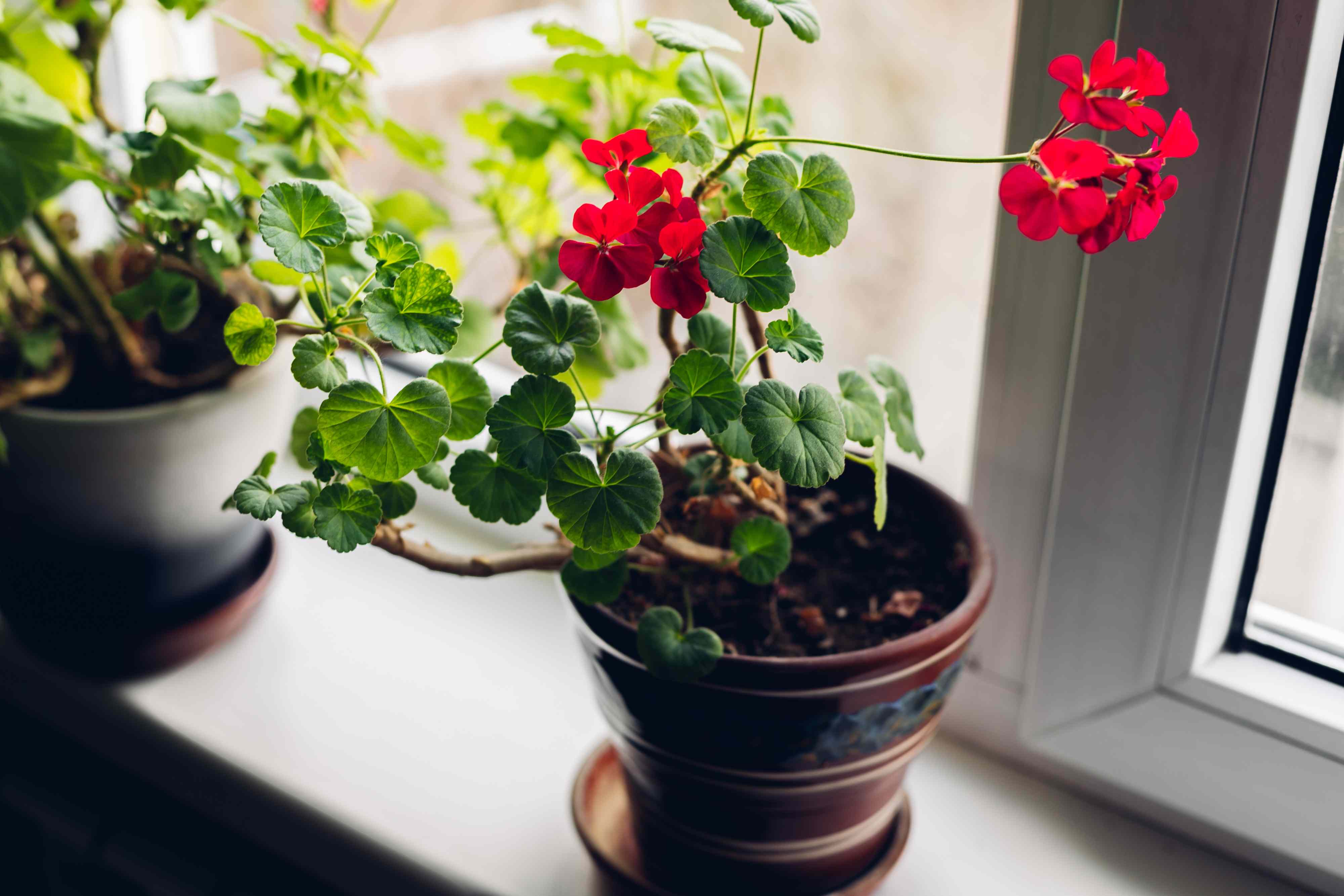
Geraniums are the overachievers of the summer garden. They bloom like they have a point to prove, they handle containers beautifully, and they make porches, patios, and window boxes look far more expensive than they actually are. Then winter shows up like an uninvited houseguest, and suddenly those bright, cheerful plants are one frosty night away from becoming mush.
The good news? You do not have to say goodbye. Most garden-center “geraniums” are actually Pelargonium, tender perennials that can be carried through winter with a little planning. If you winterize geraniums the right way, you can save favorite varieties, grow stronger plants for next season, and enjoy earlier, fuller spring blooms without buying a whole new lineup every year.
Below are four practical ways to overwinter geraniums, plus the common mistakes that sabotage spring performance. Whether you have one beloved patio pot or enough containers to make your porch look like a small botanic garden, there is a method here that fits your space, light, and patience level.
Why winterizing geraniums is worth the effort
Geraniums are often sold as annuals in cold-winter climates, but they are not truly one-season wonders. Because they are frost-sensitive rather than frost-loving, many gardeners simply replace them each year. That works, of course, but winterizing geraniums comes with real advantages.
- You save money. Mature plants and unusual colors are worth keeping.
- You get a head start in spring. Overwintered plants are usually larger and faster to bloom than brand-new starts.
- You preserve favorites. That salmon-pink variety you adore may not appear at the garden center next year.
- You can make more plants. One healthy geranium can turn into several through cuttings.
The trick is choosing the right strategy. Some gardeners want to keep plants blooming indoors all winter. Others prefer a sleepy, low-maintenance dormancy method. And some people want the easiest backup plan of all: cuttings. Think of this as a choose-your-own-adventure story, except the prize is spring flowers instead of being chased by pirates.
Before you start: timing matters more than optimism
If you want better spring blooms, do not wait until a hard freeze has already zapped the leaves. Bring in or prepare geraniums before the first hard frost. Inspect each plant carefully for insect hitchhikers, weak stems, diseased leaves, and soggy soil. Healthy, sturdy plants overwinter best, so do not be sentimental about tired specimens that struggled all summer. Winter is not a miracle spa treatment.
Also remember that different methods require different prep. Some need pruning. Some need potting. Some need almost no soil at all. But all of them benefit from one universal rule: start with clean plants and realistic expectations.
Method 1: Keep geraniums growing indoors as houseplants
Best for gardeners with bright windows and a little patience
This is the most intuitive method. You bring the plant inside, trim it back, repot if necessary, and let it live indoors through winter like a mildly dramatic houseplant. It stays alive, keeps some foliage, and may even flower off and on if conditions are bright enough.
How to do it
Start by digging garden-planted geraniums or bringing in container plants before frost. Cut the plant back by about one-third to one-half, especially if it is lanky or oversized. Remove damaged leaves and faded blooms. Pot it in fresh, well-draining potting mix if it is not already in a suitable container with drainage holes.
Place the plant in your brightest window or under supplemental grow lights. Geraniums tend to perform best in cool, bright conditions rather than in a hot, dry corner near a heat vent. Water thoroughly, then let the soil dry somewhat before watering again. This is where many gardeners go wrong: winter light is weaker, so plants use water more slowly. Constantly damp soil invites rot, fungus, and that particular look of leafy regret.
Why this works
By keeping the plant actively growing, you preserve a mature root system and a head start for spring. When days lengthen, the plant is already awake and ready to branch, bud, and bloom sooner than a newly purchased transplant.
Watch out for
- Leggy growth caused by low light
- Yellow leaves from overwatering
- Whiteflies, aphids, or spider mites sneaking indoors
If stems stretch and the plant starts looking like it is trying to escape the pot, pinch back the growth just above a node. That encourages branching and creates a bushier plant for spring.
Method 2: Take geranium cuttings and grow new plants over winter
Best for small spaces, backup insurance, and gardeners who love free plants
If your mature geraniums are too big to haul indoors, cuttings are your smartest insurance policy. They take up far less room, root surprisingly well, and often produce cleaner, more compact spring plants than older overwintered specimens.
How to do it
Choose healthy, non-flowering stem tips about 3 to 4 inches long. Use a clean, sharp pruner or knife. Remove the lower leaves, and if you like, dip the cut end in rooting hormone. Then insert the cuttings into a moist rooting medium such as perlite, vermiculite, or a light mix designed for propagation.
Keep the cuttings in bright, indirect light at first, and avoid soaking the medium. You want it lightly moist, not swampy. In a few weeks, they should begin rooting, and around the six-week mark many cuttings will be ready for potting up into small containers with standard potting mix.
Why this works
Cuttings let you skip the struggle of maintaining a giant, woody plant indoors. They are also a great hedge against failure. Even if your big patio geranium declines indoors or your dormant storage experiment goes sideways, rooted cuttings give you a fresh start in spring.
Pro tip
Take more cuttings than you think you need. Not every cutting will root perfectly, and spring you will be very pleased with your own generosity toward your future self.
Method 3: Store geraniums bare-root in dormancy
Best for gardeners who want a classic, low-space method
This is the old-school method that sounds slightly strange until you realize how effective it can be. Instead of keeping the whole plant happily growing, you let it rest. Geraniums can be dug up, cleaned of most soil, and stored bare-root in a cool, dry, frost-free place for winter.
How to do it
Lift the plant before a hard frost. Gently shake off the soil from the roots. Remove flowers and much of the foliage, then place the plant in a paper bag, a cardboard box, or hang it upside down in a cool basement, cellar, or garage that stays above freezing. The ideal range is cool enough to keep the plant dormant but not so cold that tissues freeze.
Check stored plants periodically through the winter. Some gardeners rehydrate the roots briefly once in a while if the plant seems overly dry. Stems should stay reasonably firm. If they shrivel badly or turn mushy, that plant is not making a triumphant spring comeback.
Why this works
Geranium stems store moisture well, which gives the plant a better chance of surviving dormancy than many other tender annuals. You do not need bright windows, shelf space, or grow lights. Just the right cool location and a willingness to trust the process.
Spring wake-up
In late winter or early spring, pot up the stored plant, prune back dead or weak growth, water it, and place it in bright light. It may look rough at first. That is normal. Dormant geraniums often reawaken slowly, but once new growth appears, they can regain vigor surprisingly well.
Method 4: Keep potted geraniums semi-dormant in a cool garage or basement
Best for gardeners who want less fuss than a houseplant, but more control than bare-root storage
This method sits between active indoor growing and full bare-root dormancy. Instead of storing plants without soil, you keep them in their pots or repot them, then place them in a cool, dark or dim, frost-free location. Growth slows dramatically, but the roots remain in their container, which makes spring recovery a little easier for some gardeners.
How to do it
Trim the plant back, reduce top growth, and move it to a cool basement, enclosed porch, or heated garage where temperatures stay chilly but not freezing. Water just enough to keep the root ball from becoming bone dry. This is not a time for fertilizer, enthusiasm, or frequent watering. Think survival mode, not luxury resort.
Why this works
For gardeners without bright windows, this method solves the light problem. It also avoids the fully bare-root approach, which some people find unnerving. Come spring, plants often rebound faster because the root system is already settled in potting mix.
Where people slip up
The biggest mistake is treating a semi-dormant plant like an actively growing one. Too much water, warm temperatures, and random feeding can create weak, pale growth at exactly the wrong time of year.
Which winterizing method is best?
There is no single best method for every gardener. The best one is the method your home can actually support.
- Choose the houseplant method if you have bright light and want blooms or foliage all winter.
- Choose cuttings if space is limited or you want the easiest backup plan.
- Choose bare-root dormancy if you want to save many plants in very little space.
- Choose semi-dormant potted storage if you have a cool frost-free garage or basement and want a middle-ground option.
Many experienced gardeners use more than one method. They keep one favorite plant indoors, take a few cuttings, and stash another in dormancy. That is not overthinking. That is strategic gardening.
Common mistakes that ruin spring blooms
1. Waiting too long
A plant damaged by hard frost is already behind. Bring geraniums in while they are still healthy.
2. Overwatering
This is the winter killer. Geraniums tolerate slight dryness better than cold, soggy roots.
3. Too little light for actively growing plants
If you keep them as houseplants, they need real brightness. Weak winter light leads to thin, floppy growth.
4. Skipping spring hardening off
Indoor-grown leaves can scorch quickly outdoors. Reintroduce plants gradually over about 10 days to 2 weeks, starting in shade and increasing sun exposure little by little.
5. Planting out too early
Geraniums are not impressed by chilly spring nights. Wait until frost danger has passed and temperatures are reliably mild.
How to set geraniums up for bigger spring blooms
Winter survival is only step one. If you want better spring blooms, the real goal is not merely keeping plants alive. It is keeping them healthy enough to restart strongly.
As spring approaches, move active or semi-dormant plants into brighter light, resume regular watering, and prune out weak or dead stems. Once vigorous new growth begins, start a light feeding routine with a balanced fertilizer suited to flowering plants. Pinching young growth can encourage branching, which usually leads to fuller, more floriferous plants later.
And when it is finally safe to move them outside, harden them off slowly. Yes, slowly. Not “I put them on the patio for six hours and now they look offended” slowly. Truly gradually. That transition period is what helps those pampered indoor leaves adapt to wind, temperature swings, and direct sun.
Real-world experiences: what gardeners learn after a few winters with geraniums
In real life, overwintering geraniums is rarely a perfect, magazine-cover process. It is usually a series of small lessons learned somewhere between the first frost warning and the moment you discover a forgotten pot still sitting outside. One of the biggest experiences gardeners report is that healthy plants going into winter matter far more than heroic efforts later. A sturdy plant with thick stems, decent roots, and no pest issues has a very different winter story than a tired plant that spent September looking suspiciously unhappy.
Another common experience is discovering that indoor light is almost always less impressive than we think it is. That bright kitchen window you are convinced gets “tons of sun” may still produce leggy, stretched growth by January. Gardeners who succeed with the active houseplant method often learn to rotate plants, pinch them back more often than expected, and accept that winter foliage may not look glamorous. The reward comes later, when those same plants branch out quickly in spring.
Cuttings, meanwhile, tend to win over skeptical gardeners because they feel almost too simple. Many people start with one or two as insurance, then end up rooting several more because it is oddly satisfying. A cutting does not take up much room, does not complain loudly, and often produces a neat, vigorous plant by spring. The experience here is less about saving a huge specimen and more about creating young, manageable replacements that feel easier to work with when the weather warms up.
Bare-root storage teaches a different lesson: trust, but verify. The first time gardeners put a living plant in a paper bag or hang it upside down in a basement, it feels like gardening by folklore. Yet in the right conditions, it works. The experience tends to be part science, part suspense. Through winter, gardeners check stems for firmness, watch for shriveling, and learn the difference between a dormant plant that looks ugly and a dead plant that is beyond negotiation. By spring, the ones that survive often feel like little victories.
Semi-dormant storage in pots is often appreciated by gardeners with garages or basements because it removes some of the stress of indoor display. No one expects these plants to look pretty in February. They are simply resting. The main lesson here is restraint. People naturally want to water, fuss, fertilize, and “help.” Experience teaches that too much attention can be worse than too little. Cool, sparse watering and patience tend to outperform good intentions delivered with a watering can.
One especially useful real-world insight is that using more than one method improves the odds dramatically. Experienced gardeners often spread the risk: keep one parent plant in a bright window, root a few cuttings, and store another plant dormant. If one method disappoints, another usually succeeds. This layered approach also helps gardeners figure out which system best matches their home environment. A sunny sunroom may favor whole plants, while a small apartment may make cuttings the clear winner.
Finally, gardeners who winterize geraniums year after year learn that spring success depends on not rushing the last step. After months of careful overwintering, it is tempting to set plants outside at the first warm afternoon and declare victory. But the best blooms usually come from slow hardening off, thoughtful pruning, and a little spring patience. In other words, the happiest geranium ending is not dramatic rescue. It is steady preparation.
Conclusion
If you love geraniums, winter does not have to be the end of the story. You can keep them growing indoors, turn them into rooted cuttings, store them bare-root in dormancy, or hold them semi-dormant in pots in a cool sheltered space. Each method has its strengths, and all four can lead to healthier plants and better spring blooms when done thoughtfully.
The smartest approach is the one that fits your home, your climate, and your tolerance for winter plant babysitting. Start before frost, go easy on water, give active plants enough light, and harden everything off properly in spring. Do that, and your geraniums will not just survive winter. They will come back ready to show off.