

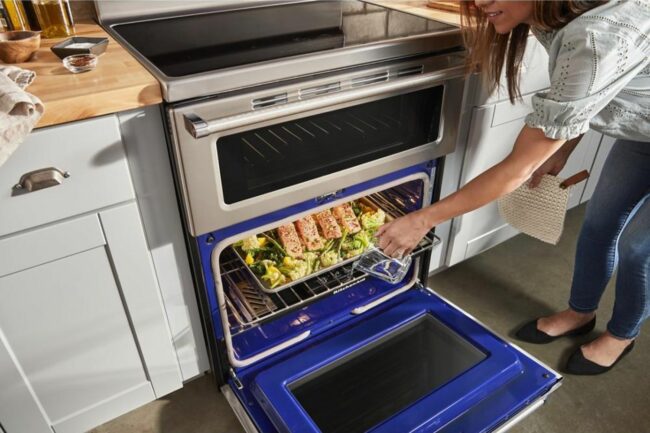
If your old stove takes so long to boil water that you have time to reconsider your life choices, an induction range may be the kitchen upgrade you have been waiting for. Induction cooking is fast, precise, sleek, and surprisingly practical. Instead of heating a coil, a flame, or your patience, induction uses electromagnetic energy to heat compatible cookware directly. The result is a cooktop that responds quickly, cleans easily, and brings a modern edge to everyday meals.
This guide is inspired by Bob Vila’s induction range top picks and expanded with practical buying advice, current appliance trends, and real-world kitchen experience. Whether you are replacing a gas range, upgrading from an older electric stove, or designing a new kitchen from scratch, the best induction range for your home should match the way you cooknot just the way it looks in a showroom under suspiciously flattering lighting.
Why Choose an Induction Range?
An induction range combines an induction cooktop with an electric oven. The cooktop uses magnetic fields to transfer heat directly into pots and pans, while the oven handles baking, roasting, broiling, convection cooking, and, in many newer models, air frying. Compared with traditional electric ranges, induction models usually heat faster and offer more responsive temperature control. Compared with gas, they avoid open flames and can help keep the kitchen cooler.
The biggest difference is control. Turn a burner down, and the heat drops quickly. Turn it up, and your pan reacts almost immediately. That is excellent for delicate sauces, quick stir-fries, pasta water, searing, and those heroic weeknight dinners where dinner needs to happen before everyone starts eating crackers over the sink.
Quick Comparison: Top Induction Range Picks
| Pick | Best For | Standout Features |
|---|---|---|
| GE Profile 30-Inch Smart Slide-In Induction Range | Best overall | Smart controls, convection oven, air fry, bridge elements, sous vide capability |
| Samsung Smart Rapid Heat Induction Slide-In Range | Best value | Rapid heating, Wi-Fi, air fry, Smart Dial, lower entry price |
| La Cornue CornuFe 90 Albertine Induction Range | Best luxury upgrade | Designer finish, five induction zones, bridge zone, premium styling |
| Café Smart Slide-In Convection Double-Oven Range | Best smart double oven | Two ovens, voice control, guided cooking, large total oven capacity |
| Bosch Benchmark Induction Slide-In Range | Best self-cleaning model | SpeedBoost, bridge elements, convection oven, multiple self-clean cycles |
| AGA 48-Inch Elise Series Induction Range | Best large-capacity range | Five zones, three ovens, bold colors, high-end kitchen presence |
| Duxtop Portable Countertop Induction Cooktop | Best portable option | Compact design, 20 power levels, auto-pan detection, travel-friendly |
Best Overall: GE Profile 30-Inch Smart Slide-In Induction Range
The GE Profile 30-inch smart induction range is a strong all-around choice for most homeowners. It offers the modern features buyers expect from a premium range without wandering into “should this come with a personal chef?” pricing. Its induction cooktop includes multiple cooking zones, including a large element for bigger pots and bridgeable elements for griddles or oversized cookware.
The oven side is equally useful, with convection cooking, self-cleaning and steam-cleaning options, no-preheat air fry on many configurations, and Wi-Fi connectivity through GE’s SmartHQ platform. For families, frequent cooks, and anyone who wants a range that feels advanced but not intimidating, this is one of the most balanced options.
Why it stands out
The GE Profile works well because it understands real kitchens. You may boil pasta on one burner, warm sauce on another, and bake chicken in the oven at the same time. The controls are responsive, the stainless finish is easy to match with other appliances, and the smart features are helpful without becoming the appliance equivalent of a needy coworker.
Best Bang for the Buck: Samsung Smart Rapid Heat Induction Slide-In Range
Induction ranges can be expensive, but Samsung’s Smart Rapid Heat model brings the technology into a more approachable price range. It generally offers four induction elements, Wi-Fi connectivity, convection cooking, air fry functionality, and a sleek slide-in design that looks more expensive than it is.
The tradeoff is that some versions do not include bridge burners, so it is not the best choice if you regularly use large rectangular griddles. Still, for everyday cooking, it checks a lot of boxes. It heats quickly, looks polished, and includes smart features such as app monitoring and a control system designed to simplify common cooking settings.
Who should buy it?
Choose this Samsung induction range if you want the speed and safety of induction without paying luxury-appliance money. It is especially appealing for homeowners switching from a basic electric range who want a big performance jump without remodeling the entire kitchen around one appliance.
Best Upgrade Pick: La Cornue CornuFe 90 Albertine Induction Range
The La Cornue CornuFe 90 Albertine is not just a range; it is a kitchen statement. This is the appliance equivalent of wearing a tailored blazer to buy groceries. It offers a beautiful handcrafted look, multiple color and trim options, and a wide 36-inch profile that works beautifully in designer kitchens.
Performance matters, too. The cooktop includes five induction zones, and some zones can bridge for larger cookware. The oven offers multiple cooking modes for baking, roasting, broiling, and convection-style cooking. It may take longer to preheat than smaller ranges, but buyers in this category are usually shopping for craftsmanship, appearance, and long-term kitchen dramain the best possible way.
Who should buy it?
This is best for homeowners doing a high-end kitchen remodel, serious entertainers, or design lovers who want an appliance that becomes part of the room’s architecture. It is not the practical budget pick. It is the “yes, I do have opinions about cabinet hardware” pick.
Best Smart Range: Café Smart Slide-In Convection Double-Oven Range
The Café smart induction range is built for cooks who like technology, flexibility, and oven space. Its double-oven design lets you cook two dishes at different temperatures, which is extremely useful during holidays, dinner parties, or any night when one person wants pizza and another person insists on roasted vegetables like a responsible adult.
The cooktop typically includes five induction elements, including a powerful large burner and synchronized elements for larger cookware. Smart features may include app control, voice compatibility, and guided cooking options. The total oven capacity is generous, and the Café line is also known for customizable hardware finishes that can match a range of kitchen styles.
Why it stands out
The double oven is the main attraction. A smaller upper oven preheats quickly for everyday meals, while the larger lower oven handles bigger dishes. If you bake often, host family meals, or simply dislike oven Tetris, this layout is worth considering.
Best Double Oven: Samsung 30-Inch Smart Slide-In Induction Range
Samsung’s higher-end smart induction ranges often include a flexible oven system that can operate as one large oven or split into two cooking zones. That gives home cooks more control when preparing multiple dishes. Add smart controls, air fry, convection cooking, safety locks, and a fingerprint-resistant finish, and you get a polished appliance for a busy kitchen.
The cooktop may have fewer elements than some competing models, but the oven flexibility makes up for it if baking and roasting are priorities. Some Samsung models also include visual cues that mimic the glow of gas flames, which is handy for cooks who miss the instant visual feedback of a traditional burner.
Who should buy it?
This is a good fit for households that cook full meals often and want one appliance that can handle weeknight dinners, batch baking, and holiday cooking without breaking into a sweat.
Best Self-Cleaning: Bosch Benchmark Induction Slide-In Range
Bosch is a familiar name in premium appliances, and its Benchmark induction range focuses on precision, build quality, and practical convenience. It usually includes four induction elements, bridge functionality on selected zones, convection cooking, a warming drawer, and multiple self-cleaning cycles.
The SpeedBoost function is especially useful for boiling water quickly, while the bridge zone gives more flexibility for long pans or griddles. Bosch also tends to appeal to homeowners who prefer a clean European-style design with controls that feel intentional rather than flashy.
Why it stands out
The self-cleaning features are a big advantage for anyone who uses the oven frequently. If your lasagna has ever bubbled over and created what looked like a tiny archaeological site on the oven floor, you already understand the value of good cleaning modes.
Best Slide-In Design: GE Slide-In Double Oven Electric Induction Range
A slide-in range creates a built-in look by sitting neatly between cabinets, often with front controls and little or no backguard. GE’s slide-in double oven induction models are appealing because they combine sleek styling with flexible oven space and versatile cooktop elements.
Look for features such as power boil elements, dual-size cooking zones, control locks, indicator lights, and convection baking. A glass touch control panel can also make cleaning simpler because there are fewer knobs and crevices to trap sauce splatters from last Tuesday’s “quick pasta.”
Best Large-Capacity Pick: AGA 48-Inch Elise Series Induction Range
The AGA Elise Series is built for large kitchens and ambitious cooks. With a 48-inch width, five induction zones, and multiple oven compartments, it gives you room to cook several dishes at once. This is the range for people who casually say, “I’ll just make the sides too,” and somehow mean six of them.
The large format allows for better workflow when cooking for groups. You can bake, roast, broil, simmer, and sear without constantly rotating pans. It also comes in a variety of finishes, making it a design centerpiece as much as a cooking tool.
Best Portable Option: Duxtop Portable Countertop Induction Cooktop
Not everyone needs a full induction range right away. A portable induction cooktop, such as a Duxtop countertop burner, is a smart way to test the technology before committing to a major appliance. It is also useful for dorms, RVs, small apartments, outdoor prep areas, and kitchens that need one extra burner during big meals.
Portable induction units usually plug into a standard outlet, offer multiple power settings, and include safety features such as auto-pan detection and overheating protection. They are not a replacement for a full range, but they are excellent for boiling, simmering, sautéing, and learning how quickly induction responds.
How to Choose the Best Induction Range for Your Kitchen
1. Measure your space carefully
Most U.S. ranges are 30 inches wide, but not all 30-inch ranges fit the same way. Measure width, depth, height, counter overhang, backsplash clearance, and the location of your electrical outlet. Slide-in models need a cleaner cabinet fit, while freestanding ranges are more forgiving because they have finished sides.
2. Check your electrical setup
Most full-size induction ranges require a 240-volt electrical connection. If you are replacing an electric range, you may already have the right circuit. If you are switching from gas, you may need electrical work. That cost should be part of your budget, because the range itself is only one piece of the upgrade.
3. Test your cookware
Induction requires magnetic cookware. The easiest test is the magnet trick: if a magnet sticks firmly to the bottom of the pan, it should work. Cast iron, enameled cast iron, and many stainless steel pans are induction-compatible. Aluminum, copper, glass, and some stainless steel cookware may not work unless they have a magnetic base.
4. Think about oven capacity
A single oven around 5 cubic feet is enough for many households. If you bake frequently or cook large holiday meals, consider a double oven or a larger-capacity model. Double ovens are especially helpful because you can cook at two temperatures at once.
5. Look for bridge elements
Bridge elements connect two cooking zones so they behave like one larger heating area. This is useful for griddles, roasting pans, fish pans, and oversized cookware. If weekend pancakes are serious business in your home, bridge burners deserve your attention.
6. Do not ignore ventilation
Induction does not produce combustion fumes like gas, but cooking still creates steam, smoke, grease particles, and odors. A range hood or effective ventilation system is still recommended, especially if you sear, fry, or cook aromatic foods. Your future curtains will thank you.
Pros and Cons of Induction Ranges
Pros
- Fast heating: Induction can boil water and heat pans very quickly.
- Precise control: Temperature changes happen quickly, which helps with simmering and searing.
- Cooler kitchen: Less heat escapes around the cookware.
- Easy cleaning: Smooth glass surfaces wipe down easily when cared for properly.
- Safety: Many models shut off when cookware is removed.
- Modern features: Wi-Fi, air fry, convection, child locks, and smart diagnostics are common.
Cons
- Higher upfront cost: Induction ranges usually cost more than basic gas or electric models.
- Cookware requirements: Some old pans may not work.
- Learning curve: Food heats faster, so old habits may need adjusting.
- Possible humming: Some cookware may buzz slightly at high power.
- Repair complexity: Advanced electronics can mean more specialized service.
Real-World Experience: What It Is Like Living With an Induction Range
The first thing most people notice after switching to induction is speed. A pot of water that used to take forever suddenly boils like it has somewhere important to be. That sounds wonderfuland it isbut it also means you need to pay attention. The first week with induction is often full of small surprises: oil heats faster, butter melts quickly, and a pan can go from “almost ready” to “why is the smoke alarm contributing to dinner?” in a hurry.
Once you adjust, the control becomes addictive. Simmering rice is easier because the heat drops quickly when you reduce the setting. Chocolate melts more gently when you use low power. Soup can stay warm without bubbling like a tiny volcano. Searing is also satisfying because induction delivers strong heat directly to the pan, especially when paired with cast iron or heavy stainless steel cookware.
Cleaning is another everyday win. Since the cooktop surface does not stay blazing hot in the same way as a radiant electric burner, spills are less likely to bake into permanent kitchen fossils. A microfiber cloth and a proper ceramic cooktop cleaner usually handle daily messes. The main rule is to avoid dragging rough-bottomed pans across the glass. Lift cookware instead of sliding it, especially cast iron. Think of the glass surface as tough, but not interested in being treated like a driveway.
Cookware compatibility is the one adjustment that can feel annoying at first. Many people discover that their favorite old pan is not magnetic. The good news is that most modern cookware brands clearly label induction-compatible pieces, and you do not need to replace everything at once. Start with a good skillet, a saucepan, and a large pot. That covers most daily cooking.
Another experience worth mentioning is sound. Some pans hum faintly, especially at high heat. It is usually normal and often depends on the cookware’s construction. Lightweight pans may make more noise than heavier, layered cookware. The range’s cooling fan may also run after cooking, which can be surprising the first time but quickly becomes background noise.
Smart features are useful, but they are not the whole story. Wi-Fi alerts can tell you when the oven is preheated, and remote monitoring can be handy if you are in another room. However, the true value of an induction range is still the cooking performance: fast boiling, steady simmering, cleaner operation, and better control. If the app is great, wonderful. If the app is fussy, dinner can still happen.
For families, induction’s safety features are reassuring. The cooktop does get warm from contact with hot pans, but there is no open flame, and many models turn off when cookware is removed. That does not mean children should treat it like a toy, but it does reduce some risks compared with gas flames or exposed electric coils.
In daily life, an induction range feels less like a trendy gadget and more like a practical upgrade. It makes breakfast faster, cleanup easier, and temperature control more predictable. The biggest challenge is unlearning the slower rhythm of old stoves. Once you do, going back can feel like trading a smartphone for a rotary dial.
Final Verdict: Which Induction Range Should You Buy?
For most homes, the GE Profile 30-inch smart slide-in induction range is the most balanced choice because it combines strong cooking performance, a useful oven, smart features, bridge elements, and a mainstream size that fits many kitchens. If value matters most, Samsung’s Smart Rapid Heat induction range is a practical way to get fast induction cooking without overspending. If you want luxury, La Cornue and AGA bring serious design presence. If you bake often, Café and Samsung double-oven models deserve a close look. If easy cleanup is your love language, Bosch is a strong contender.
The best induction range for your home is the one that fits your kitchen, cookware, cooking habits, electrical setup, and budget. Do not buy based on one flashy feature alone. A range should make your everyday meals easier, not just impress visitors during the first kitchen tour.
Note: This article is based on current product information, U.S. appliance buying guides, manufacturer specifications, energy-efficiency guidance, and Bob Vila-inspired top-pick categories. Before purchasing, verify the exact model number, dimensions, installation requirements, warranty, available rebates, and retailer return policy.