

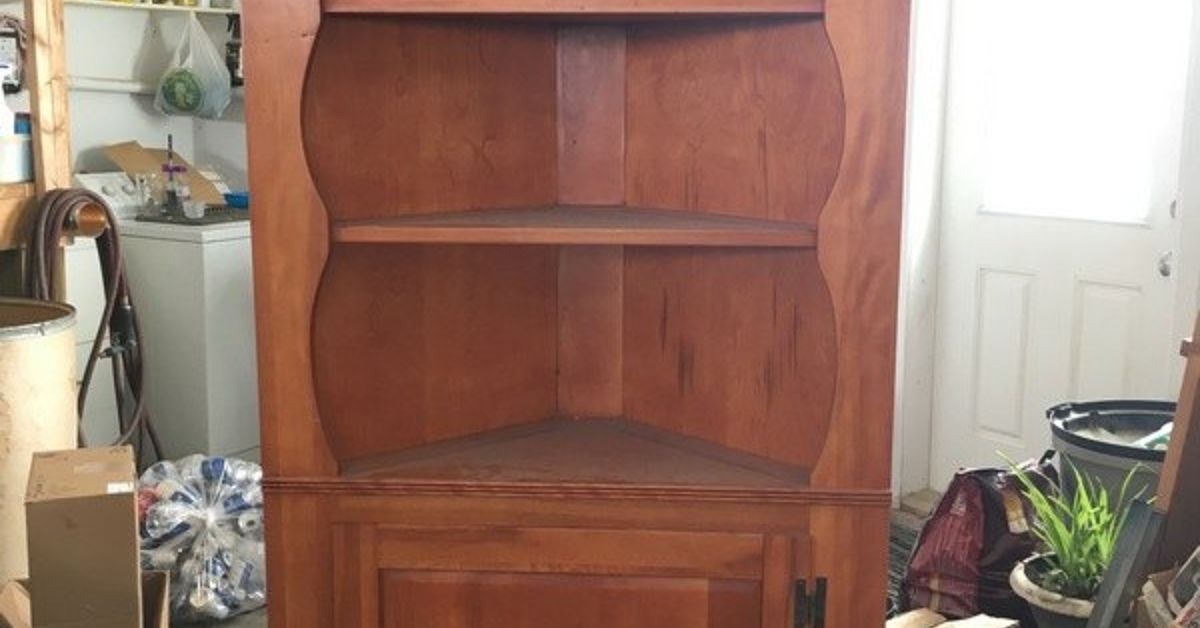
A corner cabinet is the shy cousin of home furniture. It sits politely in the angle of the room, holds the odd platter, hides a stack of holiday napkins, and rarely receives applause. But give it a little country charm, and suddenly that forgotten triangle becomes the most lovable character in the house. The transformation does not require a barn, a rooster, or a banjo soundtrackalthough nobody is stopping you from humming while you paint.
“Corner Cabinet Goes Country” is all about turning a practical storage piece into a warm, rustic, farmhouse-style focal point. Whether you have an old wood corner hutch, a built-in kitchen corner cabinet, a thrift-store find, or a plain modern cabinet begging for personality, the country look can make it feel collected, useful, and full of story. The best part? Country style is forgiving. A tiny nick becomes “patina.” A slightly uneven brushstroke becomes “handcrafted charm.” A cabinet that once looked tired can now look like it spent summers at Grandma’s farmhouse and learned excellent manners.
What Makes a Corner Cabinet Look Country?
Country style is not one single look. It can lean rustic farmhouse, cottage, primitive, French country, Americana, or modern country. Still, the best country corner cabinet ideas share a few common ingredients: natural materials, simple lines, practical storage, soft color, texture, and a lived-in feeling. Think painted wood, beadboard panels, glass doors, cup pulls, antique brass knobs, open shelves, woven baskets, ironstone pitchers, checked linens, and just enough imperfection to keep the room from feeling like a showroom where nobody is allowed to toast bread.
A country corner cabinet should feel useful first and decorative second. That is the secret. Farmhouse and country interiors grew from practical homes where furniture had a job. A hutch stored dishes. A pie safe protected food. A corner cupboard used awkward space instead of wasting it. When you bring that mindset into modern decorating, the result feels honest, warm, and timeless.
Country Style vs. Farmhouse Style
People often use “country” and “farmhouse” as if they are twins wearing matching overalls. They are related, but not identical. Farmhouse style is usually cleaner, more utilitarian, and built around durable materials like wood, stone, metal, and cotton. Country style can be a little more decorative, nostalgic, and cozy. It may include vintage florals, painted furniture, scalloped trim, transferware plates, quilts, baskets, and heirloom pieces.
For a corner cabinet makeover, the sweet spot is usually a blend: farmhouse structure with country personality. In plain English, keep the cabinet simple and useful, then dress it with charming details.
Start With the Right Cabinet
Not every corner cabinet has to be antique to go country. A new flat-pack cabinet can be dressed up. A dated oak corner hutch can be refreshed. A kitchen blind corner cabinet can become more functional with smart storage inserts. A freestanding triangular cupboard can turn an empty dining room corner into a display zone for dishes, cookbooks, and those mugs you swear you do not collectdespite owning thirty-seven of them.
Good Candidates for a Country Makeover
The best candidates are sturdy cabinets with decent bones. Solid wood is ideal because it can be sanded, painted, stained, or distressed more easily. Veneer and laminate can still work, but they need careful prep and the right primer. Look for doors that close properly, shelves that are not sagging, and a frame that does not wobble like a newborn calf.
If the cabinet has dated details, do not panic. Old raised-panel doors, honey oak finishes, shiny brass hardware, or overly glossy stain can be changed. In fact, those “before” flaws often make the “after” more satisfying. A cabinet with history gives country style something to hold onto.
Choose a Country Color Palette
Paint is the fastest way to send a corner cabinet down a country road. The right color can make a heavy piece feel lighter, a cheap piece feel custom, and a forgotten piece feel intentional.
Classic Country Cabinet Colors
Warm white is a safe and beautiful choice. It works in kitchens, dining rooms, breakfast nooks, mudrooms, and living rooms. Unlike stark white, a creamy white gives the cabinet softness and warmth. It pairs well with wood floors, butcher-block counters, baskets, stoneware, and almost every wall color.
Soft sage green is another favorite for a country corner cabinet. It feels garden-inspired without shouting, “I have joined a herb club.” Sage works especially well with brass hardware, aged wood, white dishes, and floral fabrics. Dusty blue, buttercream, mushroom beige, warm gray, and muted black can also look lovely, especially when the room already has natural textures.
For a bolder country look, consider barn red, deep olive, navy, or charcoal. Use these colors carefully. A dramatic cabinet can be gorgeous, but too many heavy colors in a small room may make the space feel crowded. The goal is cozy, not “the cabinet is slowly eating the dining room.”
Two-Tone Country Charm
A two-tone finish can make a corner cabinet feel collected rather than newly purchased. Try a creamy painted exterior with a stained wood interior. Or paint the inside of a glass-front cabinet a soft blue or sage green to make white dishes stand out. If the cabinet has open shelves, a contrasting back panel can create depth and make the display feel curated.
Prep Like a Pro, Even If You Paint Like a Weekend Warrior
Country style may look relaxed, but cabinet painting still needs serious preparation. Skipping prep is how paint peels, chips, and quietly judges you from across the room. Before painting, remove doors, drawers, shelves, and hardware when possible. Label pieces so you can put everything back where it belongs. Tiny labels may feel fussy, but they prevent the classic DIY mystery: “Why does this door only close if I whisper an apology?”
Clean every surface thoroughly to remove grease, dust, polish, and kitchen film. Cabinets near cooking areas can hold more grime than they admit. After cleaning, lightly sand glossy surfaces so primer can grip. Fill dents, holes, and scratches with wood filler if you want a cleaner finish. For a rustic country look, you can leave small imperfections, but repair anything that affects function.
Primer Matters
Primer is not glamorous, but neither are socks, and both prevent problems. A bonding primer helps paint adhere to slick, glossy, laminate, or previously finished surfaces. If your cabinet has knots or dark stain, use a stain-blocking primer to prevent bleed-through. Let primer dry fully, sand lightly between coats if needed, and wipe away dust before painting.
Paint Finishes That Work for Country Cabinets
For a corner cabinet that will be touched often, satin and semi-gloss finishes are practical choices. They are easier to clean than flat paint and more durable for cabinet doors. Chalk-style paint can create a beautiful matte country look, but it often needs a protective topcoat, especially in kitchens or high-use areas.
If you want a hand-painted country finish, use a quality brush for detailed areas and a small foam or microfiber roller for flat panels. Work in thin coats. Thick paint may feel efficient for about five minutes, then it drips, gums up corners, and reminds you that shortcuts have a sense of humor.
Distressing Without Going Overboard
A little distressing can make a corner cabinet look gently aged. Focus on spots where wear would naturally happen: edges, corners, door frames, around knobs, and shelf fronts. Use fine sandpaper and a light hand. The goal is “well-loved family piece,” not “survived a raccoon attack.”
After distressing, seal the cabinet with a clear topcoat or furniture wax, depending on the paint type and location. For kitchen cabinets, a durable water-based topcoat is often the smarter option because it stands up better to cleaning.
Add Beadboard, Trim, or Shiplap Details
Architectural texture is one of the easiest ways to make a plain cabinet look country. Beadboard panels are especially effective. You can add beadboard wallpaper, thin beadboard plywood, or tongue-and-groove backing to the inside of an open cabinet or behind glass doors. This small detail instantly says “country kitchen” without needing a ceramic chicken to announce it.
Crown molding can help a tall corner cabinet feel built-in. Simple base trim can make a freestanding cabinet look more substantial. Small corbels under shelves add cottage charm. Keep the trim proportional to the cabinet. Oversized molding on a small corner piece can look like it borrowed a hat from a giant.
Swap the Hardware
Hardware is jewelry for cabinets. It can quietly complete the look or loudly ruin the outfit. For a country corner cabinet, consider antique brass knobs, oil-rubbed bronze pulls, black iron latches, wooden knobs, ceramic knobs, or cup pulls. If the cabinet has glass doors, small turn latches can add vintage personality.
Aged finishes usually work better than shiny chrome for country style. Unlacquered brass develops patina over time, which can look beautiful in a warm, traditional room. Matte black hardware works well for a modern farmhouse corner cabinet. Ceramic knobs can add a cottage touch, especially with floral dishes or painted furniture.
Make the Corner Cabinet More Useful
Country style should not just look pretty; it should help the room work better. Corners are famous for wasting space, particularly in kitchens. If your cabinet is built into a kitchen corner, consider pull-out shelves, lazy Susans, swing-out trays, or tiered organizers. These inserts make it easier to reach pots, pantry goods, mixing bowls, or small appliances.
For a freestanding dining room corner cabinet, assign it a clear purpose. Use it for everyday dishes, seasonal serving pieces, table linens, cookbooks, candles, board games, or coffee supplies. A beautiful cabinet becomes even better when it solves a real storage problem. That is country wisdom: pretty is nice, but pretty plus practical gets invited back to supper.
Smart Storage Ideas
Use baskets on lower shelves to hide less attractive items. Add shelf risers for plates and bowls. Place small bins inside closed cabinets for napkins, candles, batteries, or party supplies. If the cabinet is deep, rotate items seasonally so the back does not become a museum of forgotten gravy boats.
Inside a kitchen corner cabinet, a lazy Susan can make spices, oils, baking supplies, and canned goods easier to reach. Pull-out wire baskets are useful for potatoes, onions, or packaged snacks. Door-mounted racks can hold cutting boards, foil, wraps, or cleaning supplies, depending on the cabinet location.
Style the Shelves Without Creating Clutter
Open shelves and glass-front doors are beautiful, but they require restraint. A country cabinet should look inviting, not like a yard sale climbed inside and locked the door. Start with functional pieces: white plates, everyday bowls, mugs, pitchers, mixing bowls, and serving platters. Then add character with vintage tins, a small framed print, a folded linen towel, a crock of wooden spoons, or a few cookbooks.
Group similar items together. Stack plates by size. Keep colors coordinated. Leave breathing room between objects. Empty space is not wasted space; it is what lets your favorite pieces be seen. If everything is special, nothing gets to be specialan emotional truth that also applies to throw pillows.
Country Display Pieces That Work
Ironstone, stoneware, enamelware, transferware, copper, wood cutting boards, vintage glass jars, and woven baskets all look natural in a country corner cabinet. For a softer cottage feel, add floral plates, lace-edged linens, or pastel pottery. For a more primitive country look, use darker wood, black hardware, crocks, old books, and simple handmade pieces.
Lighting Makes the Cabinet Feel Special
A dark corner can swallow a beautiful cabinet. Small lighting upgrades help the cabinet feel intentional. Battery-operated puck lights, slim LED strips, or small picture lights can brighten shelves and make glassware sparkle. Warm white lighting is usually best for country interiors because it feels cozy and flattering.
If the cabinet sits in a dining room or breakfast nook, a nearby wall sconce or pendant can also help. Avoid harsh lighting that makes the cabinet look like it is being interrogated. Country style prefers a soft glow, not a crime scene.
Where to Use a Country Corner Cabinet
A corner cabinet can work in more rooms than you might expect. In the kitchen, it can store dishes, pantry goods, baking supplies, or small appliances. In the dining room, it can display china, serving bowls, linens, and glassware. In the living room, it can hold books, board games, family photos, or collectibles. In a bathroom, a small corner cabinet can store towels, jars, soaps, and extra tissue rolls in a charming way.
In a mudroom or entryway, a country corner cabinet can become a drop zone for keys, dog leashes, gloves, hats, and seasonal items. Add hooks beside it and baskets inside it, and suddenly the corner is not awkward anymore. It is employed.
Budget-Friendly Ways to Get the Country Look
You do not need a full renovation to make a corner cabinet go country. Paint, hardware, shelf styling, and trim can do most of the work. Thrift stores, estate sales, salvage shops, flea markets, and online marketplaces are excellent places to find old corner hutches or display cabinets. Even if the finish is ugly, the shape may be perfect.
If you already own a cabinet, start small. Replace the knobs. Add baskets. Paint only the interior. Line shelves with checked fabric or removable wallpaper. Add beadboard backing. Display white dishes and wooden boards. Country charm often comes from layering affordable details over time, not buying everything at once from the “Instant Farmhouse Personality” aisle.
Mistakes to Avoid
The most common mistake is over-theming. Country style loses its charm when every item screams “farm.” One rooster is cute. Twelve roosters may be forming a committee. Use themed decor lightly and focus instead on materials: wood, metal, linen, ceramic, glass, and natural fibers.
Another mistake is making the cabinet too distressed. Authentic country furniture shows wear where life actually touches it. Random heavy sanding in the middle of a door can look artificial. Keep distressing subtle and logical.
Finally, avoid clutter. A country corner cabinet should feel warm and collected, not packed. Rotate seasonal pieces instead of displaying everything at once. Give your cabinet room to breathe, and it will reward you by looking charming instead of chaotic.
Experience Notes: What a Country Corner Cabinet Teaches You
There is something surprisingly personal about making over a corner cabinet. At first, it seems like a simple furniture project: clean, sand, prime, paint, style, done. But somewhere between removing the old hardware and choosing which bowl deserves the top shelf, the cabinet starts to feel less like an object and more like a small stage for daily life.
One of the best experiences with a country corner cabinet is discovering how much impact a forgotten piece can have. Many homes have awkward corners that collect dust, umbrellas, or one lonely chair nobody chooses. When a cabinet moves into that spot, the room changes. The corner becomes useful. The eye has somewhere to land. The room feels more finished, even if the rest of the house still contains laundry with ambitious dreams of being folded.
The painting process also teaches patience. Cabinet doors always seem simple until you realize they have grooves, edges, hinges, corners, and tiny shadow lines that collect paint like they are saving it for winter. Thin coats take longer, but they look better. Sanding between coats feels unnecessary until the final finish turns smooth and professional. That is the quiet lesson of cabinet makeovers: the boring steps are usually the ones that make people say, “Wait, you did that yourself?”
Styling the shelves is another enjoyable challenge. It is tempting to fill every inch immediately, especially if you have pretty dishes, vintage cups, glass jars, and cookbooks waiting in the wings. But the country look works best when it feels useful and relaxed. A stack of white plates, a pitcher, a small basket, and a folded linen towel may look better than twenty unrelated treasures fighting for attention. The cabinet becomes a reminder that cozy does not have to mean crowded.
A country corner cabinet also invites seasonal changes without requiring a full room makeover. In spring, it can hold floral plates, seed packets, green glass, and a small vase of fresh clippings. In summer, it can display lemonade pitchers, woven trays, and blue-and-white dishes. In fall, add stoneware, copper, amber glass, or a bowl of apples. In winter, tuck in candles, ironstone, greenery, and a few old-fashioned ornaments. The cabinet becomes a tiny rotating exhibit called “Yes, I Do Have My Life Together,” even if the junk drawer strongly disagrees.
Another real-life lesson is that imperfections often improve the result. A slightly worn corner, a visible wood grain line, an old latch, or a mismatched knob can make the cabinet feel authentic. Country style does not demand perfection. It values usefulness, comfort, memory, and charm. That is why an old corner cabinet can sometimes feel warmer than a brand-new built-in. It has a story, or at least it looks like it does, which is half the decorating battle.
For families, the cabinet can become part of daily rhythm. Kids know where the mugs are. Guests find plates without opening six wrong doors. Holiday serving pieces finally have a home that does not involve balancing them on top of the refrigerator. In a small house or apartment, the cabinet can provide vertical storage without taking over the room. In a larger home, it can soften an empty corner and make the space feel more intimate.
The best experience, though, is the moment the project is finished. You step back, wipe paint off your elbow, place one last pitcher on the shelf, and realize the cabinet no longer looks like a storage problem. It looks like part of the home. It looks intentional. It looks country in the best way: welcoming, practical, and quietly proud.
Conclusion
A corner cabinet goes country when it becomes more than storage. With warm paint, thoughtful prep, simple hardware, useful organization, and a few well-chosen display pieces, a neglected corner can become one of the most charming spots in the house. The key is balance. Keep the cabinet practical, layer in texture, avoid clutter, and let imperfections add character rather than stress.
Whether your style leans farmhouse, cottage, rustic, primitive, or modern country, a corner cabinet is a perfect place to experiment. It is small enough to makeover on a budget, useful enough to justify the effort, and visible enough to change the mood of a room. Give it a creamy coat of paint, a little beadboard, some aged brass, and a shelf full of favorite dishes. Before long, that quiet corner will look like it has been waiting years to say, “Welcome home.”
Note: This article is written for web publication and synthesizes practical cabinet painting, storage, and country-style decorating principles from reputable U.S. home improvement and design references.