

There are two kinds of people in the world: (1) people who can casually say, “My favorite singer is…”
and move on with their day, and (2) people who hear that sentence and immediately begin building a
courtroom casecomplete with exhibits, witness testimony, and a closing argument that starts with,
“Your honor, have you heard the live version?”
Fan rankings are basically democracy with a soundtrack. They’re messy, passionate, occasionally chaotic,
and somehow still beautiful. Critics may focus on technique and history; fans vote with goosebumps.
This article pulls together the recurring patterns you see across major U.S.-based music institutions,
vocal education resources, and large-scale fan-voting culturethen turns it into a practical, readable
“who belongs in the pantheon?” guide.
What “Greatest Singer” Means When Fans Vote
Fans rank feelings, not just frequencies
A great singer isn’t only a person with a big range. Fans reward voices that do at least one of these:
crack you open emotionally, change the way everybody else sings afterward, or make a song feel like it
was written specifically for your lifeeven if you were born 30 years after it came out.
The fan ballot is cross-genre by nature
Fan lists are where you’ll see opera legends sitting near rock front-people, jazz icons beside pop
superstars, and gospel royalty holding court next to indie darlings. That’s not a bug; it’s the point.
Fans don’t ask, “Is this genre prestigious?” They ask, “Does that voice do something to me?”
Technique mattersbut it’s not the whole story
If you zoom in on how singers actually create “that sound,” you end up in a world of keys, registers,
vowel choices, resonance, and timbre. Vocal educators often emphasize that the “right” key is the one
that makes your voice sound brilliant without strain, and that a singer’s comfortable highs and lows
matter as much as their absolute extremes.
On the science side, researchers talk about how vowel choices and vocal-tract shaping influence timbre
across pitches. In plain English: some singers can keep their tone consistent and expressive no matter
where the melody goes. That’s one reason fans remember certain voices as “effortless,” even when the
song is technically demanding.
How This Ranking Works
Because fan-vote lists are constantly updating, think of this article as a “fan-ranked snapshot + expanded
ballot.” The Top 25 below reflects a well-known, high-participation fan ranking. After that,
you’ll get an extended 250+ fieldorganized in ranked ranges so it’s easy to scan, argue about,
and build playlists from (the highest purpose of the internet).
The Fan-Voted Top 25 Snapshot
These are the names fans consistently push toward the very topvoices that combine signature tone,
emotional force, and cultural gravity.
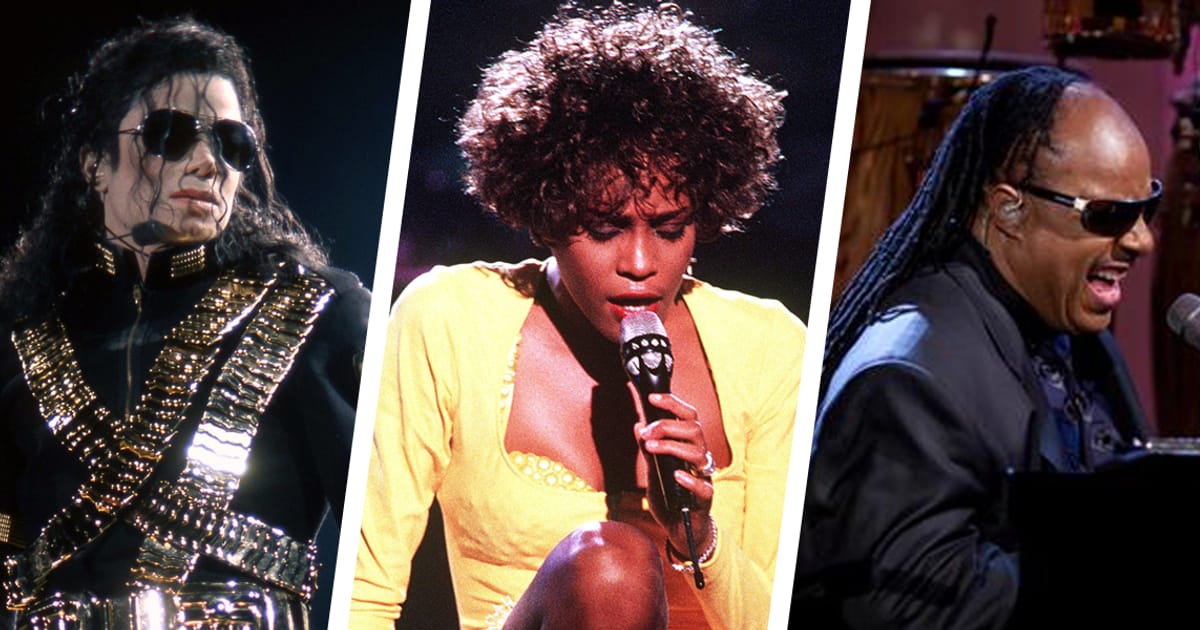
- Freddie Mercury A masterclass in power, agility, and theatrical control; rock vocal performance as a full-body event.
- Whitney Houston Precision and emotion in perfect balance; the kind of vocalist people reference like a measuring stick.
- Aretha Franklin Soul, authority, and phrasing that feels inevitable; she didn’t just sing the song, she owned it.
- Frank Sinatra The king of interpretation: timing, phrasing, and storytelling that made standards feel brand new.
- Michael Jackson Instantly recognizable tone, rhythmic bite, and a vocal style that shaped pop for decades.
- Elvis Presley A genre-bridging voice with gospel, country, and rock energy baked into every phrase.
- Marvin Gaye Smooth, intimate, emotionally intelligentable to sound tender, urgent, and effortless in the same breath.
- Ella Fitzgerald Clarity, swing, and sheer vocal joy; a gold standard for jazz singing and beyond.
- Stevie Wonder A voice that can be sweet or scorching, always musical, always alive.
- Nat “King” Cole Velvet tone and immaculate control; a voice that feels like warm light in a room.
- Luciano Pavarotti Opera’s superstar sound: ringing highs, heroic presence, and audience-melting resonance.
- Robert Plant Rock’s wail, sharpened into artistry; swagger plus surprising nuance.
- Johnny Cash Not about flashy runsabout truth. A voice that sounds like it’s lived an entire novel.
- Celine Dion Power, stamina, and emotional lift; the definition of “big vocal” done with control.
- Elton John Character-driven singing; every line has personality and intent.
- Prince Genre-shifting charisma; tender falsetto one moment, raw grit the next.
- Ray Charles A foundational voice in American music: soul, blues, and gospel woven into pop history.
- Paul McCartney Melodic instincts plus stylistic range; can sound sweet, urgent, or ferocious on demand.
- David Bowie A voice that morphs with the character; artistry that treats singing as world-building.
- Steve Perry One of rock’s most beloved “clean power” lead voices: big notes with a bright, emotional edge.
- Stevie Nicks Distinctive tone and mystique; you know it’s her within a single line.
- Sam Cooke Smoothness with spiritual force; a blueprint for modern soul singing.
- Billy Joel Storytelling clarity plus pop-rock muscle; a voice that sells the lyric, not just the melody.
- Mariah Carey Pop virtuosity: agility, tone, and range that turned vocal performance into a headline.
- Tina Turner Raw energy and grit with star-level control; a voice that can ignite a stadium.
The 250+ Greatest Singers: Extended Fan Ballot (Ranked Ranges)
This next section expands to 250+ singersorganized in ranked ranges to keep things readable.
Within each range, the exact order can shift depending on the fan community, era, and who just went
viral on your feed. The point is breadth: these are voices fans regularly champion across genres.
Ranks 26–100
- John Lennon
- Adele
- Otis Redding
- Karen Carpenter
- Billie Holiday
- Beyoncé
- Nina Simone
- Etta James
- Barbra Streisand
- Al Green
- Luther Vandross
- Donny Hathaway
- Gladys Knight
- Diana Ross
- Smokey Robinson
- Jackie Wilson
- Curtis Mayfield
- Roberta Flack
- Chaka Khan
- Patti LaBelle
- Sade
- Amy Winehouse
- Sam Smith
- George Michael
- Bono
- Mick Jagger
- Roger Daltrey
- Bruce Springsteen
- Sting
- Peter Gabriel
- David Byrne
- Van Morrison
- Rod Stewart
- Roy Orbison
- Little Richard
- Fats Domino
- Chuck Berry
- Buddy Holly
- Wilson Pickett
- Solomon Burke
- Ben E. King
- David Ruffin
- Eddie Kendricks
- Levi Stubbs
- Phillip Bailey
- Michael McDonald
- Neil Young
- Bob Dylan
- Leonard Cohen
- Paul Simon
- Art Garfunkel
- James Taylor
- Cat Stevens (Yusuf)
- Janis Joplin
- Jimi Hendrix
- Jim Morrison
- Steven Tyler
- Axl Rose
- Chris Cornell
- Eddie Vedder
- Kurt Cobain
- Thom Yorke
- Robert Smith
- Morrissey
- Ozzy Osbourne
- Ronnie James Dio
- Bruce Dickinson
- Ann Wilson
- Dolly Parton
- Willie Nelson
- Patsy Cline
- Loretta Lynn
- Reba McEntire
- George Jones
- Merle Haggard
- Hank Williams
- Tammy Wynette
- Emmylou Harris
- Shania Twain
Ranks 101–175
- Frank Ocean
- Rihanna
- Madonna
- Lady Gaga
- Taylor Swift
- Ariana Grande
- Christina Aguilera
- Cyndi Lauper
- Debbie Harry
- Joni Mitchell
- Carole King
- Linda Ronstadt
- Bonnie Raitt
- Alanis Morissette
- Sheryl Crow
- Sarah McLachlan
- Tori Amos
- Norah Jones
- Kelly Clarkson
- Jennifer Hudson
- Alicia Keys
- Mary J. Blige
- Janet Jackson
- Usher
- Bruno Mars
- The Weeknd
- Justin Timberlake
- Ed Sheeran
- Harry Styles
- Billie Eilish
- Florence Welch
- Hayley Williams
- Gwen Stefani
- Joan Jett
- Patti Smith
- Alison Krauss
- Chris Stapleton
- Miranda Lambert
- Carrie Underwood
- Kacey Musgraves
- Faith Hill
- Tim McGraw
- Kenny Rogers
- Glen Campbell
- Perry Como
- Bing Crosby
- Dean Martin
- Tony Bennett
- Sarah Vaughan
- Dinah Washington
- Peggy Lee
- Judy Garland
- Liza Minnelli
- Julie Andrews
- Harry Belafonte
- Mahalia Jackson
- Sister Rosetta Tharpe
- Bessie Smith
- Ma Rainey
- Odetta
- Joan Baez
- Pete Seeger
- Woody Guthrie
- Lead Belly
- Paul Robeson
- Bob Marley
- Jimmy Cliff
- Peter Tosh
- Miriam Makeba
- Youssou N’Dour
- Nusrat Fateh Ali Khan
Ranks 176–260+
- Maria Callas
- Leontyne Price
- Jessye Norman
- Renée Fleming
- Joan Sutherland
- Plácido Domingo
- José Carreras
- Andrea Bocelli
- Marian Anderson
- Montserrat Caballé
- Kathleen Battle
- Cecilia Bartoli
- Bryn Terfel
- Dmitri Hvorostovsky
- Beverly Sills
- Kate Bush
- Björk
- Kylie Minogue
- Agnetha Fältskog
- Anni-Frid Lyngstad
- Sia
- Lorde
- Lana Del Rey
- Seal
- Michael Bublé
- Josh Groban
- Regina Spektor
- Jill Scott
- Lauryn Hill
- Erykah Badu
- D’Angelo
- Maxwell
- Raphael Saadiq
- Barry White
- Isaac Hayes
- Gil Scott-Heron
- Janelle Monáe
- Anderson .Paak
- Donald Glover (Childish Gambino)
- Esperanza Spalding
- Cassandra Wilson
- Dianne Reeves
- Dee Dee Bridgewater
- Gregory Porter
- Kurt Elling
- Samara Joy
- Celia Cruz
- Gloria Estefan
- Shakira
- Ricky Martin
- Juan Gabriel
- Vicente Fernández
- Julio Iglesias
- Edith Piaf
- Charles Aznavour
- Jacques Brel
- Cesária Évora
- Fela Kuti
- Angélique Kidjo
- Stromae
- Drake (melodic rap)
- Post Malone
- Hozier
- Lewis Capaldi
- Shawn Mendes
- Justin Bieber
- Adam Levine
- Chris Martin
- Brandon Flowers
- Dave Grohl
- Chester Bennington
- Mike Patton
- Corey Taylor
- Serj Tankian
- James Hetfield
- Phil Collins
- Don Henley
- Glenn Frey
- Bryan Ferry
- Bryan Adams
- John Mayer
- Jack White
- Annie Clark (St. Vincent)
- Doja Cat
- Rosalía
- Bad Bunny (melodic reggaeton)
- Kendrick Lamar (voice & cadence)
- Tyler, The Creator (singing-era)
Why Fans Keep Elevating the Same Voices
Even in a world with infinite streaming, fan rankings tend to orbit certain singers. Here’s why:
- Signature tone: One note and you know who it is. That “instant recognition” factor is fan gold.
- Emotional authority: Fans trust singers who sound like they mean iteven when they’re whispering.
- Live credibility: Studio magic is nice. Live proof is better. Fans love voices that hold up on a stage.
- Cultural footprint: Some singers don’t just perform songs; they define eras, movements, and memories.
- Influence: When a singer’s style becomes a template other singers copy, fans notice (even if they don’t say it in those words).
How to Make Your Own “Fans Would Approve” Ranking
Use three playlists, not one argument
If you’re building your own ranked list, try this: create (1) a “vocal athleticism” playlist,
(2) a “makes me feel things” playlist, and (3) a “changed the game” playlist. The overlap is your
top tier. The outliers are where the fun debates happen.
Compare like with likethen break your own rule
It’s fair to compare singers within genre traditions (jazz phrasing vs. rock grit vs. opera projection).
But fan rankings become legendary when you break the category walls and ask, “If both voices stopped me
in my tracks, why should I pretend they’re in different universes?”
Fan Experiences (500+ Words): What It Feels Like to Rank the Greatest Singers
Ranking singers is one of those hobbies that looks harmless until you realize it has the emotional intensity
of a playoff game and the personal vulnerability of a diary entry. Fans don’t just rank vocalists; they rank
moments. The note you heard in the car when you were fourteen. The live performance you watched on a tiny
screen at midnight. The voice that made you rewind a chorus like it owed you money.
A lot of fans describe the first “great singer” experience as physical. Not metaphoricallyliterally.
Chills on your arms. A lump in your throat. That weird, involuntary inhale when a vocalist hits a note
that feels impossible, then lands it like it was Tuesday. What’s funny is how quickly the brain turns this
into a mission. One jaw-dropping voice becomes a gateway, and suddenly you’re exploring entire genres you
never cared about because someone in a comment section said, “If you like that, wait until you hear…”
Fan rankings also become a kind of social language. You can learn a lot about a person based on who they
fight for. Some fans champion clean power and technical polishthe kind of singing that sounds like it was
engineered by angels with perfect breath support. Others want character: a voice that’s a little rough around
the edges but tells the truth. And then there are the fans who value transformationthe singers who can become
a different person from song to song, changing tone, attitude, and even the emotional temperature of a room.
The “ranked by fans” part matters because it turns listening into participation. You’re not just consuming music;
you’re joining an ongoing conversation about what greatness sounds like. Fans often build their own rules:
“No studio-only legends,” “Live versions count double,” “Influence matters,” “Range matters,” “Range doesn’t matter,”
“Okay fine, range matters again.” And the debates can be surprisingly thoughtful. People argue about phrasing, breath
control, improvisation, resonance, stage presence, the ability to sell a lyric, and the difference between being a
technically great singer and being the greatest singer for you.
One of the coolest fan behaviors is the “conversion moment.” Someone will say, “I never understood why people loved
this singer,” and thenafter one live clip, one deep cut, one iconic performancethey get it. Those moments are why
these rankings never really settle. New listeners arrive, older listeners return, and the list reshapes itself based on
what people are hearing now. A voice from 1950 can suddenly feel brand new to someone in 2025 because the emotion is
still intact. A current singer can leap upward because a performance goes viral and reminds everyone, “Oh right, they’re
unreal.”
If you want the full fan experience, don’t just read a listuse it. Pick ten names you’ve never seriously listened to.
Make a mini-playlist: one signature track, one live performance, one ballad. Then come back and revise your ranking.
Fans do this all the time, and it’s weirdly joyful: the list becomes less about being correct and more about discovering
voices that make life louder, softer, stranger, and better.
Conclusion
The greatest singers of all time aren’t just the ones with the biggest notes. They’re the voices that stickbecause
they made you feel something, because they influenced everyone who came after, or because they sounded like nobody
else on earth. Fan rankings keep evolving, but the core truth stays the same: a truly great singer turns sound into
memory. And yes, you are absolutely allowed to change your mind tomorrow after watching one live clip. That’s not
weaknessthat’s the whole point of being a fan.