

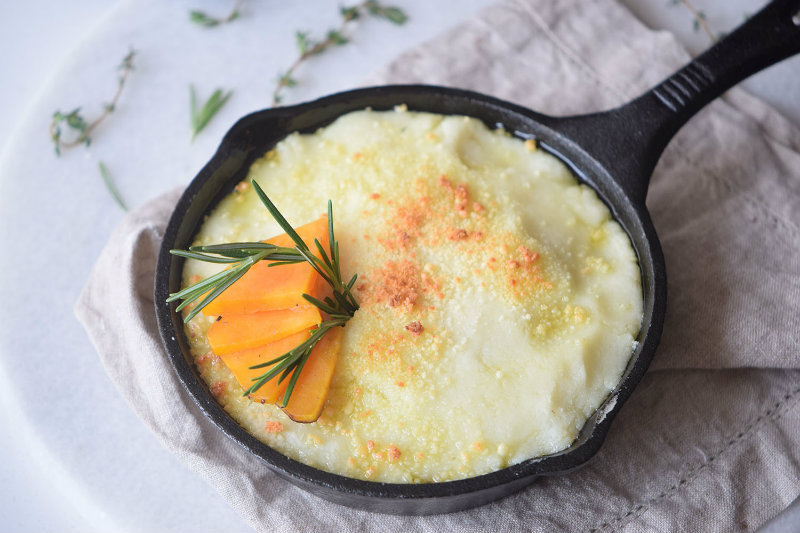
Sweet potato shepherd’s pie is what happens when a classic comfort-food casserole puts on its favorite fall sweater. Underneath the golden-orange topping is a deeply savory mixture of ground lamb, tender vegetables, herbs, and rich gravy. On top, creamy mashed sweet potatoes bring earthy sweetness, brilliant color, and just enough personality to make ordinary mashed potatoes wonder whether they should update their résumé.
This recipe keeps the comforting structure of traditional shepherd’s pie while giving it a distinctly modern twist. Ground lamb creates the classic version, although beef, turkey, lentils, or a plant-based ground meat can all work. Technically, a pie made with beef is called cottage pie, while shepherd’s pie traditionally contains lambbut nobody at the dinner table is likely to issue a citation before asking for seconds.
Why Sweet Potatoes Work So Well
Traditional mashed potatoes provide a mild, buttery lid for shepherd’s pie. Sweet potatoes perform the same structural job but contribute more flavor. Their natural sweetness balances the savory meat, tomato paste, Worcestershire sauce, broth, garlic, and herbs in the filling. The result is not sugary; it is layered, warm, and pleasantly complex.
Sweet potatoes also produce an especially attractive topping. Their orange flesh develops lightly browned ridges in the oven, particularly when the mash is spread with a fork rather than smoothed flat. Several popular American versions pair sweet potatoes with beef, turkey, venison, meat substitutes, lentils, mushrooms, and even Tex-Mex seasonings, demonstrating how flexible the basic formula can be.
From a nutritional standpoint, sweet potatoes contribute fiber and naturally occurring vitamins and minerals. USDA resources identify them as a useful seasonal vegetable, while USDA research has also associated their growing popularity with consumer interest in nutrition and expanding sweet-potato-based food choices.
Sweet Potato Shepherd’s Pie Recipe
Recipe Overview
- Prep time: 30 minutes
- Cooking time: 50 minutes
- Total time: About 1 hour 20 minutes
- Yield: 6 generous servings
- Best baking dish: 9-by-13-inch casserole dish or a deep 12-inch oven-safe skillet
Ingredients for the Sweet Potato Topping
- 2 1/2 pounds orange-fleshed sweet potatoes, peeled and cut into 1-inch chunks
- 1 teaspoon kosher salt, plus more for the cooking water
- 4 tablespoons unsalted butter
- 1/3 cup whole milk, half-and-half, or unsweetened non-dairy milk
- 1/4 teaspoon freshly ground black pepper
- 1/8 teaspoon ground nutmeg, optional
- 1 egg yolk, optional, for a richer and firmer topping
Ingredients for the Shepherd’s Pie Filling
- 1 tablespoon olive oil
- 1 1/2 pounds ground lamb
- 1 medium yellow onion, finely diced
- 2 medium carrots, diced into small pieces
- 2 celery stalks, finely diced
- 3 garlic cloves, minced
- 2 tablespoons tomato paste
- 2 tablespoons all-purpose flour
- 1 cup low-sodium beef or chicken broth
- 1 tablespoon Worcestershire sauce
- 1 teaspoon chopped fresh rosemary or 1/2 teaspoon dried rosemary
- 1 teaspoon fresh thyme leaves or 1/2 teaspoon dried thyme
- 1/2 teaspoon kosher salt, adjusted to taste
- 1/2 teaspoon freshly ground black pepper
- 1 cup frozen peas
- 1/2 cup frozen corn, optional
- 1 tablespoon chopped fresh parsley, optional
How to Make Sweet Potato Shepherd’s Pie
Step 1: Cook the Sweet Potatoes
Place the peeled sweet potato chunks in a large pot and cover them with cold water by about one inch. Add a generous pinch of salt. Bring the water to a boil, reduce it to a steady simmer, and cook for 15 to 18 minutes, or until the potatoes are completely tender when pierced with a fork.
Starting with cold water encourages the pieces to cook more evenly. Keep the chunks close to the same size so one piece does not turn into soup while another remains stubbornly crunchy.
Step 2: Dry and Mash the Potatoes
Drain the potatoes thoroughly, then return them to the hot pot. Set the pot over low heat for one to two minutes, stirring gently, so excess moisture can evaporate. This small step prevents a watery topping.
Add the butter, milk, salt, pepper, and nutmeg. Mash until smooth but avoid beating the mixture aggressively. Stir in the optional egg yolk after the potatoes have cooled for a minute. The yolk helps the topping hold distinct ridges and adds richness without making it taste eggy.
For especially deep sweetness, some sweet-potato techniques use slow roasting instead of boiling. Longer exposure to moderate heat can encourage starches to convert into sweeter-tasting sugars, although boiling remains the faster choice for a weeknight casserole.
Step 3: Brown the Lamb
Preheat the oven to 400°F. Heat the olive oil in a large skillet over medium-high heat. Add the ground lamb and spread it across the pan. Let it cook undisturbed for about two minutes before breaking it into small pieces.
Continue cooking until the lamb is well browned. Browning creates concentrated savory flavor, so resist the temptation to stir constantly. If the meat releases a large amount of fat, carefully spoon off the excess, leaving approximately one tablespoon in the skillet.
Step 4: Build the Vegetable Base
Add the onion, carrots, and celery. Cook for six to eight minutes, stirring occasionally, until the onion softens and the carrots begin to lose their raw crunch. Stir in the garlic, rosemary, and thyme, then cook for about 30 seconds.
Small, evenly diced vegetables are important. Large carrot chunks may remain firm after the casserole is baked, while very tiny pieces can disappear into the gravy. Aim for pieces roughly the size of a pea.
Step 5: Make the Gravy
Stir the tomato paste into the meat and vegetables. Cook it for one to two minutes, allowing it to darken slightly. Sprinkle the flour evenly over the mixture and stir until no dry patches remain.
Slowly pour in the broth while stirring. Add the Worcestershire sauce, salt, and black pepper. Bring the mixture to a gentle simmer and cook for four to six minutes, or until the gravy coats the back of a spoon.
The filling should be moist but not soupy. A loose filling can push through the sweet potato layer and create an orange-and-brown lava field. Delicious, perhaps, but not exactly the tidy casserole moment you imagined. Worcestershire sauce, tomato paste, herbs, broth, and a thickening ingredient appear repeatedly in successful shepherd’s pie formulas because they create a filling that is both savory and cohesive.
Step 6: Add the Peas
Remove the skillet from the heat and fold in the frozen peas, optional corn, and parsley. The residual heat will thaw the vegetables without overcooking them. Taste the filling and adjust the salt, pepper, or Worcestershire sauce.
Step 7: Assemble the Pie
Transfer the filling to a lightly greased casserole dish if your skillet is not oven-safe. Spoon the mashed sweet potatoes over the filling in several large mounds. Gently spread them toward the edges, sealing the filling underneath.
Use a fork to create ridges, waves, or dramatic little peaks. These textured areas brown more effectively than a perfectly flat surface. Place the casserole dish on a rimmed sheet pan to catch any enthusiastic bubbling.
Step 8: Bake Until Bubbling
Bake for 20 to 25 minutes, or until the filling bubbles around the edges and the topping is hot. For additional color, switch the oven to broil and cook for one to three minutes. Watch closely because broilers operate with the emotional stability of a fireworks display.
Broiling is commonly used to finish sweet-potato-topped shepherd’s pie because it lightly chars the raised portions of the mash and gives the casserole a more attractive crust.
Step 9: Let It Rest
Allow the shepherd’s pie to rest for 10 to 15 minutes before serving. Resting gives the gravy time to settle and helps each portion remain layered rather than immediately collapsing into a delicious puddle.
Tips for the Best Texture and Flavor
Keep the Topping Thick
Sweet potatoes can retain considerable moisture. Drain them thoroughly, return them to the warm pot, and avoid adding all the milk at once. The finished mash should be creamy enough to spread but firm enough to sit on a spoon without flowing.
Develop a Deeply Savory Filling
Because the topping is naturally sweet, the filling needs assertive savory flavor. Properly browned meat, cooked tomato paste, Worcestershire sauce, garlic, rosemary, thyme, black pepper, and well-seasoned broth create balance. A small splash of dry red wine or stout can add further depth, but simmer it before adding the broth so the flavor mellows and concentrates.
Do Not Skip the Thickening Step
The flour stabilizes the gravy and helps the pie hold together. For a gluten-free sweet potato shepherd’s pie, replace the flour with one tablespoon of cornstarch mixed with two tablespoons of cold broth. Stir the slurry into the simmering filling and cook until thickened.
Taste Both Layers Separately
Season the sweet potato topping and the lamb filling before assembly. Once the layers are joined, correcting an underseasoned bottom layer becomes significantly more complicated unless your dining room includes excavation equipment.
Easy Variations
Ground Beef Cottage Pie
Replace the lamb with an equal amount of ground beef. The flavor will be milder and more familiar to many American families. Although the traditional name is cottage pie, the preparation remains the same.
Turkey Sweet Potato Shepherd’s Pie
Ground turkey creates a lighter-tasting filling. Because turkey is lean, add an extra teaspoon of olive oil and consider increasing the Worcestershire sauce or tomato paste slightly. Turkey and sweet potato versions are widely used because the mild meat pairs naturally with the colorful, sweet topping.
Vegetarian Sweet Potato Shepherd’s Pie
Replace the meat with cooked brown or green lentils and chopped mushrooms. Brown the mushrooms thoroughly before adding the other vegetables. Lentils provide substance, while mushrooms bring savory flavor and a pleasantly meaty texture. The combination has been used successfully in vegan sweet potato shepherd’s pie recipes.
Tex-Mex Version
Use ground turkey or beef, substitute black beans and corn for the peas, and season the filling with chili powder, cumin, smoked paprika, and jalapeño. Add lime juice and chopped cilantro to the sweet potato mash for a brighter finish.
Dairy-Free Version
Use olive oil or plant-based butter in the topping and replace the milk with unsweetened oat, soy, or almond milk. Check the Worcestershire sauce label because some versions contain anchovies, which matters when preparing a fully vegan pie.
What to Serve with Sweet Potato Shepherd’s Pie
This casserole already contains protein, vegetables, and a substantial topping, so side dishes should be simple and fresh. A crisp green salad with mustard vinaigrette cuts through the richness. Roasted Brussels sprouts, steamed green beans, sautéed kale, or lemony broccoli also work well.
For a dinner party, serve smaller portions with crusty bread and a sharp cabbage slaw. The pie is hearty enough that the supporting dishes do not need to audition for the leading role.
Make-Ahead, Storage, and Reheating
Making It Ahead
Prepare the filling and topping up to one day in advance. Cool the filling before spreading the mashed sweet potatoes over it, cover the assembled casserole, and refrigerate. When ready to cook, let the dish stand at room temperature while the oven preheats, then bake until the center is thoroughly hot. A chilled casserole may require an additional 10 to 15 minutes.
Refrigerating Leftovers
Transfer leftovers to shallow, airtight containers and refrigerate them within two hours. FoodSafety.gov advises using refrigerated leftovers within approximately four days and reheating them to an internal temperature of 165°F.
Freezing Shepherd’s Pie
The assembled pie can be frozen before or after baking. Cool it completely, wrap it tightly, and freeze it for up to three months for best quality. Thaw it overnight in the refrigerator before reheating, or bake from frozen with additional time. Cover the dish initially so the topping does not overbrown before the center becomes hot.
Best Reheating Method
For the best texture, reheat individual portions in a 350°F oven until hot, then briefly broil the topping. The microwave is faster, but covering the food, rotating it, and checking several areas helps reduce cold spots. Leftovers should reach 165°F before serving.
Frequently Asked Questions
Can I Leave the Sweet Potato Skins On?
Yes, although the topping will look more rustic and may contain small pieces of skin. Scrub the potatoes thoroughly and trim damaged areas. For the smoothest, most traditional-looking mash, peel them.
Why Is My Shepherd’s Pie Watery?
The filling may not have simmered long enough, the vegetables may have released excess liquid, or the sweet potatoes may have been too wet. Reduce the filling until it resembles thick gravy and dry the cooked potatoes briefly in the hot pot before mashing.
Can I Use Canned Sweet Potatoes?
Canned sweet potatoes can work in an emergency, but choose a product packed in water rather than syrup. Drain it extremely well and add the milk gradually because canned potatoes are often softer and wetter than freshly cooked ones.
Can I Add Cheese?
Absolutely. Sprinkle sharp cheddar, Parmesan, or Gruyère over the sweet potato topping before baking. A modest amount is best; too much can overpower the contrast between the savory filling and naturally sweet mash.
Is Sweet Potato Shepherd’s Pie Gluten-Free?
It can be. Use cornstarch instead of flour and verify that the broth and Worcestershire sauce are labeled gluten-free. The remaining core ingredients are naturally free from gluten.
Kitchen Experience: What You Learn While Making This Pie
The first practical lesson of sweet potato shepherd’s pie is that appearance can be misleading. The ingredient list looks long, but most items belong to one of two friendly camps: things that go into the mash and things that go into the skillet. Once the vegetables are chopped, the process becomes a comfortable sequence of boiling, browning, stirring, spreading, and trying not to poke the topping every 30 seconds while it bakes.
The biggest difference between an average pie and a memorable one usually appears in the skillet. Pale, steamed meat produces a filling that tastes flat even after herbs and broth are added. Allowing the lamb to sit against the hot pan before breaking it apart creates browned edges and a fuller flavor. It may feel as though nothing is happening during those first quiet minutes, but the silence is productive. Dinner is building character.
The vegetables teach another useful lesson: size matters. Finely diced onion nearly melts into the gravy, while evenly cut carrots and celery remain visible without becoming crunchy obstacles. When everything is cut randomly, each forkful feels like it was assembled by a different committee. Consistent pieces make the filling cook evenly and give the finished casserole a polished texture.
The sweet potato topping has its own personality. Russet potatoes often become fluffy and relatively neutral, but sweet potatoes are denser, silkier, and more assertive. They need less liquid than many cooks expect. Adding milk gradually is much safer than pouring it in enthusiastically and discovering that the topping now has the structural integrity of pancake batter. A spoonful of mash should hold its shape before it goes onto the filling.
Spreading the topping is easier when it is added in separate mounds. Dropping all the mash in the center and dragging it outward tends to pull the filling along for the ride. Placing spoonfuls around the surface distributes the weight, making it possible to join them gently into an even layer. Sealing the mash to the edges also reduces the number of places where the bubbling gravy can stage an escape.
The fork-ridge step may seem decorative, but it creates a noticeable improvement. Peaks and grooves expose more surface area to the oven’s heat, producing browned tips and slightly crisp edges. Those toasted areas contrast with the soft mash underneath. A flat topping still tastes good, but a textured topping looks like someone made an efforteven when that effort consisted of waving a fork around for 20 seconds.
Another useful experience is learning when to stop cooking the gravy. It should be thicker than ordinary stew because it will loosen slightly in the oven. Drag a spoon through the skillet; the path should remain visible for a moment before the mixture slowly closes. If broth immediately rushes into the gap, continue simmering. If the filling stands like concrete, stir in a splash of broth.
Finally, resting the casserole proves that patience can be an ingredient. Cutting into it immediately releases steam and encourages the layers to slide apart. Waiting 10 to 15 minutes produces cleaner portions and more balanced bites. The pie will still be hot, the kitchen will still smell wonderful, and nobody will suffer permanent harm from staring at dinner for a few extra minutes.
That combination of forgiving ingredients and small technique-driven improvements is what makes sweet potato shepherd’s pie so satisfying. It is flexible enough for weeknights, attractive enough for company, and practical enough for make-ahead meals. The leftovers may be even better after the herbs, gravy, vegetables, and sweet potatoes spend a night getting properly acquainted.