

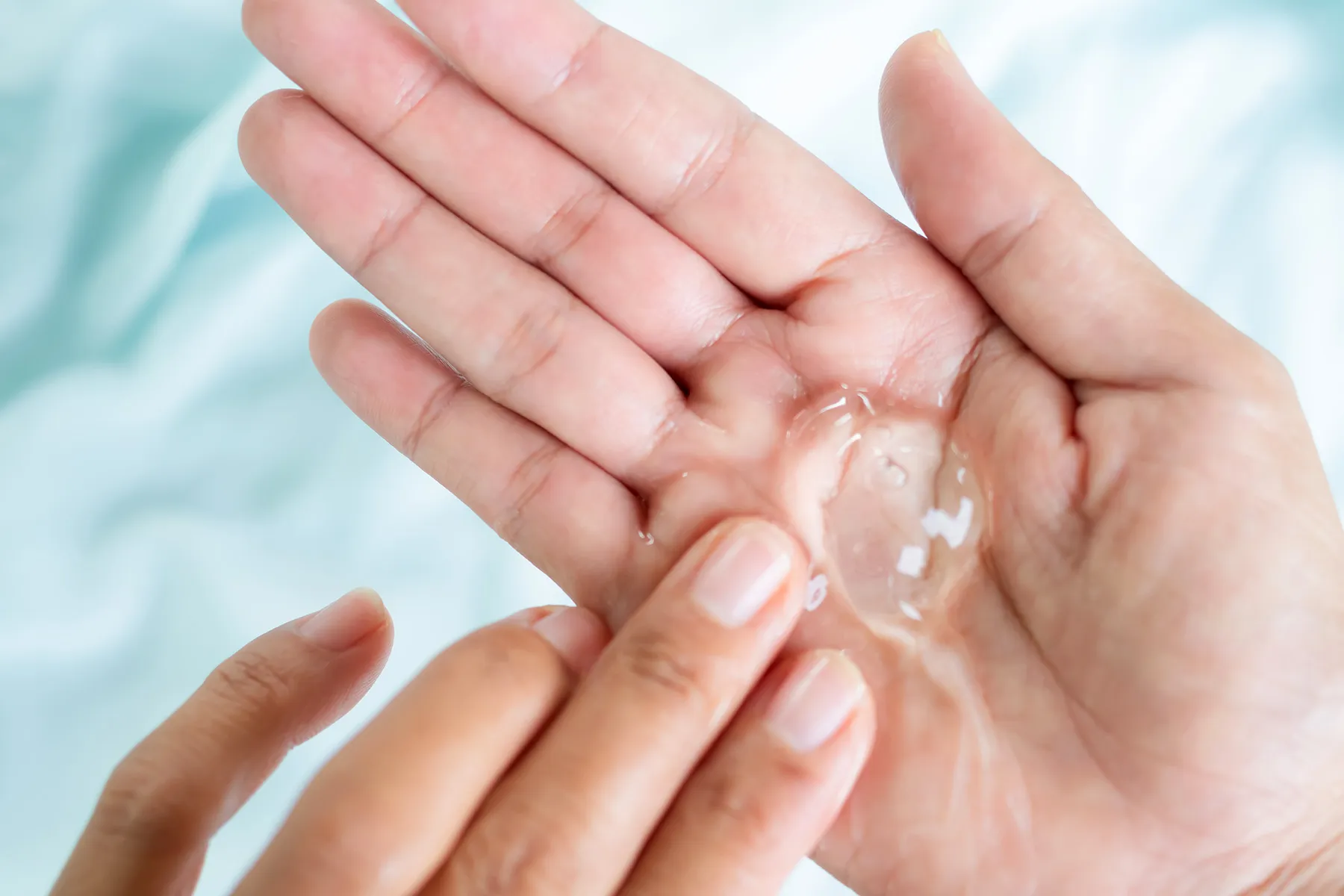
Shopping for cosmetics when you have eczema can feel like entering a beauty store while your skin quietly holds a fire extinguisher. One elegant bottle promises radiance. Another offers a “botanical awakening.” Meanwhile, your face is wondering whether either product will make it itch until next Tuesday.
Eczema-prone skin has a weakened protective barrier that loses moisture more easily and may react strongly to irritants or allergens. Makeup does not automatically cause eczema, and people with eczema do not have to abandon foundation, blush, or lipstick. The trick is choosing formulas that support the skin barrier instead of treating your face like a chemistry experiment.
This guide covers six cosmetic ingredients that are generally helpful for dry, sensitive, eczema-prone skin and four categories that deserve extra caution. Individual reactions vary, so think of this as a smarter shopping frameworknot a universal list of ingredients that every person must obey.
Why Eczema Changes the Rules of Cosmetic Shopping
The outermost layer of healthy skin works somewhat like a brick wall. Skin cells are the bricks, while lipids such as ceramides help form the mortar. With eczema, that wall may have gaps. Water escapes more quickly, and ingredients that would normally remain on the surface can penetrate more easily and cause stinging, redness, itching, or inflammation.
Cosmetics can create two different problems. The first is irritant contact dermatitis, which occurs when a harsh product directly damages or aggravates the skin. The second is allergic contact dermatitis, an immune reaction to a particular ingredient such as fragrance or a preservative. These reactions can resemble an ordinary eczema flare, making the true trigger difficult to identify without medical patch testing.
The safest strategy is not to chase every “clean,” “natural,” or “hypoallergenic” label on the shelf. Those terms do not guarantee that a product will be suitable for your skin. Read the actual ingredient list, introduce products gradually, and prioritize simple fragrance-free formulas.
6 Cosmetic Ingredients to Love
1. Ceramides: Barrier Repair in a Tiny Jar
Ceramides are lipids naturally found in the skin barrier. They help hold skin cells together, limit water loss, and protect against environmental irritants. Because eczema-prone skin can have an impaired lipid barrier, ceramide-containing moisturizers and cosmetics may help improve hydration and reduce that tight, papery feeling that appears before a flare.
Look for ceramides in hydrating primers, tinted moisturizers, creamy foundations, concealers, and makeup-removing cleansers. Ingredient lists may include names such as ceramide NP, ceramide AP, or ceramide EOP. Ceramides often work best when combined with cholesterol and fatty acids, which together mimic some of the skin’s natural barrier components.
Ceramides are not prescription eczema treatments, and a ceramide foundation will not stop a severe flare. Still, they can make daily cosmetic wear less drying and help support the moisturizer applied underneath.
2. Colloidal Oatmeal: The Calm, Sensible Friend
Colloidal oatmeal is finely ground oat material formulated to disperse evenly in a cosmetic or skin-care product. It contains compounds with moisturizing, soothing, antioxidant, and anti-inflammatory properties. It also has a long history of use in products designed to relieve minor itching and irritation associated with eczema.
You are more likely to find colloidal oatmeal in primers, balms, face creams, tinted moisturizers, cleansers, and post-makeup soothing products than in traditional powder makeup. For people whose skin feels itchy or uncomfortable after removing cosmetics, an oatmeal-containing moisturizer can be particularly useful.
An oat ingredient is not automatically harmless for everyone. People with a known oat allergy should speak with an allergist or dermatologist before using it. For most eczema-prone users, however, colloidal oatmeal is one of the better-known soothing ingredients available without a prescription.
3. Glycerin: A Moisture Magnet Without the Drama
Glycerin is a humectant, meaning it attracts water into the outer layer of the skin. It is widely used because it is effective, relatively inexpensive, and compatible with many types of cosmetic formulas. When a foundation claims to be moisturizing, glycerin is often one of the ingredients doing the actual work while the marketing department takes a victory lap.
Glycerin can reduce the dry, cracked appearance that sometimes makes foundation collect around eczema patches. It is useful in liquid foundations, skin tints, creamy blushes, primers, setting sprays, cleansers, and moisturizers.
Humectants work best when they are paired with emollient or occlusive ingredients that prevent the attracted moisture from escaping. A product containing glycerin plus ceramides, dimethicone, squalane, or petrolatum is often more helpful than an extremely lightweight glycerin serum used by itself.
4. Hyaluronic Acid: Hydration With an Important Catch
Hyaluronic acid and its salt form, sodium hyaluronate, are humectants that help attract and retain water. They can temporarily make dehydrated skin look smoother and plumper, which may improve the way makeup sits over fine lines and dry patches.
Despite the word “acid,” hyaluronic acid is not an exfoliating acid like glycolic or salicylic acid. It does not intentionally strip away dead skin cells. That makes it much easier for many people with eczema to tolerate.
The catch is that hyaluronic acid should not be expected to repair the skin barrier on its own. Apply it as part of a balanced formula or seal it beneath a cream. On extremely dry skin, a thin hyaluronic serum without enough emollient ingredients may feel sticky, tight, or simply underwhelmingrather like ordering dinner and receiving an inspirational quote.
5. Petrolatum: Not Glamorous, Extremely Good at Its Job
Petrolatum is an occlusive ingredient that forms a protective layer over the skin and significantly reduces water loss. It is bland, stable, inexpensive, and widely recommended for severely dry or compromised skin. It may appear in ointments, lip products, makeup-removing balms, barrier creams, and rich complexion products.
A very thin layer of petrolatum over moisturizer can protect small dry areas around the nostrils, lips, or eyelids before makeup is applied. Using too much under foundation can produce more slip than a freshly polished bowling lane, so restraint is helpful.
Dimethicone is another eczema-friendly occlusive commonly found in primers and foundations. It creates a smooth film, reduces friction, and gives makeup its silky application. People who dislike the heavier texture of petrolatum may find dimethicone-based products more comfortable during the day.
6. Niacinamide: Helpful When the Formula Is Sensible
Niacinamide, a form of vitamin B3, can support skin-barrier function and improve moisture retention. It appears in an enormous range of products, including primers, skin tints, foundations, moisturizers, and concealers. Research on niacinamide-containing emollients suggests potential benefits for hydration, barrier function, and the symptoms of atopic dermatitis.
However, more is not always better. High-strength niacinamide serums or formulas containing several active ingredients can sting inflamed skin. A moderate amount within a bland, fragrance-free moisturizer or cosmetic is generally a more eczema-conscious choice than a concentrated “maximum glow” serum.
Introduce niacinamide slowly, especially if your skin is actively cracked or burning. If it repeatedly causes warmth, redness, or itching, stop using it. An ingredient can be useful in scientific studies and still be personally incompatible with your face.
4 Cosmetic Ingredients to Leaveor Approach Very Carefully
1. Fragrance, Perfume, and Scented Essential Oils
Fragrance is one of the most important cosmetic concerns for people with eczema. It can irritate sensitive skin or cause allergic contact dermatitis. A product may list fragrance as fragrance, parfum, perfume, or aroma. Individual fragrance compounds may also appear under separate chemical or botanical names.
Essential oils are not automatically gentler because they came from a plant. Lavender, peppermint, citrus, tea tree, eucalyptus, and bergamot oils contain aromatic compounds that may irritate or sensitize susceptible skin. Citrus oils can also create additional concerns when used on sun-exposed skin.
Choose products labeled fragrance-free rather than merely unscented. An unscented product may contain masking fragrance designed to hide the natural odor of other ingredients. Your complexion does not need to smell like a lavender meadow to look good.
2. Drying Alcohols and Strong Astringents
Alcohol denat., ethanol, SD alcohol, and isopropyl alcohol are sometimes added to help cosmetics feel weightless, dry quickly, or deliver a matte finish. In high concentrations, they can remove surface oils and aggravate dryness, stinging, and barrier damage. They are especially common in long-wear foundations, setting sprays, toners, and oil-control products.
This does not mean that every ingredient containing the word “alcohol” is bad. Cetyl alcohol, cetearyl alcohol, stearyl alcohol, and behenyl alcohol are fatty alcohols. They function as emollients or texture-enhancing ingredients and are usually much less drying.
For eczema-prone skin, be particularly cautious when a volatile alcohol appears near the beginning of the ingredient list or when the product promises an ultra-matte, instant-dry finish. Matte perfection often sends the moisture barrier an invoice later.
3. Isothiazolinones and Formaldehyde-Releasing Preservatives
Water-based cosmetics need preservatives to prevent microbial growth. Preservatives are not inherently bad; an inadequately preserved product can become contaminated and unsafe. However, certain preservatives have a stronger history of causing allergic contact dermatitis.
Ingredients of concern include methylisothiazolinone, abbreviated MI, and methylchloroisothiazolinone, abbreviated MCI. Formaldehyde-releasing preservatives such as quaternium-15, DMDM hydantoin, imidazolidinyl urea, and diazolidinyl urea may also trigger reactions in sensitized individuals.
Not every person with eczema is allergic to these ingredients, and avoiding all preservatives is neither realistic nor desirable. They become especially important when unexplained facial or eyelid eczema continues despite an otherwise gentle routine. A dermatologist can use medical patch testing to identify a true preservative allergy.
4. Strong Exfoliating Acids and Retinoids During a Flare
Glycolic acid, lactic acid, salicylic acid, and retinoids can be useful for acne, pigmentation, and texture. Unfortunately, they can also increase dryness, peeling, burning, and irritation, particularly when the eczema barrier is already inflamed.
Products that combine several exfoliating acids with retinol are especially likely to overwhelm sensitive skin. Exercise similar caution with highly concentrated vitamin C, strong acne treatments, and peel pads. None of these ingredients is universally forbidden, but an active eczema flare is not the ideal time to pursue aggressive resurfacing.
Once the skin is stable, a dermatologist may help you introduce an active product gradually. Start with a low strength, use it infrequently, and avoid adding multiple actives at once. Your skin cannot submit a formal complaint, so it communicates through burning and redness.
How to Read a Cosmetic Label When You Have Eczema
Ingredient lists can resemble rejected spelling-bee material, but you do not need a chemistry degree to make better choices. Start with the highest-impact details:
- Look for “fragrance-free.” Do not rely solely on “natural,” “clean,” “dermatologist tested,” or “hypoallergenic.”
- Prefer shorter, simpler formulas. Fewer ingredients mean fewer possible triggers, although simplicity alone does not guarantee safety.
- Search for barrier-supporting ingredients. Ceramides, glycerin, petrolatum, dimethicone, colloidal oatmeal, hyaluronic acid, and moderate amounts of niacinamide are useful starting points.
- Watch for clusters of aggressive actives. A single mild active may be manageable; five exfoliants, retinol, fragrance, and a minty cooling agent are less encouraging.
- Save the packaging. If a reaction occurs, the complete ingredient list can help a dermatologist identify possible allergens.
The location of an ingredient matters, but concentration cannot always be determined accurately from label order alone. A problematic ingredient near the end of a list may still cause an allergic reaction in someone already sensitized to it.
How to Patch-Test Makeup Before Using It
Apply a small amount of the product to a quarter-sized area on the inner arm or elbow. Repeat the application once or twice daily for approximately seven to 10 days, unless your dermatologist has given you different instructions. Stop if you develop itching, swelling, burning, bumps, or a persistent rash.
A home trial can reveal obvious irritation, but it is not the same as medical patch testing. Professional patch testing uses standardized allergens and delayed readings to diagnose allergic contact dermatitis. Seek dermatologic evaluation when facial or eyelid eczema keeps returning, products that were once tolerated suddenly cause reactions, or the trigger remains unclear.
Do not patch-test mascara, eyeliner, or products intended only for the lips directly on the arm and assume the result guarantees safe use around the eyes or mouth. Those areas can be more reactive. Introduce eye and lip cosmetics cautiously and discontinue them at the first sign of swelling or inflammation.
Building an Eczema-Friendlier Makeup Routine
Prepare the Skin
Apply a fragrance-free cream or ointment while the skin is slightly damp. Give it time to settle before applying makeup. On very dry patches, use a tiny amount of petrolatum or a silicone-based barrier product to reduce friction and flaking.
Choose Flexible, Hydrating Formulas
Skin tints, creamy concealers, and satin-finish foundations are often more comfortable than ultra-matte or long-wear products. A heavy powder may emphasize scaling, while waterproof makeup can require stronger cleansers and more rubbing during removal.
Apply Without Scrubbing
Use clean fingers, a soft sponge, or a regularly washed brush. Press or tap the product onto the skin rather than vigorously buffing it over inflamed areas. Never share cosmetics, and replace eye products according to the manufacturer’s recommended schedule.
Remove Makeup Gently
Use lukewarm water and a fragrance-free cleanser or makeup-removing balm that does not require repeated rubbing. Pat the skin dry and immediately reapply moisturizer. Double cleansing is not a moral requirement; one effective, gentle cleanse is often enough.
Conclusion: Let Your Skin Barrier Lead the Shopping Trip
The best cosmetics for eczema-prone skin are usually the least theatrical. Ceramides, colloidal oatmeal, glycerin, hyaluronic acid, petrolatum, and sensibly formulated niacinamide can support hydration and reduce the dry appearance that makes makeup difficult to wear.
Fragrance, scented essential oils, drying alcohols, sensitizing preservatives, and aggressive resurfacing ingredients deserve greater caution. That does not mean every questionable ingredient will trigger every person. Eczema is highly individual, and allergies can develop even to products you previously used without trouble.
Keep the routine simple, test one new product at a time, and resist the temptation to redesign your entire bathroom shelf in one enthusiastic weekend. Consistent barrier care is less glamorous than a 14-step routine, but it is considerably more helpful when your skin is behaving like an offended celebrity.
Experience Notes: What an Eczema-Friendly Cosmetics Reset Often Feels Like
The following is a composite experience based on common situations reported by people managing sensitive, eczema-prone skin. It is not the story of one specific patient, but it illustrates why ingredient tracking and gradual changes matter.
The routine often begins with confusion. Someone may notice that foundation suddenly looks cracked around the mouth and nose, even though the product worked perfectly a few months earlier. A new primer is blamed, then the weather, then stress, then perhaps the moon. The person buys a richer foundation, adds a facial oil, and tries a heavily scented “calming” mask. Instead of improving, the skin becomes itchier.
The first useful change is usually subtraction. The scented mask disappears. So do the exfoliating toner, long-wear setting spray, and fragranced makeup remover. For several days, the routine consists of a gentle cleanser, a ceramide-rich moisturizer, sunscreen, and only the makeup that is genuinely necessary.
This phase can feel boring. There are no dramatic before-and-after photographs, no sparkling serum bottles, and no overnight transformation. What often changes first is comfort. Cleansing no longer stings. The skin feels less tight after washing. The urge to scratch around the jawline gradually decreases.
Next comes the product diary. Each cosmetic is written down with the date it was introduced. One foundation is patch-tested on the inner arm for more than a week. When no reaction develops, it is applied to a small area of the face and worn for a few hours. The following week, a concealer is added. Blush has to wait its turn like everyone else.
A few surprising lessons may emerge. The product labeled “all-natural” contains several fragrant essential oils and causes immediate warmth. The plain pharmacy moisturizer feels luxurious simply because it does not hurt. A rich petrolatum ointment is excellent overnight but too slippery beneath daytime makeup. A dimethicone primer creates a smoother surface without requiring aggressive rubbing.
The biggest improvement frequently comes from changing technique rather than buying another product. Instead of buffing foundation over flaky skin, the user presses on a small amount with a damp sponge. Powder is limited to areas that truly need it. Makeup is removed before exhaustion turns cleansing into an impatient scrubbing session.
There may still be setbacks. Hot weather, illness, stress, seasonal allergies, or an unnoticed ingredient can trigger another flare. The difference is that the routine now contains fewer variables. When redness appears after a new concealer, identifying the likely cause is much easier than when six new products were introduced on the same morning.
Over time, the person stops expecting cosmetics to treat eczema. Makeup becomes decoration again, while moisturizers, prescribed treatments, trigger management, and medical care handle the skin condition itself. That shift reduces both irritation and disappointment.
The most realistic success is not flawless skin every day. It is knowing which products are usually comfortable, recognizing warning signs early, and having a simple fallback routine when the skin becomes reactive. The cosmetics bag may contain fewer products than before, but each one has earned its place rather than winning it through attractive packaging and suspiciously enthusiastic adjectives.