

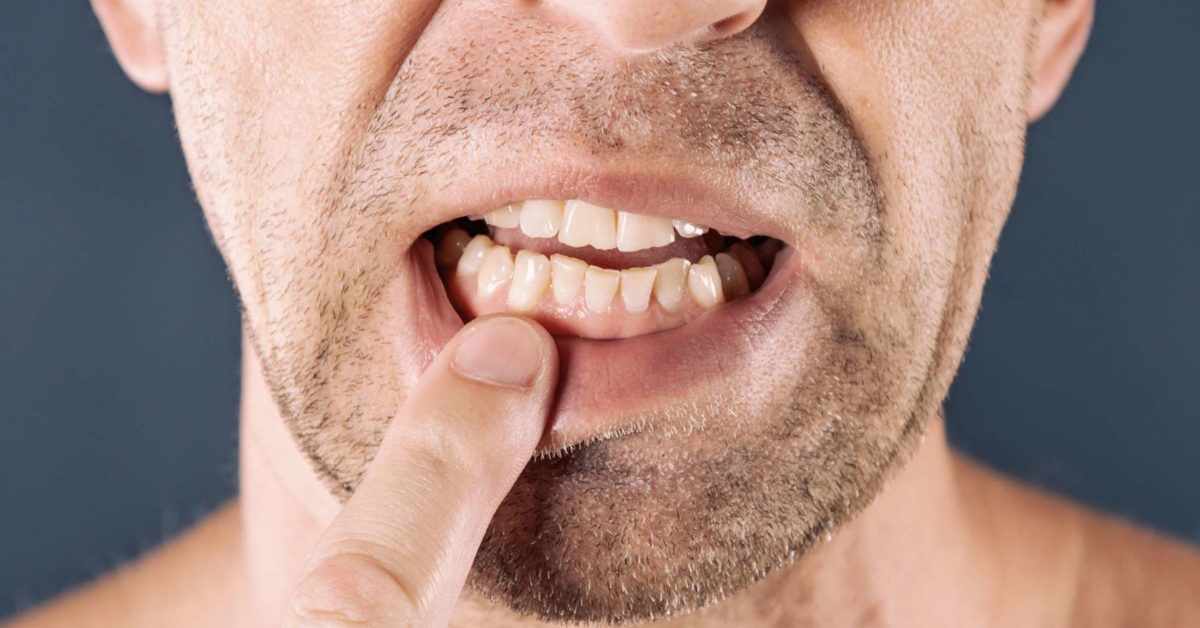
Gum pain has a special talent for ruining perfectly normal moments. One minute you are enjoying coffee, toast, or a heroic bite of pizza, and the next minute your gums are sending an angry little memo: “Excuse me, we need to talk.” The discomfort may feel like tenderness, burning, swelling, bleeding, throbbing, or sharp pain around one tooth. Sometimes it is mild and temporary. Other times, it is your mouth waving a tiny red flag and asking for professional attention.
The good news is that gum pain is common, usually explainable, and often treatable once the real cause is identified. The less-good news is that ignoring gum pain rarely makes you look mysterious and brave. It usually gives plaque, infection, or irritation more time to throw a house party in your mouth.
This guide explains the most common causes of sore gums, how dentists diagnose the problem, what treatments may help, when to seek urgent care, and how to prevent gum pain from coming back like an annoying sequel nobody requested.
What Is Gum Pain?
Gum pain is discomfort in the gingiva, the soft tissue that surrounds and supports the teeth. Healthy gums are usually firm, pink, and snug around the teeth. Pain may happen when the gums become inflamed, injured, infected, irritated, or exposed to pressure. It can affect one small spot or spread across a larger area of the mouth.
Some people notice gum pain only while brushing or flossing. Others feel it while chewing, drinking something cold, wearing braces or dentures, or touching a swollen area with the tongue. Gum pain may also appear with bleeding gums, bad breath, gum recession, pus, loose teeth, mouth sores, tooth sensitivity, or a bad taste in the mouth.
Common Causes of Gum Pain
1. Gingivitis
Gingivitis is the earliest and mildest form of gum disease. It usually happens when plaque, a sticky film of bacteria, builds up along the gumline. Plaque irritates the gums, causing redness, swelling, tenderness, and bleeding during brushing or flossing.
The sneaky part? Gingivitis may not hurt much at first. Your gums may bleed a little, look puffy, or feel sensitive, but daily life continues. That is why many people ignore it until their toothbrush starts looking like it was involved in a tiny crime scene. Fortunately, gingivitis is often reversible with better home care and professional dental cleaning.
2. Periodontitis
Periodontitis is advanced gum disease. It can develop when gingivitis is left untreated. In periodontitis, the infection and inflammation affect deeper tissues that support the teeth, including bone. Symptoms may include swollen gums, receding gums, persistent bad breath, painful chewing, loose teeth, pus between the teeth and gums, and spaces forming between teeth.
This is not the stage where you want to rely on motivational quotes and mouthwash alone. Periodontitis needs dental treatment. Depending on severity, treatment may include deep cleaning, medication placed under the gums, periodontal maintenance, or surgical procedures.
3. Brushing Too Hard
Some people brush their teeth as if they are scrubbing a frying pan after Thanksgiving. The intention is admirable; the gums are not amused. Aggressive brushing, hard-bristled toothbrushes, or poor brushing technique can injure gum tissue and contribute to gum recession.
If your gums feel sore after brushing, switch to a soft-bristled toothbrush and use gentle circular motions. Cleaning teeth should feel thorough, not like a dental CrossFit competition.
4. Flossing Injuries
Flossing is excellent, but snapping floss into the gums can cause tenderness, bleeding, or small cuts. This is especially common when someone starts flossing after a long break. The gums may be inflamed already, making them more likely to bleed.
Use a slow, gentle “C-shape” motion around each tooth. If regular floss is difficult, dental picks, interdental brushes, or water flossers may help. The best flossing tool is the one you will actually use without declaring war on your gums.
5. Dental Abscess
A dental abscess is a bacterial infection that creates a pocket of pus. It may form near a tooth root or in the gum tissue beside a tooth. Abscess pain can be intense, throbbing, and persistent. Other warning signs may include facial swelling, fever, swollen lymph nodes, a bad taste, sensitivity to hot or cold, or pain when biting.
An abscess is not a “wait and see” situation. It requires dental care. Treatment may involve draining the infection, root canal treatment, tooth extraction, or antibiotics when appropriate. If swelling spreads to the face or neck, or if breathing or swallowing becomes difficult, seek emergency care immediately.
6. Canker Sores
Canker sores are small, painful ulcers that can appear on the gums, inner cheeks, lips, or tongue. They are not contagious, but they can make eating spicy chips feel like a dramatic life mistake. They often heal on their own within one to two weeks.
Triggers may include minor mouth injury, stress, acidic foods, nutritional deficiencies, or certain toothpaste ingredients. A dentist or physician should evaluate sores that are unusually large, keep returning, last more than two weeks, or appear with other symptoms.
7. Hormonal Changes
Hormonal shifts during puberty, menstruation, pregnancy, or menopause can make gums more sensitive to plaque and inflammation. Pregnancy gingivitis is a well-known example. Gums may become swollen, tender, or more likely to bleed.
Good oral hygiene and regular dental visits are especially important during these periods. Dental care during pregnancy is generally considered important, and delaying treatment for gum infection can create bigger problems.
8. Tooth Sensitivity and Gum Recession
Sometimes the pain feels like gum pain but actually comes from exposed tooth roots. When gums recede, the root surface may become exposed. This can lead to sensitivity when drinking cold water, eating sweet foods, brushing, or breathing in cool air.
Gum recession may result from gum disease, aggressive brushing, teeth grinding, misaligned teeth, tobacco use, or aging. Treatment may include desensitizing toothpaste, fluoride treatments, bonding, night guards, or gum grafting in more serious cases.
9. Food Irritation or Injury
Crunchy chips, popcorn kernels, fish bones, hard bread crusts, or sharp snacks can poke the gums. Food can also become trapped between teeth and cause pressure, tenderness, or inflammation.
Rinsing with warm salt water and gently flossing may help remove trapped food. If pain persists, a dentist should check for a deeper problem, such as a cavity, cracked tooth, or periodontal pocket.
10. Dental Appliances
Braces, retainers, dentures, partial dentures, mouthguards, and clear aligners can irritate gums if they fit poorly or create too much pressure. New appliances may cause mild soreness at first, but ongoing pain should not be ignored.
A dentist or orthodontist can adjust the appliance. Do not try to reshape dentures or orthodontic devices at home unless your dental provider has given specific instructions. Your bathroom is not a dental laboratory, even if the lighting is dramatic.
11. Dry Mouth
Saliva helps protect teeth and gums by washing away food particles and neutralizing acids. Dry mouth can increase the risk of tooth decay, gum irritation, bad breath, and infection. It may be caused by dehydration, mouth breathing, certain medications, medical conditions, or tobacco use.
Treatment depends on the cause. Drinking water, chewing sugar-free gum, using saliva substitutes, and discussing medication side effects with a healthcare provider may help.
12. Tobacco and Irritating Substances
Smoking and other tobacco products increase the risk of gum disease and can slow healing. Tobacco may also hide early signs of gum inflammation by reducing bleeding, which sounds helpful only until you realize it can mask a serious problem.
Quitting tobacco is one of the best steps for gum health. A dentist, physician, or quitline can help create a realistic plan.
Symptoms That May Come With Gum Pain
Gum pain may appear alone, but it often travels with other symptoms. Watch for red or swollen gums, bleeding when brushing or flossing, persistent bad breath, gum recession, tooth sensitivity, pain while chewing, sores, pus, loose teeth, or a change in how your teeth fit together when biting.
The pattern matters. Pain around one tooth may suggest a food trap, abscess, cracked tooth, or localized gum infection. Pain across many areas may point toward gingivitis, irritation, hormonal changes, dry mouth, or a reaction to oral-care products.
When Should You See a Dentist?
Schedule a dental appointment if gum pain lasts more than a few days, keeps returning, or appears with swelling, bleeding, bad breath, pus, tooth sensitivity, or painful chewing. You should also seek care if your gums bleed often, even without pain. Bleeding gums are common, but they are not something to casually add to your personality profile.
Seek urgent dental or medical care if you have severe pain, fever, facial swelling, swelling under the jaw, trouble opening your mouth, trouble swallowing, or trouble breathing. These can be signs of a spreading infection.
How Dentists Diagnose Gum Pain
A dentist will usually begin with questions about your symptoms: when the pain started, where it is located, what makes it better or worse, and whether you have bleeding, swelling, sensitivity, or recent dental work. They may examine your gums, teeth, bite, tongue, cheeks, and jaw.
For suspected gum disease, the dentist or hygienist may measure the spaces between your teeth and gums, called periodontal pockets. Deeper pockets can indicate periodontitis. Dental X-rays may be used to look for bone loss, abscesses, cavities, impacted teeth, or other hidden causes.
Gum Pain Treatment Options
At-Home Relief for Mild Gum Pain
For mild irritation, several home steps may help while you arrange care or monitor symptoms. Rinse gently with warm salt water. Brush with a soft-bristled toothbrush. Floss carefully to remove trapped food. Avoid very spicy, acidic, crunchy, or hot foods until the area calms down. A cold compress on the outside of the cheek may reduce discomfort from minor swelling.
Over-the-counter pain relievers may help some people, but they are not a cure for infection or gum disease. Follow product directions and avoid medications that are not safe for you. If you are unsure, ask a healthcare professional.
Professional Dental Cleaning
If plaque and tartar are causing inflammation, a professional cleaning can remove buildup that brushing cannot. This is especially important because tartar hardens onto teeth and becomes a tiny apartment complex for bacteria. Your toothbrush cannot evict it alone.
After cleaning, better brushing and flossing habits can often help gingivitis improve. Your dental team may also recommend a specific toothbrush, flossing tool, fluoride product, or antimicrobial rinse.
Scaling and Root Planing
For periodontitis, dentists often recommend scaling and root planing, sometimes called deep cleaning. Scaling removes plaque and tartar from above and below the gumline. Root planing smooths the root surfaces so gums can heal and reattach more effectively.
This treatment may be done over more than one visit. Local anesthesia may be used to keep you comfortable. Afterward, you may need periodontal maintenance cleanings more often than standard six-month cleanings.
Medication
Depending on the cause, a dentist may prescribe or apply medication. This may include antimicrobial mouth rinses, antibiotic gels placed in gum pockets, or oral antibiotics for certain infections. Antibiotics are not used for every gum problem, and they should not replace proper dental treatment when drainage, deep cleaning, or tooth treatment is needed.
Treatment for Abscesses
A dental abscess usually requires removing the source of infection. This may involve draining the abscess, performing root canal therapy, treating periodontal pockets, or extracting a tooth that cannot be saved. Pain may improve after proper treatment, but delaying care can allow infection to spread.
Treatment for Gum Recession
If gum recession is causing sensitivity, the dentist may recommend desensitizing toothpaste, fluoride varnish, bonding, changes in brushing technique, treatment for teeth grinding, or gum graft surgery. The right option depends on how much tissue has receded and why it happened.
How to Prevent Gum Pain
The best gum pain treatment is prevention, which is less glamorous than a miracle cure but much more reliable. Brush twice daily with fluoride toothpaste. Use a soft-bristled toothbrush and replace it every three to four months, or sooner if the bristles look like a frightened porcupine.
Clean between your teeth once a day with floss, interdental brushes, or a water flosser. Visit your dentist regularly for exams and cleanings. Eat a balanced diet, limit frequent sugary snacks, drink water, avoid tobacco, and manage health conditions such as diabetes that can affect gum health.
Also, pay attention to small changes. If your gums start bleeding, swelling, or pulling away from your teeth, do not wait for a dramatic soundtrack. Early care can prevent bigger problems.
Foods and Habits That May Help Sore Gums Heal
Soft, gentle foods can make eating easier while gums are tender. Try yogurt, oatmeal, scrambled eggs, soup that is warm rather than hot, mashed vegetables, smoothies without acidic fruit, or soft rice dishes. Avoid hard chips, crusty bread, acidic citrus, spicy sauces, and very hot drinks until the area feels better.
Hydration matters too. Water helps rinse the mouth and supports saliva flow. Sugar-free gum may help stimulate saliva if your mouth is dry. However, if chewing worsens pain, skip the gum and let your dentist investigate.
Myths About Gum Pain
Myth: “If my gums bleed, I should stop flossing.”
Not always. Bleeding often means inflammation is already present. Gentle daily cleaning may help, but persistent bleeding should be checked by a dentist.
Myth: “Mouthwash can cure gum disease.”
Mouthwash may reduce bacteria and freshen breath, but it cannot remove hardened tartar or repair advanced gum disease. It is a helper, not the superhero.
Myth: “Gum pain always means a cavity.”
Cavities can cause pain, but gum pain may also come from gingivitis, periodontitis, abscesses, canker sores, trauma, dry mouth, dental appliances, or gum recession.
Real-Life Experiences With Gum Pain: Lessons From the Dental Chair
Many people discover gum pain through small, ordinary moments. One common story starts with a person brushing their teeth and noticing a pink tint in the sink. They shrug it off because nothing hurts. A few weeks later, the gums feel puffy and tender. At the dental visit, the diagnosis is gingivitis. The solution is not dramatic: professional cleaning, better brushing, daily flossing, and a softer toothbrush. Within a short time, the gums feel calmer. The lesson? Early gum disease can be quiet, but your sink may be trying to send you a message.
Another familiar experience involves “healthy enthusiasm.” Someone buys a firm toothbrush and decides to brush harder because harder must mean cleaner, right? Unfortunately, gums do not appreciate being polished like old silverware. Soon the person notices soreness near the gumline and sensitivity to cold drinks. The dentist explains that aggressive brushing can irritate gums and contribute to recession. Switching to a soft brush and lighter pressure helps. The lesson? Clean smarter, not harder. Your gums are living tissue, not bathroom tile.
Then there is the popcorn kernel situation, a classic villain in dental folklore. A tiny piece of popcorn shell slides under the gum and refuses to leave. The area becomes sore, swollen, and annoying enough to ruin movie night. Gentle flossing or rinsing may remove it, but sometimes a dentist has to clean the area. The lesson? If one spot hurts after eating and does not improve, trapped food or localized inflammation may be the culprit.
Some people experience gum pain during stressful seasons. They may clench their teeth, skip flossing, drink more coffee, sleep less, and snack more often. Their gums become tender, breath gets less fresh, and brushing may cause bleeding. Stress does not directly sprinkle plaque on teeth like a villain with a glitter shaker, but it can change habits and increase inflammation. The lesson? During busy weeks, oral care routines matter even more.
People with braces, retainers, dentures, or aligners often learn that fit matters. A new appliance may create mild soreness, but persistent rubbing can lead to irritated gums or small sores. Adjustments can make a big difference. The lesson? Dental appliances should help your mouth, not start a long-running feud with it.
The most serious experience is the “I thought it would go away” abscess story. A person feels throbbing pain near one tooth, then swelling appears. Chewing hurts. Maybe there is a bad taste or fever. This is when dental care becomes urgent. Once the infection is treated properly, the relief can be enormous. The lesson? Severe, worsening, or swollen gum pain deserves prompt attention. Waiting is not a treatment plan; it is just giving the problem extra office space.
Across these experiences, the theme is simple: gums respond well when people listen early. Gentle brushing, daily cleaning between teeth, regular dental visits, and quick attention to suspicious symptoms can prevent many small gum problems from becoming expensive, painful adventures. Your gums do not need perfection. They need consistency, kindness, and the occasional professional cleaning from someone with better tools than your bathroom cabinet.
Conclusion
Gum pain can come from many causes, including gingivitis, periodontitis, brushing too hard, flossing injuries, abscesses, canker sores, hormonal changes, dry mouth, gum recession, food irritation, and dental appliances. Mild gum soreness may improve with gentle oral care, but pain that lasts, worsens, bleeds, swells, or comes with fever or facial swelling needs professional evaluation.
The best approach is simple but powerful: brush gently, clean between teeth daily, see your dentist regularly, avoid tobacco, and do not ignore warning signs. Gum pain is your mouth’s way of asking for attention. Listen early, and your smile has a much better chance of staying comfortable, healthy, and ready for pizza.