

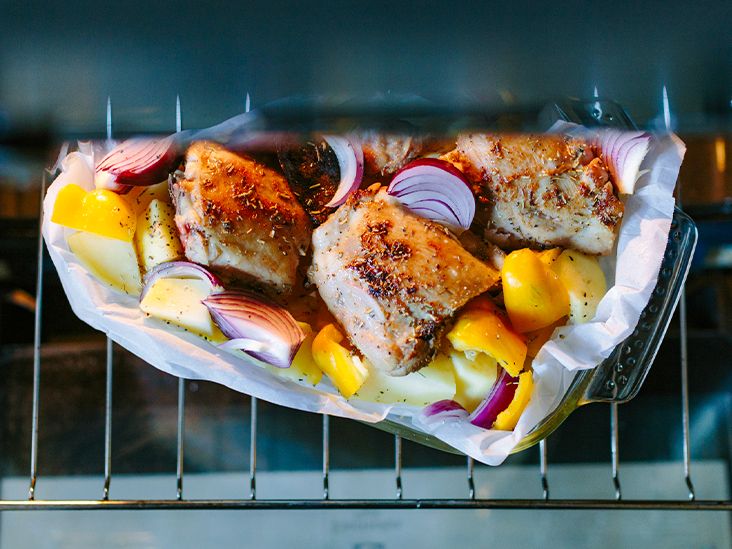
Meal prep has a funny reputation. Some people picture color-coded containers, heroic levels of self-discipline, and chicken so dry it could apply for desert status. Real meal prep is much less dramatic and a lot more useful. At its best, it simply means making healthy eating easier on your busiest days.
The secret is not cooking seven identical meals that make you question your life choices by Wednesday. The secret is stocking a smart mix of staple foods that can be turned into bowls, wraps, soups, breakfasts, snacks, and quick dinners without starting from scratch every time. When your fridge, freezer, and pantry are working together, weekday eating gets a whole lot easier.
If you want to meal prep like a pro, focus on foods that do at least one of these jobs well: store nicely, reheat beautifully, pair with almost anything, or pull their weight nutritionally. The 15 staples below are practical, flexible, budget-friendly, and ideal for building balanced meals without turning your kitchen into a part-time job.
Why staple foods make meal prep easier
Staple foods are the building blocks of healthy meal prep. Instead of planning every meal as a separate event, you prep a few core ingredients and mix them into different combinations. That means less waste, less stress, and fewer last-minute dinners that somehow involve crackers, peanut butter, and mild regret.
A strong meal prep system usually includes whole grains, protein foods, fruits or vegetables, and flavorful extras like healthy fats, sauces, herbs, and spices. With that formula, the same foods can become a breakfast bowl, a lunch salad, a stir-fry, or a soup depending on what you combine and how you season it.
The 15 staple foods every smart meal prep routine needs
1. Brown rice and other whole grains
Brown rice, quinoa, farro, barley, and whole-grain pasta are meal prep MVPs. Cook a batch once and use it all week in grain bowls, soups, stuffed peppers, stir-fries, or quick side dishes. Whole grains add texture, staying power, and the kind of “I have my life together” energy that a drive-thru rarely provides.
Try making two grains at once for variety. Brown rice works well for burrito bowls and stir-fries, while quinoa fits salads, egg scrambles, and lunch boxes.
2. Rolled oats
Oats are one of the cheapest and most useful foods in the kitchen. They work for hot oatmeal, overnight oats, smoothie boosters, homemade energy bites, and even savory breakfast bowls. They are easy to flavor with fruit, yogurt, cinnamon, nuts, or nut butter, so breakfast stays flexible instead of boring.
Prep three or four jars of overnight oats at once, and mornings suddenly become much less chaotic.
3. Eggs
Eggs are fast, affordable, and surprisingly versatile. Hard-boiled eggs make easy snacks, sliced salad toppers, or grab-and-go breakfasts. Scrambled eggs can be tucked into burritos or reheated with roasted vegetables. Egg muffins are also a classic for a reason: they are portable, protein-rich, and much more reliable than your “I’ll just wing breakfast” plan.
4. Greek yogurt
Plain Greek yogurt pulls off several jobs at once. It works as a breakfast base, a high-protein snack, a dip ingredient, a sauce starter, or a topping for bowls and baked potatoes. Pair it with berries and oats for breakfast, or stir it with lemon, garlic, and herbs for a quick sauce that makes meal prep taste fresher and less repetitive.
5. Chicken breast or shredded rotisserie chicken
Cooked chicken is a classic meal prep protein because it fits almost every type of meal. Slice it into salads, shred it into tacos, fold it into grain bowls, or add it to soups and wraps. If you do not want to cook from scratch, rotisserie chicken can save serious time. Just portion it early so it is ready when hunger hits and your motivation mysteriously disappears.
6. Canned tuna or salmon
Canned fish is shelf-stable, protein-packed, and ideal for fast lunches. Mix tuna or salmon with yogurt or mashed avocado for sandwiches, lettuce wraps, or grain bowls. It is also useful on the nights when the fridge looks uninspiring and the thought of cooking a raw protein feels wildly ambitious.
Keep a few cans on hand for emergency meals that still feel balanced and intentional.
7. Beans
Black beans, chickpeas, cannellini beans, and kidney beans are inexpensive, filling, and meal prep friendly. Beans work in chili, soups, grain bowls, tacos, pasta, salads, and dips. They also stretch a meal without making it feel skimpy, which is especially helpful if you are meal prepping on a budget.
Use one batch for multiple meals. Chickpeas can go into salads one day and become roasted crunchy snacks the next.
8. Lentils
Lentils deserve their own spotlight. They cook faster than many dried beans, store well, and fit warm or cold meals. Brown or green lentils are great in bowls and salads, while red lentils practically melt into soups and sauces. They are perfect for anyone who wants more plant-based meals without living on plain lettuce and optimism.
9. Tofu or edamame
If you want another easy protein option, tofu and edamame are excellent staples. Tofu can be baked, air-fried, or stir-fried and then added to grain bowls, noodle dishes, or wraps. Edamame works in salads, fried rice, snack boxes, and quick stir-fries. Both are great for variety, especially when you are trying not to eat chicken five days in a row.
10. Frozen vegetables
Frozen vegetables are one of the smartest foods you can buy for meal prep. They are convenient, budget-friendly, long-lasting, and easy to portion. Stir-fry blends, broccoli, peas, green beans, mixed vegetables, and cauliflower can all go straight from freezer to pan. That means fewer spoiled vegetables in the crisper drawer and fewer guilty thoughts every time you open it.
Choose plain varieties without heavy sauces so you can season them however you like.
11. Leafy greens or slaw mix
Fresh greens add crunch and color to prepared meals. Spinach, romaine, kale, or a bagged slaw mix can bulk up wraps, bowls, salads, and sandwiches. Slaw mix is especially underrated because it holds up longer than delicate greens and works in both cold lunches and quick sautés.
Keep washed greens ready to go so adding vegetables becomes the easiest part of the meal.
12. Sweet potatoes
Sweet potatoes are easy to roast in batches and surprisingly flexible. Use them in breakfast hash, burrito bowls, grain salads, or simple lunch boxes with chicken and greens. Their natural sweetness pairs well with spicy, smoky, or savory flavors, which makes them much more exciting than their humble appearance suggests.
13. Berries or other fruit
Fruit is one of the easiest ways to add freshness to meal prep. Berries, apples, grapes, oranges, and bananas are useful for breakfasts, snacks, parfaits, and lunch boxes. Frozen fruit is also excellent for smoothies and oatmeal. Keeping fruit ready to eat helps round out meals and makes snacks feel more complete instead of random.
14. Nuts and seeds
Almonds, walnuts, pistachios, chia seeds, flaxseed, pumpkin seeds, and sunflower seeds add crunch, healthy fats, and staying power. Sprinkle them over yogurt, oatmeal, salads, and grain bowls, or pack a small portion with fruit for a simple snack. They are small but mighty, which is also how I would like my future snack drawer to be described.
15. Canned tomatoes
Canned diced tomatoes, crushed tomatoes, and tomato paste are pantry gold. They turn basic staples into soup, chili, shakshuka, pasta sauce, taco filling, or lentil stew. When meal prep starts tasting too plain, tomatoes bring acidity, body, and instant “actual recipe” energy without much effort.
How to turn these staples into real meals
The beauty of meal prep staples is that they are meant to be mixed and matched. You do not need a new recipe every day. You need a few smart combinations that prevent boredom while keeping your grocery list realistic.
- Breakfast: Overnight oats with Greek yogurt, berries, and chia seeds.
- Quick lunch: Brown rice, shredded chicken, frozen broccoli, and a yogurt-based sauce.
- Plant-based bowl: Quinoa, lentils, roasted sweet potatoes, greens, and pumpkin seeds.
- Fast dinner: Whole-grain pasta with canned tomatoes, white beans, spinach, and olive oil.
- Snack box: Hard-boiled eggs, fruit, nuts, and yogurt.
- Desk lunch rescue: Tuna, chickpeas, slaw mix, and a simple lemon dressing.
One of the most effective strategies is prepping components instead of finished meals. Cook a grain, roast a tray of vegetables, prepare one or two proteins, wash produce, and portion snacks. That gives you enough structure to eat well, but enough flexibility to avoid the “again?” reaction that fully pre-made meals can trigger by midweek.
Meal prep tips that actually work
Prep for your real life, not your fantasy life
If you know you are not going to make five elaborate lunches and three homemade sauces, do not plan as if you are starring in a lifestyle commercial. Start with a few basics you will genuinely use. A realistic system beats an ambitious one that collapses by Tuesday.
Pick staples that overlap
Buy foods that can appear in more than one meal. Oats can be breakfast and snacks. Chicken can be lunch bowls and wraps. Beans can go into salads, soups, and tacos. Overlap saves money and prevents half-used ingredients from becoming fridge archaeology.
Use flavor to prevent boredom
The staples stay simple, but the flavor can change. A bowl with rice, chicken, and vegetables can go in a Mediterranean direction one day, taco-inspired the next, and soy-ginger after that. Keep a few sauces, herbs, citrus, or spice blends around so your meal prep does not start tasting like a very responsible punishment.
Food safety matters in meal prep
Good meal prep is not just about nutrition and convenience. It is also about handling food safely. Cool cooked foods promptly, use shallow containers when possible, and refrigerate perishable foods within two hours. Keep your refrigerator cold, avoid thawing foods on the counter, and label containers if you tend to forget when you made them. Future you will appreciate the detective work being done in advance.
As a practical rule, most cooked leftovers are best used within a few days rather than lingering in the fridge while everyone pretends they still have plans. Freeze extra portions when you know you will not get to them in time. That turns leftovers into a backup meal instead of a science experiment.
Conclusion
Meal prep like a pro does not require perfection, expensive ingredients, or a Sunday afternoon worthy of a documentary soundtrack. It requires a handful of dependable staple foods and a system simple enough to repeat. Start with whole grains, proteins, fruits and vegetables, and flavorful pantry basics. Then prep a few pieces ahead, mix them into different combinations, and let convenience do some of the heavy lifting.
Once you build your kitchen around these 15 staple foods, healthy meal prep becomes less about discipline and more about design. The right foods make the easy choice the obvious one. And that is usually when meal prep starts to stick.
The Real Experience of Meal Prepping With These 15 Staple Foods
Here is what the experience often looks like in real life. On day one, meal prep feels productive and satisfying. You roast sweet potatoes, cook rice, boil eggs, wash greens, and line up containers like a person who has clearly read at least one article about organization. The fridge looks impressive. You feel powerful. You may even text someone a picture of your containers as if you have just completed a marathon.
Then real life begins. Monday goes great because everything is ready and you are highly motivated. Tuesday still feels solid. By Wednesday, though, you learn an important lesson: people rarely get tired of staple foods themselves, but they absolutely get tired of eating them the exact same way. That is why the best meal prep experience usually comes from prepping ingredients, not locking yourself into seven identical meals. The chicken is still useful if it can become a salad, wrap, bowl, or soup. Rice is still exciting if it can show up with salsa one day and soy sauce the next.
Another common experience is discovering which foods truly save time and which only look good on paper. Frozen vegetables, canned beans, eggs, oats, yogurt, and canned fish almost always earn repeat status because they are easy, reliable, and forgiving. Some fresh produce, on the other hand, has a shorter attention span than a bored cat. That is why many experienced meal preppers keep a balance of fresh, frozen, and pantry foods. The fresh items bring flavor and texture, while the frozen and shelf-stable staples step in when the week gets busy or plans change.
People also tend to notice that meal prep becomes easier when they stop chasing novelty and start building rhythm. You do not need a brand-new menu every week. You need a short list of meals you genuinely enjoy and can rotate without effort. Maybe oats and berries handle breakfast, grain bowls cover lunch, and a quick lentil or chicken skillet solves dinner. Repetition is not the enemy when the food is flexible and flavorful.
One more very real experience: the moment you realize sauces are doing half the job. The same bowl of rice, beans, greens, and sweet potatoes can feel completely different with lemon-herb yogurt, salsa, tahini, or a tomato-based topping. People often assume they need more ingredients, when what they really need is a smarter finishing touch.
Over time, meal prep with staple foods starts to feel less like a project and more like insurance. It protects your time, your budget, and your energy on the days when cooking sounds impossible. It also reduces that annoying gap between wanting to eat well and having something ready to eat. That is the experience most successful meal preppers end up loving: not perfection, not aesthetic containers, but the quiet relief of opening the fridge and finding options that already make sense.