

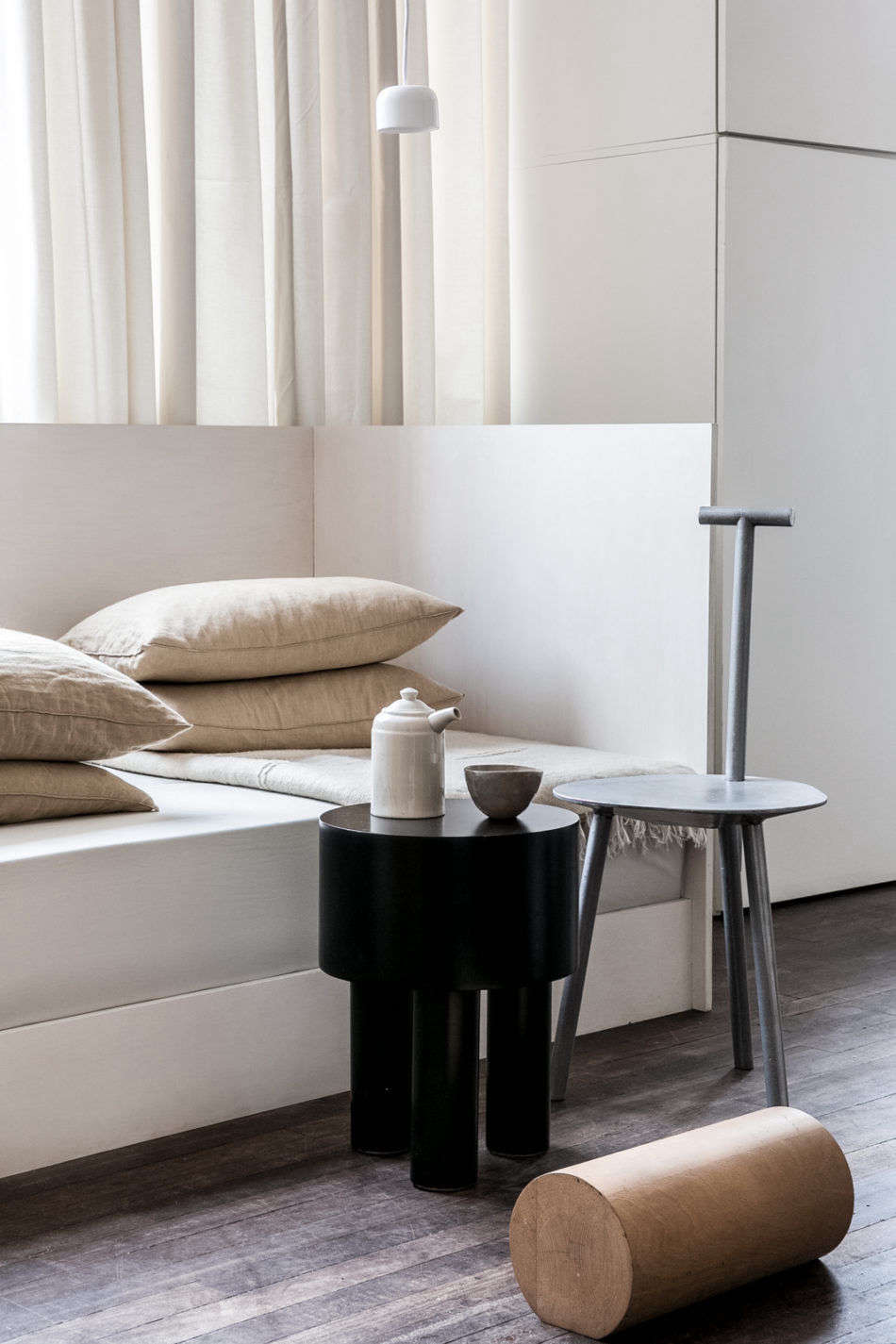
Design distraction sounds like a problem, but in the best homes, it is the whole point. It is that brass lamp you keep staring at when you are supposed to answer emails. It is the wallpaper in a powder room that makes guests forget why they went in there. It is the vintage chair with one tiny scratch, the kind that whispers, “I have lived a fuller life than your entire dining set.”
In a world where every room has been photographed, filtered, saved, pinned, and judged by strangers with suspiciously perfect coffee tables, design distraction is a rebellion. It says a home does not have to be a silent beige box. It can be layered, emotional, clever, slightly weird, and deeply personal. It can have color. It can have texture. It can have one object that makes absolutely no practical sense but brings you joy every time you pass it.
The current obsession in interior design is not simply maximalism, minimalism, traditional style, or modern décor. It is the return of attention. Rooms are being designed to hold the eye, reward curiosity, and create little moments of discovery. The best spaces today do not scream, “Look at me!” They wink from across the room and wait for you to notice.
What Is Design Distraction?
Design distraction is the art of creating visual moments that interrupt the ordinary in a good way. It is not clutter. It is not chaos. It is not placing seventeen decorative mushrooms on a console table and calling it “woodland luxury.” Design distraction is intentional. It uses color, contrast, scale, texture, lighting, pattern, and personal objects to make a room feel alive.
Think of it as the design equivalent of a good conversation. A bland room says, “Fine weather we’re having.” A distracting room says, “Would you like to hear about the time this marble side table was carried up four flights of stairs by two exhausted people and a very judgmental dog?”
Homes are moving away from overly polished sameness. The old formulamatching furniture set, gray sofa, white walls, one abstract canvas, and a sad fiddle-leaf fighas lost its sparkle. Today’s interiors lean warmer, more collected, and more expressive. People want rooms that reveal personality instead of rooms that look like they were assembled during a lunch break by an algorithm wearing linen pants.
The New Mood: Warm, Layered, and Slightly Unpredictable
The strongest current design direction is warmth. Not just warm colors, although those are having a very good time, but emotional warmth. Designers and homeowners are embracing spaces that feel lived in, not staged for a real estate listing where nobody is allowed to own a toothbrush.
Warmth shows up in brown wood, aged metal, soft textiles, vintage rugs, hand-thrown ceramics, textured wallpaper, and lighting that flatters both the room and the people in it. It is the difference between a kitchen that looks impressive and a kitchen where someone might actually make soup, spill a little wine, and laugh about it.
Why the Perfect Room Feels Tired
For years, the internet rewarded rooms that photographed well: clean lines, pale palettes, open space, and accessories arranged like obedient little soldiers. The problem is that many of those rooms felt better in a square image than in real life. They lacked softness, depth, and surprise.
Design distraction fixes that by giving the eye somewhere interesting to land. A patterned lampshade. A curved sofa in a jewel tone. A wall of books that has not been color-coded into submission. A tiny chair in a hallway that nobody sits in but everyone admires. These details create rhythm. They make a home feel human.
Obsession One: Texture That Begs to Be Touched
Texture is the quiet superstar of current interior design. Washed linen, velvet, wool, grasscloth, limewash, plaster, rattan, wicker, honed stone, and raw wood are all part of the movement toward sensory spaces. A room should not only look good; it should feel good when you live inside it.
Texture also adds depth without requiring a dramatic color commitment. For the color-shy, a room with ivory walls, a linen sofa, a jute rug, a stone lamp, and a nubby throw can feel rich without shouting. For the color-brave, texture keeps saturated rooms from feeling flat. A deep plum wall becomes more interesting with a woven shade, an aged brass sconce, and a slightly imperfect antique mirror.
How to Use Texture Without Creating a Fabric Zoo
The trick is contrast. Pair smooth with rough, shiny with matte, soft with structured. A velvet chair beside a rustic wood table has tension. A ceramic lamp on a lacquered cabinet feels intentional. A wool rug under a sleek metal coffee table keeps the room from becoming too cold or too fuzzy. Nobody wants a living room that feels like being trapped inside a sweater.
Obsession Two: Color With a Pulse
Color is back, and it did not come quietly. Rich greens, tobacco browns, aubergine, ochre, oxblood, deep blue, warm terracotta, and buttery yellow are replacing flat grays and sterile whites. Even neutrals have become moodier and more complex. Beige has been promoted from “landlord special” to “warm sand after vacation,” provided it is paired with real texture and contrast.
One of the most exciting design distractions is color drenching, where walls, trim, ceilings, and sometimes furniture share related tones. Done well, it creates an enveloping effect. A small room can become a jewel box. A hallway can stop feeling like a tunnel of chores. A bedroom can feel like a cocoon instead of a place where laundry comes to negotiate.
Small Doses, Big Drama
You do not need to paint your entire house eggplant to participate. Start with a powder room, pantry, reading nook, ceiling, or interior door. Small spaces can handle bold choices because you are not living inside them all day. They are design snacks: satisfying, memorable, and less risky than ordering a giant purple sofa at 1:00 a.m.
Obsession Three: Vintage Pieces With Actual Personality
Vintage and antique pieces are central to design distraction because they carry story. A new sideboard may be useful, but an old sideboard with slightly uneven drawers and beautiful hardware has presence. It suggests history. It also suggests you are the kind of person who “just found it,” which is one of the most satisfying phrases in decorating.
Repurposed antiques are especially powerful. A vintage tray can organize a bathroom counter. An old mirror can add depth to a dark corner. Stacked books can lift a lamp or vase. A weathered bench can soften an entryway. These objects do not need to match perfectly. In fact, they are better when they do not.
The End of Matchy-Matchy
Matching furniture sets are losing ground because they often flatten a room. When every piece has the same finish, shape, and origin story, the space can feel like a showroom display waiting for a discount tag. Mixing old and new, high and low, polished and rustic creates a more natural rhythm.
The goal is not randomness. It is balance. A vintage wood chest can live happily beside a modern lamp. A traditional chair can work with abstract art. A contemporary sofa can be softened with a faded rug. The room becomes more interesting because it feels assembled over time, not delivered in one terrifyingly large truck.
Obsession Four: Lighting as Jewelry
Lighting has become one of the most important tools for creating design distraction. The old overhead light in the center of the ceiling is no longer expected to do all the emotional labor. Rooms now rely on layers: sconces, pendants, table lamps, floor lamps, picture lights, portable lamps, and hidden glows that make everyone look like they drink enough water.
A sculptural pendant can define a dining area. A pleated lampshade can make a bedside table charming. A tiny rechargeable lamp can turn a shelf, bar cart, or outdoor table into a moment. Lighting should create atmosphere, not interrogate the room like a dentist’s office.
How to Make Lighting Feel Intentional
Use at least three light sources in main living spaces. Mix heights and purposes. Add task lighting where people read, cook, or work. Add ambient lighting where people gather. Add accent lighting where you want drama. And please, for the love of comfortable eyeballs, use warm bulbs in rooms meant for relaxing.
Obsession Five: Pattern That Knows When to Behave
Pattern is another major design distraction, but it needs discipline. Wallpaper, stripes, florals, checks, block prints, and patterned upholstery can make a room unforgettable. The difference between charming and chaotic is usually a controlled color palette.
A room can hold several patterns if they share a mood or color family. Stripes with florals can work. Plaid with toile can work. A tiny geometric print with a large botanical can work. What usually fails is five unrelated patterns competing like they all came to the party expecting to be the bride.
Where Pattern Works Best
Powder rooms, breakfast nooks, bedrooms, entryways, and kitchens are excellent places for pattern. Wallpaper can soften hard kitchen surfaces. Patterned curtains can make a plain room feel finished. A striped chair can wake up a sleepy corner. Even a patterned lampshade can add a wink without turning the whole room into a circus tent.
Obsession Six: The Return of Rooms With Purpose
Open-concept living is not disappearing, but people are craving zones. A home that works well needs places for focus, rest, gathering, storage, and escape. Design distraction helps define those areas visually. A rug can mark a seating zone. A bookcase can create a boundary. A painted ceiling can make a dining area feel special. A screen, curtain, or cabinet can suggest separation without building a wall.
This shift is practical. People work at home, exercise at home, relax at home, entertain at home, and occasionally hide from other people at home. The modern interior has to support real life. A beautiful room that cannot handle backpacks, coffee cups, charging cords, pet toys, or a person needing ten quiet minutes is not a home; it is a very expensive photograph.
Design Distraction Without Clutter
The biggest danger of design distraction is overdoing it. Not every surface needs a vignette. Not every wall needs art. Not every chair needs a pillow wearing a smaller pillow as a hat. The most effective rooms include pauses. Negative space gives the eye a place to rest and makes the special pieces feel more special.
To keep distraction intentional, edit in layers. Choose a focal point for each room. It might be a fireplace, a wallpapered wall, a colorful sofa, a sculptural light, or a large piece of art. Then support that focal point with quieter elements. Think of the main piece as the lead singer and everything else as the band. If everyone grabs the microphone, the room becomes karaoke at midnight.
Practical Ways to Try the Trend at Home
Start With One “Wait, What Is That?” Piece
Every room benefits from one conversation starter. It could be a strange little stool, a dramatic mirror, a handmade bowl, a vintage portrait, or a lamp shaped like it has secrets. Choose something you genuinely love, not something selected because the internet said “everyone needs one.”
Upgrade the Boring Zones
Design distraction works beautifully in overlooked areas. Add art to a laundry room. Paint the inside of a closet. Put a tiny lamp on a kitchen counter. Use a patterned runner in a hallway. Replace basic cabinet knobs with something more tactile. These small changes make everyday routines feel less like errands assigned by a committee.
Let Collections Breathe
If you collect ceramics, books, shells, baskets, or vintage candlesticks, display them with intention. Group similar items together. Vary height. Leave space around them. A collection should feel curated, not like the objects are forming a tiny rebellion.
Use Natural Materials as Anchors
Wood, stone, linen, wool, clay, leather, and metal help bold choices feel grounded. They also age better than many synthetic materials. A colorful room with natural materials feels confident. A colorful room full of shiny plastic can feel like a themed restaurant where the menu is laminated.
Why Design Distraction Matters
Design distraction matters because homes shape mood. A thoughtful room can calm you, energize you, comfort you, or remind you who you are. The goal is not to impress everyone who walks in. The goal is to create a space that keeps giving something back to the people who live there.
The best homes are not perfect. They are attentive. They contain evidence of taste, memory, humor, and daily life. They have a rhythm of quiet and surprise. They know when to be useful and when to be a little dramatic. They are not afraid of a patterned chair, a moody wall, or a lamp that steals the scene.
Experience Notes: Living With Design Distraction
The most memorable design moments often happen by accident. You move a chair from one room to another because guests are coming over, and suddenly it looks as if it was born to sit beside that window. You place a stack of books under a lamp because the lamp is too short, and now the whole corner has charm. You buy a weird little ceramic dish on vacation, toss your keys into it, and realize it has become the emotional headquarters of your entryway.
That is the pleasure of design distraction: it rewards noticing. In real homes, the most loved details are rarely the most expensive ones. They are the details attached to a story. A faded rug from a flea market can make a hallway feel warmer than a brand-new runner selected by committee. A thrifted painting can bring more life to a room than a large generic print chosen only because it “goes.” Even a chipped mug holding paintbrushes can become part of the atmosphere if it feels honest.
One experience many people share is the slow realization that safe design can become strangely stressful. A room that is too perfect can make you feel like you are visiting your own furniture. You hesitate to put down a glass. You fluff pillows that nobody used. You apologize to the coffee table for owning mail. But when a room has texture, pattern, books, baskets, lamps, and a few signs of actual living, it relaxes. It gives you permission to relax, too.
Design distraction also teaches patience. The most interesting rooms are usually not finished in a weekend. They grow through small decisions: the curtain fabric you finally choose, the sconce you install after months of indecision, the old mirror you rescue from a relative’s garage, the paint color that looked terrifying on the swatch but magnificent after sunset. A home becomes personal through these layered choices.
The trick is learning what kind of distraction delights you. Some people love bold color. Others prefer subtle texture. Some want rooms filled with art, books, and objects. Others want calm spaces with one sculptural piece doing all the flirting. There is no universal formula. The right design distraction is the detail that makes you pause, smile, and think, “Yes, this feels like me.”
And that may be the real obsession. Not trends. Not perfection. Not the pressure to make every corner internet-approved. The most satisfying design distraction is the moment your home interrupts your busy brain and brings you back into the room. It reminds you to look around. It reminds you that beauty can be useful, even when it has no job other than making Tuesday feel less beige.
Conclusion
Current design obsession is not about adding more stuff for the sake of more stuff. It is about creating rooms with personality, warmth, and moments worth noticing. Design distraction works when it is thoughtful: a tactile fabric, a bold color, a vintage piece, a sculptural light, a patterned wall, or a small corner designed with surprising care.
As interiors continue to move away from flat perfection, the most compelling homes will be the ones that feel collected, expressive, and alive. They will use distraction not as visual noise, but as emotional punctuation. A good room should function beautifully, but it should also occasionally make you forget what you came in for. That is not a flaw. That is design doing its job.
Note: This article is written as original, publication-ready HTML body content based on synthesized real-world design trends and current interior design discussions, without source links or copied text.