

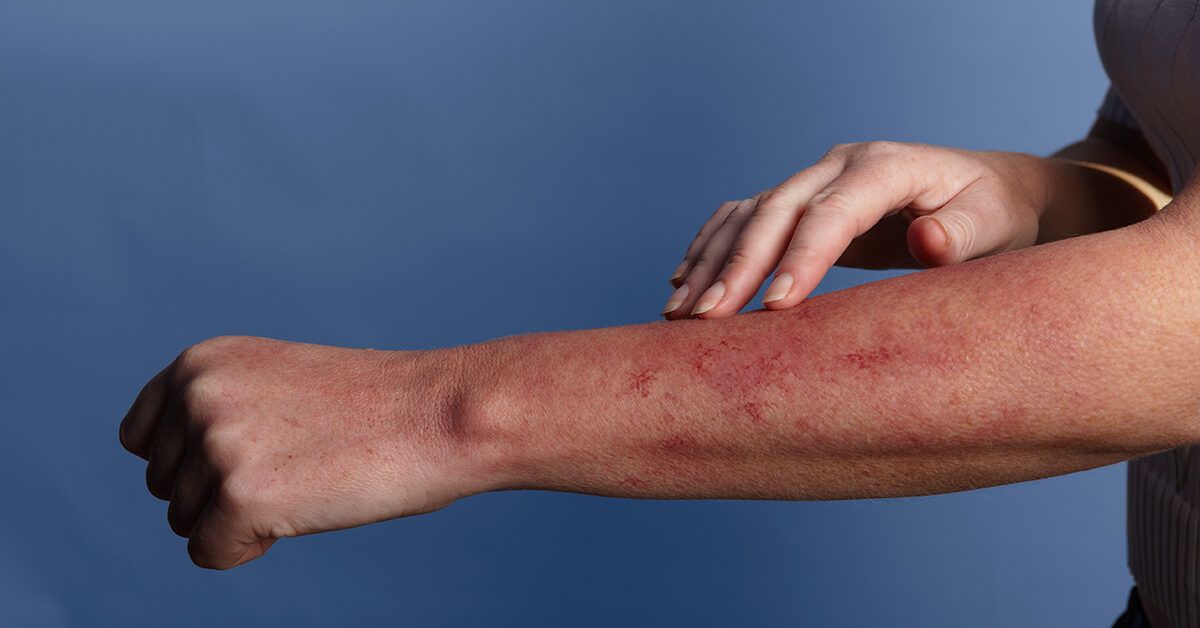
Stress has a talent for showing up uninvited. It can tighten your shoulders, scramble your sleep, and occasionally make your skin behave as though it has joined the protest. A sudden crop of itchy welts before a presentation, family conflict, deadline, or sleepless week is often called a stress rash.
The phrase is informal rather than a precise diagnosis. In many cases, it describes hives, medically known as urticaria. Stress may trigger hives in some people or make an existing outbreak worse. It can also aggravate eczema, psoriasis, rosacea, and general itching. That distinction matters because not every rash that appears during a stressful period is caused by stress, and treatments vary.
This guide explains what a stress rash can look like, why it happens, how to calm the symptoms, when to seek medical care, and how to reduce future flare-ups without turning your daily routine into a full-time dermatology internship.
What Is a Stress Rash?
A stress rash is commonly a sudden outbreak of hives: raised, swollen welts that may itch, sting, burn, or feel warm. Individual spots can be tiny, while others merge into broad patches. They may be pink, red, skin-colored, slightly lighter, or slightly darker than the surrounding skin, depending on skin tone.
Hives are famously restless. One welt may fade while another appears elsewhere, creating the impression that the rash is traveling. A single hive usually clears relatively quickly, even when new ones keep arriving. Pressing a red hive may temporarily make its center turn pale, a feature called blanching.
Where Can Stress Hives Appear?
They may develop almost anywhere, including the face, neck, chest, arms, back, abdomen, and legs. Stress-related sweating, heat, rubbing, or tight clothing may make certain areas especially vulnerable. Some people also develop deeper swelling, called angioedema, around the eyelids, lips, hands, feet, or genitals.
Acute Versus Chronic Hives
Acute hives last less than six weeks. Chronic urticaria continues or repeatedly returns for six weeks or longer. Chronic hives often have no single identifiable allergic trigger, although stress can worsen the frequency or intensity of flares. Persistent symptoms deserve professional evaluation rather than endless experimentation with soaps, supplements, and internet folklore.
Medical synthesis: American Academy of Dermatology, Cleveland Clinic, Mayo Clinic, MedlinePlus, AAFA, ACAAI, Yale Medicine, Johns Hopkins Medicine, Harvard Health, and Children’s Hospital of Philadelphia.
How Stress Can Affect the Skin
During stress, the nervous and immune systems exchange a flurry of chemical messages. The fight-or-flight response changes hormone activity, body temperature, sweating, blood flow, and inflammatory signaling. In susceptible people, skin mast cells may release histamine and other substances that allow fluid to leak from tiny blood vessels. The result is swelling, redness, and itch: the basic recipe for hives.
Stress is not always the sole cause. It may lower the threshold for a reaction that also involves heat, exercise, friction, illness, medication, alcohol, or an underlying tendency toward urticaria. Think of stress as one musician in a noisy band rather than the entire concert.
There is also an itch-stress loop. Stress makes itching feel more intrusive; scratching irritates the skin; visible marks increase worry; and the additional worry keeps the nervous system activated. Breaking that cycle is a central part of management.
Stress and histamine mechanisms synthesized from Cleveland Clinic, AAD, Harvard Health, and AAFA.
Common Causes and Triggers
A rash that appears during a demanding week may be related to stress, but timing alone cannot prove the cause. Hives and other itchy eruptions can have many triggers.
Emotional or Physical Stress
Arguments, grief, work pressure, exams, travel, sleep loss, illness, pain, and intense exercise can all strain the body. Some people notice hives within minutes of a stressful event; others flare later, after heat and fatigue have accumulated.
Heat, Sweat, and Exercise
A rise in body temperature can trigger small, itchy hives known as cholinergic urticaria. Emotional stress, workouts, hot showers, spicy food, and warm rooms may all provoke this pattern. Because stressful situations also increase sweating, the two triggers can overlap.
Allergic Reactions
Foods, medicines, insect stings, latex, pollen, pet dander, and other allergens can cause hives. An allergic reaction may happen even when stress is present, so it is risky to dismiss every outbreak as “just nerves.” A new medication, meal, supplement, or sting shortly before symptoms is important information for a clinician.
Infections and Immune Activity
Viral and bacterial infections can produce hives, particularly in children, and sometimes the rash appears when other symptoms are mild. Chronic spontaneous urticaria is often driven by immune activity rather than a conventional allergy.
Pressure, Friction, Cold, or Sunlight
Tight waistbands, backpack straps, scratching, cold air, cold water, sunlight, or vibration can trigger physical urticaria in susceptible people. Stress may amplify the reaction, but the physical exposure is still relevant.
Other Skin Conditions
Stress may worsen eczema, psoriasis, acne, rosacea, or contact dermatitis. These are not the same as hives. Eczema usually creates dry, inflamed, scaly patches; contact dermatitis tends to occur where skin touched an irritant or allergen; heat rash often causes small prickly bumps in sweaty areas. A clinician can help when the pattern is unclear.
Trigger information synthesized from AAD, Cleveland Clinic, ACAAI, AAFA, Mayo Clinic, MedlinePlus, and Harvard Health.
How to Recognize a Possible Stress Rash
A stress-related hive outbreak is more likely when the rash:
- Appears suddenly during or after emotional strain, overheating, sweating, or poor sleep.
- Forms raised, itchy welts with smooth surfaces.
- Changes shape, fades, and reappears in different places.
- Improves as the body cools and the stressful situation settles.
- Has occurred in a similar pattern during past stressful periods.
However, self-diagnosis has limits. Take clear photographs because the rash may disappear before an appointment. Record what you ate, medications or supplements taken, recent illnesses, products used, temperatures, activities, and emotional events. A simple timeline is often more useful than a heroic memory reconstruction in the exam room.
Stress Rash Treatment and Fast Relief
Treatment depends on whether the eruption is truly hives and whether symptoms are mild, recurrent, or accompanied by warning signs.
Use a Cool Compress
Apply a cool, damp cloth for about 10 to 20 minutes. Cooling can reduce itch and discomfort. Avoid placing ice directly on the skin, especially if cold has triggered hives before.
Choose Lukewarm Water
Hot showers can intensify itching and increase histamine-related symptoms in some people. Use lukewarm water, keep bathing brief, and pat rather than scrub the skin dry. A fragrance-free moisturizer can support the skin barrier when dryness is part of the problem.
Wear Loose, Breathable Clothing
Soft cotton or other nonirritating fabrics reduce heat, pressure, and friction. Loosen belts, straps, collars, and athletic wear. Your skin does not need compression training while it is already annoyed.
Ask About an Antihistamine
For uncomplicated hives, clinicians commonly recommend a second-generation, less-sedating oral antihistamine. Product choice and dosing should follow the label and advice from a pharmacist or healthcare professional, especially for children, pregnancy, older adults, people with kidney or liver disease, or anyone taking other medicines. Older antihistamines can cause significant drowsiness and may impair driving.
Do Not Assume Every Cream Will Help
Topical corticosteroid creams often help eczema or contact dermatitis, but they generally do not address deeper histamine-driven swelling as effectively as oral antihistamines do for hives. Using the wrong product can delay the correct diagnosis. Avoid fragranced lotions, essential oils, and “tingling” remedies during a flare; tingling is not a certificate of effectiveness.
Reduce Scratching
Keep nails short, use gentle pressure instead of scratching, and consider covering especially itchy areas with loose clothing. Scratching can worsen swelling, break the skin, and raise the risk of infection.
Home care and treatment synthesized from AAD, Mayo Clinic, MedlinePlus, Johns Hopkins Medicine, and Cleveland Clinic.
When a Stress Rash Is an Emergency
Call 911 or seek emergency care immediately when hives occur with trouble breathing, wheezing, throat tightness, difficulty swallowing, faintness, confusion, repeated vomiting, or swelling of the tongue, mouth, or throat. These may be signs of anaphylaxis or dangerous angioedema. Use prescribed epinephrine immediately when an allergy action plan directs you to do so; antihistamines are not a substitute for epinephrine during anaphylaxis.
Prompt medical care is also appropriate when the rash is painful rather than itchy, blisters or peels, involves the eyes or mouth, follows a new medication, comes with fever, leaves bruising, stays fixed in the same spot for more than a day, or shows signs of infection such as warmth, pus, or spreading tenderness.
Emergency guidance synthesized from Mayo Clinic, MedlinePlus, AAFA, Johns Hopkins Medicine, and Yale Medicine.
When to Schedule a Medical Appointment
See a primary care clinician, dermatologist, or allergist when hives recur frequently, disrupt sleep or work, cover large areas, or continue beyond six weeks. Evaluation may include a detailed history, physical examination, review of medications and supplements, and selective testing. Broad allergy panels are not automatically useful for chronic spontaneous hives because many cases are not caused by a specific external allergen.
A clinician may adjust antihistamine treatment or consider prescription therapies for persistent disease. These can include stronger antihistamine strategies or targeted medicines such as omalizumab for appropriate chronic spontaneous urticaria. Prescription changes should be supervised rather than improvised.
Chronic urticaria information synthesized from Mayo Clinic, AAD, AAFA, ACAAI, and Cleveland Clinic.
Long-Term Management Tips
Track Patterns Without Becoming a Detective in a Trench Coat
For two to four weeks, note the date, time, location, duration, foods, medicines, exercise, heat exposure, clothing pressure, sleep, illness, menstrual cycle if relevant, and stress level. Photos and concise notes can reveal combinations of triggers that memory misses.
Build a Realistic Stress-Management Routine
Stress reduction does not mean achieving permanent serenity while emails arrive. It means helping the nervous system recover regularly. Useful options include slow breathing, progressive muscle relaxation, mindfulness, stretching, walking, counseling, journaling, and protected breaks. A five-minute practice performed daily usually beats a complicated routine attempted once during a crisis.
Protect Sleep
Sleep loss increases perceived stress and makes itch harder to tolerate. Keep wake time consistent, cool the bedroom, reduce late caffeine, and move screens away from the pillow when possible. Seek medical advice for persistent insomnia rather than accepting 2 a.m. doom-scrolling as a personality trait.
Control Heat and Friction
Exercise in cooler conditions, use a fan, choose loose clothing, take breaks, and shower with lukewarm water. If exercise reliably causes hives, discuss safe prevention and warning signs with a clinician before continuing intense workouts.
Review Medicines and Alcohol
Some medicines, including aspirin and other nonsteroidal anti-inflammatory drugs, can worsen hives in certain people. Alcohol may increase flushing or itching. Do not stop prescribed medicine without medical advice, but report suspected patterns clearly.
Create a Flare Plan
Keep approved medication available, know which symptoms require emergency care, save photographs, and write down your clinician’s instructions. A plan reduces panic, which is useful because panic and itching make an impressively unhelpful team.
Management guidance synthesized from AAD and Cleveland Clinic chronic-hives resources.
Experiences and Practical Lessons From Stress-Rash Flare-Ups
The following are illustrative composite experiences based on common patterns, not individual medical case reports. They show why observation, careful treatment, and appropriate evaluation matter.
Experience 1: The Presentation-Day Outbreak
A project manager noticed itchy welts across her neck and upper chest about 20 minutes before major presentations. The first few times, she blamed a necklace, then laundry detergent, then office air conditioning. Photographs showed smooth, raised patches that faded within hours. Her notes revealed a repeatable combination: little sleep, strong coffee, a hot commute, and intense anticipatory stress.
Her clinician agreed that the pattern was compatible with hives and helped her choose a safe management plan. She began preparing slides earlier, reduced excess caffeine on presentation mornings, wore a breathable layer, cooled down before entering the conference room, and practiced slow exhalations for several minutes. The goal was not to eliminate ambition or nerves. It was to prevent four small stressors from stacking into one itchy finale.
Experience 2: The “Stress Rash” That Was Actually Contact Dermatitis
A college student developed an itchy rash during final exams and assumed stress was responsible. Unlike hives, the spots stayed in the same places for several days and became dry and scaly. The rash was concentrated around the wrists and neck. A closer review found a new fragranced body spray and a watchband worn continuously during long study sessions.
Stopping the products and receiving appropriate care improved the rash. Stress may have increased scratching, but it was not the main cause. The lesson: a stressful week can coincide with a genuine exposure. Location, duration, texture, and new products often provide clues.
Experience 3: Recurrent Hives With No Obvious Allergy
An adult experienced near-daily hives for two months. He repeatedly removed foods from his diet, eventually eating a joyless rotation of plain meals without improvement. An allergist explained that chronic spontaneous urticaria often lacks a conventional food trigger. A structured medication plan and symptom tracking controlled the welts far better than increasingly restrictive eating.
Stress management still mattered because poor sleep and tense workweeks made flares feel worse. However, treating stress as the only cause would have oversimplified the condition. The most useful approach addressed both the immune-driven hives and the emotional burden of living with an unpredictable rash.
Experience 4: Knowing When Not to Wait
A diner developed widespread hives shortly after eating, followed by lip swelling, throat tightness, and dizziness. This was not a moment for a cool washcloth, meditation app, or “wait and see.” Emergency treatment was necessary because skin symptoms combined with airway and circulation symptoms can signal anaphylaxis.
The practical lesson is straightforward: mild isolated hives and a severe allergic reaction are not the same situation. Everyone with known serious allergies should follow a personalized emergency plan, carry prescribed epinephrine, and make sure family members, friends, or coworkers know how to help.
What These Experiences Have in Common
Successful management usually begins with three questions: What does the rash actually look and feel like? How long does each spot remain? What happened in the hours or days before it appeared? From there, the best strategy may involve cooling, antihistamines, avoiding an exposure, treating another skin condition, improving recovery from stress, or seeking urgent care.
Stress rashes can be frustrating because they appear at precisely the moment you would prefer your skin to remain professionally invisible. Still, most uncomplicated hives can be managed, and recurrent cases have effective treatment options. The key is to respect the symptom without automatically blaming either your imagination or your entire grocery list.
Conclusion
A stress rash most often means hives triggered or worsened by emotional strain, heat, sweating, friction, or a combination of factors. Raised welts that move around and fade quickly fit the classic pattern, while dry, fixed, scaly, blistering, or painful rashes may have another cause.
Cool compresses, lukewarm bathing, loose clothing, reduced scratching, and professionally guided antihistamine use can help mild hives. Recurrent or long-lasting symptoms need medical evaluation, and breathing difficulty or swelling of the tongue or throat requires emergency care.
Managing stress is valuable, but it should complementnot replacean accurate diagnosis. Your skin may be dramatic, but it is also informative. Notice the pattern, document the details, and get help when the story does not add up.