

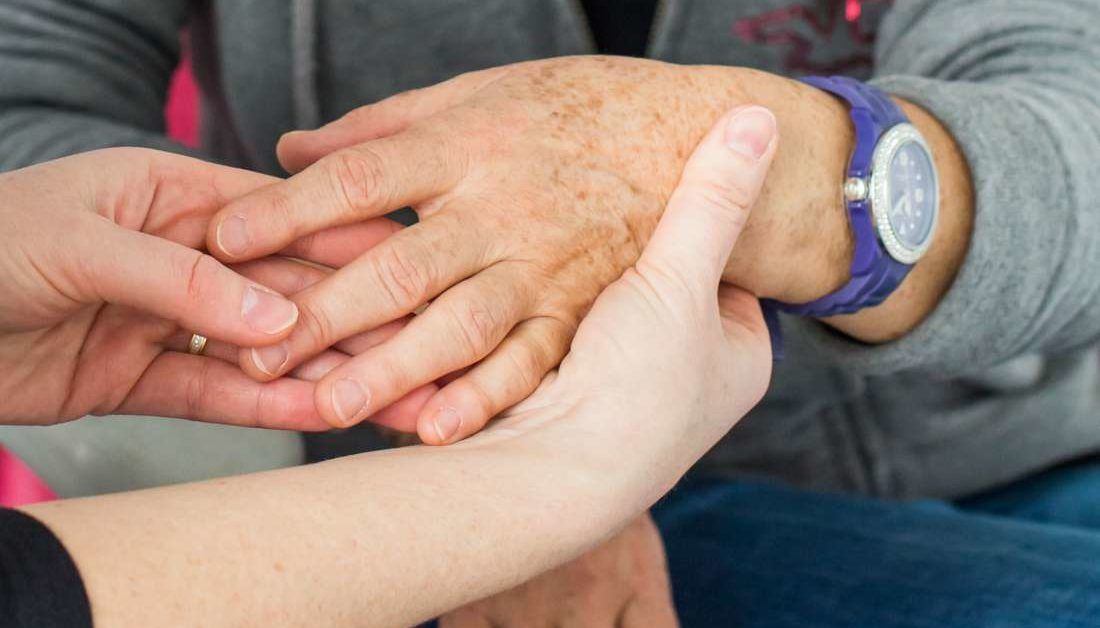
Rheumatoid arthritis can begin quietly. A finger joint feels unusually stiff, opening a jar becomes an Olympic event, or morning fatigue makes getting out of bed feel like negotiating with gravity. These changes are easy to blame on overwork, aging, exercise, parenting, menopause, or a mattress that has clearly betrayed you. However, when pain, swelling, and prolonged stiffness keep returning, rheumatoid arthritis may be responsible.
Rheumatoid arthritis, commonly called RA, is a chronic autoimmune disease. Instead of focusing only on germs and other genuine threats, the immune system mistakenly attacks healthy tissue, especially the synovium lining the joints. Persistent inflammation can eventually damage cartilage, bone, tendons, and ligaments. RA may also affect the eyes, lungs, heart, blood vessels, skin, and nerves.
RA affects people of every sex, but females develop it more often than males. Researchers believe genetics, immune-system differences, reproductive factors, and hormones may all contribute. Symptoms are not completely different in females, but hormonal transitions, pregnancy, postpartum recovery, menopause, caregiving demands, and differences in pain or fatigue can influence how the disease is experienced and recognized.
What Are the First Symptoms of Rheumatoid Arthritis in Females?
Early rheumatoid arthritis does not always arrive with dramatic swelling. It may develop gradually over several weeks or months. Some females first notice vague fatigue or minor hand discomfort before obvious joint inflammation appears.
Morning stiffness that lasts longer than expected
One of the strongest early clues is stiffness after waking. Affected hands, wrists, feet, or knees may feel difficult to bend, as though someone tightened every hinge overnight. In inflammatory arthritis, morning stiffness commonly lasts at least 30 minutes and may continue for an hour or longer. It can also return after prolonged sitting, driving, or resting.
Brief stiffness that loosens within a few minutes can occur with several conditions, including osteoarthritis. Duration alone cannot diagnose RA, but prolonged stiffness deserves attention, particularly when it accompanies swelling or tenderness.
Pain and swelling in small joints
RA frequently begins in the small joints of the hands and feet. Common locations include the knuckles where the fingers meet the hand, the middle finger joints, the wrists, and the joints at the base of the toes.
The swelling may feel soft, puffy, or spongy rather than hard and bony. Rings may become tight. Shoes that fit last month may suddenly feel hostile. Typing, texting, fastening a bra, turning a key, or gripping a coffee mug may hurt more than expected.
Symptoms on both sides of the body
Rheumatoid arthritis often affects joints in a symmetrical pattern. For example, both wrists, both hands, or both feet may become painful or swollen. Early disease is not always perfectly symmetrical, however, so symptoms beginning on only one side do not automatically rule it out.
Joint warmth and tenderness
Inflamed joints may feel warmer than the surrounding skin and tender when pressed. The skin does not always look bright red. In fact, early RA can cause significant tenderness without obvious external changes.
Unusual fatigue
RA fatigue is more than feeling sleepy after a late night. It can resemble the heavy, drained sensation that accompanies the flu. Inflammation, pain, anemia, disrupted sleep, emotional stress, and reduced activity may all contribute.
A woman may wake after eight hours of sleep and still feel as though her battery charged to 12 percent. Fatigue may appear before clear joint symptoms and can interfere with work, exercise, household tasks, concentration, and social plans.
Common Joint Symptoms of RA
As rheumatoid arthritis develops, inflammation can involve additional joints. Symptoms may fluctuate, improve for a period, and then worsen during a flare.
- Pain in more than one joint
- Visible or palpable swelling
- Stiffness after sleep or inactivity
- Warmth and tenderness around a joint
- Reduced grip strength
- Difficulty making a fist
- Limited range of motion
- Pain in the balls of the feet while walking
- Difficulty bending the knees, elbows, or shoulders
- A sensation of pressure, fullness, or tightness around inflamed joints
Hand and wrist symptoms
Hand symptoms often interfere with daily life early because humans insist on using their hands for nearly everything. A person may struggle to open packaging, hold a hair dryer, chop vegetables, write, use scissors, or fasten buttons.
Wrist inflammation can also compress the median nerve, contributing to carpal tunnel symptoms such as numbness, tingling, burning, or weakness in the thumb and nearby fingers. Carpal tunnel syndrome has many possible causes, so nerve symptoms should be evaluated rather than automatically blamed on RA.
Foot and ankle symptoms
Inflammation in the feet may make the first steps of the morning painful. The forefoot can feel as though there are pebbles inside the shoe. Toe joints may swell, and walking, standing, or wearing narrow footwear can become uncomfortable.
Knee, shoulder, and elbow symptoms
Larger joints may become affected as well. Knee swelling can make stairs difficult. Shoulder inflammation may interfere with dressing, washing hair, or reaching overhead. Elbow symptoms can limit extension and sometimes occur near rheumatoid nodules.
Whole-Body Symptoms Females May Experience
RA is a systemic disease, meaning inflammation is not always confined to joints. General symptoms may be subtle, especially early in the illness.
Low-grade fever and a flu-like feeling
Some people experience a mild fever, weakness, or a general feeling of being unwell during active inflammation. A high fever is not a typical symptom to casually attribute to RA. It may indicate an infection, particularly in someone taking immune-suppressing medication, and requires prompt medical advice.
Reduced appetite or unintended weight loss
Inflammation can reduce appetite, and persistent illness may contribute to unintended weight loss. Sudden or unexplained weight changes should always be discussed with a healthcare professional because many conditions can cause them.
Sleep problems and brain fog
Joint pain can interrupt sleep, while poor sleep can amplify pain and fatigue the next day. Some females describe slowed thinking, forgetfulness, or difficulty concentrating during a flare. This “brain fog” is not specific to rheumatoid arthritis, but it can be part of the broader burden of inflammation, stress, and inadequate rest.
Dry eyes and dry mouth
Some people with RA develop secondary Sjögren disease, another autoimmune condition. Symptoms can include gritty, burning, or persistently dry eyes and a dry mouth that makes speaking, swallowing, or eating dry foods uncomfortable.
Rheumatoid nodules
Firm lumps called rheumatoid nodules may develop under the skin, often near pressure points such as the elbows or fingers. They are more common in established or antibody-positive disease and are not present in everyone.
Chest discomfort or shortness of breath
RA can occasionally affect lung tissue, the lining around the lungs, or the sac around the heart. Persistent coughing, chest pain, or progressive shortness of breath requires medical assessment. Sudden chest pain, severe breathing difficulty, fainting, or bluish lips warrants emergency care.
How Hormonal Stages May Affect RA Symptoms
Menstrual-cycle changes
Some females report that joint pain, fatigue, or stiffness changes around menstruation. Hormone levels, sleep, fluid retention, stress, and pain sensitivity may all influence how symptoms feel. Research has not established a universal monthly RA pattern, so menstrual timing should be treated as a personal observation rather than a diagnostic test.
A symptom diary can help identify trends. Record joint swelling, morning stiffness, fatigue, menstrual dates, sleep, illness, activity, and medication use. Patterns become much easier to discuss when the evidence is written down instead of relying on what the brain remembers during a rushed appointment.
Pregnancy
RA symptoms improve during pregnancy for many patients, although improvement is not guaranteed. Others continue to have active disease and require carefully selected treatment. Pregnancy planning should involve both a rheumatology professional and an obstetric clinician because some RA medications are compatible with pregnancy while others must be stopped well in advance.
Postpartum flares
Symptoms commonly become more active after delivery. A postpartum flare may involve swollen hands, prolonged morning stiffness, worsening fatigue, or difficulty lifting and caring for an infant. New parents often assume that every ache is caused by feeding positions, carrying equipment, or sleep deprivation. Those factors certainly do not help, but persistent symmetrical swelling or stiffness should not be dismissed.
Anyone with RA who is pregnant, planning pregnancy, breastfeeding, or recovering after delivery should discuss medication safety with their clinicians. Stopping treatment without guidance can allow inflammation to return.
Perimenopause and menopause
During perimenopause, fluctuating hormones can cause sleep disruption, fatigue, muscle aches, and joint discomfort that overlap with RA symptoms. Menopause may also coincide with changes in body composition, bone density, and cardiovascular risk.
Research suggests that the menopausal transition may influence function or disease experience in some females with RA, but menopause does not explain every swollen joint. Persistent inflammation, particularly in the hands, wrists, or feet, deserves a separate evaluation.
What Does an RA Flare Feel Like?
A flare is a period when disease symptoms become more active. It may develop gradually or seem to arrive overnight with the subtlety of a marching band.
Possible flare symptoms include:
- Increased joint swelling and warmth
- Longer morning stiffness
- More intense pain
- Sudden exhaustion
- Reduced grip strength or mobility
- Difficulty sleeping
- Low mood or poor concentration
- A mild fever or reduced appetite
Potential triggers include infections, emotional stress, missed medication, poor sleep, overexertion, and hormonal transitions. Sometimes no clear trigger can be identified. A flare lasting more than a few days, repeatedly interfering with normal activities, or causing visible swelling should be reported to the treating clinician.
RA Symptoms Versus Other Common Conditions
Rheumatoid arthritis versus osteoarthritis
Osteoarthritis is primarily associated with changes in cartilage and other joint structures, although inflammation can occur. Its pain often worsens with joint use, and morning stiffness is frequently shorter. Hard, bony enlargement near the finger joints is common.
RA is more likely to cause soft swelling, warmth, prolonged morning stiffness, fatigue, and similar symptoms in multiple joints. These patterns overlap, and a person can have both conditions.
Rheumatoid arthritis versus fibromyalgia
Fibromyalgia can cause widespread pain, fatigue, sleep disturbance, and cognitive symptoms. It does not typically produce the persistent inflammatory joint swelling characteristic of active RA. Some people have both RA and fibromyalgia, which can make pain assessment more complicated.
Rheumatoid arthritis versus lupus
Lupus can also cause joint pain, fatigue, fever, and other systemic symptoms. Rashes, sun sensitivity, mouth sores, kidney problems, or particular blood-test patterns may point toward lupus, but only a clinician can make the distinction.
Rheumatoid arthritis versus menopause-related aches
Menopause can contribute to generalized aches, poor sleep, and fatigue. It does not usually explain persistent, visibly swollen, warm joints or prolonged symmetrical stiffness. Because symptoms may overlap, clinicians evaluate the entire pattern rather than relying on age or hormonal status alone.
When Should You See a Healthcare Professional?
Arrange an evaluation when joint pain, swelling, or stiffness lasts several weeks, repeatedly returns, or limits normal activities. Seek care sooner if several joints are involved, symptoms occur on both sides, or morning stiffness regularly lasts longer than 30 minutes.
Early assessment matters because rheumatoid arthritis can begin damaging joints during the first years of disease. Prompt treatment can control inflammation, protect joint function, and reduce the risk of complications.
Contact a clinician promptly for:
- Persistent swelling in the hands, wrists, feet, or knees
- A new inability to make a fist or bear weight
- Rapidly worsening pain or weakness
- Eye pain, intense redness, or vision changes
- Unexplained numbness or loss of hand function
- A fever while taking immune-suppressing medicine
- Persistent cough, chest discomfort, or shortness of breath
Call emergency services for severe trouble breathing, sudden chest pressure, fainting, stroke-like symptoms, or another rapidly developing medical emergency.
How Rheumatoid Arthritis Is Diagnosed
No single symptom or blood test proves that a person has RA. Diagnosis usually combines medical history, a physical examination, laboratory tests, and imaging.
A clinician may check for swollen and tender joints, symptom duration, morning stiffness, range of motion, and symmetrical involvement. Blood tests may include rheumatoid factor, anti-CCP antibodies, C-reactive protein, erythrocyte sedimentation rate, and a complete blood count.
Normal blood tests do not completely exclude rheumatoid arthritis. Some people have seronegative RA, meaning commonly tested antibodies are absent. Conversely, a positive rheumatoid factor does not automatically mean someone has the disease. Ultrasound or MRI may reveal inflammation before changes become obvious on an X-ray.
Experiences of Living With RA Symptoms as a Female
The following examples are fictional composites based on commonly reported experiences. They illustrate how symptoms may affect daily life but are not substitutes for medical evaluation.
The morning-routine experience
Imagine a 34-year-old graphic designer who wakes with both hands stiff and puffy. At first, she assumes she has been typing too much. She shakes her hands, takes a hot shower, and waits for them to loosen. The stiffness improves after about an hour, but it returns whenever she sits through a long meeting.
Over several weeks, fastening jewelry becomes difficult. Opening the lid of her travel mug requires both hands and a brief motivational speech. She notices that the knuckles on both hands feel tender and that her wrists look slightly swollen. By midafternoon, fatigue becomes more disruptive than the pain. This combination of prolonged morning stiffness, symmetrical small-joint symptoms, swelling, and fatigue is a reason to request an evaluation.
The postpartum experience
Consider a 30-year-old who had relatively calm RA symptoms during pregnancy. Six weeks after delivery, her hands and feet become increasingly stiff. Nighttime feeding and broken sleep clearly contribute to her exhaustion, but they do not fully explain the warm, swollen finger joints or the pain under both forefeet.
She feels frustrated because ordinary advice to “rest more” sounds almost comedic with a newborn in the house. She also worries that restarting medication will prevent breastfeeding. A coordinated conversation with her rheumatologist and obstetric or pediatric care team helps her review treatment choices instead of enduring uncontrolled inflammation or stopping breastfeeding based on assumptions.
The perimenopause experience
A 49-year-old teacher begins experiencing poor sleep, hot flashes, fatigue, and aching joints. She initially attributes everything to perimenopause. That explanation appears reasonable until both wrists begin swelling and morning stiffness lasts through her commute.
She keeps a symptom log and discovers that the swelling persists throughout the month rather than appearing only around hormonal changes. During an examination, her clinician identifies inflammation in several finger joints and orders appropriate tests. The experience demonstrates why hormonal changes and autoimmune disease should not be treated as mutually exclusive possibilities.
The invisible-fatigue experience
Another woman may have little visible swelling but disabling fatigue, mild hand tenderness, and a persistent sense that something is wrong. Friends see her attending work and assume she feels fine. They do not see the recovery time after grocery shopping, the canceled evening plans, or the calculations required before every staircase.
This invisible side of RA can be emotionally difficult. People may feel guilty for resting or worry that clinicians will dismiss symptoms without dramatic swelling. Keeping records of stiffness duration, affected joints, photographs of intermittent swelling, fever readings, and activity limitations can help communicate what happens between appointments.
The flare-management experience
Someone with established RA may recognize a flare when rings become tight, her grip weakens, and fatigue appears before joint pain peaks. She learns that pushing through every symptom often creates a larger crash. Instead, she contacts her care team when the flare persists, adjusts activities, uses prescribed treatments correctly, and asks for help with tasks that strain inflamed joints.
Living with RA does not mean avoiding movement forever. Appropriate exercise, physical therapy, occupational strategies, medication, rest, and pacing can work together. The goal is not to become perfectly productive while pretending nothing hurts. The goal is to control inflammation and preserve a meaningful, active life.
Conclusion
The most recognizable symptoms of rheumatoid arthritis in females include prolonged morning stiffness, pain and soft swelling in multiple joints, symmetrical hand or foot symptoms, warmth, tenderness, fatigue, and reduced function. Some females also experience appetite changes, low-grade fever, sleep problems, dry eyes, dry mouth, nodules, or symptoms involving other organs.
Pregnancy, the postpartum period, menstruation, perimenopause, and menopause may influence how symptoms are experienced, but hormonal changes should not be used to dismiss persistent joint inflammation. RA is treatable, and early care offers the best opportunity to control symptoms and prevent irreversible damage.