

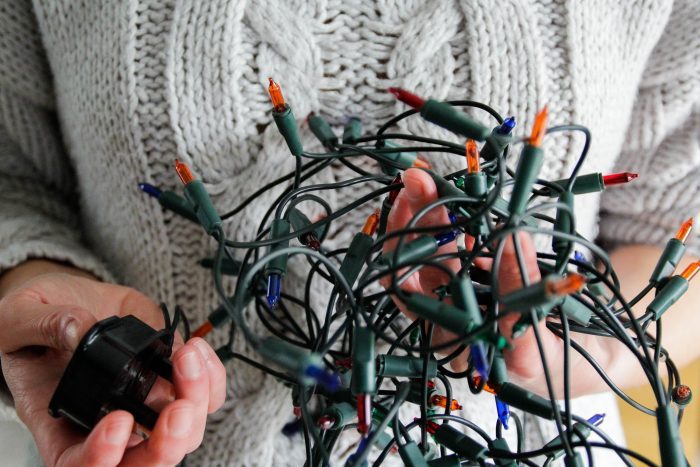
Christmas lights can turn an ordinary living room into a cozy winter postcard and transform a quiet front yard into something visible from the International Space Station. Unfortunately, damaged wiring, overloaded outlets, dry trees, and wobbly ladders can also turn cheerful decorating into a holiday emergency.
The risk deserves attention. The U.S. Fire Administration reports that electrical problems cause almost one-third of home Christmas tree fires. Holiday lighting can also create shock, fall, and trip hazards when products are damaged or installed incorrectly. The good news is that most of these risks can be reduced through a few practical precautions.
These Christmas light safety tips cover indoor trees, outdoor displays, extension cords, electrical outlets, ladders, timers, and post-holiday storage. You do not need an electrical engineering degree or a suspiciously thick instruction manualjust the right products, a careful setup, and enough patience to avoid decorating as though it were a timed game show.
Why Christmas Light Safety Matters
A holiday light display is temporary, but it still uses your home’s electrical system. Every strand adds an electrical load, every plug creates a connection point, and every outdoor cord must contend with moisture, wind, snow, or temperature changes.
Problems often begin with something that looks harmless: a tiny nick in a cord, a loose socket, an extension cord trapped beneath a window, or five light strings connected because the sixth one was only “a little extra sparkle.” Damaged insulation can expose conductors, overloaded connections can overheat, and lights installed on a dry tree can place an ignition source beside highly combustible material.
Safety should begin before the first strand is unrolled. Treat holiday lights as electrical equipment rather than disposable decorations, and your display can remain memorable for the right reasons.
13 Essential Christmas Light Safety Tips
-
1. Buy Lights With a Recognized Safety Certification
Choose Christmas lights evaluated by a recognized independent testing laboratory. Common marks in the United States include UL and ETL. A certification mark indicates that representative products have been evaluated for hazards such as electric shock and fire under applicable safety requirements.
Check the mark on the product, plug, tag, or packagingnot merely in a marketplace listing. Be cautious with unusually cheap lights that have vague instructions, questionable labels, or no identifiable manufacturer. A bargain is less impressive if it arrives with wiring that appears to have been assembled during a power outage.
Certification does not make a product indestructible. You must still follow its instructions, use it in the correct location, and inspect it every season.
-
2. Inspect Every Light Strand Before Installation
Spread each strand on the floor or a work surface before hanging it. Examine the entire cord for cuts, cracks, exposed conductors, flattened sections, discoloration, loose connections, missing bulbs, damaged sockets, and bent plug blades. Inspect extension cords, adapters, controllers, and timers at the same time.
Discard a strand if its wire is frayed, pinched, brittle, or repaired with a decorative wrap of household tape. Tape may hide damage without restoring the cord’s original insulation, strength, or weather resistance.
Unplug lights before replacing bulbs or fuses. Use only replacements of the type and rating specified by the manufacturer. A bulb that physically fits is not automatically electrically suitable.
-
3. Match Indoor and Outdoor Lights to the Location
Indoor-only Christmas lights should remain indoors. Outdoor-rated lights are constructed and tested to withstand environmental conditions that indoor products may not tolerate. Read the label rather than judging by wire thickness, color, or confidence.
Equipment used outsideincluding light strings, extension cords, timers, power supplies, and animated decorationsshould be specifically marked for outdoor use. Outdoor-rated products may generally be used indoors if their instructions permit it, but the reverse is not true.
Also check whether a product is intended for covered outdoor areas or direct exposure. A porch roof provides some protection, but wind-driven rain has a remarkable talent for finding electrical connections.
-
4. Consider Switching to LED Christmas Lights
LED Christmas lights generally use far less electricity and operate cooler than traditional incandescent strings. ENERGY STAR states that certified decorative LED light strings can use approximately 92% less energy than conventional incandescent strands. Lower power consumption can reduce the load created by a large display, while cooler bulbs are helpful around branches and decorations.
However, LED does not mean risk-free. LED strings still contain wiring, plugs, controllers, and power supplies that can fail or become damaged. Inspect them, respect their connection limits, and turn them off when they are unattended.
If replacing an older collection, switch by display area rather than mixing products randomly. This makes wattage calculations, spare-bulb storage, and timer programming much easier.
-
5. Follow the Manufacturer’s Strand-Connection Limit
Never guess how many Christmas light strings can be connected end to end. The safe number varies by product design, bulb type, wattage, wire size, and fuse rating. Some LED products allow many connections, while certain incandescent sets permit only a few.
Read the tag or manual for the maximum number of connected strings and total allowable wattage. Do not assume an old rulesuch as “three strands is always safe”applies to every modern product.
When combining decorations on one circuit, add their wattage and account for other devices already using that circuit. Frequently tripped breakers, buzzing, flickering, a burning odor, or warm outlets are warning signs. Unplug the display and have unexplained electrical problems evaluated by a qualified electrician. Never defeat a breaker, replace a fuse with a larger one, or keep resetting a circuit that is clearly objecting to your artistic vision.
-
6. Use Extension Cords Correctly
An extension cord should be rated for the environment and capable of carrying the connected electrical load. Use outdoor-rated cords outdoors, and match the cord’s amperage or wattage rating to the decorations it supplies.
Do not connect extension cords together simply to reach farther. Use one properly rated cord of sufficient length. Avoid daisy-chaining power strips, and never treat an extension cord as permanent household wiring.
Keep cords out from under rugs, carpets, furniture, doors, and windows. These locations can trap heat, damage insulation, or conceal deterioration. Route cords away from walkways, but do not create a new hazard by stretching them tightly across stairs or taping them to a floor where the tape may loosen. Outdoor cords should remain clear of standing water and snow.
-
7. Plug Outdoor Displays Into GFCI-Protected Outlets
Outdoor Christmas lights should be supplied by ground-fault circuit interrupter protection. A GFCI monitors electrical current and can quickly interrupt power when it detects current flowing along an unintended path, helping reduce the risk of serious electric shock.
Modern outdoor receptacles are often GFCI-protected, but do not rely on appearances. Test the outlet using its test and reset buttons according to the manufacturer’s directions. A receptacle may also be protected by a GFCI located elsewhere on the circuit.
If suitable protection is unavailable, consult a licensed electrician or use an appropriately listed portable outdoor GFCI as directed. Do not run a cord through a bathroom or kitchen window merely because a GFCI outlet happens to be nearby.
-
8. Use Plastic Clips Instead of Staples or Nails
Attach light strings with insulated plastic clips designed for the surface and light type. Clips hold the display securely without puncturing or crushing the cord.
Never drive staples, tacks, or nails through electrical wiring. Even if a fastener misses the conductors, it can damage insulation and create a weak point that later admits moisture. Do not pull cords tightly around sharp corners, branches, gutters, or metal edges.
Allow a little slack for movement caused by wind and temperature changes. The goal is a secure display, not a guitar string stretched across the roofline.
-
9. Protect Outdoor Plugs and Connections From Weather
Keep plug connections elevated and away from puddles, gutters, melting snow, sprinklers, and roof runoff. Use weather-resistant connection covers designed for outdoor electrical cords. A plastic grocery bag and a heroic quantity of tape are not equivalent products.
Position connections so water does not run down the cord directly into them. Where appropriate, form a drip loopa downward curve in the cord below the connectionso water tends to drip off before reaching the plug.
Inspect the display after strong winds, heavy rain, or snow. Unplug it before correcting loose clips, fallen strands, or damaged cords. If a connection has been submerged, do not handle it while energized.
-
10. Practice Safe Ladder Use
Falls are one of the most common holiday decorating hazards. Inspect the ladder, place it on firm and level ground, engage its locks, and follow its load rating. Do not increase its height with boxes, tables, patio furniture, or optimism.
Face the ladder while climbing and maintain three points of contacttwo hands and one foot or two feet and one hand. Keep your body centered between the rails. Climb down and reposition the ladder instead of leaning sideways.
Look for overhead power lines before carrying or positioning a ladder. Avoid metal ladders near electrical equipment or lines; fiberglass is the safer choice around electricity, although it does not eliminate the need for clearance. The Electrical Safety Foundation International recommends keeping yourself and your equipment at least 10 feet from power lines. Ask another adult to steady or monitor the ladder, especially outdoors.
-
11. Keep Lights Away From Heat and Combustible Materials
Place Christmas trees and illuminated decorations at least three feet from fireplaces, radiators, space heaters, candles, heat vents, and other heat sources. Do not allow a tree or display to block a doorway or escape route.
Avoid crowding bulbs and wires beneath paper decorations, fabric, dried greenery, or thick layers of tinsel where heat cannot dissipate. Never place lit candles on or near a Christmas tree. Flameless battery-operated candles can provide a similar glow without introducing an open flame.
Artificial trees should be labeled fire-resistant or flame-retardant, but that does not mean they cannot burn. Metallic artificial trees should not be decorated with electric light strings unless the manufacturer specifically approves the combination.
-
12. Keep a Real Christmas Tree Properly Watered
A fresh tree should be placed in a stable stand with an adequate water reservoir. Check the water every day and never allow the level to drop below the cut end of the trunk. Once that surface is exposed, it can seal with resin and absorb water less effectively.
NIST fire demonstrations have shown a dramatic difference between well-watered and dry Christmas trees exposed to an ignition source. Watering does not make a tree fireproof, but it helps prevent the rapid drying that makes ignition and fire growth more likely.
Remove the tree when it becomes dry, brittle, or sheds needles excessively. Do not leave a dry tree in a garage, against the house, or beside other combustible material while waiting for collection.
-
13. Turn Lights Off When Sleeping or Away
Turn off indoor and outdoor Christmas lights before leaving home or going to bed. This applies even to LED lights and newly purchased products. An unattended electrical fault has more time to develop before anyone smells, sees, or hears a warning.
Use a listed timer or smart plug rated for the location and electrical load. A timer creates a dependable schedule, saves electricity, and prevents your front yard from blinking into a neighbor’s bedroom at 3:00 a.m.
Keep plugs and controls inaccessible to young children and discourage pets from chewing cords. Make sure smoke alarms work throughout the home, review your household escape plan, and keep exits unobstructed. If a plug, outlet, or cord feels unusually warm, disconnect the display and investigate the cause before using it again.
A Quick Christmas Light Safety Checklist
- Use certified lights with the correct indoor or outdoor rating.
- Discard strands with damaged wires, sockets, plugs, or controllers.
- Follow the stated wattage and connection limits.
- Use properly rated extension cords without daisy-chaining them.
- Plug outdoor displays into GFCI-protected outlets.
- Keep outdoor connections elevated, covered, and away from water.
- Use plastic light clips rather than nails or staples.
- Water a real Christmas tree daily and remove it when dry.
- Use ladders on stable ground and stay clear of power lines.
- Turn off every display before sleeping or leaving home.
Conclusion: Let the Lights Sparkle, Not the Wiring
Safe decorating does not require a smaller celebration. It requires better equipment, sensible electrical connections, careful installation, and a nightly shutdown routine. Inspecting cords, using GFCI protection, watering a real tree, and following manufacturer limits take only a little time compared with the work involved in handling a fire, shock, or fall.
Plan the display before climbing a ladder, replace questionable products instead of improvising repairs, and check outdoor lights after severe weather. Your home can still glow like a holiday movie setjust without the scene in which everyone suddenly smells smoke.
A Practical Decorating Experience: What Careful Preparation Changes
Consider a typical decorating weekend. A homeowner brings several storage containers down from the attic and discovers a familiar seasonal mystery: six strings of lights, five instruction tags, three spare fuses, and absolutely no memory of which items belong together. The tempting approach is to plug everything in, keep whatever lights up, and send the rest into a tangled box labeled “future problem.” A safer experience begins with sorting.
Each strand is uncoiled on the floor and grouped by indoor or outdoor rating. One older incandescent string has a flattened cord where a window apparently closed on it the previous year. Another has a loose plug blade. Both still illuminate, but both are discarded. This is an important lesson: operating normally for ten seconds is not proof that damaged electrical equipment is safe for several hours.
Outside, the original plan calls for powering the roofline, shrubs, porch columns, and an inflatable snowman from one conveniently located outlet. After checking the labels, the homeowner realizes the total display should be divided between properly protected circuits. Outdoor-rated cords replace two lightweight indoor cords, and weather-resistant covers protect the plug connections. The cords are routed beside the walkway instead of across it, removing the exciting possibility of a midnight sleigh-themed trip to urgent care.
The ladder creates another decision point. The farthest roof clip is just beyond comfortable reach. In previous years, the decorator might have leaned sideways while gripping a handful of lights. This time, the ladder is moved several feet. It adds two minutes to the project and removes the need for an unintended aerial performance. A second adult remains nearby, the ladder stays on level ground, and a fiberglass model is used well away from overhead electrical lines.
Indoors, a real tree is positioned away from the fireplace and heating vent. The tree stand is checked each morning because fresh trees can consume a surprising amount of water. The light controller and extension connection remain visible rather than being buried beneath a tree skirt and gift boxes. Keeping connections accessible makes it easier to notice heat, damage, or loose plugs.
The biggest improvement is a simple timer. The lights switch on shortly before sunset and turn off at bedtime. No one has to crawl behind the tree after remembering the display while half asleep, and the outdoor lights no longer operate until dawn. The timer is not a substitute for inspection, but it makes the safest routine the easiest routine.
When the season ends, the homeowner unplugs each strand, checks it again, and wraps it loosely around a reel instead of forcing it into a tight knot. Damaged clips are discarded, indoor and outdoor products are stored separately, and each container is labeled. The following year’s decorating experience begins with organized, identifiable equipment rather than an electrical archaeological dig.
The practical takeaway is that Christmas light safety rarely depends on one dramatic action. It comes from small decisions repeated throughout purchasing, installation, daily use, removal, and storage. Those decisions may not earn applause from the neighbors, but they make it far more likely that the only surprises during the holidays will be wrapped and placed under the tree.