

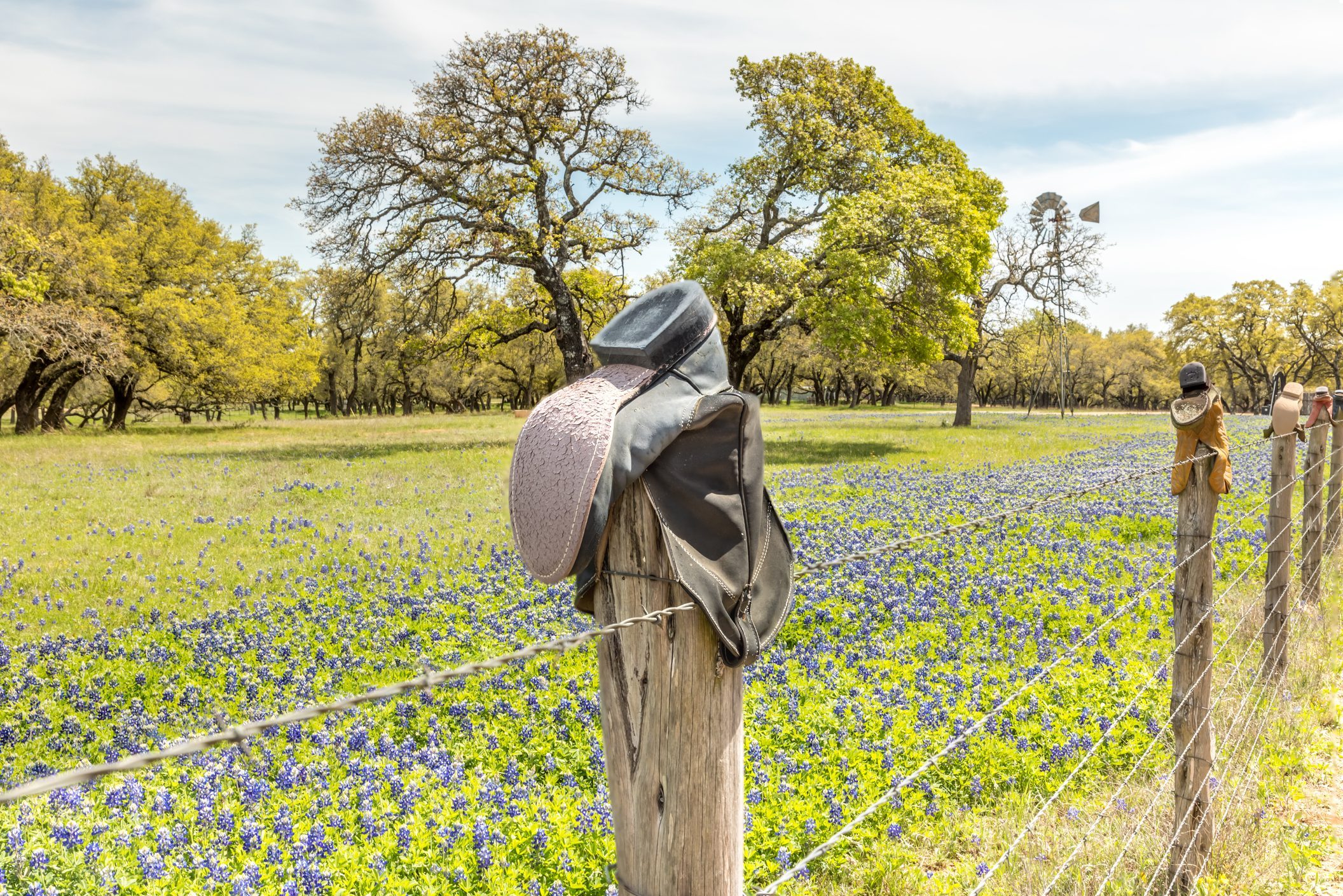
You’re driving a quiet back road, humming along to classic country, when you spot it: a lone cowboy boot perched on a fence post, toe pointed toward the horizon like it knows something you don’t. Is it art? A prank? Some kind of secret ranch code?
Good news: you haven’t stumbled into a horror movie. A boot on a fence is actually a long-standing rural tradition that can say a lot about the people, animals, and stories tied to that land.
From quiet memorials to old-school “I’m home” signals and practical fence hacks, there are several real reasons you’ll see a boot on a fenceand most of them are surprisingly touching.
The Short Answer: What a Boot on a Fence Really Means
There isn’t just one meaning behind a boot on a fence. Ranchers, farmers, and rural communities across the U.S.especially in cattle and horse countryuse this little symbol in a few key ways. According to ranchers and regional stories gathered from farm and lifestyle publications, radio stations, and local historians, common meanings include:
- A memorial for a rancher, cowboy, or farmhand who has passed away.
- A tribute to a beloved horse that died or was sold.
- “Retired” boots symbolizing years of hard work once they’re too worn to wear.
- An old-fashioned message letting neighbors know the rancher is home or out in the fields.
- A practical fence hack to protect posts or keep animals from getting hurt.
- Roadside art or decoration, especially when you see a whole “boot fence.”
So when you see a boot on a fence, it’s usually not random clutterit’s a story you’re driving past.
A Quiet Memorial on the Prairie
Honoring a Rancher or Farmhand
One of the most common meanings is also the most emotional: a boot on a fence is often a memorial. Rural news outlets and home-improvement magazines note that families and friends sometimes place a rancher’s old boot on a fence post after they pass away.
It’s a simple, personal way to say, “You worked this land. You belonged here. We remember you.” Instead of a polished marble monument, the tribute is a scuffed, dust-worn boot that actually walked every pasture, hauled every bale, and checked every fence line.
In some local traditions, the boot might belong to a hired hand, a family member, or a long-time neighbor who spent decades helping with branding, haying, or calving season. Sometimes a pair of boots is posted; sometimes just a single oneeither way, it’s a sign that someone important is gone, but not forgotten.
Saying Goodbye to a Beloved Horse
Horses aren’t just “livestock” for many ranchersthey’re partners. A number of regional stories mention boots on fences as a tribute to a favorite horse that carried a rider through long days in the saddle.
When that horse dies or is sold, a rancher may “sacrifice” a pair of well-worn boots to the fence linealmost like leaving flowers at a grave. It’s a quiet way of saying thank you to an animal that worked hard, kept them safe, and knew the pastures almost better than they did.
So if you see boots posted near a barn or corral, especially in horse country, there’s a good chance they’re honoring a special four-legged friend.
“Hanging Up Your Boots”: Hard Work and Retirement
Another big reason you’ll see boots on fences is surprisingly simple: they’re worn out. But in ranch culture, even worn-out gear tells a story.
Farm and western lifestyle sources point out that ranchers often get attached to their boots. They’re not just footwear; they’re tools that slog through mud, snow, dust, and manure day after day. When those boots finally give up, instead of tossing them in the trash, some people “retire” them to the fence.
Placing them on a post turns them into a symbol of hard work, perseverance, and resilience. It’s like a rural version of hanging up your jersey in the raftersonly with more dust and fewer stadium lights.
In some stories, posting boots after a rancher retires or sells the place is a way of saying, “My work here is done.” When you see a long row of battered boots on the fence line, think of it as a visual résumé of every season those boots survived.
Old-School Communication: When a Boot Was a Status Update
Letting Neighbors Know You’re Home
Before cell phones, electric lights, or even reliable mail service, rural communities still needed ways to say, “I’m home” or “I’m out in the back forty.” One clever option? Boots on a fence.
Regional radio stations and local history pieces describe how a boot near the ranch entrance could signal whether the farmer was home. In some versions, a boot toe pointed toward the house meant the rancher was home; if it pointed away, they were out working.
Think of it as the analog, dust-covered ancestor of the “online” green dot next to someone’s name.
Marking Property or Trails
Some ranch stories also mention boots on fences as a way to mark property lines or help people navigate in bad weather. One family tale describes boots used as visual markers during snowstorms, so folks wouldn’t get lost trying to find the house or barn in low visibility.
While you probably won’t see this used as a primary navigation system today (GPS would be jealous), it’s another example of how something as simple as a boot can serve as practical communication in wide-open country.
Practical Ranch Hacks: Boots as Fence Protection
Not every boot on a fence is symbolic. Sometimes, ranchers are just being smart with what they’ve got.
Western lifestyle writers and ranch families explain that slipping old boots over wooden or metal fence posts can help protect both the posts and the animals. Boots can:
- Shield wooden posts from rain and snow, helping prevent water from soaking into the top and causing rot.
- Cover sharp metal T-posts so horses don’t cut or impale themselves if they rub or lean against the fence.
- Reuse old gear instead of buying special caps or tossing boots into a landfill.
If you’re used to store-bought fence post caps, these “boot caps” might look quirkybut they spring from the same logic: protect the investment, protect the animals, use what you already have.
Folk Beliefs, Superstitions, and Local Legends
Like most long-running traditions, boots on fences have picked up their share of folklore. Some stories claim that boots placed sole-side up are meant to help the “soul” of the person or horse reach heavena poetic play on words that shows up in a few cowboy legends and rancher anecdotes.
Other bits of cowboy superstition talk about lucky and unlucky ways to handle boots: which one you put on first, why you shouldn’t trip over them, and where to leave them for good luck on a journey. While these details vary from place to place, they add an extra layer of meaning to any boot you see on a fence line.
The bottom line: what looks like random footwear may actually be part memorial, part protection, part folk magicdepending on who tells the story.
Boot Fences as Folk Art and Roadside Attractions
Sometimes one boot on a fence turns into ten, then fifty, then hundreds. Before you know it, you’ve got a full-blown boot fencea long stretch of posts crowned with cowboy boots in every color and condition.
Western travel pieces and local photo essays highlight these boot fences as a kind of rural folk art: a way to add personality to miles of otherwise ordinary fencing.
In some areas, travelers pull over just to snap pictures of these quirky displays. Each boot once had a job, a wearer, and a story; together, they create a visual timeline of the life of the ranch and the community around it.
So if you’re road-tripping through Texas, the Dakotas, Nebraska, or other ranch-heavy states and you spot a fence absolutely covered in boots, you’re probably looking at a blend of tradition, pride, and a pretty great sense of humor.
What You Should (and Shouldn’t) Do If You See a Boot on a Fence
Quick etiquette guide, just in case you’re tempted to “rescue” that lonely boot:
- Don’t touch it. Most sources agree you should leave boots where they are. They might be a memorial, a signal, or part of a long-standing family tradition.
- Don’t treat it as free décor. Even if the boots look old, they’re not a donation bin. Taking them is like removing flowers from a grave.
- Do appreciate the story. You may never know exactly who or what that boot honors, but you can still respect the meaning behind it.
- Do snap a photofrom a distance. If you’re on a public road, a quick picture can be a nice reminder of your drive and the traditions of the region.
Think of boots on fences as rural cultural landmarks: small, subtle, but loaded with history.
Real-Life Experiences: What It’s Like to See a Boot on a Fence
It’s one thing to read about these traditions; it’s another to actually spot that first boot on a fence in the wild.
Imagine you’re driving through West Texas just before sunset. The road stretches straight ahead like it’s daring you to find the end of it. The sky is doing that dramatic orange-pink gradient thing you only see in wide-open country. You’re half-listening to the radio, half-wondering if tumbleweeds are really a thing, when you see it: a single, sun-faded cowboy boot perched on a fence post by the gate of a modest ranch.
At first, you might think, “Did someone lose a shoe… very enthusiastically?” But then you remember hearing that boots on fences can be memorials or signals. Suddenly that little scene isn’t randomit feels like a quiet message from the people who live and work there.
On another trip, maybe in the Dakotas, you might spot a whole row of boots lining a fence along the highway. Some are cracked and dusty; others are bright red or blue, clearly added more recently. You can almost picture the years stacked into that fence: each boot belonging to a different person, a different horse, a different season of long days and sore muscles. You don’t know the names, but the fence tells you this land has seen a lot of life.
If you happen to stop at a small-town diner nearby and ask about the boot fence, someone at the counter might shrug and say, “Oh, that’s just old man so-and-so’s place. He puts up boots for every hand that’s worked a few good years with him.” Another person might add, “And one pair is for his favorite mare. Best horse he ever had.” Suddenly, that quirky roadside sight becomes a whole collection of personal tributes.
In some areas, longtime residents will tell you stories of how they used boots as signals before technology took over. One neighbor might recall how, as a kid, they knew whether it was worth walking over to ask for help or borrow equipment just by checking the boot at the gate. Boot pointed toward the house? Knock on the door. Boot turned toward the field? Better wait until later.
If you’re from the city, these traditions can feel almost cinematic. We’re used to emojis and status messages, not literal boots on fences. But that’s part of what makes the experience so memorable: you’re seeing communication, grief, gratitude, and humor expressed through something as everyday as a worn-out boot.
Even if you never step onto the property, spotting that boot can change how you see the landscape. The fences stop being just boundaries; they become storylines. Every gate might have a memory attached. Every old boot might represent someone’s hardest season, biggest loss, or proudest years of work.
And once you know what it can mean, you probably won’t look at a lonely boot on a fence the same way again. Instead of thinking, “That’s odd,” you’ll think, “Somebody’s story lives there.” It’s a small detail, but it makes the road feel less empty and the countryside feel a lot more alive.
Final Thoughts: A Small Symbol with a Big Story
A boot on a fence might look like a random bit of clutter to outsiders, but for many ranchers and rural families, it’s anything but. It can be a memorial, a thank-you to a beloved horse, a symbol of hard-earned years, a clever communication system from the pre-smartphone era, or simply a piece of handcrafted roadside art.
The next time you’re driving through farm or ranch country and see a boot on a fence, don’t dismiss it as junk. Think of it as a small, weather-beaten monumenta reminder that the land you’re passing through is full of stories, traditions, and people who take pride in the work they’ve done there.