

Groundhogs are cute until they turn your vegetable garden into an all-you-can-eat salad bar with tunnel access. Also called woodchucks, these chunky garden visitors are famous for chewing down tender greens, sampling tomatoes, flattening beans, and leaving behind burrows that make mowing the lawn feel like navigating a moon landing. If you have ever walked outside and found a row of seedlings clipped like tiny green pencils, you already know the pain.
The good news is that you do not have to surrender your yard to a furry landscaping committee. While no plant is 100% groundhog-proofbecause a very hungry groundhog has the moral flexibility of a raccoon near a trash canmany plants are far less appealing to them. The best plants to grow that groundhogs don’t eat tend to be strongly scented, fuzzy, bitter, toxic, leathery, spiky, or simply not worth the chewing effort.
This guide explains which flowers, herbs, bulbs, and border plants are least likely to become groundhog lunch, how to use them strategically, and how to combine smart planting with humane garden protection. Think of it as building a beautiful garden that quietly says, “No buffet here, buddy.”
Why Groundhogs Eat Some Plants and Avoid Others
Groundhogs are mostly herbivores, and their favorite meals are often the same tender plants gardeners love most: lettuce, peas, beans, clover, alfalfa, young shoots, corn, berries, apples, and juicy tomatoes. They are especially drawn to soft, water-rich growth and low-growing plants that are easy to reach. In early spring, when they emerge from hibernation, fresh green growth can be irresistible.
Plants that groundhogs tend to avoid usually have one or more defensive traits. Aromatic herbs such as lavender, sage, thyme, mint, oregano, and rosemary release strong oils that many browsing animals dislike. Bulbs like daffodils and ornamental alliums contain compounds that make them unpleasant or unsafe to eat. Fuzzy-leaved plants such as lamb’s ear feel strange in the mouth. Tough ornamental grasses are not as tempting as tender vegetables. Some flowers, including foxglove and hellebore, are toxic and should be used carefully, especially where pets or children play.
Best Groundhog-Resistant Plants for Your Garden
“Groundhog-resistant” is a better phrase than “groundhog-proof.” Weather, local food supply, drought, population pressure, and individual animal habits all matter. One groundhog may ignore lavender forever; another may nibble it once, regret its life choices, and move on. The goal is not perfection. The goal is to make your garden less delicious than the yard next door.
1. Lavender
Lavender is one of the most useful plants for a groundhog-resistant garden. Its silvery foliage, strong fragrance, and woody stems make it much less attractive than soft vegetable leaves. Gardeners love lavender for its purple blooms and calming scent, but groundhogs tend to treat that same scent like a warning sign.
Plant lavender in full sun and well-drained soil. It dislikes soggy roots, so avoid placing it in low, wet corners of the yard. Use it along garden paths, raised bed edges, or sunny borders near vegetables. English lavender is a popular choice in cooler regions, while Spanish and French lavenders are better suited to warmer climates.
2. Daffodils
Daffodils are spring heroes with trumpet-shaped flowers and a strong reputation for being ignored by many browsing animals. Their bulbs and foliage contain bitter, toxic compounds, which makes them a poor snack choice for groundhogs, rabbits, deer, and squirrels. Translation: daffodils are pretty, cheerful, and surprisingly good at saying, “Do not eat me.”
Plant daffodil bulbs in fall for spring blooms. They work beautifully around the edges of beds, under deciduous trees, and near entry points where groundhogs commonly wander into the garden. After blooming, let the foliage yellow naturally so the bulb can recharge for the following year.
3. Ornamental Alliums
Ornamental alliums are relatives of onions, garlic, chives, and leeks. Their oniony scent is a major reason many animals avoid them. In the garden, they add tall globe-shaped flowers that look like purple fireworks floating above the border. Groundhogs, however, are rarely impressed by fancy fireworks when they smell like onions.
Plant ornamental allium bulbs in fall in sunny, well-drained soil. They are excellent in mixed borders, cottage gardens, and pollinator-friendly plantings. For edible options, grow chives and garlic near vulnerable beds. Their scent will not create an invisible force field, but it can help make the garden less inviting.
4. Chives and Garlic Chives
Chives are easy, useful, and surprisingly ornamental when they bloom. Their grassy leaves carry a mild onion scent, and their purple flowers attract pollinators. Garlic chives have white flowers and a stronger garlic-like aroma. Both are good candidates for planting near lettuce, tomatoes, peppers, and other plants that groundhogs commonly investigate.
Use chives as a low border around raised beds or tuck them between flowers. Harvest regularly to keep the clumps tidy. One warning: chives can self-seed if allowed to mature fully, so remove spent flowers if you want them to behave.
5. Sage
Sage has gray-green, textured leaves and a strong herbal scent. Groundhogs usually prefer tender greens over pungent Mediterranean herbs, making sage a smart addition to sunny borders. It is also drought-tolerant once established and useful in the kitchen, especially if roasted vegetables, stuffing, or savory sauces are part of your life plan.
Plant sage in full sun with excellent drainage. Avoid overwatering. It pairs well with lavender, thyme, oregano, and rosemary in a low-maintenance herb border that smells fantastic to humans and suspicious to groundhogs.
6. Thyme
Thyme is a low-growing herb with tiny aromatic leaves. Creeping thyme can be used between stepping stones, along paths, or at the front of sunny beds. Its fragrance intensifies when brushed or stepped on lightly, creating a scented edge that groundhogs are less likely to enjoy.
Use thyme in dry, sunny places where grass struggles. It is not a substitute for fencing around high-value vegetables, but it is a lovely living mulch in ornamental areas and a useful companion around less vulnerable crops.
7. Rosemary
Rosemary is bold, piney, and tough. In warm climates, it can grow into a small shrub. In colder regions, gardeners often grow it in pots and overwinter it indoors. Its resinous aroma is exactly the kind of strong scent that browsing animals often avoid.
Place potted rosemary near patio gardens, container vegetables, or raised beds. Because rosemary prefers dry conditions, avoid mixing it with plants that need constant moisture. If your soil is heavy clay, container growing is usually easier.
8. Oregano
Oregano is another aromatic herb that earns its place in a groundhog-resistant planting plan. It spreads nicely in sunny beds, tolerates lean soil, and provides flavorful leaves for cooking. Groundhogs generally prefer juicy vegetables over strong, spicy herbs.
Plant oregano along borders, in containers, or near vegetable beds as part of a mixed herb barrier. Trim it often to keep it bushy. If it gets too comfortable, divide it or move some to a pot. Oregano is generous; sometimes too generous.
9. Mint and Lemon Balm
Mint and lemon balm are strongly scented members of the mint family. Their fragrance can help discourage groundhogs from browsing nearby, but there is one important catch: they spread aggressively. Plant them directly in the ground only if you enjoy gardening with a shovel and a mild sense of panic.
The best strategy is to grow mint and lemon balm in containers. Place pots near garden entrances, patios, or raised beds. They provide fresh leaves for tea, desserts, and summer drinks while adding another layer of scent-based resistance.
10. Marigolds
Marigolds are bright, easy annuals with a sharp scent that many animals find unpleasant. French marigolds are especially useful around vegetable gardens because they stay compact, bloom for a long time, and fit neatly between crops. They are not magic, but they are cheerful little bodyguards.
Plant marigolds in full sun after danger of frost has passed. Use them around tomatoes, peppers, beans, and squash beds. Deadhead spent flowers to keep blooms coming. As a bonus, marigolds are inexpensive and beginner-friendly, which is nice because the groundhog has already spent enough of your emotional budget.
11. Catmint
Catmint, or Nepeta, is a tough perennial with fragrant gray-green foliage and lavender-blue flowers. It is beloved by bees and often ignored by browsing pests. Unlike true mint, catmint is better behaved in the garden and makes an excellent edging plant.
Plant catmint in full sun and well-drained soil. It looks beautiful in sweeping borders, around roses, or along walkways. After the first flush of flowers, shear it back lightly to encourage fresh growth and repeat blooming.
12. Yarrow
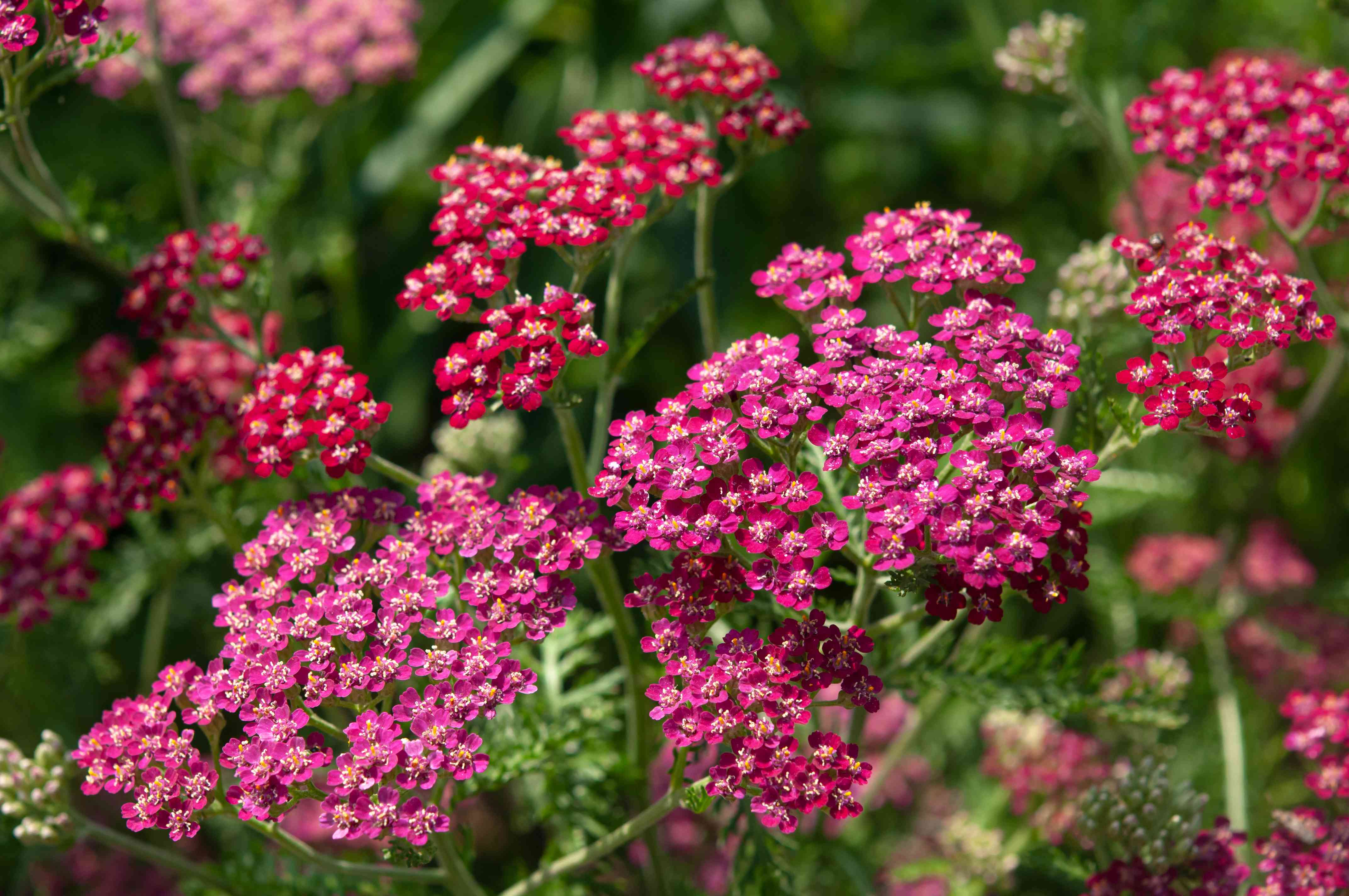
Yarrow is a rugged perennial with ferny foliage and flat-topped flower clusters. Its leaves have a bitter, aromatic quality, which helps make it less appealing to groundhogs. It also tolerates drought, poor soil, and hot sunny sites.
Yarrow comes in shades of white, yellow, pink, red, and peach. Use it in pollinator gardens, meadow-style plantings, and dry borders. Avoid overly rich soil, which can make the stems floppy. A slightly neglected yarrow is often a happier yarrow.
13. Lamb’s Ear
Lamb’s ear has soft, fuzzy, silver leaves that children love to touch and groundhogs usually do not love to chew. The woolly texture makes it less palatable than smooth, tender greens. It is also drought-tolerant and attractive along sunny pathways.
Plant lamb’s ear in full sun and well-drained soil. It can spread into a soft mat, so give it room. Remove tired flower stalks and damaged leaves to keep the planting tidy. In humid areas, good airflow is important to prevent leaf problems.
14. Foxglove
Foxglove is a dramatic cottage garden plant with tall spikes of tubular flowers. It is often avoided because it is toxic. That same trait means it must be used responsibly. Do not plant foxglove where pets, livestock, or young children may nibble it.
Foxgloves prefer part sun to light shade and moist, well-drained soil. Many are biennial, producing foliage the first year and flowers the second. Let a few seed heads mature if you want future plants, but manage seedlings so they do not appear in unsafe spots.
15. Hellebores
Hellebores, also called Lenten roses, bloom early and bring color to shady gardens when most plants are still hitting the snooze button. Their leathery leaves and toxic qualities make them less appealing to groundhogs and other browsers.
Plant hellebores in partial shade with rich, well-drained soil. They are excellent under deciduous shrubs, along woodland edges, and in shade borders. Like foxglove, they should be planted thoughtfully if pets or children are likely to taste-test the landscape.
16. Peonies
Peonies are long-lived perennials with lush spring flowers and tough foliage. They are not usually at the top of a groundhog’s menu, especially once established. Their stems are firmer than tender greens, and their leaves are less inviting than lettuce or bean seedlings.
Plant peonies in full sun with good air circulation. Do not plant the crowns too deeply, or flowering may be poor. Once settled, a peony can live for decades, quietly proving that some garden investments are wiser than buying another gadget you saw at midnight.
17. Snapdragons
Snapdragons are colorful annuals or short-lived perennials that groundhogs often pass over. They provide vertical interest in beds and containers, and their flowers come in a wide range of colors. They are especially useful for filling gaps between longer-lived perennials.
Plant snapdragons in cool weather for best performance. In many regions, they bloom heavily in spring and again in fall. Deadheading helps extend the show. Use them near the front of borders where you want color without offering a tender leafy buffet.
18. Butterfly Weed
Butterfly weed is a native milkweed with bright orange flowers that support monarch butterflies and other pollinators. Its milky sap and tough stems make it less appealing to many browsing animals. It is a smart choice for sunny, dry gardens where you want wildlife value without encouraging groundhog snacking.
Plant butterfly weed in well-drained soil and full sun. It develops a deep taproot, so choose its location carefully and avoid moving it once established. It may emerge late in spring, so mark the spot before you accidentally dig it up while “improving” the garden with enthusiasm and poor memory.
Quick Reference: Plants Groundhogs Usually Avoid
| Plant | Why Groundhogs Often Avoid It | Best Garden Use |
|---|---|---|
| Lavender | Strong aromatic oils | Sunny borders and raised bed edges |
| Daffodils | Bitter, toxic bulbs and foliage | Spring bulb borders |
| Alliums | Onion-like scent | Mixed flower beds and vegetable edges |
| Chives | Pungent edible leaves | Low herb borders |
| Marigolds | Sharp, musky scent | Annual vegetable garden edging |
| Catmint | Fragrant foliage | Pollinator-friendly borders |
| Yarrow | Bitter, ferny leaves | Dry sunny beds |
| Lamb’s Ear | Fuzzy texture | Pathway edges and dry borders |
| Hellebores | Leathery, toxic foliage | Shade gardens |
| Butterfly Weed | Milky sap and tough stems | Native pollinator gardens |
How to Design a Garden Groundhogs Find Less Delicious
The smartest approach is to use resistant plants as part of a layered design. Start with a ring of aromatic herbs and tough perennials around the outside of vulnerable beds. Place lavender, catmint, thyme, chives, sage, oregano, and marigolds where groundhogs are likely to enter. Add daffodils and alliums for spring protection and visual structure.
Next, keep high-value crops in the safest area. Lettuce, beans, peas, squash, melons, strawberries, and young brassicas should be grown in raised beds, fenced beds, or containers whenever groundhog pressure is high. If a groundhog has already discovered your tomatoes, do not rely on a few marigolds and wishful thinking. Wishful thinking is not a pest management strategy, although gardeners keep trying it.
Finally, reduce habitat. Groundhogs like cover, quiet corners, brush piles, overgrown fence lines, and areas under decks or sheds. Keep grass trimmed, remove fallen fruit, secure compost, and block access under structures where burrows may appear. A neat garden is not guaranteed to stop them, but it makes your yard less attractive as a permanent groundhog condo complex.
Do Groundhog-Resistant Plants Replace Fencing?
No. Resistant plants are helpful, but fencing is still the most reliable protection for vegetable gardens. Groundhogs can dig and climb, which is deeply unfair but biologically impressive. A practical fence should extend underground or bend outward at the base to discourage digging. The top should be loose or angled outward so climbing becomes difficult. Some gardeners also use a low electric strand where local rules allow it.
For smaller spaces, try containers, elevated planters, or salad tables. Growing tender greens above ground level can reduce damage from both rabbits and groundhogs. It also makes harvesting easier, which means fewer mysterious zucchinis hiding under leaves until they become baseball bats.
Plants Groundhogs Love: Protect These First
If you grow vegetables, assume groundhogs are interested. They commonly eat beans, peas, lettuce, clover, alfalfa, corn, tomatoes, berries, apples, and many tender flowers. Young seedlings are especially vulnerable because they are soft, low, and convenient. A groundhog does not care that you started those seedlings indoors under grow lights for six weeks. To a groundhog, that is simply meal prep.
Protect vulnerable plants with fencing, row covers, cloches, or hardware cloth cages until they are established. For fruiting plants, harvest promptly and remove fallen produce. The less free food lying around, the less reason a groundhog has to keep checking your yard like it has a dinner reservation.
Real-World Experience: What Gardeners Learn After Groundhogs Move In
Experience teaches gardeners that groundhog control is rarely solved by one trick. The first lesson is that damage can happen fast. A bed that looked lush on Monday can look like a tiny logging operation by Wednesday. Groundhogs often feed in the morning or late afternoon, so many gardeners never catch them in the act. They just find the aftermath: clipped stems, missing leaves, half-eaten fruit, and a suspicious burrow near the shed.
The second lesson is that plant choice matters most at the edges. Groundhogs are cautious but persistent. If the first plants they encounter are lettuce, beans, and young sunflowers, they receive a warm welcome. If the first plants are lavender, chives, catmint, marigolds, yarrow, and alliums, the garden sends a different message. It is not a locked door, but it is a less inviting doorway.
One effective approach is to create a “scent border.” Plant chives at the corners of raised beds, tuck thyme along the front, add catmint at intervals, and use marigolds as seasonal color. Behind that, place tougher perennials such as yarrow, lamb’s ear, butterfly weed, and ornamental grasses. This layered planting looks intentional and attractive while making the route to tender crops less appealing.
The third lesson is that containers are underrated. Gardeners with heavy groundhog pressure often have better luck growing herbs, greens, and strawberries in tall containers close to the house. Rosemary, mint, lemon balm, sage, and oregano all do well in pots. Containers can be moved, protected, and monitored more easily than open beds. A groundhog may still investigate, but it has to work harder, and lazy dining is part of its brand.
The fourth lesson is to avoid planting a groundhog’s favorite foods right beside cover. A tomato bed next to a brush pile is basically a restaurant with valet parking. Keep edible beds away from woodpiles, tall weeds, shed openings, and dense shrubs. If a burrow appears, do not block it blindly while an animal may be inside. Use humane, legal methods and contact local wildlife professionals when needed.
The fifth lesson is that young plants need extra protection even if the mature plant is considered resistant. New growth is softer and more tempting. A young coneflower, for example, may be sampled even if older, tougher perennials nearby are ignored. Use temporary cages, row cover, or fencing until plants are established. Once roots are stronger and foliage toughens, many perennials can tolerate occasional browsing better.
The sixth lesson is that “resistant” does not mean “beautiful garden without maintenance.” Keep aromatic plants trimmed so they stay dense and fragrant. Replace weak marigolds during the season. Divide overcrowded chives and oregano. Cut back catmint after flowering. Remove fallen fruit. Repair fence gaps quickly. Groundhogs are excellent at noticing the one weak spot you meant to fix last weekend.
Most importantly, experienced gardeners learn not to fight nature with panic. A groundhog in the yard is annoying, but it is also just an animal looking for food and shelter. The best response is calm, layered, and humane: grow plants it tends to dislike, protect the crops it loves, reduce hiding places, and use physical barriers where the harvest really matters. With the right plant choices, your garden can be beautiful, pollinator-friendly, fragrant, and much less likely to become a groundhog cafeteria.
Conclusion
The best plants to grow that groundhogs don’t eat are usually aromatic herbs, bitter or toxic bulbs, fuzzy-leaved perennials, tough native plants, and strongly scented annuals. Lavender, daffodils, ornamental alliums, chives, sage, thyme, rosemary, oregano, mint, marigolds, catmint, yarrow, lamb’s ear, hellebores, peonies, snapdragons, and butterfly weed are all strong candidates for a less tempting garden.
Still, hungry groundhogs are flexible diners. Use these plants as part of a broader plan that includes fencing, raised beds, containers, tidy garden maintenance, and quick protection for seedlings. Your goal is not to create a garden that no groundhog will ever enter. Your goal is to create one that makes the groundhog pause, sniff, reconsider, and waddle off toward easier snacks.