

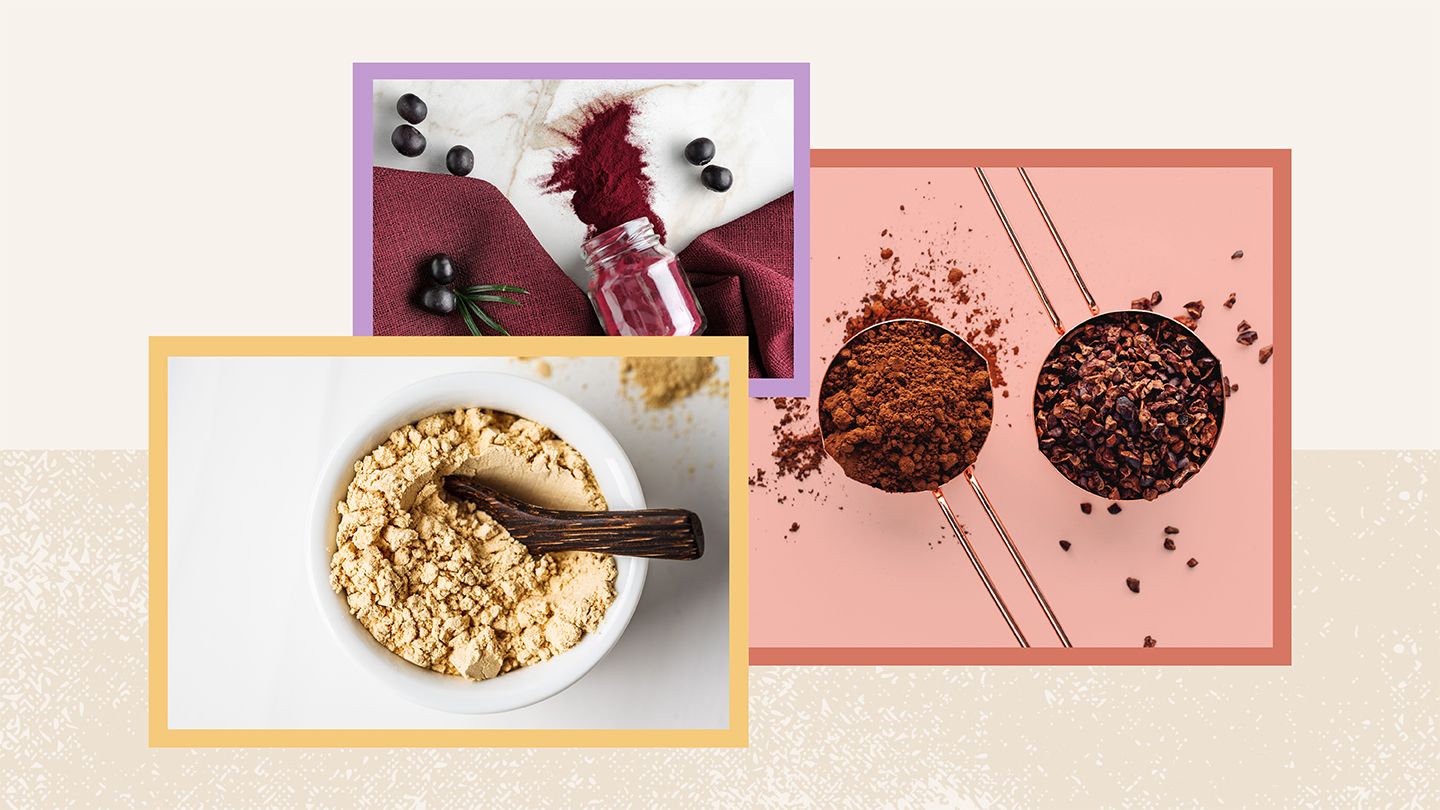
Superfood powders are basically the “shortcut key” of modern nutrition: scoop, stir, sip, and suddenly you feel like a person who
definitely owns matching glass containers. They promise energy, glowing skin, “detox,” gut bliss, and the vague sense that you’ve
made at least one responsible choice today.
But what can these powders actually do for youbeyond turning your smoothie the color of an optimistic lawn?
Let’s break down what superfood powders are, what they’re good at, what they’re not so good at, and how to pick one without
accidentally buying a $60 tub of flavored hope.
What “superfood powder” really means
“Superfood” isn’t a scientific category. It’s marketing shorthand for foods that are especially rich in nutrients or beneficial plant
compounds (like polyphenols and carotenoids). When those foods get dried and ground, they become powders you can add to drinks
and recipes.
In real life, superfood powders usually fall into a few common families:
- Greens powders: spinach, kale, broccoli, wheatgrass, barley grass, spirulina, chlorella, moringa.
- “Reds” or antioxidant blends: beet, berry powders (acai, blueberry), pomegranate, hibiscus.
- Functional mushrooms: lion’s mane, reishi, cordyceps, chaga (often blended with cacao or spices).
- Spices and roots: turmeric/curcumin, ginger, maca, ashwagandha (often sold as adaptogen mixes).
- Tea powders: matcha and green tea extracts (sometimes with added caffeine).
- Protein-adjacent “super” powders: collagen, seed powders, or greens + protein combos.
What superfood powders can do for you (when they’re used well)
1) Help you “patch” nutrition gaps on busy days
If your weekday lunch is “coffee + meetings” and your dinner is “whatever is fastest,” a scoop of greens powder can be a practical
bridgeespecially for vitamins, minerals, and antioxidant compounds. Some powders also add specific nutrients (like vitamin C, B12,
or zinc), turning them into a hybrid of “food powder + multivitamin.”
The key word is bridge, not replacement. Think of it like a spare tire: helpful when you need it, not the ideal
permanent solution for your entire lifestyle.
2) Add antioxidant and anti-inflammatory compounds to meals
Many plant powders contain compounds associated with antioxidant activity. For example:
- Cacao powder adds flavanols and makes oatmeal taste like dessert had a personal trainer.
- Berry powders (like blueberry) concentrate polyphenols that are found in whole berries.
- Turmeric/curcumin powders are widely used, though evidence varies by condition and formulation.
Practical takeaway: powders can be an easy way to add “plant variety” to meals, especially if you rotate what you use instead of
putting the same green mystery blend into everything for six straight months.
3) Support exercise routines in specific, targeted ways
Some powders are popular for performance-minded reasons:
-
Beet powder is often used pre-workout because beets naturally contain dietary nitrates (a reason they’ve been studied
for exercise performance). -
Matcha can provide caffeine plus tea compoundshelpful for people who want a “calmer” lift than an espresso rocket
ship (still: caffeine is caffeine). -
Protein + greens blends can make post-workout nutrition more convenient, though you’ll want to check for added sugars
and unnecessary megadoses of vitamins.
4) Make “healthy eating” easier to repeat
Nutrition isn’t just biologyit’s logistics. A powder you’ll actually use (because it tastes decent and fits your routine) can help you
build a consistent habit:
- Morning smoothie becomes “automatic.”
- Afternoon snack becomes “yogurt + fruit + scoop of something.”
- Travel meals become “okay, at least I added something green.”
Consistency matters, and powders can lower friction. The “best” powder is often the one that doesn’t end up living in your pantry
as an expensive, guilt-flavored decoration.
What superfood powders can’t do (no matter what the label says)
They can’t replace whole fruits and vegetables
Whole plants come with a package deal: fiber, water, chewing time (which matters for fullness), and a complex food matrix that’s hard
to replicate. Many powders have less fiber than you’d get from the produce they’re meant to mimic, and they don’t provide
the same “volume” that helps you feel satisfied.
They can’t “detox” you in the magical way social media implies
Your liver and kidneys already do detox work 24/7no influencer discount code required. Some powders can support overall nutrition,
which can support your body’s normal processes. But a powder isn’t a reset button for a month of stress, sleep deprivation, and takeout.
They can’t compensate for unsafe basics
A greens powder won’t cancel out consistently low sleep, dehydration, or a diet that’s missing protein and calories. It’s an add-on,
not a rescue mission.
The “label reality check” you should do before buying
Step 1: Look for transparency (and avoid “proprietary blend fog”)
If the label hides everything behind a “proprietary blend,” you may have no idea how much spirulina, turmeric, or adaptogens you’re
actually getting. That’s important because dose mattersboth for effectiveness and for side effects.
Prefer products that list ingredient amounts clearly and don’t rely on mystery math.
Step 2: Choose third-party testing when possible
Dietary supplements in the U.S. are regulated differently than medications, and quality can vary. A reputable third-party verification
program can help confirm that what’s on the label is in the container and that the product meets certain quality standards.
- USP Verified is one widely recognized quality verification program for dietary supplements.
- NSF certification programs (including Certified for Sport) are commonly used in supplement quality testing.
Step 3: Scan for common “watch-outs”
- Added sugar or “creamers” that turn a greens powder into a dessert beverage.
- High vitamin K (may matter for people on certain blood thinners).
- Stimulants (caffeine, guarana) if you’re sensitive or already caffeinated.
- Allergens (milk, soy) and sweeteners that can trigger GI upset for some people.
- Megadoses of vitamins you’re already getting from a multivitamin.
Safety: the unglamorous but important part
“Natural” doesn’t automatically mean “risk-free.” Here are the most common safety issues with superfood powders.
Contaminants can happen (especially with concentrated plant powders)
Plants can accumulate heavy metals from soil and water. Concentrating plants into powders can concentrate contaminants too.
This doesn’t mean every product is unsafeit means brand quality and testing matter.
Some algae-based ingredients (like spirulina and chlorella) have also raised contamination concerns in the broader supplement space,
depending on sourcing and quality control. The practical move: pick reputable brands, look for third-party testing, and avoid sketchy
bargain tubs that feel like they were packaged in a garage next to a lawnmower.
Some ingredients interact with medications
If you take prescription medicationsespecially blood thinners, diabetes meds, blood pressure meds, or chemotherapy-related
treatmentstalk with a clinician or pharmacist before adding potent herbal or high-vitamin supplements. Interactions are a real thing,
and the risk goes up when formulas combine many herbs in one scoop.
Side effects are usually digestive (but still annoying)
The most common complaints are bloating, gas, nausea, or “why is my stomach doing jazz improvisation right now?” Starting with a
half scoop, taking it with food, and avoiding stacking multiple new supplements at once can help you identify what’s actually causing
a problem.
Who should be extra cautious?
- People who are pregnant or breastfeeding
- Kids (unless a pediatric clinician recommends it)
- Anyone with liver, kidney, or autoimmune conditions
- People on multiple medications
- Those with a history of supplement sensitivity
How to use superfood powders without making your smoothie taste like regret
Use them as “supporting actors,” not the whole movie
The best approach is to add powders to a solid base:
- Smoothie: frozen fruit + yogurt/kefir + spinach + protein + 1 small scoop of powder.
- Oatmeal: cacao + cinnamon + berry powder + nut butter.
- Yogurt bowl: chia + blueberries + a greens powder that’s mild (or a matcha powder if you like it).
- “Golden milk” style drink: turmeric + ginger + milk of choice + a pinch of black pepper (taste first).
Start low, then adjust
If the label says one scoop, your gut may vote “no” at first. Begin with half (or even a quarter) and work up over a week or two.
Your digestive system appreciates a thoughtful onboarding process.
Rotate instead of overcommitting
Many people do better rotating powdersgreens some days, cacao or berry powders other daysso you’re not relying on one formula
as your entire “health identity.”
So… are superfood powders worth it?
They can be, if you use them for what they are:
- Worth it if you need convenience, struggle to get enough plant variety, or want a simple habit that nudges you toward better nutrition.
- Not worth it if you’re expecting a powder to replace produce, fix fatigue caused by poor sleep, or “detox” your life choices.
The best superfood powder is one that fits your routine, comes from a trustworthy company, and supports a diet that still includes real
foods you can recognize without needing a chemistry degree.
Real-world experiences with superfood powders (what people often notice)
Below are experience-based patterns commonly reported by regular superfood powder users. These aren’t “miracle stories”they’re
the day-to-day, human-scale outcomes people tend to describe when powders are used consistently and sensibly.
1) The “I finally have a default breakfast” effect
A lot of people don’t start powders because they believe in magic; they start because mornings are chaos. One common experience is
that a greens powder becomes part of a repeatable breakfast routinelike blending a smoothie while answering emails.
The benefit isn’t that greens powder is superior to spinach. It’s that it creates a reliable system:
fruit + protein + something green, five days a week, instead of “coffee and vibes.”
2) The “my digestion is… different” phase (sometimes better, sometimes weird)
People often report changes in digestion in the first one to two weeks. For some, it’s positive: they feel less sluggish, more regular,
and “lighter” after meals. For others, it’s the opposite: bloating, gas, or stomach discomfortespecially with formulas that contain
sugar alcohols, inulin-like fibers, or multiple herbs.
The most common success strategy people share is boring but effective: start with a small dose, take it with food, and avoid
combining it with three other new supplements at the same time. When people do that, they can usually figure out which ingredient
their gut is applaudingor protesting.
3) The “I expected energy, but I got consistency” surprise
Plenty of users buy superfood powders hoping for a noticeable energy boost. What they often describe instead is something subtler:
fewer energy crashes because their overall nutrition is a little more stable. If a powder nudges someone to eat breakfast, drink more
fluids, or build a snack routine that includes protein and fruit, their “energy improvement” may come from the whole patternnot the
powder acting like a nutritional superhero.
4) The athlete’s perspective: “helpful add-on, not the foundation”
Recreational runners and gym-goers often describe powders as a convenience tool. Beet powder might be used before a harder workout
because it’s easy to add to a drink. A greens + protein blend might help on days when cooking is unrealistic. But athletes who stick
with powders long-term often say the same thing: performance still depends on basics like total calories, protein, sleep, and hydration.
The powder is a supporting actoruseful, but not the star.
5) The “I got picky about quality” learning curve
Another common experience is that people become more label-savvy over time. Early on, they buy whatever tastes okay. Later, they
start asking better questions: Is this a proprietary blend? Is there third-party testing? Does it have a stimulant load that makes me
jittery? Am I paying for ingredients that are listed in “pixie dust” amounts?
Many users report that once they switch to a more transparent product (or simply use smaller amounts more consistently), their
experience improvesless GI upset, fewer “weird” side effects, and more confidence that they’re not treating their body like a
science fair project.
6) The mindset shift: powders work best when they’re boring
The most sustainable users often stop thinking of superfood powders as a trend and start treating them like pantry spices.
Cacao in oatmeal. Matcha in yogurt. A half scoop of greens in a smoothie. When powders become boring, they tend to be used
consistentlyand consistency is where any practical benefit is most likely to show up.
Bottom line from real-world use: superfood powders are most helpful when they support your routine, not when they try to replace your
entire nutrition strategy. If you keep expectations realistic and quality high, they can be a convenient toolnot a lifestyle cult.