

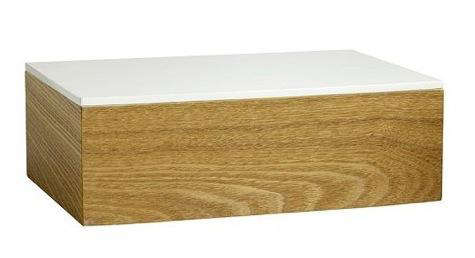
Some home accessories whisper. Others politely clear their throat and say, “Yes, I am decorative, but I also hide your remote controls, tangled chargers, mystery receipts, and that one button you are saving for a sweater you no longer own.” Wood boxes from West Elm live in that sweet spot between beauty and usefulness. They are not just little containers. They are tabletop problem-solvers with better cheekbones.
In modern home design, accessories often do the quiet heavy lifting. A sofa sets the mood. A coffee table anchors the room. But a well-chosen decorative wood box makes a space feel intentional, edited, and grown-up without turning it into a museum where everyone is afraid to sit down. West Elm’s wood boxes, including styles inspired by marquetry, light ash finishes, natural oak veneers, and compact organizer forms, bring warmth, structure, and hidden storage to everyday surfaces.
The appeal is simple: wood softens a room. It adds texture without shouting. It pairs with brass, ceramic, stone, linen, glass, leather, and nearly every other material people actually use in real homes. Whether placed on a dresser, bookshelf, nightstand, entry console, or coffee table, a wood box can make clutter disappear faster than a teenager when dishes need washing.
Why Wood Boxes Are Having a Quiet Design Moment
The best home accessories today are expected to do more than look pretty. They need to earn their spot. Open-concept living, smaller apartments, hybrid work setups, and multitasking rooms have changed how people decorate. A living room may also be a home office. A bedroom vanity may double as a charging station. A dining console might secretly hold mail, candles, keys, napkins, and a tiny screwdriver no one can explain.
That is where decorative storage comes in. Wood boxes offer a polished way to contain small items while still contributing to the overall design of the room. Unlike clear plastic bins, they do not announce their contents. Unlike fabric baskets, they feel more architectural and refined. Unlike ceramic containers, they are generally less fragile and easier to move around.
West Elm’s design language leans modern, warm, and approachable. Its wood boxes fit naturally into that world. Some are sleek and simple, while others use pattern, veneer, brass accents, or marquetry-inspired detailing to create a stronger decorative statement. They are small enough to be flexible but stylish enough to stand on their own.
Popular West Elm Wood Box Styles and What Makes Them Work
West Elm’s wood box selection changes over time, but several design themes appear again and again: natural materials, modern geometry, handcrafted character, and storage that looks good in plain sight.
Peyton Wood Decorative Boxes
The Peyton Wood Decorative Boxes are a great example of the brand’s current approach to stylish storage. With a light ash look and brass detailing, they feel clean, warm, and quietly elevated. The light wood finish makes them especially useful in airy interiors, Scandinavian-inspired rooms, coastal-modern spaces, and minimalist bedrooms that need texture without heaviness.
These boxes work well on a dresser for jewelry, watches, hair clips, or keepsakes. They can also sit on a console table and hold keys, spare earbuds, or small daily items that otherwise migrate around the house like tiny confused tourists.
Modern Marquetry Wood Boxes
Marquetry-inspired wood boxes bring pattern into the room without relying on loud color. Traditional marquetry uses pieces of wood veneer to create decorative surfaces, and modern interpretations often simplify that idea into clean geometric patterns. The result is a box that feels crafted but not fussy.
These are especially useful when a room already has a neutral palette. A patterned wood box can add visual interest to a white bookshelf, a black console, or a walnut dresser. It gives the eye something to enjoy without turning the surface into a decorative traffic jam.
Pierce & Ward Marquetry Wood Decorative Box
The Pierce & Ward Marquetry Wood Decorative Box brings a more vintage-inspired personality. Its rich wood tone and decorative surface make it feel collected rather than generic. It is the type of accessory that looks like it has a story, even if that story is mostly “I ordered it online and made the coffee table look dramatically better.”
This style pairs beautifully with layered interiors: patterned rugs, books, framed photos, aged brass, moody wall colors, or velvet upholstery. It can also balance newer furniture by adding a bit of old-soul charm.
Moona Storage Box
The Moona Storage Box takes a more functional approach. With rotating drawers and a display-friendly top, it is ideal for vanities, desks, bathroom counters, and compact workspaces. It has the charm of a decorative object but behaves like an organizer. That combination is gold for anyone who wants order without the visual vibe of an office supply aisle.
Use it for rings, lip balm, USB drives, paper clips, vitamins, cosmetics, or craft supplies. The top can hold a small dish, a perfume bottle, a candle, or one beautiful object that says, “I have my life together,” even if the drawer below contains three lip glosses and a charging cable from 2017.
Georgia Graphic Wood Jewelry Box
The Georgia Graphic Wood Jewelry Box leans into decorative geometry and jewelry storage. Details such as oak veneer, a lined interior, and hidden storage features make it practical for small valuables. This type of box is particularly useful in bedrooms because it keeps jewelry organized while adding a warm material accent to a dresser or nightstand.
It also works well in a guest room. A small wood box gives visitors a place to set rings, watches, hair ties, or coins. It is a tiny hospitality upgrade that feels thoughtful without requiring monogrammed slippers or a chocolate on the pillow.
Where to Use Wood Boxes Around the Home
Decorative wood boxes are flexible because they can move from room to room as your needs change. A box that begins on a coffee table might later become a desk organizer, a bedside catchall, or a shelf accent. Unlike overly specific organizers, a good wood box does not become useless when your routine changes.
On the Coffee Table
A coffee table is one of the best places for a decorative wood box. It can hold remote controls, coasters, matches, game cards, or small tech accessories. Pair it with a stack of books, a tray, and a small sculptural object for a balanced arrangement. The key is not to overcrowd the surface. A box should help the table breathe, not become one more item in a decorative obstacle course.
On an Entry Console
Entryways collect clutter at Olympic speed. Keys, sunglasses, mail, dog bags, transit cards, and loose change all need a landing zone. A wood box on a console table can hide the less attractive items while keeping essentials close to the door. For households with multiple people, consider assigning one box to shared items and using a tray or bowl for keys.
On a Dresser or Vanity
In the bedroom, wood boxes are ideal for jewelry, watches, keepsakes, fragrance samples, and small accessories. They create a calmer surface by hiding the visual noise of everyday items. A box with a soft lining is especially helpful for jewelry because it protects delicate pieces from scratches.
On Bookshelves
Bookshelves look better when they include more than just books. Decorative boxes add shape and negative space. They can sit horizontally on a shelf, stack in pairs, or anchor a group of smaller accessories. Use them to store charger cords, extra candles, photo cards, stationery, or small mementos.
In the Home Office
A wood box can make a desk feel less chaotic. Instead of leaving paper clips, sticky notes, adapters, and earbuds scattered across the surface, tuck them into a compact box. This is especially helpful for home offices in visible spaces, such as living rooms or bedrooms, where office clutter quickly affects the mood of the entire room.
How to Style Wood Boxes Without Overthinking It
Styling decorative boxes is less about perfection and more about proportion. A box should relate to nearby objects in height, material, and color. If everything on a table is the same size, the arrangement looks flat. If every item is a different style, the arrangement looks like a yard sale with ambition.
Use the Rule of Three
Group a wood box with two other objects: a book stack and a small vase, a candle and a framed photo, or a tray and a ceramic bowl. Three items often feel balanced because they create variety without clutter.
Mix Materials
Wood looks best when it has contrast. Pair a wood box with glass for lightness, brass for warmth, ceramic for softness, or stone for a grounded look. If the box has brass hardware, repeat that metal in a nearby lamp, picture frame, or candleholder.
Balance Light and Dark Finishes
A light ash box can brighten a dark surface, while a rich walnut or nutmeg-toned box can warm up a pale room. Try not to match every wood tone perfectly. Real homes are more interesting when finishes coordinate rather than copy each other like nervous twins.
Leave Breathing Room
The most common styling mistake is adding too many accessories around the box. Give it space. A decorative box is part storage, part sculpture. Let it be seen.
What to Store in a West Elm Wood Box
Small storage works best when it has a clear purpose. Before buying or styling a wood box, decide what it needs to hold. Otherwise, it may become a mystery container, which is basically a drawer with better lighting.
- Remote controls and streaming devices
- Jewelry, watches, and small accessories
- Keys, coins, and entryway essentials
- Chargers, earbuds, adapters, and cords
- Stationery, stamps, and notecards
- Hair ties, clips, and grooming items
- Coasters, matches, and candle tools
- Keepsakes, photos, and small sentimental objects
The goal is to hide the items you use often but do not want to stare at all day. A good box makes daily life smoother and surfaces prettier. That is a rare combination, like comfortable shoes that also look good at dinner.
Wood Boxes and Sustainable Design
Many shoppers now care about where materials come from and how products are made. West Elm has emphasized responsible sourcing, Fair Trade Certified production, FSC-certified wood, handcrafted items, and other sustainability-related initiatives across parts of its catalog. While every product should be checked individually for its exact certifications and materials, the brand’s broader focus on responsible retail gives wood accessories added appeal for shoppers who want style with more thoughtful sourcing.
Wood itself has lasting design value because it ages with character. A well-made wood box can stay useful for years, even as your home changes. It can move from a first apartment to a larger home, from a bedroom to an office, from a shelf to a console. That longevity is part of sustainability too. The longer an item remains beautiful and useful, the less likely it is to become disposable decor.
How to Choose the Right Wood Box
When shopping for wood boxes from West Elm, consider size, finish, function, and placement. A small box may be perfect for jewelry but too limited for remotes. A larger decorative box might look dramatic on a coffee table but feel bulky on a narrow nightstand.
Choose by Room
For bedrooms, look for lined interiors, compartments, or jewelry-friendly details. For living rooms, choose a box large enough to hide remotes and small electronics. For entryways, prioritize easy opening and enough space for keys and sunglasses. For desks, compact organizers with drawers or divided interiors are especially useful.
Choose by Finish
Light ash and oak finishes feel fresh, casual, and modern. Darker wood tones feel richer and more traditional. Patterned marquetry styles add visual energy. If your room already has a lot of pattern, choose a simpler box. If your room is very minimal, a graphic box can become the accent that keeps it from feeling too plain.
Choose by Hardware
Brass details add warmth and sophistication. Dark hardware feels more grounded and masculine. Hidden hinges or minimal pulls create a cleaner contemporary look. Hardware may be small, but it strongly affects the personality of the piece.
Care Tips for Decorative Wood Boxes
Wood boxes are easy to maintain, but they still deserve basic care. Dust them with a soft, dry cloth. Keep them away from standing water, direct heat, and long exposure to harsh sunlight, which can fade finishes over time. If the box has brass details, wipe hardware gently and avoid abrasive cleaners. For lined jewelry boxes, keep the interior dry and avoid storing damp items.
Do not overload small boxes with heavy objects. Decorative boxes are built for accessories, not emergency tool collections. If you need to store batteries, hardware, or heavy office supplies, choose a sturdier organizer designed for that purpose.
Experience Notes: Living With Wood Boxes from West Elm
After using decorative wood boxes in different rooms, the biggest surprise is how quickly they change daily habits. A box on the entry console becomes the place where keys actually go. A box on the coffee table stops remotes from spreading across the sofa like they pay rent. A box on the dresser keeps jewelry from forming tiny metallic bird nests.
The experience is not just visual. It is behavioral. When storage is attractive, you are more likely to use it. Nobody wants to toss a favorite watch into an ugly plastic tub on a dresser. But placing it into a handsome wood box feels almost ceremonial, like your accessories have checked into a boutique hotel.
West Elm wood boxes are particularly useful because they look decorative first and functional second. That matters. In real homes, storage that looks too utilitarian often gets hidden away. But when a box has a beautiful finish, graphic wood pattern, brass accent, or sculptural shape, it earns a visible spot. This makes it more convenient, and convenience is the secret engine of organization.
On a coffee table, a wood box can create instant calm. Before guests arrive, you can sweep small clutter into it in ten seconds. Remote controls, lip balm, reading glasses, and a stray receipt vanish. The room looks cleaner, but nothing important is lost. This is what I call “honest tidying.” You are not pretending the clutter does not exist; you are giving it a nicer apartment.
On a nightstand, a smaller wood box makes bedtime routines feel smoother. It can hold hand cream, earplugs, charging cables, jewelry, or a sleep mask. Instead of waking up to a messy surface, you see one warm, finished object. That little visual reset can make a bedroom feel more restful.
In a home office, the right box helps separate work from life. At the end of the day, place earbuds, pens, sticky notes, and adapters inside. Close the lid. Suddenly the desk looks less like a command center and more like part of the home again. For remote workers, that small ritual can help signal that the workday is over.
There is also a styling advantage. Wood boxes add warmth to rooms filled with screens, metal legs, glossy surfaces, and white walls. They make modern spaces feel less cold. A marquetry box can introduce pattern without adding another pillow. A light ash box can soften a black desk. A rich wood jewelry box can make a plain dresser look curated.
The only caution is to avoid buying a box without a purpose. Decorative storage should solve a real problem. Before choosing one, look at the surface that bothers you most. Is it the coffee table? The vanity? The entryway? The desk? Then choose a box that matches that mess. Organization works best when it starts with real life, not fantasy-life where everyone alphabetizes their batteries.
Overall, wood boxes from West Elm are strong accessories because they do three things at once: they decorate, organize, and add material warmth. They are small pieces, but they can make a room feel more finished. And in a world full of visual clutter, any object that can hide chaos while looking elegant deserves a little applause.
Conclusion
Wood boxes from West Elm prove that storage does not have to be boring, bulky, or banished to the closet. With warm finishes, modern lines, marquetry-inspired patterns, brass accents, and versatile shapes, these accessories bring order and character to everyday rooms. They are ideal for coffee tables, dressers, entry consoles, bookshelves, desks, and vanities. More importantly, they help real homes function better while still looking thoughtfully styled.
If your surfaces are constantly collecting tiny objects, a decorative wood box may be the simplest upgrade you can make. It is practical, attractive, and flexible enough to move wherever clutter tries to stage its next rebellion. In the world of home accessories, that is not just storage. That is strategy with a lid.