

Note: This article is for digital literacy, content strategy, and audience understanding. Algospeak changes quickly, meanings depend on context, and these examples should not be used to hide harmful behavior, harassment, exploitation, or misinformation.
What Is Algospeak?
Algospeak is the internet’s slightly sneaky, slightly brilliant way of talking around algorithms. It refers to coded words, altered spellings, emojis, abbreviations, and euphemisms people use on social media when they believe normal words might be flagged, removed, demonetized, hidden, or made less visible.
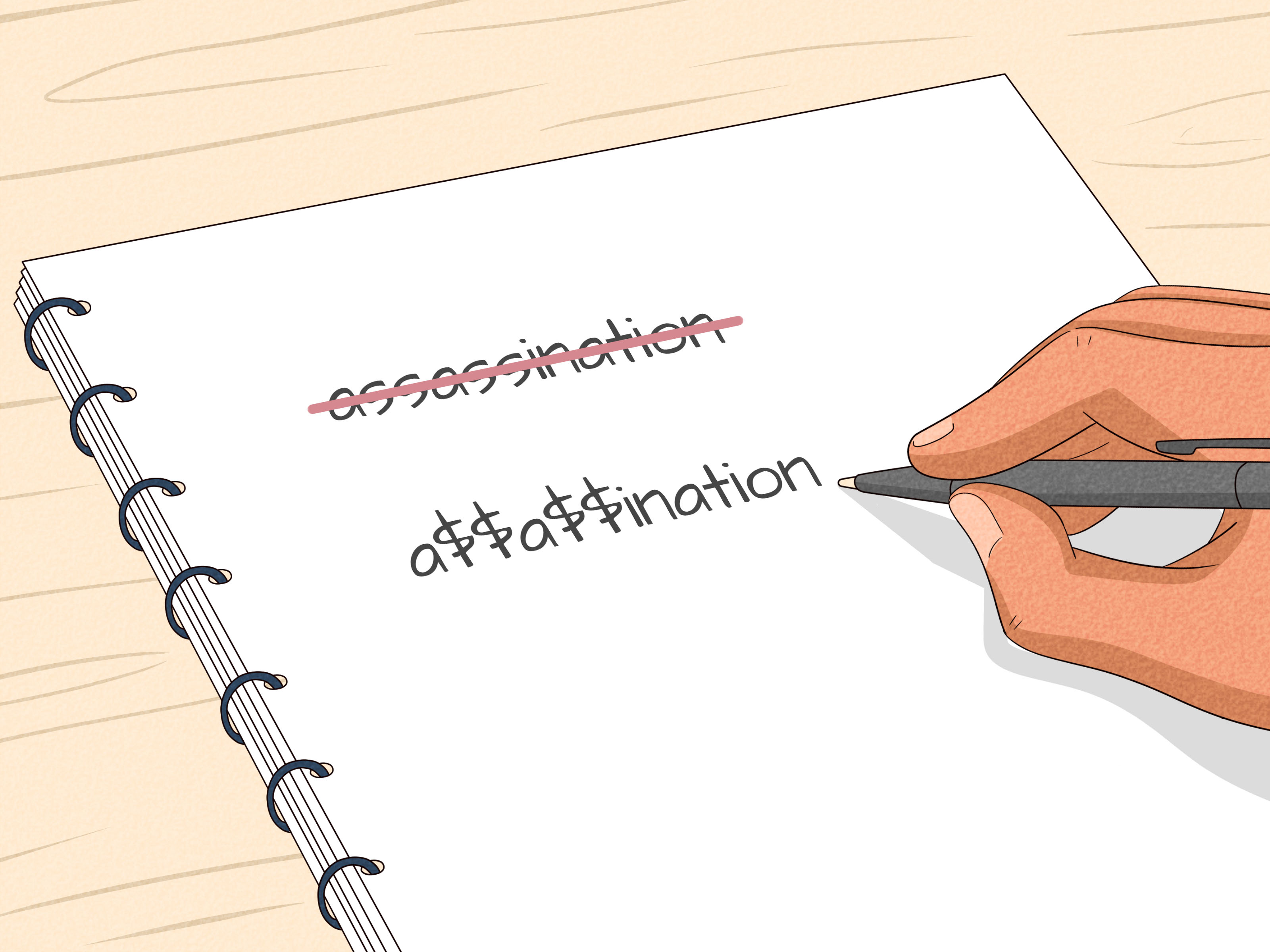
Think of it as digital slang wearing sunglasses and a fake mustache. Instead of saying a sensitive word directly, creators might use a softer phrase, swap letters for numbers, add symbols, or choose a completely different word. “Sex” becomes “seggs.” “Dead” becomes “unalive.” “Pandemic” becomes “panini.” The result is a constantly evolving vocabulary shaped by TikTok, YouTube, Instagram, Facebook, X, advertisers, moderation tools, and creator culture.
Algospeak is not only about censorship. It is also about discoverability, monetization, community identity, and tone. A mental health creator may avoid certain terms because they fear their educational video will be restricted. A comedian may use silly substitutions because they sound funnier. A brand may use softer language to avoid sounding harsh. And yes, sometimes people use algospeak to dodge rules they should not be dodging, which is where the whole thing gets messier than a group chat after midnight.
Why Algospeak Became So Popular
Social platforms moderate massive amounts of content. Because no human team can manually review everything in real time, platforms use automated systems alongside human reviewers. These systems look for signals such as words, images, audio, captions, hashtags, behavior patterns, and user reports. The problem is that language is slippery. A word can be harmful in one context, educational in another, and part of a joke in a third.
Creators noticed that some posts seemed to perform worse when they used direct language about topics like death, sex, drugs, mental health, violence, identity, politics, or controversial news. Whether the cause was automated moderation, advertiser rules, audience sensitivity, platform ranking, or pure creator superstition, the behavior stuck. People began inventing replacements that felt safer, lighter, or more platform-friendly.
How Algospeak Works
1. Letter Swaps and Symbols
Words are altered with numbers, punctuation, or symbols. For example, “sex” may become “s3x,” and “kill” may become “k!ll.” This is one of the simplest forms of algospeak because humans can still read it easily.
2. Euphemisms
A direct word is replaced with a softer or sillier phrase. “Unalive” is the classic example. It can refer to death, suicide, or killing depending on context.
3. Sound-Alike Words
Creators choose words that sound like the original or create a playful phonetic substitute. “Seggs” is a common example for “sex.”
4. Emojis and Visual Clues
Some creators use emojis as stand-ins. The corn emoji, for example, has often been used to imply pornography because “corn” rhymes with “porn.” Internet language: where vegetables did not ask for this career change.
5. Community-Specific Codes
Some terms only make sense inside a particular community. These can help people find each other, but they can also confuse outsiders. That is why algospeak can be useful, funny, exclusionary, or risky depending on how it is used.
Algospeak Examples: 60 Words & Phrases You Need to Know
The following list includes common and widely discussed algospeak examples. Meanings can shift by platform, community, country, and context, so treat this as a practical guide rather than a stone tablet brought down from Mount TikTok.
| No. | Algospeak Term | Common Meaning | Typical Context |
|---|---|---|---|
| 1 | Unalive | Dead, killed, or suicide | Mental health, crime, true crime, commentary |
| 2 | Sewer slide | Suicide | Mental health discussions |
| 3 | SH | Self-harm | Mental health content |
| 4 | Self-h_rm | Self-harm | Caption-safe spelling |
| 5 | ED | Eating disorder | Recovery or wellness content |
| 6 | D3pression | Depression | Mental health posts |
| 7 | Grippy sock vacation | Psychiatric hospital stay | Dark humor, recovery stories |
| 8 | Taking a long nap | Dying or death | Softened discussion of death |
| 9 | Seggs | Sex | Relationship and education content |
| 10 | Shmex | Sex | Humor, dating, adult topics |
| 11 | S3x | Sex | Leetspeak spelling |
| 12 | Corn | Porn | Adult-content references |
| 13 | Corn emoji | Pornography reference | Emoji-based substitution |
| 14 | Spicy eggplant | Adult toy or sexual content | Adult humor |
| 15 | Spicy content | Adult or suggestive content | Creator and platform discussions |
| 16 | Accountant | Sex worker | Creator identity or job euphemism |
| 17 | Nip nops | Nipples | Body and nudity discussions |
| 18 | SA | Sexual assault | Survivor stories, advocacy, news |
| 19 | Grape | Rape | Crime, safety, survivor content |
| 20 | Mascara | Sometimes used to refer to sexual assault or abuse | Context-dependent TikTok slang |
| 21 | Camping | Abortion | Reproductive rights discussions |
| 22 | Panini | Pandemic | COVID-era humor |
| 23 | Panoramic | Pandemic | COVID-era slang |
| 24 | Panda Express | Pandemic | Humorous substitution |
| 25 | Rona | Coronavirus | COVID-related posts |
| 26 | Spicy cough | COVID or a serious cough | Health humor |
| 27 | Vaxx | Vaccine | Health, news, misinformation debates |
| 28 | Jab | Vaccine shot | Vaccine discussions |
| 29 | Le dollar bean | Lesbian | LGBTQ+ content |
| 30 | Leg booty | LGBTQ+ community | Identity-related slang |
| 31 | Alphabet mafia | LGBTQ+ community | Can be affectionate or insulting depending on tone |
| 32 | Cornucopia | Homophobia | Social issues and identity discussions |
| 33 | Yt | White people; also YouTube in other contexts | Race, culture, or platform shorthand |
| 34 | Acoustic | Autistic | Often criticized when used mockingly |
| 35 | ’Tism | Autism | Neurodivergent communities, sometimes jokes |
| 36 | Neurospicy | Neurodivergent | ADHD, autism, identity content |
| 37 | Touch of the ’tism | Autistic traits | Informal neurodivergent slang |
| 38 | Fork | Profanity substitute | Family-friendly humor |
| 39 | Fudge | Profanity substitute | Safer replacement for strong language |
| 40 | H-e-double-hockey-sticks | Hell | Old-school euphemism revived online |
| 41 | H8 | Hate | Shortened or softened spelling |
| 42 | Opposite of love | Hate | Euphemistic phrase |
| 43 | Yahtzee | Nazi | Political or extremism-related discussion |
| 44 | Austrian painter | Adolf Hitler | History, politics, dark humor |
| 45 | Mustache man | Adolf Hitler | Historical or political commentary |
| 46 | Pew pew | Gun or shooting | Crime, news, gaming, safety topics |
| 47 | pews | Firearms | Gun-related discussions |
| 48 | K!ll | Kill | Altered spelling for violence-related topics |
| 49 | D!e | Die | Altered spelling in captions |
| 50 | Ouid | Weed | Drug-related references |
| 51 | Green herb | Marijuana | Softened cannabis language |
| 52 | Lettuce | Weed | Humorous drug euphemism |
| 53 | Snow | Cocaine | Drug references; highly context-dependent |
| 54 | Clock app | TikTok | Platform reference |
| 55 | Bird app | Twitter/X | Platform reference |
| 56 | Gram | Platform shorthand | |
| 57 | Blue app | Platform reference | |
| 58 | Blink in lio | Link in bio | Creator call-to-action |
| 59 | Music festival | Protest or demonstration | Political organizing or news context |
| 60 | PDF file | Pedophile | Safety warnings and crime discussions |
Important Warning: Algospeak Is Not Always Harmless
Algospeak can help people discuss sensitive topics, but it can also blur meaning. That matters. If someone is talking about suicide prevention, abuse, eating disorders, or violence, unclear language can make it harder for people to find help, understand risk, or report harm. A word like “unalive” may make a post feel less heavy, but it may also soften a serious subject too much.
There is also a safety problem. Some communities use coded language to spread harmful material, harassment, misinformation, or exploitation. That is why creators, parents, educators, moderators, and marketers should understand algospeak without glamorizing it. Knowing the code helps people read the room; it does not mean every code deserves a standing ovation.
How Brands and Content Creators Should Handle Algospeak
Use Clear Language When Accuracy Matters
If you are writing about health, safety, legal issues, mental health, finance, or public information, clarity should win. Euphemisms may be useful in a casual caption, but they can be risky in educational content. A reader looking for suicide prevention resources may not search for “sewer slide.” A patient researching depression may not search for “d3pression.” Use plain language where it helps people find accurate information.
Do Not Assume Every Platform Works the Same Way
A phrase that feels necessary on TikTok may be pointless on a blog. A YouTube monetization concern may not apply to an Instagram carousel. A word that seems risky in a video title may be perfectly acceptable inside a well-contextualized article. Algorithms do not operate like one giant robot sitting in a basement pressing a red “NOPE” button. Each platform has its own rules, ranking systems, advertising policies, and review processes.
Match the Audience’s Literacy Level
If your audience is Gen Z, internet-native, or highly active on TikTok, some algospeak may feel natural. If your audience is older, professional, or searching for serious guidance, too much coded language can create confusion. The best SEO content does not simply chase slang; it helps readers understand the topic faster.
Never Use Algospeak to Hide Harm
Using softer language to make a post more readable is different from using coded language to conceal abuse, harassment, threats, scams, or dangerous advice. Responsible creators should avoid turning algospeak into a loophole machine. If a topic requires sensitivity, add context, warnings, resources, and clear explanations.
Algospeak and SEO: Should You Use These Words in Blog Content?
For SEO, algospeak is useful as a topic, not always as a main writing style. People search for terms like “what does unalive mean,” “algospeak examples,” “TikTok slang words,” and “social media coded language.” That means an article can rank by explaining the words clearly. However, if you replace too many normal terms with coded terms, search engines may struggle to understand the page, and readers may bounce faster than a cat from a cucumber.
The best approach is to include both the algospeak term and the direct meaning. For example, write “unalive, a slang term often used for death or suicide,” instead of using “unalive” alone. This helps search engines, improves accessibility, and makes the article more useful for readers who are not fluent in TikTok dialect.
Common Mistakes People Make With Algospeak
Mistake 1: Thinking Every Weird Word Is Algospeak
Not all slang is algospeak. Some words are just memes, jokes, regional slang, or community phrases. Algospeak usually has a purpose: avoiding perceived moderation, softening sensitive language, preserving monetization, or keeping content discoverable.
Mistake 2: Treating Meanings as Universal
One term can mean different things in different communities. “Yt” can mean “white” in one context and “YouTube” in another. “Mascara” can refer to makeup, a relationship, or something much darker depending on the post. Context is not optional; it is the whole sandwich.
Mistake 3: Using Coded Language in Serious Help Content
If your goal is to provide support, clarity matters. When writing about mental health, abuse, or emergency situations, use direct, respectful language and provide resources where appropriate. Algospeak can be mentioned, but it should not replace clear guidance.
Mistake 4: Stuffing Slang for Traffic
Yes, slang can attract clicks. No, your article should not sound like a confused brand intern trapped inside a TikTok comment section. Use algospeak examples naturally, explain them well, and keep the writing human.
Experiences Related to Algospeak: What Creators, Readers, and Brands Notice
In real content workflows, algospeak often appears after creators feel burned by a platform. A creator posts a thoughtful video about mental health, sees it get limited reach, and wonders whether one word caused the problem. Next time, they change “suicide” to “unalive,” “depression” to “d3pression,” and “self-harm” to “SH.” Did the substitutions actually help? Sometimes maybe. Sometimes the video performs better for completely unrelated reasons, such as timing, watch retention, comments, or topic interest. But once a creator believes the language helped, the habit spreads.
For readers, the experience can be mixed. Younger audiences may understand algospeak instantly and even appreciate the softer tone. It can make a painful topic feel less frightening to discuss. A phrase like “grippy sock vacation,” for example, can create a little emotional distance around psychiatric hospitalization. That distance may help someone tell their story without feeling exposed. Humor can be a bridge, especially when people are discussing experiences that are heavy, stigmatized, or difficult to say out loud.
But the same coded language can confuse people who need clarity. A parent may not know what “sewer slide” means. A teacher may miss a warning sign. A moderator may misunderstand a post. A searcher looking for help may not find the right resources because the words have been softened into internet fog. This is the core tension of algospeak: it can make speech feel safer, but it can also make meaning less visible.
Brands experience another version of the same problem. Social media managers often want to sound current, but algospeak can age quickly. A phrase that feels funny today may feel painfully outdated next month. Worse, some coded words are tied to trauma, identity, violence, or discrimination. Using them casually in a brand caption can make a company look tone-deaf. Before using algospeak, brands should ask three questions: Does our audience understand it? Does it fit the topic? Could it trivialize something serious?
Writers and SEO editors have a practical advantage: they can explain algospeak without depending on it. A blog post can define “seggs,” “unalive,” “corn,” and “le dollar bean” in plain English while still maintaining a professional tone. This is especially helpful for parents, educators, marketers, journalists, and casual internet users who keep seeing strange words online and wondering whether they accidentally missed a secret meeting.
The biggest lesson from observing algospeak is that language adapts under pressure. When people feel watched by algorithms, they do not stop talking; they invent side doors. Some of those side doors are creative. Some are silly. Some are necessary for community survival. Some are harmful. The smartest response is not panic or blind imitation. It is literacy. Learn the terms, understand the context, use clear language when stakes are high, and remember that the best content still serves humans first. Algorithms may shape the room, but people are still the ones trying to have the conversation.
Conclusion
Algospeak is one of the clearest signs that social media is changing how people write, speak, search, joke, organize, and share sensitive experiences. From “unalive” and “seggs” to “panini,” “clock app,” and “music festival,” these coded phrases reveal a constant negotiation between human expression and platform control.
For casual users, learning algospeak helps decode the internet. For creators, it offers insight into audience behavior and platform anxiety. For brands, it is a reminder that sounding current requires care, not just slang seasoning dumped on top like digital parmesan. And for SEO writers, algospeak is a valuable topic because it connects language, technology, culture, safety, and search intent in one surprisingly strange package.
The rule of thumb is simple: understand algospeak, explain it clearly, and use it responsibly. When the topic is serious, choose clarity. When the tone is playful, use judgment. And when the internet invents another bizarre replacement word tomorrow morning, congratulationsyou are now emotionally prepared.