

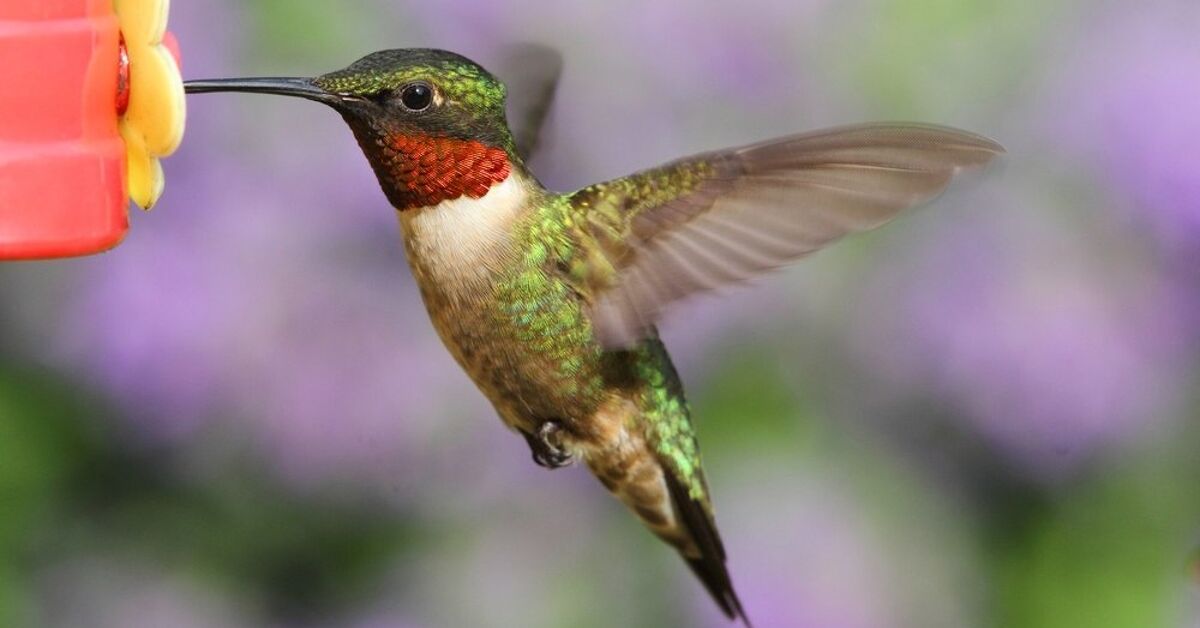
Want hummingbirds in your yard without buying another plastic gadget that promises “premium nectar delivery technology”? Good news: you can make a safe, simple hummingbird feeder with household materials you probably already have. A small jar, a clean plastic container, some string, and a little patience can become a backyard snack station for one of nature’s tiniest flying jewels.
Hummingbirds may look like glitter with wings, but they are serious athletes. Their wings beat incredibly fast, their hearts work overtime, and they need frequent fuel. A homemade hummingbird feeder can help provide quick energy during migration, nesting season, and hot summer daysif it is made and maintained correctly.
This guide explains how to make a hummingbird feeder with household materials, how to prepare safe hummingbird nectar, where to hang your feeder, how to clean it, and which common DIY mistakes to avoid. The goal is not just to attract hummingbirds. The goal is to attract them safely, so your backyard becomes a tiny five-star fuel stop instead of a questionable roadside diner.
Why Make a DIY Hummingbird Feeder?
A DIY hummingbird feeder is inexpensive, fun, and surprisingly practical. Store-bought feeders work well, but homemade versions are perfect if you want to reuse items, reduce waste, or create a simple nature project with kids. The best homemade hummingbird feeder does not need to be fancy. In fact, simple is usually better because hummingbird feeders must be cleaned often.
Many experienced bird lovers prefer smaller feeders because nectar spoils quickly. A giant feeder may look impressive, but unless your yard is hosting a hummingbird convention, much of that sugar water may sit too long. A small feeder made from a clean jar or lidded container is easier to empty, scrub, refill, and monitor.
Another advantage is flexibility. You can test different spots in your yard, adjust the feeder height, or make several small feeders to reduce territorial battles. Hummingbirds are adorable, but they can behave like tiny feathered dragons when guarding a food source. Spacing multiple feeders apart helps more birds feed peacefully.
What Hummingbirds Actually Need from a Feeder
Before grabbing scissors and string, it helps to understand what a hummingbird feeder must do. A safe feeder should hold fresh nectar, offer small feeding ports, avoid leaks, be easy to clean, and keep the nectar away from paint, glue, rust, or unsafe materials.
Hummingbirds are attracted to red, orange, and bright flower-like colors, but the nectar itself should stay clear. Red dye is unnecessary and should not be used. A red lid, red ribbon, red plastic flower, or red tape on the outside of the feeder is enough to catch their attention.
The safest homemade nectar is a simple mixture of refined white granulated sugar and water. Do not use honey, brown sugar, raw sugar, powdered sugar, artificial sweeteners, fruit juice, sports drinks, or “whatever syrup is in the pantry looking lonely.” Hummingbirds need a clean sucrose solution that resembles natural flower nectar.
Household Materials You Can Use
You can make a hummingbird feeder from several common household items. Choose materials that are food-safe, easy to wash, and sturdy enough to hang outdoors.
Basic Materials
- A small clean glass jar, plastic food container, or shallow deli cup with a tight lid
- Red plastic lid, red tape, red ribbon, or a red plastic folder for attraction
- String, twine, wire, or a reusable hanging chain
- A nail, pushpin, small drill bit, or heated metal skewer for making tiny holes
- Scissors or craft knife
- White granulated sugar
- Water
- Small bottle brush or clean toothbrush for scrubbing
- White vinegar for cleaning
Best Container Choices
A shallow, lidded plastic container is one of the easiest options because it acts like a saucer feeder. The nectar sits below the lid, and the bird drinks through small holes. A small mason jar can also work well, especially if you create a removable red lid insert. Avoid containers that previously held chemicals, cleaners, oils, or strong-smelling foods. Hummingbirds do not want garlic-scented nectar. Nobody does.
Glass is durable and easy to sanitize, but it can be heavier. Plastic is lightweight, but it should be replaced if it cracks, clouds, warps, or develops scratches that trap grime. Whatever you use, make sure every part touching nectar can be scrubbed thoroughly.
DIY Option 1: The Simple Saucer-Style Hummingbird Feeder
This is the easiest homemade hummingbird feeder for beginners. It uses a small plastic food container with a tight red or brightly colored lid. If the lid is not red, decorate only the outside with red tape or red plastic.
Step 1: Wash the Container Thoroughly
Clean the container and lid with hot water and a small amount of dish soap. Rinse very well. Any soap residue can affect nectar quality, so rinse like you are preparing a bottle for a very picky baby birdwhich, in a way, you are.
Step 2: Make Feeding Ports
Use a pushpin, nail, or small drill bit to make three to five tiny holes in the lid. Each hole should be small enough to reduce dripping but large enough for a hummingbird’s long tongue to reach the nectar. A hole around 1/8 inch is a practical starting point. Smooth any rough edges so birds do not scrape their bills.
Step 3: Add Red Visual Cues
If your lid is already red, you are ahead of the game. If not, attach red tape, red ribbon, or flower-shaped pieces cut from a red plastic folder to the outside top of the lid. Do not place paint, marker ink, glue, or loose craft materials where they can touch nectar.
Step 4: Create a Hanger
Poke two or three small holes near the rim of the container, above the nectar line. Thread string or thin wire through the holes to create a balanced hanging loop. Test the feeder over the sink first. If it tilts like a canoe in a storm, adjust the strings until it hangs level.
Step 5: Fill and Hang
Pour in a small amount of cooled nectar, snap the lid tightly into place, and hang the feeder in a shaded, visible area. Start with only a little nectar. Fresh is better than full. Hummingbirds would rather have a clean sip than a week-old sugar swamp.
DIY Option 2: Mason Jar Hummingbird Feeder
A small mason jar can become a charming hummingbird feeder with a lid insert and hanging band. Use a 4-ounce or 8-ounce jar if possible. Smaller jars are easier to keep fresh and lighter to hang.
Step 1: Prepare the Jar
Wash the jar and lid band thoroughly. If the jar has lingering food odors, soak it in hot water and vinegar, then rinse well. Avoid jars that held pickles, salsa, or anything with a smell strong enough to introduce itself from across the room.
Step 2: Make a Red Lid Insert
Trace the metal lid onto a piece of red plastic folder or food-safe plastic lid. Cut out the circle so it fits inside the mason jar band. Make several tiny feeding holes in the plastic insert. The insert should sit securely under the band without sharp edges.
Step 3: Add Nectar and Assemble
Fill the jar only partway with cooled hummingbird nectar. Place the red insert over the mouth of the jar, screw on the band, and turn the jar gently to check for leaks. If it drips heavily, the holes may be too large or the seal may be uneven.
Step 4: Hang Securely
Use a mason jar hanger, strong twine, or wire cradle to suspend the jar. The feeder should not swing wildly in the wind. Hummingbirds are excellent flyers, but nobody enjoys lunch on a carnival ride.
How to Make Safe Hummingbird Nectar
The best hummingbird nectar recipe is simple: 1 part white granulated sugar to 4 parts water. For a small homemade feeder, mix 1/4 cup sugar with 1 cup water. For a larger batch, mix 1 cup sugar with 4 cups water.
Safe Nectar Recipe
- Bring water to a boil or heat it until very hot.
- Stir in white granulated sugar until fully dissolved.
- Let the nectar cool completely to room temperature.
- Fill the feeder with only the amount birds can drink within a day or two.
- Store extra nectar in the refrigerator for up to one week.
Never add red dye. Never use honey. Never use brown sugar, raw sugar, molasses, maple syrup, corn syrup, powdered sugar, stevia, or artificial sweetener. These can spoil quickly, encourage harmful growth, or provide the wrong type of nutrition. Hummingbirds may be tiny, but they deserve better than a science experiment in a jar.
Where to Hang a Homemade Hummingbird Feeder
Placement matters. Hang your DIY hummingbird feeder where birds can find it, but where nectar will not spoil too quickly. Partial shade is ideal, especially in hot weather. Direct afternoon sun can heat the nectar and speed fermentation.
Good locations include near flowering plants, beside a porch, under a small tree branch, or near shrubs where hummingbirds can perch and rest. Keep feeders away from outdoor cats, heavy foot traffic, and windows where collisions may happen. If you hang a feeder near a window for viewing, place it very close to the glass or far enough away to reduce impact risk.
If bees or ants become a problem, move the feeder, clean sticky residue, and consider adding an ant moat above the hanger. Avoid spraying pesticides around the feeder. Hummingbirds also eat tiny insects and spiders, so a healthy yard should not be treated like a bug-free showroom.
How Often to Clean a Hummingbird Feeder
Cleaning is the part of hummingbird feeding that separates responsible backyard birding from “oops, I made a mold café.” Sugar water spoils quickly, especially in warm weather. In hot conditions, change nectar daily or every other day. In cooler weather, every two to three days may be acceptable, but the feeder should always be checked for cloudiness, floating debris, mold, or sour smell.
Basic Cleaning Routine
- Empty old nectar completely.
- Disassemble the feeder as much as possible.
- Scrub all surfaces with hot water and a small brush.
- Use a vinegar-water solution for deeper cleaning.
- Rinse thoroughly until no smell remains.
- Air-dry before refilling.
For homemade feeders, pay special attention to holes, rims, string holes, and any grooves around the lid. If you cannot reach a part to clean it, redesign the feeder. A cute feeder that cannot be cleaned is not cute. It is just a tiny health hazard wearing a craft-store disguise.
Common DIY Hummingbird Feeder Mistakes to Avoid
Using Red Dye in Nectar
Red dye is unnecessary. Hummingbirds are attracted by red feeder parts and nearby flowers, not by artificially colored sugar water. Keep the nectar clear and decorate the outside instead.
Making the Nectar Too Sweet
A stronger sugar mixture is not better. The standard 1:4 ratio is widely recommended because it resembles natural nectar and supports safe feeding. Too much sugar can be harder for birds to digest and may attract more insects.
Forgetting to Clean the Feeder
This is the biggest mistake. Mold and fermentation can develop quickly. If you do not want to clean a feeder every couple of days, choose native flowers instead. Plants do the cleaning themselves, which is very considerate of them.
Using Unsafe Glue or Paint
Do not let glue, paint, marker ink, glitter, or craft foam touch the nectar. If you decorate, keep decorations outside the feeding area. Choose materials that will not peel, leak color, or shed tiny pieces.
Making Sharp Feeding Holes
Rough plastic or metal edges can injure birds. Smooth every feeding port carefully. If the lid cracks while you are making holes, replace it.
How to Make Your Yard More Attractive to Hummingbirds
A feeder is helpful, but the best hummingbird habitat combines fresh nectar, native flowers, shelter, water, and insects. Hummingbirds love tubular flowers because their long bills and tongues are built for sipping deep nectar. Consider planting bee balm, cardinal flower, trumpet honeysuckle, salvia, columbine, penstemon, or other regionally appropriate native plants.
Native plants also support small insects, which hummingbirds need for protein. A hummingbird cannot live on sugar alone, no matter how strongly it gives “dessert-first” energy. Avoid broad pesticide use, leave some natural cover, and provide perching spots near the feeder.
Water can also help. Hummingbirds may visit misters, gentle drippers, or shallow moving water. They often prefer fine spray over deep birdbaths. Think spa mist, not swimming pool.
Troubleshooting Your Homemade Hummingbird Feeder
If the Feeder Leaks
Check whether the lid is tight, the holes are too large, or the feeder is tilted. Saucer-style feeders usually leak less than inverted bottle designs. Keep the feeder level and out of strong wind.
If Ants Find It
Clean the outside of the feeder, move it to a new location, and use an ant moat if possible. Do not smear sticky substances where birds could touch them. Anything that can get on feathers can interfere with flight and insulation.
If Bees Take Over
Move the feeder temporarily, reduce leaks, keep the outside clean, and avoid yellow decorations, which may attract bees. Red visual cues are better for hummingbirds.
If No Hummingbirds Come
Be patient. It may take days or weeks for birds to discover a new feeder. Hang it near flowers, keep nectar fresh, and maintain a consistent location during migration season. Once one hummingbird finds it, others may followunless the first bird decides to become the neighborhood sugar-water landlord.
Experience Notes: What Making a Household Hummingbird Feeder Teaches You
Making a hummingbird feeder from household materials sounds like a quick craft, and it can be, but the real lesson begins after you hang it outside. The first thing you learn is that hummingbirds notice details. A feeder placed in full blazing sun may be ignored, while the same feeder moved a few feet into gentle shade suddenly becomes interesting. A red lid can work better than a clear one. A nearby perch can make the feeder more inviting. It feels less like decorating and more like negotiating with a tiny winged inspector.
The second experience is realizing how important routine becomes. At first, cleaning every day or two may seem excessive. Then you see how fast nectar can cloud in hot weather, and suddenly the cleaning schedule makes perfect sense. A homemade feeder teaches responsibility because you cannot simply fill it and forget it. You become the manager of a very small restaurant with very fast customers. The menu has one item, the tables are outside, and the health department is your own conscience.
Another useful discovery is that smaller feeders are often better. Many beginners assume a bigger feeder means more birds, but a large container can waste nectar if only one or two hummingbirds visit. A small jar or shallow container encourages frequent refilling, which keeps nectar fresh. It also lets you experiment. You can make two or three small feeders and place them in different spots around the yard. This helps reduce fighting and gives shy birds a chance to feed away from the bossy one who thinks every flower, branch, and sugar molecule belongs to him.
You also learn that homemade does not mean careless. The safest DIY feeder is not the most decorative one; it is the one that can be cleaned easily. Complicated bottle designs may look beautiful, but if the inside cannot be scrubbed, the design is not practical. Smooth holes, tight lids, stable hanging loops, and simple parts matter more than glitter, paint, or elaborate decorations. Hummingbirds are not judging your craft skills. They are judging whether the feeder is safe, fresh, and easy to drink from.
Perhaps the best experience is the first visit. A hummingbird may appear suddenly, hover in front of the feeder, sip for a few seconds, and vanish like a magic trick with feathers. That tiny moment makes the effort worth it. You start noticing migration timing, flower blooms, weather changes, and insect activity. A simple household feeder becomes a doorway into backyard ecology. It reminds you that helping wildlife does not always require expensive equipment. Sometimes it starts with a clean jar, a little sugar water, and the willingness to wash dishes for birds that will never thank youbut will absolutely come back for seconds.
Conclusion
Learning how to make a hummingbird feeder with household materials is a rewarding way to reuse everyday items while supporting backyard wildlife. The key is to keep the design simple, safe, and easy to clean. Use a small jar or lidded container, add red color only to the outside, prepare nectar with 1 part white sugar and 4 parts water, and clean the feeder frequently.
A homemade hummingbird feeder should never rely on red dye, honey, artificial sweeteners, unsafe glue, or hard-to-scrub parts. When in doubt, choose the design that is easiest to wash. Add native flowers, provide shade, avoid pesticides, and your yard becomes much more than a feeding station. It becomes a tiny rest stop for one of the most energetic birds in North America.
Note: This article is based on synthesized guidance from reputable U.S. birding, wildlife, university-extension, and conservation resources. Source links are intentionally omitted for clean web publishing.