

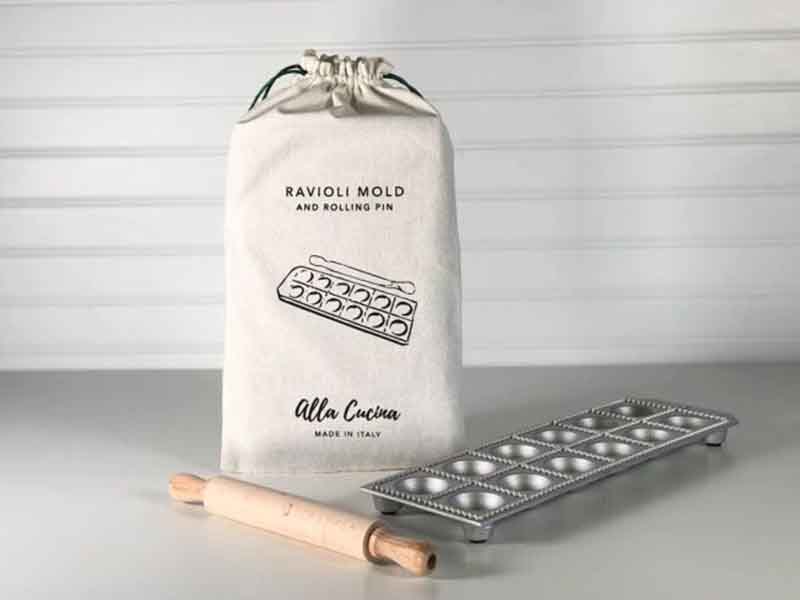
Homemade ravioli has a funny way of making people feel both wildly ambitious and suspiciously underqualified. One minute you are imagining a cozy Italian kitchen, golden light, flour on the counter, and a bowl of ricotta waiting patiently. The next minute, you are staring at a pasta sheet wondering whether you are making dinner or trying to wallpaper a dollhouse. That is exactly where the Italian 12-piece Ravioli Mold With Roller earns its place on the counter.
This simple pasta tool is designed to shape, seal, and cut multiple ravioli at once. Instead of forming every piece by hand, you place a sheet of pasta over the mold, add filling to each cavity, cover it with another pasta sheet, and roll across the top. The mold does the measuring. The roller applies the pressure. You get neat, consistent ravioli without needing the calm hands of a nonna who has been doing this since 1948.
For home cooks who love fresh pasta, this tool hits a sweet spot. It is not an expensive electric machine. It does not need an app, a charging cable, or emotional support. It is a classic, hands-on kitchen accessory that helps turn flour, eggs, cheese, vegetables, meat, and herbs into little edible pillows. And yes, “edible pillows” is probably the most accurate description of good ravioli ever written.
What Is an Italian 12-piece Ravioli Mold With Roller?
An Italian 12-piece ravioli mold with roller is a compact manual pasta-making tool that helps create twelve ravioli in one batch. Most versions include a metal mold and a small wooden rolling pin. The mold has shaped cavities that hold the filling and raised edges that help cut and seal the pasta when pressure is applied.
The design is wonderfully low-tech. A thin pasta sheet goes down first. The filling goes into the wells. A second sheet covers everything. Then the roller is passed over the surface until the edges cut through and the ravioli separate. The result is a dozen uniform pieces that cook evenly and look far more polished than the “rustic blob method,” which is charming only when served with confidence and a lot of Parmesan.
Common Features
While exact specifications vary by brand, many Italian-style 12-piece ravioli molds include these practical features:
- 12-cavity layout: Makes a full batch of ravioli at one time.
- Aluminum or die-cast metal mold: Provides a firm surface for shaping and cutting pasta.
- Wooden roller: Helps press the pasta sheets into the cutting ridges.
- Non-slip feet: Keeps the mold steadier while rolling.
- Compact footprint: Easier to store than large pasta machines or attachments.
- Hand-wash care: Most metal-and-wood ravioli molds are best cleaned manually and dried thoroughly.
Why a Ravioli Mold Is Worth Having
Making ravioli by hand is absolutely possible without a mold. You can use a knife, pastry wheel, drinking glass, cookie cutter, or your most optimistic kitchen instincts. But a ravioli mold offers one major advantage: consistency. Each piece comes out close in size, which helps the pasta cook evenly and makes plating easier.
Consistency matters because ravioli is a balancing act. The pasta needs to be thin enough to feel delicate but strong enough to hold filling. The filling needs to be generous but not so enthusiastic that it escapes during boiling like a tiny cheese volcano. A mold gives structure to the process and reduces guesswork.
For beginners, that structure is comforting. For experienced cooks, it saves time. For anyone hosting dinner, it helps prevent the awkward moment when one guest gets a beautiful raviolo and another gets what appears to be a sealed envelope from a flour-based tax office.
How to Use an Italian 12-piece Ravioli Mold With Roller
The method is simple, but small details make a big difference. Great ravioli depends on dough thickness, filling texture, sealing pressure, and moisture control. Here is a reliable step-by-step approach.
1. Prepare a Smooth Pasta Dough
A classic egg pasta dough made with flour, eggs, a pinch of salt, and sometimes a little olive oil works beautifully. The dough should be kneaded until smooth and elastic, then rested before rolling. Resting relaxes the gluten, making the dough easier to stretch without snapping back like a rubber band with opinions.
If the dough feels sticky, dust it lightly with flour. If it feels dry or cracked, knead in a few drops of water. The goal is a pasta sheet that is flexible, thin, and strong enough to wrap around the filling.
2. Roll the Pasta Thin
Thin pasta is essential for good ravioli. If the sheet is too thick, the finished ravioli may taste doughy and heavy. If it is too thin, the filling may tear through. A pasta machine makes this easier, but a rolling pin can work if you have patience and a counter that does not mind being dusted like the first snowfall of winter.
For mold-style ravioli, aim for a sheet thin enough to drape slightly into the cavities but not so thin that it becomes fragile. Many home cooks find success with a pasta sheet that is close to the thinner settings on a hand-crank pasta roller.
3. Dust the Mold Lightly
Before laying down the pasta sheet, dust the mold with flour or semolina. This prevents sticking and helps the finished ravioli release cleanly. Do not overdo it, though. Too much flour can dry out the edges and interfere with sealing.
4. Lay the First Sheet Over the Mold
Place one sheet of pasta over the ravioli mold. Gently press the dough into the cavities using your fingers or the rounded side of the mold if your set includes one. Avoid stretching the dough aggressively. You want shallow wells, not pasta hammocks under stress.
5. Add the Filling
Use a teaspoon or piping bag to add filling to each cavity. A piping bag gives the neatest results, especially with soft fillings like ricotta and spinach, mushroom, squash, or meat mixtures. Keep the filling centered and avoid overfilling. This is the moment where restraint becomes a culinary virtue.
A good filling should be flavorful and fairly thick. Watery filling can weaken the pasta and cause leaks. If using ricotta, drain it first if it seems wet. Cooked greens should be squeezed dry. Mushrooms should be sautéed until their moisture evaporates. Ravioli filling should not behave like soup wearing a pasta costume.
6. Seal With the Second Sheet
Lay another thin sheet of pasta over the filled mold. Press gently around the cavities to remove air pockets. Air trapped inside ravioli can expand during cooking and cause bursting. A little water or egg wash can help the edges seal, especially if the dough has dried slightly.
7. Roll to Cut and Seal
Run the wooden roller firmly across the top of the mold. The raised metal ridges press the pasta sheets together, cut the shapes, and define the edges. Roll in multiple directions if needed, using steady pressure rather than brute force. This is pasta making, not furniture assembly.
8. Release the Ravioli
Turn the mold over gently or lift the pasta sheet away. The ravioli should separate along the cut edges. If they resist, use a small knife or pastry wheel to help release them. Place the ravioli on a lightly floured tray or parchment-lined baking sheet while you continue working.
Best Fillings for a 12-piece Ravioli Mold
The beauty of ravioli is that it welcomes creativity. A 12-piece mold works especially well with smooth, cohesive fillings that can be portioned cleanly. Here are some excellent options.
Ricotta and Spinach
This is the classic for a reason. Ricotta brings creaminess, spinach adds color and earthiness, and Parmesan or pecorino adds salty depth. Add nutmeg, black pepper, and lemon zest for brightness.
Four-Cheese Filling
Ricotta, mozzarella, Parmesan, and fontina create a rich, melty filling. This works especially well with tomato sauce, brown butter, or a simple olive oil and basil finish.
Mushroom and Herb
Sauté mushrooms until deeply browned, then mix with ricotta, garlic, thyme, parsley, and grated cheese. The result tastes earthy and elegant without requiring a culinary degree or a dramatic Italian accent.
Butternut Squash
Roasted butternut squash with Parmesan, sage, and a pinch of nutmeg makes a sweet-savory filling that pairs beautifully with brown butter and toasted walnuts.
Meat Ravioli
Ground beef, pork, sausage, chicken, or braised meat can be used as long as the mixture is finely chopped and not greasy. A dry, cohesive filling is easier to seal and less likely to leak.
Best Sauces for Homemade Ravioli
Fresh ravioli does not need a sauce that arrives with a marching band. Because the pasta and filling are already the stars, simple sauces often work best.
- Tomato basil sauce: Bright, classic, and reliable.
- Brown butter and sage: Excellent with squash, cheese, and mushroom fillings.
- Cream sauce: Rich and comforting, especially with spinach or cheese ravioli.
- Garlic butter: Fast, fragrant, and weeknight-friendly.
- Brodo: Serving ravioli in broth creates a cozy, elegant dish.
- Pesto: Adds herbal punch without overwhelming the pasta.
Cooking Tips for Fresh Ravioli
Fresh ravioli cooks faster than dried pasta. Bring a large pot of salted water to a gentle boil, then lower the ravioli in carefully. A rolling, aggressive boil can jostle delicate pasta and cause seams to open. Stir gently so the pieces do not stick to the bottom.
Most fresh ravioli cook in just a few minutes. They often float when nearly done, but floating is not the only test. Taste one to check the texture. The pasta should be tender with a pleasant bite, and the filling should be warmed through.
Use a slotted spoon or spider strainer to remove ravioli instead of dumping them into a colander. Fresh stuffed pasta deserves gentle treatment. It has been through enough.
Common Mistakes to Avoid
Overfilling the Cavities
Too much filling makes ravioli hard to seal. It can also burst during cooking. Keep portions modest and centered.
Using Wet Filling
Moisture is the enemy of clean ravioli. Drain ricotta, squeeze cooked greens, and cook vegetables until excess water evaporates.
Letting Pasta Sheets Dry Out
Fresh pasta dries quickly. Keep unused dough covered with a towel or plastic wrap while working.
Skipping the Air-Pocket Check
Press around the filling before rolling to remove trapped air. Air pockets can expand in hot water and split the pasta.
Washing the Mold in the Dishwasher
Many aluminum molds and wooden rollers should be hand washed only. Let stuck pasta dry, brush it off, wipe the tool clean, and dry thoroughly before storing.
How the 12-piece Mold Compares With Other Ravioli Tools
A single ravioli stamp gives maximum flexibility. You can place filling exactly where you want and stamp one piece at a time. It is great for small batches and decorative shapes, but slower if you want dinner for several people.
A ravioli wheel is inexpensive and versatile, but it requires more measuring and hand sealing. A pasta machine attachment can be fast, but it costs more and may take practice to use smoothly. The 12-piece ravioli mold with roller sits in the middle: affordable, compact, consistent, and beginner-friendly.
It is especially useful for cooks who enjoy making pasta occasionally and want reliable results without turning the kitchen into a restaurant production line. You still get the hands-on pleasure of fresh pasta, but with fewer uneven pieces and less “why did I start this at 7 p.m.?” regret.
Care and Storage
To keep the mold in good condition, avoid soaking it for long periods. Metal molds can discolor, and wooden rollers can warp if left wet. After use, allow any stuck dough to dry, then brush it away. Wipe the mold with a damp cloth if needed and dry it completely.
Store the mold and roller together so the roller does not vanish into the mysterious drawer where measuring spoons go to retire. If your set includes a fabric bag, use it to protect the pieces from scratches and dust.
Who Should Buy an Italian 12-piece Ravioli Mold With Roller?
This tool is a smart choice for anyone who wants to make homemade ravioli without overcomplicating the process. It is ideal for home cooks, pasta beginners, gift shoppers, date-night chefs, and families who want a fun weekend cooking project.
It is also a strong option for people who already own a pasta roller. The pasta roller handles the sheets, while the ravioli mold handles the shaping. Together, they make a small but mighty pasta station. Add a bowl of filling, a little flour, and a soundtrack that makes you feel like you live above a trattoria, and you are in business.
Buying Checklist
Before buying an Italian 12-piece ravioli mold with roller, consider these points:
- Choose a sturdy metal mold with clean cutting ridges.
- Look for a comfortable wooden roller that fits the mold width.
- Check whether the mold has rubber feet for stability.
- Confirm the ravioli size matches your preferred portions.
- Review care instructions, especially whether it is hand wash only.
- Make sure the mold is easy to store in your kitchen.
Kitchen Experience: Using the Italian 12-piece Ravioli Mold With Roller in Real Life
The first thing you notice when using an Italian 12-piece ravioli mold with roller is that it makes homemade pasta feel organized. Without a mold, ravioli making can become a charming mess: flour drifting across the counter, filling landing slightly off-center, and edges that look like they were sealed during a minor earthquake. With the mold, the process has lanes. Each cavity tells you where the filling belongs, and the roller gives the final step a satisfying sense of purpose.
A good first batch usually starts with ricotta and spinach because the filling is soft, familiar, and forgiving. The key lesson comes quickly: use less filling than your heart wants. Your heart may want a heroic mound of cheese. The mold wants a polite teaspoon. Trust the mold. Overfilled ravioli may look generous at first, but once the second pasta sheet goes on, the edges struggle to seal and the whole operation gets dramatic.
The roller is the most satisfying part. As it moves across the top, you can feel the ridges cutting and sealing the pasta. There is a small moment of suspense when you lift the sheet or flip the mold. When the ravioli release cleanly, it feels like a tiny kitchen victory. Not a “won a marathon” victory, but definitely a “look, I made twelve beautiful pasta parcels and nobody cried” victory.
The second batch usually goes better than the first. You learn to flour the mold lightly, not heavily. You learn to press air out before rolling. You learn that pasta sheets should be thin but not fragile. You learn that a piping bag makes filling faster and cleaner than a spoon. You also learn that fresh ravioli should be cooked gently, because boiling them like potatoes is a quick way to turn dinner into pasta confetti.
One of the best experiences with this tool is making ravioli with other people. It turns dinner into an activity. One person rolls pasta, one pipes filling, one seals, and one stands nearby offering “quality control,” which usually means eating cheese from the bowl. Children can help with flouring and rolling, while adults handle the boiling water. It is interactive, a little messy, and much more memorable than opening a box of frozen ravioli.
The mold is also helpful for experimenting. Once you understand the rhythm, you can try squash and sage, mushroom and Parmesan, lemon ricotta, sausage and fennel, or even leftover roasted vegetables. The 12-piece format encourages small creative batches. You can make one tray of classic cheese and another tray of something adventurous without committing to a mountain of pasta.
After several uses, the biggest takeaway is simple: this tool does not remove the handmade feeling. It improves it. You still roll the dough, choose the filling, smell the sauce, and dust flour off your shirt later. The mold simply helps the ravioli look as good as they taste. In a home kitchen, that is a pretty wonderful trade.
Conclusion
The Italian 12-piece Ravioli Mold With Roller is a practical, charming, and genuinely useful tool for anyone who wants to make homemade ravioli with less guesswork. It gives structure to the process, helps create uniform pieces, and makes fresh stuffed pasta feel approachable rather than intimidating.
It will not knead your dough, cook your sauce, or clean the counter afterward. Sadly, science has not yet delivered that level of pasta luxury. But it will help you shape, seal, and cut twelve ravioli at a time with satisfying consistency. For home cooks who love Italian food, weekend projects, and kitchen tools that actually earn their drawer space, this mold is a delicious little investment.
Note: This article is based on synthesized product information and practical pasta-making guidance. Always follow the care instructions included with your specific ravioli mold and roller set.