

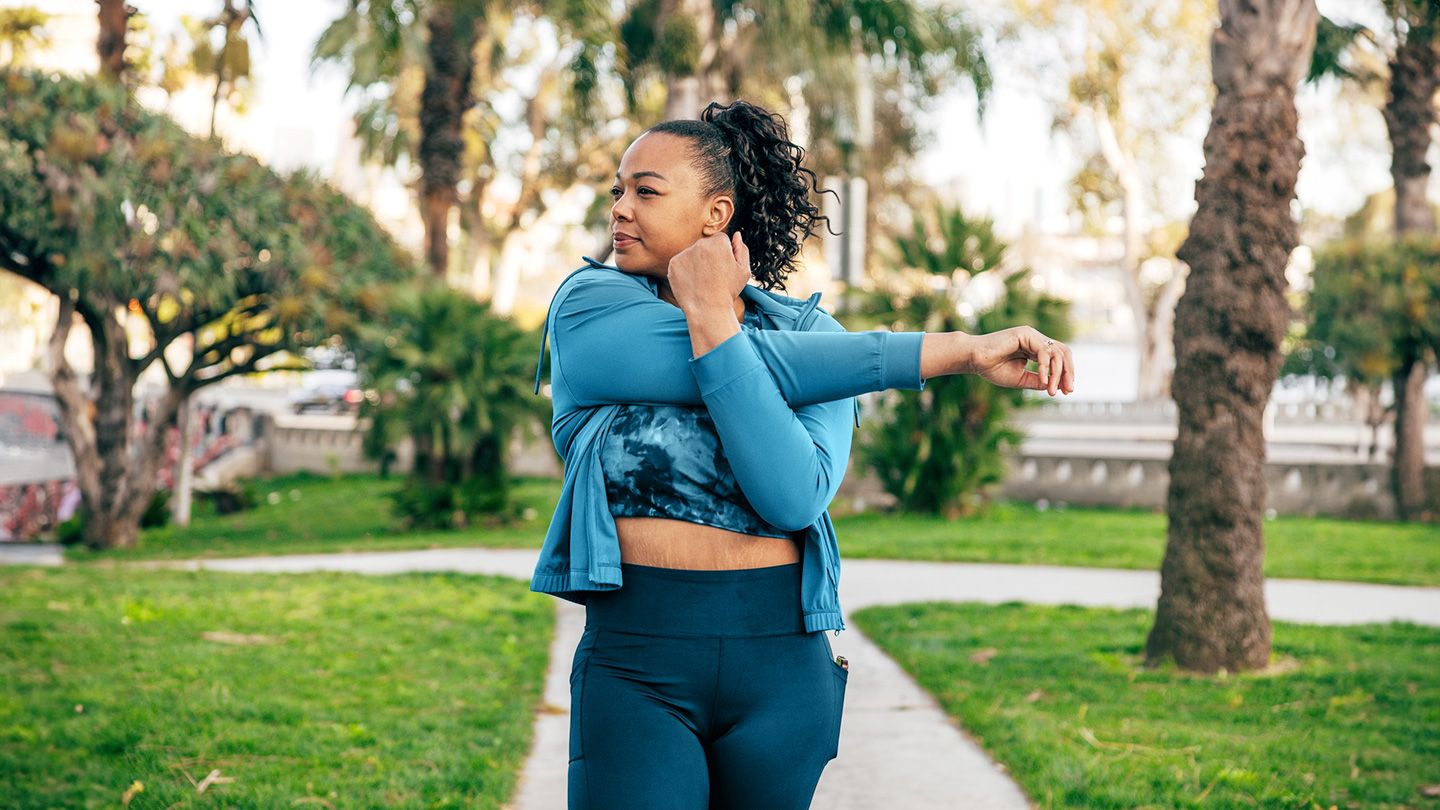
Weight loss can do some surprising things. Your jeans may suddenly become friendlier. Your rings may spin around like tiny hula hoops. Even your face, shoulders, and chest can look different enough that people start asking whether you got a new haircut. But one question comes up often, especially when bras, shirts, or fitted tops start feeling looser: Can your rib cage become smaller when you lose weight?
The short answer is: your actual rib cage bones do not become smaller from normal weight loss. Your ribs, sternum, spine, and costal cartilage form a protective structure around your heart and lungs. That bony framework is not designed to shrink like a sweater in a hot dryer. However, the area around your rib cage can absolutely look and measure smaller because you can lose fat from your chest, upper abdomen, back, and sides.
So, if your band size drops, your “under-bust” measurement changes, or your upper torso looks narrower in photos, you are not imagining things. Your rib cage probably did not shrink, but the soft tissue around it changed. Think of it like removing a bulky winter coat from a chair. The chair is the same size; it just looks a lot slimmer without the padding.
What Is the Rib Cage, Exactly?
The rib cage, also called the thoracic cage, is the structure made up of the ribs, sternum, thoracic spine, and cartilage. Most people have 12 pairs of ribs. The upper ribs attach more directly to the sternum, while lower ribs attach indirectly or float without a front attachment. This cage protects vital organs, helps with breathing, and provides attachment points for muscles in the chest, back, shoulders, and abdomen.
Because the rib cage is made mostly of bone and cartilage, it does not respond to dieting the way fat tissue does. When you lose weight, your body uses stored energy, much of it from fat. It does not decide to shave a little off your ribs because your favorite shirt has a snug seam. Bones remodel slowly over time, but healthy adult weight loss does not make the rib cage smaller in the cosmetic sense most people mean.
So Why Does Your Upper Body Look Smaller After Weight Loss?
The confusion is understandable. Many people notice their chest, back, and waist measurements change after losing weight. That can make it feel as if the rib cage itself has narrowed. In reality, several things may be happening at once.
1. You Lose Fat Around the Torso
Fat can be stored around the upper abdomen, back, chest, and sides. When you lose body fat, those areas may become smaller. This is especially noticeable around the under-bust line, bra band area, and lower ribs. If you previously carried fat around your midsection, the change may be dramatic enough that your rib outline becomes more visible.
This is not rib shrinkage. It is a reduction in the layer of soft tissue sitting over and around the ribs. The ribs were there the whole time, quietly doing their job like dependable little body scaffolding.
2. Your Waist Circumference Changes
Weight loss often reduces waist circumference, especially when it includes a healthy eating plan, regular movement, and strength training. A smaller waist can make the rib cage appear more prominent or more tapered by contrast. If the abdomen shrinks but the ribs stay the same, the upper body may look more defined.
This is one reason people sometimes say their ribs are “sticking out” after weight loss. In many cases, the ribs are simply easier to see because there is less fat covering them.
3. Your Bra Band or Shirt Size May Drop
For many women, weight loss changes bra size. The band measurement sits around the rib cage, but that measurement includes skin, fat, muscle, and breast tissue positioning. If you lose fat from the upper back or under-bust area, your band size may go down even though your rib bones are unchanged.
Men may notice something similar with fitted shirts, compression tops, or suit jackets. A shirt that once pulled across the chest or upper belly may suddenly sit flatter. Your tailor may celebrate. Your ribs, however, are just standing there saying, “We did not move.”
4. Posture Can Change How Your Rib Cage Looks
Posture has a major effect on rib cage appearance. If someone loses weight and becomes more active, their posture may improve. Stronger core muscles, better shoulder alignment, and less abdominal pressure can change how the ribs sit visually.
For example, a person with rounded shoulders may look compressed through the chest. Someone with a “rib flare” may look wider or more lifted at the lower ribs. Improving core strength and breathing mechanics may make the torso look more balanced, but this is more about alignment than actual rib cage size.
Can You Lose Fat Specifically From the Rib Cage Area?
Not exactly. The body does not allow targeted fat loss in the way many fitness ads promise. You can strengthen certain muscles, but you cannot command your body to remove fat only from the rib cage, belly, thighs, or arms. The body loses fat according to genetics, hormones, age, sex, activity level, and overall energy balance.
That means exercises like side bends, crunches, or twisting moves may strengthen the muscles around the ribs and waist, but they will not directly melt fat from that exact spot. If spot reduction worked, everyone would have six-pack abs from laughing at tax season memes. Sadly, biology is less generous.
To reduce fat around the torso, the most reliable approach is a combination of sustainable nutrition, regular aerobic activity, resistance training, good sleep, and patience. The rib area may slim down early for some people and much later for others.
Can the Rib Cage Become Smaller From Bone Loss?
This is where the answer gets more serious. Normal fat loss does not shrink the rib cage, but bone health can change over time because of aging, hormonal shifts, poor nutrition, certain medications, medical conditions, and extreme dieting. Bone density loss is not the same as a smaller rib cage, though. It means bones become weaker and more fragile, not neatly resized.
Severe under-eating, very low body weight, lack of calcium, vitamin D deficiency, eating disorders, and loss of menstrual cycles can harm bone health. In older adults, osteoporosis can increase fracture risk and may contribute to height loss or changes in posture, especially when the spine is affected. That can make the torso look shorter or more curved, but it is not healthy “rib cage shrinkage.”
If weight loss is rapid, unintentional, or paired with fatigue, pain, shortness of breath, digestive issues, missed periods, or weakness, it is worth talking with a healthcare professional. Weight loss should improve your life, not turn your skeleton into a suspicious group project.
Why Your Ribs May Look More Visible After Weight Loss
Visible ribs are not automatically a problem. Some people naturally have more prominent ribs because of genetics, a narrow frame, lower body fat, posture, or how their chest wall is shaped. Others notice rib visibility only after losing weight.
However, visible ribs can be a concern if they come with signs of undernourishment or excessive weight loss. Warning signs include dizziness, constant coldness, hair loss, extreme fatigue, loss of strength, irregular menstrual cycles, anxiety around food, or feeling unable to maintain a healthy eating pattern. In those cases, the goal should not be to make the rib cage smaller. The goal should be to protect overall health.
Healthy Weight Loss vs. “Too Much” Weight Loss
Healthy weight loss usually happens gradually and includes enough protein, vitamins, minerals, and calories to support muscle and bone health. A smart plan does not treat food like the villain in a superhero movie. It uses food as fuel while creating a reasonable calorie deficit.
Too much weight loss, or weight loss done too aggressively, can reduce muscle mass, lower energy, affect hormones, weaken bones, and make the body feel stressed. Losing weight should not mean losing strength, confidence, or the ability to climb stairs without bargaining with your thighs.
Signs Your Weight Loss Is Likely Healthy
Your weight loss is more likely to be healthy if your energy is stable, your strength is maintained or improving, your meals include protein and fiber, your mood is steady, and your exercise routine feels challenging but not punishing. Your clothes may fit differently, your waist may shrink, and your chest measurement may change, but you should still feel functional and nourished.
Signs You Should Slow Down or Get Support
Consider getting medical or nutritional guidance if you are losing weight without trying, losing weight very quickly, feeling weak, skipping meals often, fearing normal foods, over-exercising, or noticing pain around the ribs or chest. Chest pain, difficulty breathing, or severe rib pain should be evaluated promptly.
How to Measure Changes Around Your Rib Cage
If you are curious whether your torso is changing, measure consistently. Use a soft measuring tape around the under-bust area or lower rib area. Keep the tape level, breathe normally, and do not pull it so tight that your body files a complaint. Measure at the same time of day, ideally once every few weeks rather than daily.
Remember that measurements can shift because of bloating, posture, menstrual cycle changes, muscle tension, hydration, and even how deeply you inhale. One measurement does not tell the whole story. Trends matter more than a single number.
Can Exercise Make the Rib Cage Look Smaller?
Exercise cannot shrink your rib bones, but it can change the appearance of your torso. Strength training can improve posture, build muscle, and create a more balanced shape. Cardio can support fat loss when combined with nutrition. Breathing exercises and core work may help people who hold tension in the ribs or have a flared rib posture.
Good options include walking, cycling, swimming, resistance training, Pilates-style core exercises, rows, dead bugs, planks, and controlled breathing drills. The goal is not to squeeze your ribs inward like a suitcase before vacation. The goal is to build a strong, stable torso that supports your spine, breathing, and movement.
What About Waist Trainers and Corsets?
Waist trainers and tight corsets can temporarily compress soft tissue and change how your torso looks while you wear them. They do not permanently shrink the rib cage in a healthy way. Wearing restrictive garments too tightly may cause discomfort, skin irritation, reflux, shallow breathing, or pressure on the abdomen.
If a garment makes it hard to breathe, eat normally, move comfortably, or sit without feeling like a packaged snack, it is too tight. Long-term body shape goals are better supported by sustainable habits than by trying to negotiate with your ribs through compression.
Why Some People Feel Their Rib Cage Is “Wider” Even After Weight Loss
Some people lose weight and still feel broad through the ribs. This can happen because rib cage width is largely structural. Genetics, shoulder width, spine shape, chest depth, and pelvis-to-rib proportions all affect body shape. A person can become leaner and still have a naturally wide rib cage.
This is not a failure. It is anatomy. Bodies are not built from one universal template. Some people have narrow rib cages and wider hips. Others have broader ribs and straighter waists. Some have visible lower ribs even at higher weights. Others never see much rib definition even when lean. Human bodies are wonderfully inconsistent, which is rude for online size charts but great for biodiversity.
Can Losing Weight Change Your Chest Size?
Yes. Chest size can change with weight loss, especially for people who store fat in the breasts, upper back, or chest wall. Breast tissue includes fat, glandular tissue, and connective tissue, so weight loss may reduce breast volume for some people. In men, fat loss may reduce chest fullness and make the rib cage or pectoral muscles more visible.
This can make the entire upper torso look smaller, even when the ribs themselves remain the same size. The effect varies widely. Some people lose inches from the chest quickly; others notice most changes in the waist, hips, or face first.
How to Support Your Body While Losing Weight
If your goal is fat loss without harming muscle or bone health, focus on basics that actually work. Eat enough protein to support muscle repair. Include calcium-rich foods such as dairy, fortified alternatives, leafy greens, tofu, or canned fish with bones if appropriate for your diet. Get vitamin D through sunlight, food, or supplements if recommended by a healthcare professional. Add strength training at least a couple of days per week and include weight-bearing movement like walking.
Sleep also matters. Poor sleep can affect hunger hormones, cravings, recovery, and motivation. Stress management helps too, because high stress can make healthy habits harder to maintain. No, meditation will not directly shrink your rib cage, but it may prevent the “I had one stressful email so now I live in the pantry” situation.
Common Myths About Rib Cage Size and Weight Loss
Myth 1: “If my band size went down, my ribs got smaller.”
A smaller band size usually reflects less fat or soft tissue around the torso, not smaller bones.
Myth 2: “Core exercises can shrink my rib cage.”
Core exercises can improve strength, posture, and muscle tone. They do not reduce rib bone size.
Myth 3: “Visible ribs always mean someone is unhealthy.”
Not always. Rib visibility depends on genetics, body composition, posture, and frame size. But sudden or extreme rib visibility with other symptoms deserves attention.
Myth 4: “A wide rib cage means I need to lose more weight.”
Not necessarily. Rib cage width is often structural. Losing more weight will not change your basic skeleton.
Real-Life Experiences: What People Often Notice After Weight Loss
Many people first notice upper-body changes in the laundry room, not the mirror. A bra band that once needed the loosest hook suddenly feels roomy. A fitted button-down shirt stops pulling across the lower chest. A dress zips more easily around the upper waist. These small clothing changes can make it feel as if the rib cage has actually become smaller.
One common experience is the “new ribs” moment. Someone loses 20, 40, or 60 pounds and suddenly feels the lower ribs when lying down or stretching. The first reaction may be surprise: “Were these always here?” Yes, they were. They were just hiding under more soft tissue, patiently waiting for their dramatic reveal.
Another experience is needing a new bra size even when breast cup size does not change much. The band may shrink because the back and under-bust area have become leaner. This can be confusing because bra sizing makes it sound as if the measurement is purely about the rib cage. In reality, the tape measure is capturing the full circumference of the body at that level, including fat, skin, muscle, and how the tape sits.
Some people also notice that their ribs look more flared after weight loss. This does not always mean anything is wrong. A rib flare may have been there before but less visible. It may also be related to posture, breathing patterns, abdominal strength, or spinal position. For someone who has lost belly fat, the lower ribs may simply stand out more because the abdomen below them is smaller.
There can also be emotional surprises. Weight loss is often discussed as if every change feels exciting, but body changes can feel strange. A person may be happy about improved energy and health while also feeling unsettled by a bonier chest or looser clothing. That does not make them vain or ungrateful. It makes them human. The brain sometimes needs time to update its internal body map.
A practical experience many people share is that measurements change unevenly. The waist may drop quickly, while the rib area barely moves. Or the upper back may slim down before the lower belly. This uneven pattern is normal. Fat loss is not a perfectly organized office filing system. It is more like a group project where genetics is in charge and refuses to answer emails.
People who combine weight loss with strength training often report a different kind of change: their torso may look smaller but feel stronger. Their posture improves, their shoulders sit better, and their core feels more supportive. In photos, the rib cage may look more lifted or defined, but the real win is better movement and confidence.
The healthiest takeaway from these experiences is this: a changing rib-area measurement is usually about fat loss, clothing fit, posture, and body composition. It is not usually about the rib cage shrinking. If the change comes with better energy, stronger movement, and sustainable habits, it is generally a normal part of body transformation. If it comes with pain, weakness, rapid unintended weight loss, or fear around food, it is time to seek professional support.
Conclusion
Your rib cage does not become smaller in the way most people imagine when you lose weight. The bones of the rib cage remain mostly the same size. What can change is the amount of fat and soft tissue around the ribs, chest, back, and upper abdomen. That can make your torso look narrower, your ribs more visible, and your clothing fit differently.
Healthy weight loss can reduce waist and chest measurements, improve mobility, and support long-term wellness. But the goal should never be to force your skeleton into a smaller size. Your ribs protect your heart and lungs, which is a pretty important job description. Treat them kindly. Focus on losing excess fat safely, building strength, supporting bone health, and respecting the frame you were built with.
If your rib cage area looks different after weight loss, it is usually normal. If you have pain, breathing trouble, unexplained weight loss, or signs of undernourishment, check in with a healthcare professional. A smaller shirt size is nice, but feeling strong, nourished, and healthy is the real upgrade.