

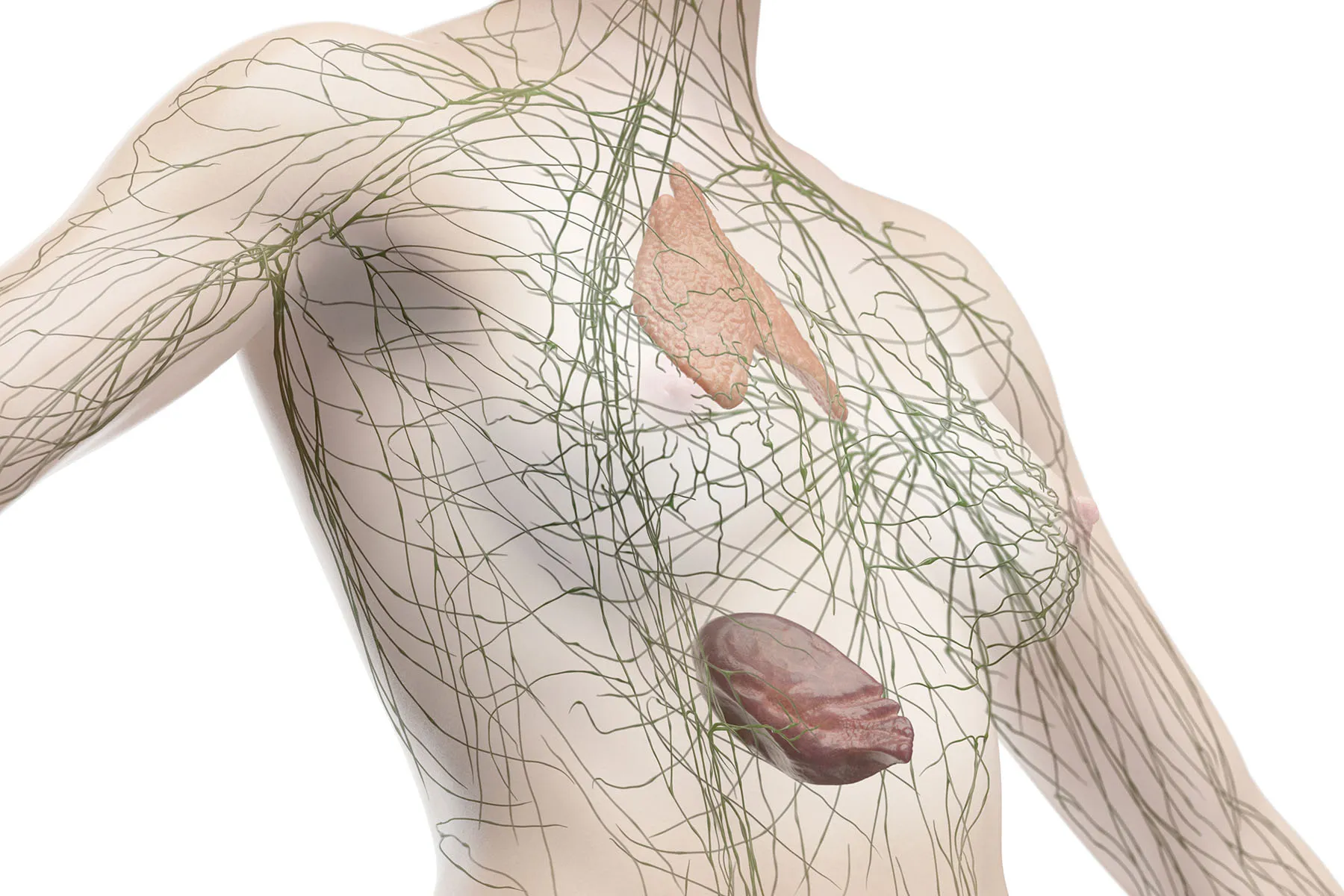
When someone hears the words “breast cancer has spread to the lymph nodes,” it can feel like the room suddenly switched to airplane mode: everything gets quiet, confusing, and mildly terrifying. But lymph node involvement does not automatically mean the cancer is everywhere, and it does not mean recurrence is guaranteed. What it does mean is that doctors have one more important clue about how the cancer behaves and how aggressively it may need to be treated.
Lymph nodes are small immune-system filters located throughout the body. In breast cancer, doctors pay close attention to the lymph nodes under the arm, near the breastbone, and around the collarbone because these are common first stops for breast cancer cells that leave the original tumor. If cancer cells are found there, it can raise the risk of breast cancer recurrence, especially regional recurrence or distant recurrence. The good news? Modern treatment plans are designed precisely to lower that risk.
This guide explains what lymph node involvement means, how it affects recurrence risk, what your pathology report may be trying to say in its secret medical dialect, and which questions can help you have a clearer conversation with your cancer care team.
What Does Lymph Node Involvement Mean in Breast Cancer?
Lymph node involvement means breast cancer cells have been found in one or more nearby lymph nodes. These nodes act like security checkpoints for lymph fluid. Sometimes cancer cells break away from the breast tumor, travel through lymph vessels, and land in nearby nodes. Think of it less like a dramatic escape scene and more like cancer trying to use public transportation without a ticket.
Doctors use lymph node status as part of breast cancer staging. The “N” in the TNM staging system stands for nodes. It helps describe whether cancer is present in nearby lymph nodes, how many nodes are affected, and sometimes where those nodes are located. Lymph node status is considered alongside tumor size, tumor grade, hormone receptor status, HER2 status, margins, genomic test results, and whether cancer has spread to distant parts of the body.
Node-negative vs. node-positive breast cancer
If no cancer is found in nearby lymph nodes, the cancer is often called node-negative. If cancer is found in one or more nodes, it is called node-positive. In general, node-negative breast cancer has a lower recurrence risk than node-positive breast cancer. However, “lower risk” does not mean “no risk,” and “node-positive” does not mean “certain recurrence.” Breast cancer biology is more complicated than a simple yes-or-no switch.
For example, a small hormone receptor-positive, HER2-negative tumor with one tiny lymph node micrometastasis may have a very different outlook from a larger, high-grade triple-negative tumor involving multiple nodes. The number of involved lymph nodes matters, but so does the personality of the tumor.
How Lymph Node Status Changes Recurrence Risk
Breast cancer recurrence means cancer comes back after treatment. It can return in the breast or chest wall, in nearby lymph nodes, or in distant organs such as bone, liver, lung, or brain. Lymph node involvement increases recurrence risk because it suggests that cancer cells had the ability to move beyond the original breast tumor before treatment began.
Doctors often use lymph node information to estimate the chance that microscopic cancer cells may remain somewhere in the body. These cells are too small to show up on scans, but they may later grow if not controlled by surgery, radiation, chemotherapy, hormone therapy, HER2-targeted treatment, immunotherapy, or other systemic treatments.
The number of positive lymph nodes matters
One of the most important details is how many lymph nodes contain cancer. In broad terms, recurrence risk tends to rise as the number of positive lymph nodes increases.
- No positive nodes: Often associated with a lower recurrence risk, depending on tumor biology and other features.
- One to three positive nodes: Indicates cancer has begun to spread regionally and may lead doctors to recommend additional treatment to reduce recurrence risk.
- Four to nine positive nodes: Usually considered higher risk and often influences decisions about chemotherapy, radiation, and long-term endocrine therapy when appropriate.
- Ten or more positive nodes, or nodes near the collarbone: Suggests a more advanced regional spread and generally requires a more intensive treatment strategy.
It is not just a counting exercise, though. A single node with a large deposit of cancer can be more concerning than a tiny cluster found only under a microscope. That is why your pathology report may mention isolated tumor cells, micrometastases, or macrometastases.
Size of cancer deposits in nodes also matters
Pathologists classify lymph node findings by the size of the cancer deposit. Isolated tumor cells are very small clusters. Micrometastases are larger than isolated tumor cells but still small, typically no more than 2 millimeters. Macrometastases are larger deposits. The bigger the deposit and the more nodes involved, the more evidence doctors have that the cancer had developed the ability to spread.
This does not mean panic should be your new hobby. It means your oncology team has data to help choose treatments that can reduce risk. Breast cancer care is not one-size-fits-all; it is more like tailoring a suit, except the measuring tape is a pathology report and everyone wishes the fabric were less stressful.
Types of Recurrence Linked to Lymph Node Involvement
Local recurrence
Local recurrence happens when breast cancer returns in the same breast or chest wall area. Lymph node involvement can be associated with higher local recurrence risk, particularly when combined with other risk factors such as larger tumor size, positive surgical margins, high grade, or aggressive tumor subtype.
Regional recurrence
Regional recurrence means cancer comes back in nearby lymph nodes, such as underarm nodes, internal mammary nodes near the breastbone, or nodes above or below the collarbone. Since lymph node involvement shows that cancer cells have already reached the regional lymph system, doctors may recommend radiation to nearby lymph node basins in selected cases to reduce this risk.
Distant recurrence
Distant recurrence, also called metastatic recurrence, means breast cancer has returned in a distant part of the body. Lymph node-positive breast cancer can carry a higher risk of distant recurrence than node-negative disease because node involvement may reflect a greater ability of cancer cells to travel. This is one reason systemic therapy is so important: it treats the whole body, not just the original tumor site.
Why Lymph Nodes Influence Treatment Decisions
Lymph node status helps doctors decide whether treatment should stay local, become systemic, or both. Surgery removes known disease. Radiation lowers the chance of cancer returning in the breast, chest wall, or regional nodes. Systemic treatments travel through the bloodstream to target cancer cells that may be hiding elsewhere.
Surgery: sentinel node biopsy and axillary dissection
Many people with early-stage breast cancer have a sentinel lymph node biopsy. The sentinel nodes are the first few nodes where cancer would likely travel. If they are clear, more lymph node surgery may not be needed. If cancer is found, doctors decide whether additional node surgery is necessary based on the amount of cancer, type of breast surgery, radiation plan, and overall risk.
An axillary lymph node dissection removes more nodes from the underarm area. It can provide more information and help control regional disease, but it also raises the risk of side effects such as arm swelling, stiffness, numbness, and lymphedema. Modern breast cancer care tries to balance cancer control with quality of life. In other words, the goal is not to remove every lymph node “just because it looked at us funny.”
Radiation therapy
Radiation may be recommended after lumpectomy and sometimes after mastectomy, especially if lymph nodes are involved. For node-positive breast cancer, radiation may target the breast or chest wall and sometimes nearby lymph node regions. The goal is to reduce local and regional recurrence risk.
Chemotherapy and systemic therapy
Positive lymph nodes can increase the likelihood that chemotherapy will be recommended, especially when other high-risk features are present. However, lymph node involvement is not the only factor. Hormone receptor status, HER2 status, tumor grade, patient age, menopausal status, genomic testing, and personal preferences all matter.
For hormone receptor-positive, HER2-negative breast cancer, genomic tests may help estimate recurrence risk and whether chemotherapy is likely to add benefit, especially in some people with node-negative disease or limited node-positive disease. For HER2-positive cancer, HER2-targeted therapies can dramatically change the risk picture. For triple-negative breast cancer, chemotherapy and sometimes immunotherapy may be part of the plan depending on stage and timing of treatment.
Endocrine therapy and long-term risk
Hormone receptor-positive breast cancer can recur many years after diagnosis. Lymph node involvement may influence whether doctors recommend longer courses of endocrine therapy, such as tamoxifen or aromatase inhibitors, when the benefits outweigh side effects. This is one reason follow-up does not magically become irrelevant after five years. Breast cancer biology did not receive the memo that everyone wants a clean finish line.
Other Factors That Work With Lymph Node Status
Although lymph node involvement is important, recurrence risk is never based on nodes alone. Doctors build the full picture from several details.
Tumor size and grade
Larger tumors and higher-grade tumors often carry higher recurrence risk. Tumor grade describes how abnormal the cancer cells look under a microscope and how quickly they may grow. A small, low-grade tumor with one tiny node deposit may be treated differently from a large, high-grade tumor with multiple positive nodes.
Hormone receptor and HER2 status
Estrogen receptor, progesterone receptor, and HER2 status strongly influence treatment choices and recurrence patterns. Hormone receptor-positive cancers may have a lower early recurrence risk than some other types but can have ongoing late recurrence risk. HER2-positive cancers may be more aggressive, but targeted therapies have greatly improved outcomes. Triple-negative breast cancer tends to have a higher early recurrence risk, especially in the first few years, but the pattern depends on treatment response and stage.
Response to neoadjuvant therapy
Some people receive chemotherapy, HER2-targeted therapy, immunotherapy, or endocrine therapy before surgery. This is called neoadjuvant therapy. If cancer disappears from the breast and lymph nodes by the time of surgery, known as a pathologic complete response, recurrence risk may be lower. If cancer remains in the lymph nodes after treatment, doctors may recommend additional therapy to reduce recurrence risk.
Questions to Ask Your Doctor About Lymph Nodes and Recurrence
If your pathology report mentions lymph nodes, bring a written list of questions to your oncology visit. Medical appointments can move fast, and stress has a charming habit of deleting useful thoughts from your brain right when you need them.
- How many lymph nodes were removed, and how many contained cancer?
- Were the lymph node deposits isolated tumor cells, micrometastases, or macrometastases?
- Does my lymph node status change my cancer stage?
- How does it affect my risk of local, regional, or distant recurrence?
- Do I need radiation to nearby lymph node areas?
- Do I need chemotherapy, endocrine therapy, HER2-targeted therapy, immunotherapy, or another systemic treatment?
- Would a genomic test help guide treatment decisions?
- What symptoms should I report after treatment?
- What can I do to reduce lymphedema risk?
Can You Lower Recurrence Risk After Node-Positive Breast Cancer?
You cannot control every part of breast cancer recurrence risk, and recurrence is never a personal failure. Cancer is biology, not a character judgment. Still, there are practical steps that may help support recovery and long-term health.
First, follow the treatment plan you and your oncology team choose. If medication side effects make adherence difficult, speak up early. Many people stop endocrine therapy because of joint pain, hot flashes, mood changes, or fatigue, but dose timing, medication changes, symptom management, and supportive care can help.
Second, attend recommended follow-up visits and screening. Routine care after breast cancer may include physical exams, mammograms when appropriate, and symptom review. Most guidelines do not recommend constant scans or tumor marker tests for everyone without symptoms, because more testing does not always improve outcomes and can create anxiety, false alarms, and surprise medical bills that deserve their own villain origin story.
Third, focus on sustainable lifestyle habits: regular movement, limiting alcohol, not smoking, managing weight when possible, eating a balanced diet, and caring for sleep and mental health. These habits are not magic shields, but they support overall health and may help reduce risk in some survivors.
When to Call Your Care Team
After treatment, it is normal to notice every ache and wonder, “Is this something?” Most aches are not recurrence. Bodies creak, muscles complain, and anxiety can turn a tiny twinge into a full courtroom drama. Still, certain symptoms deserve medical attention, especially if they are new, persistent, or worsening.
Call your care team if you notice a new lump in the breast, chest wall, underarm, or collarbone area; unexplained bone pain; ongoing cough or trouble breathing; persistent abdominal pain or swelling; severe headaches; vision changes; unexplained weight loss; or unusual fatigue that does not improve. Reporting symptoms early does not mean you are being dramatic. It means you are being responsible.
Experiences and Practical Lessons: Living With the “What If?”
For many people, lymph node involvement changes the emotional experience of breast cancer as much as it changes the treatment plan. A node-positive diagnosis can make recurrence risk feel less like a statistic and more like an uninvited roommate who keeps rearranging the furniture in your mind. Even after active treatment ends, the worry may linger: What if one cell escaped? What if the scan misses something? What if that shoulder pain is not from sleeping like a pretzel?
One common experience is confusion over the pathology report. Patients may hear “one positive node” and immediately assume the worst. Then the doctor explains that the deposit was tiny, the tumor was hormone receptor-positive, the margins were clear, and the treatment plan is strong. The emotional brain, however, does not always read footnotes. It hears “spread” and starts packing for catastrophe. This is why asking for a plain-English explanation of the report can be so helpful. You deserve to know not just what was found, but what it means in your specific case.
Another common experience is decision fatigue. Node-positive breast cancer often brings more choices: chemotherapy or not, radiation fields, endocrine therapy duration, ovarian suppression, targeted therapy, clinical trials, reconstruction timing, and lymphedema precautions. Each decision may feel like choosing a door in a hallway designed by someone with a very dark sense of humor. A useful strategy is to ask your oncologist to explain the purpose of each treatment in one sentence: “What recurrence risk is this treatment trying to reduce?” That simple question can turn a scary menu of options into a more logical plan.
People also learn that recurrence anxiety often spikes around follow-up appointments, mammograms, anniversaries, and new symptoms. This is sometimes called scanxiety, although it can happen even when no scan is involved. Practical coping tools include scheduling appointments earlier in the day, bringing a support person, writing questions in advance, and asking when results will be available. Waiting is hard. Waiting without a plan is harder.
Lymphedema worry is another real part of the experience. After lymph node surgery or radiation, some survivors become cautious with the affected arm. That caution is understandable, but fear should not turn the arm into a museum exhibit labeled “Do Not Use.” Many cancer rehabilitation specialists encourage gentle, progressive movement and early reporting of swelling, heaviness, tightness, or reduced range of motion. Physical therapy can be extremely helpful, especially when started early.
Finally, many survivors describe a gradual shift from “How do I eliminate all risk?” to “How do I live well with uncertainty?” That shift is not surrender. It is wisdom. Node-positive breast cancer may raise recurrence risk, but it also gives doctors information they can act on. Treatment, follow-up, and healthy routines are not guarantees, but they are powerful tools. The goal is not to spend every day interrogating your body like a suspicious detective. The goal is to stay informed, stay connected to your care team, and make space for a life that is bigger than a pathology report.
Conclusion
Lymph node involvement is one of the most important clues doctors use to estimate breast cancer recurrence risk. In general, the more lymph nodes involved and the larger the cancer deposits, the higher the concern for recurrence. But lymph node status is only one piece of the puzzle. Tumor biology, receptor status, grade, treatment response, genomic testing, and overall health all shape the final risk estimate.
If your breast cancer is node-positive, the most helpful next step is not panic. It is clarity. Ask how many nodes were involved, what kind of cancer deposits were found, how this changes your stage, and which treatments are recommended to lower recurrence risk. With modern breast cancer care, lymph node information is not just bad news; it is useful information that helps your team build a smarter, stronger treatment plan.