

Note: This article is written for web publication and synthesizes real gardening, glove-care, material, safety, and textile-labeling guidance from reputable U.S. consumer, gardening, extension, and government sources without copying source text or inserting external source links.
Gardening gloves are one of those tools people underestimate right up until a rose cane fights back, a tomato cage scratches like a tiny metal raccoon, or a suspiciously damp pile of mulch reminds you that soil is beautiful but not exactly spa-grade. That is where bamboo & leather gardening gloves earn their place in the shed. They combine the breathable comfort of bamboo-based fabric with the toughness and grip of leather, creating a glove that feels less like armor and more like a handshake with common sense.
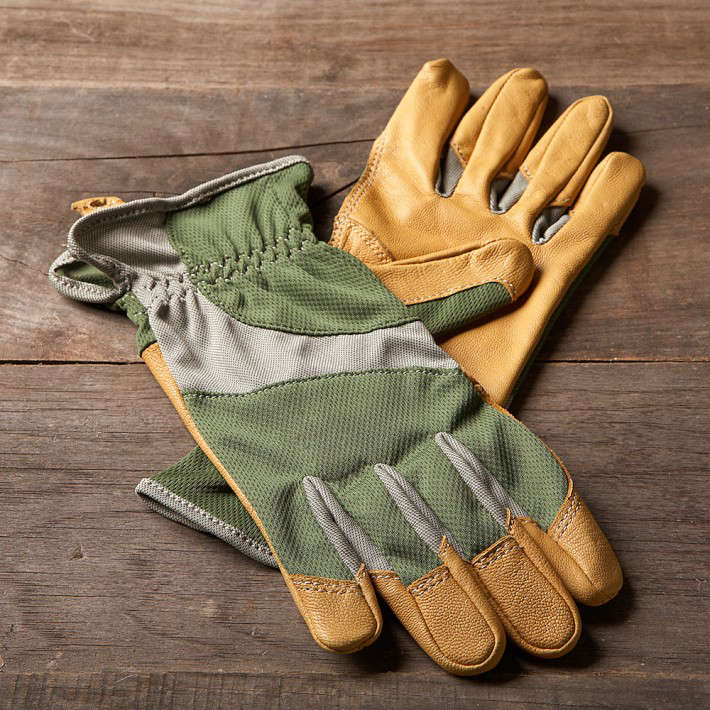
The best gardening gloves do more than keep dirt out from under your nails. They protect against blisters, thorns, rough bark, splinters, insects, irritant plant sap, and the general chaos that happens when humans decide to rearrange nature on a Saturday morning. Bamboo and leather work especially well together because each material solves a different problem. Bamboo-blend fabric helps keep the back of the hand cooler and more flexible, while leather on the palm and fingers adds durability where tools, stems, stones, and pruners create the most friction.
In this guide, we will look at what bamboo and leather gardening gloves are, why gardeners like them, how to choose the right pair, how to care for them, and when they are the best choice compared with cotton, nitrile, rubber, or heavy-duty work gloves. We will also cover real-world use cases, because a glove that looks adorable in a product photo but quits during the first weed-pulling session is not a glove. It is a gardening-themed disappointment.
What Are Bamboo & Leather Gardening Gloves?
Bamboo & leather gardening gloves are hybrid garden gloves made with a soft, flexible fabric body and reinforced leather sections, usually across the palms, fingertips, thumb area, or knuckles. The bamboo portion is often used for comfort and breathability, while the leather portion is used for grip, abrasion resistance, and protection.
It is important to understand one detail before shopping: many products marketed as “bamboo fabric” are not made from raw bamboo fibers in the way linen is made from flax. In the U.S., textile guidance commonly distinguishes between actual bamboo fiber and rayon or viscose made from bamboo-derived cellulose. For buyers, the practical takeaway is simple: read the label. A glove may be described as bamboo, bamboo blend, bamboo rayon, viscose from bamboo, or bamboo-derived fabric. The exact material affects feel, washing instructions, durability, and sustainability claims.
The leather part also varies. Some gloves use goatskin, cowhide, pigskin, synthetic leather, or suede-style leather. Goatskin is often praised for flexibility and good dexterity. Cowhide tends to be tougher but can feel bulkier. Pigskin handles moisture better than some leathers, although no leather garden glove should be treated like a rubber dishwashing glove. Synthetic leather may be lighter and easier to maintain, but it may not age the same way as natural leather.
Why Bamboo and Leather Make a Surprisingly Good Team
A good pair of bamboo and leather garden gloves is a bit like a garden partnership between a calm yoga instructor and a retired rodeo champion. One side is soft, airy, and flexible. The other side is rugged, practical, and ready to grab a shovel handle without complaining.
Breathability for Warm-Weather Gardening
One of the most common complaints about garden gloves is sweaty hands. Traditional leather gloves can be sturdy but hot. Rubber-coated gloves can grip well but sometimes trap heat. Bamboo-blend fabric is valued because it tends to feel soft and breathable, making it useful for spring planting, summer weeding, container gardening, and greenhouse chores.
Breathability matters because comfortable gloves are gloves you actually wear. If your hands feel trapped in a personal sauna, you will take the gloves off “just for a second,” which is exactly when a thorn, splinter, or mystery bug decides to make a guest appearance.
Leather Protection Where It Counts
Leather is most useful on high-contact areas: palms, fingertips, and the web between thumb and index finger. These are the parts that rub against rake handles, pull stubborn weeds, carry clay pots, grip pruners, and drag bags of compost across the yard while you pretend the bag is not heavier than your life choices.
Leather reinforcement helps reduce wear and tear. It also adds a better barrier against rough stems, dry branches, mulch, gravel, and light thorns. For serious rose pruning, cactus handling, or blackberry removal, gardeners may still need long-cuff leather gauntlet gloves. But for everyday planting, light pruning, and general yard maintenance, bamboo and leather gloves offer a balanced level of protection without feeling like medieval hand armor.
Better Dexterity Than Bulky Work Gloves
Gardeners need touch. You cannot gently separate seedlings, tie tomato vines, pinch basil, check soil moisture, or pull tiny weeds if your gloves feel like oven mitts. Bamboo-blend fabric improves flexibility, while leather panels provide structure without making the entire glove stiff.
This makes bamboo leather garden gloves especially helpful for mixed-task days. You can deadhead flowers, move a container, prune a small shrub, adjust drip tubing, and harvest herbs without changing gloves every ten minutes. That may sound minor, but in gardening, convenience is the difference between “I will finish the bed today” and “I have wandered off to make iced tea.”
Best Uses for Bamboo & Leather Gardening Gloves
Not every glove is right for every job. Bamboo and leather gardening gloves are versatile, but they have a sweet spot. Use them for tasks where you need comfort, grip, and moderate protection.
Planting Annuals, Herbs, and Vegetables
For planting petunias, lettuce starts, basil, peppers, or tomatoes, these gloves are excellent. The breathable back helps prevent overheating, while leather palms protect your hands from trowel handles, gritty potting mix, and the occasional sharp edge on a nursery tray. They also make it easier to lift root balls without tearing delicate stems.
Weeding and Light Yard Cleanup
Weeding is where glove choice becomes personal. Thin gloves let you feel roots but may not protect enough. Heavy gloves protect more but make it difficult to grab small weeds. Bamboo and leather gloves sit in the middle, offering enough sensitivity to find the base of a weed and enough palm protection to pull without scraping your skin.
They are especially useful for dandelions, crabgrass, chickweed, young thistles, and shallow-rooted invaders. For thorny barberry, mature thistle, brambles, or poison ivy removal, upgrade to longer, thicker gloves and protective sleeves.
Pruning Small Shrubs and Flowers
For light pruning, deadheading, and trimming non-thorny shrubs, bamboo leather gloves work well. They protect against bark, dry stems, and tool friction. If the garden includes roses, bougainvillea, blackberries, cactus, or sharp ornamental grasses, choose a glove with longer cuffs and thicker leather reinforcement.
Container Gardening and Patio Work
Container gardeners often handle pots, saucers, potting soil, fertilizer, stakes, and small tools in tight spaces. A flexible glove matters here. Bamboo and leather gloves provide enough grip to move glazed ceramic pots and enough dexterity to arrange small plants without turning the container into a botanical traffic accident.
Harvesting Produce
For harvesting tomatoes, cucumbers, beans, herbs, peppers, and squash, breathable gloves can keep hands cleaner and reduce contact with prickly stems. Squash vines, cucumber leaves, and tomato cages can scratch more than beginners expect. A leather palm helps when lifting vines or reaching into dense growth.
When Bamboo & Leather Gloves Are Not the Best Choice
These gloves are versatile, but they are not magic. If a product description suggests one pair can handle roses, cactus, wet concrete, winter snow, chemical spraying, and delicate seedling work while making your coffee, please invite skepticism to the party.
Very Wet Jobs
Leather does not love being soaked. Wet leather can stiffen, shrink, crack, or lose shape if dried poorly. For muddy digging, pond work, pressure washing, or cleaning slimy containers, rubber or nitrile-coated waterproof gloves are better.
Heavy Thorn and Cactus Work
For cactus, mature roses, blackberry canes, or thorny invasive shrubs, use thick leather gauntlet gloves with forearm protection. Bamboo-back gloves may protect the palm but leave the wrist and forearm exposed. Plants with spines do not care about your optimism.
Chemical Handling
Do not assume bamboo and leather gloves are safe for pesticides, herbicides, fertilizers, cleaners, or fuel. Chemical labels often specify the type of glove required, such as chemical-resistant nitrile, neoprene, or rubber. Leather can absorb liquids, which is the opposite of what you want when handling chemicals.
How to Choose the Best Bamboo & Leather Gardening Gloves
Shopping for garden gloves can feel oddly complicated. There are floral gloves, gauntlet gloves, claw gloves, thermal gloves, nitrile gloves, leather gloves, and gloves that look like they were designed by someone who has only seen gardening in a cartoon. Here is what actually matters.
1. Check the Material Label
Look for clear information about the fabric body and palm reinforcement. If the glove says “bamboo,” check whether it is bamboo fiber, bamboo viscose, rayon made from bamboo, or a blend. This helps you understand how it may feel and how it should be cleaned. For leather, look for the type and thickness if available.
2. Look for Reinforced Fingertips
Fingertips wear out first because they constantly touch soil, stones, roots, and tools. Reinforced fingertips can extend glove life, especially if you dig, weed, or repot often. A glove with leather only on the palm may feel nice but may fail faster at the fingers.
3. Choose the Right Cuff
Short cuffs are comfortable and easy to slip on. They are good for light planting and container work. Longer cuffs protect wrists from scratches and debris. Elastic cuffs help keep soil out, while gauntlet-style cuffs provide better forearm protection for pruning.
4. Prioritize Fit Over Looks
A beautiful glove that does not fit is just a decorative hand bag, and not the purse kind. Gloves should feel snug but not tight. Your fingertips should reach near the end without being cramped. The palm should not bunch when gripping a trowel. If the glove twists when you pull weeds, it is too loose.
5. Test Grip and Flexibility
Before committing, mimic real gardening motions. Close your hand around a tool handle. Pinch your fingers together as if picking a seedling. Flex your wrist. If the glove feels stiff in the store, it may soften with use, but it should not fight you like a tiny leather lobster.
Bamboo & Leather vs. Other Gardening Glove Materials
Bamboo & Leather vs. Cotton Gloves
Cotton gloves are inexpensive and breathable, but they often absorb water and provide limited protection. They are fine for light work, but they wear quickly and do not defend well against thorns or rough materials. Bamboo and leather gloves usually offer better durability and grip.
Bamboo & Leather vs. Nitrile-Coated Gloves
Nitrile-coated gloves are excellent for grip, moisture resistance, and detailed work. They are popular for weeding and planting because they fit closely and can be easier to clean. However, they may not provide the same natural abrasion resistance or long-term comfort as leather-reinforced gloves for rougher chores.
Bamboo & Leather vs. Full Leather Gloves
Full leather gloves are strong and durable, especially for pruning, hauling wood, or landscaping. The trade-off is heat and reduced flexibility. Bamboo and leather gloves are better for gardeners who want protection without sacrificing comfort in warm weather.
Bamboo & Leather vs. Rubber Gloves
Rubber gloves are best for wet jobs and cleaning. They are not ideal for thorny plants or long, hot gardening sessions because they can trap heat and sweat. Bamboo and leather gloves are more comfortable for dry garden work and tool handling.
How to Care for Bamboo & Leather Gardening Gloves
Good gloves last longer when you treat them like tools, not like disposable napkins with fingers. The care method depends on the exact materials, so always check the manufacturer’s instructions first.
Shake Off Soil After Every Use
Do not let wet soil dry into the seams. Clap the gloves together outside, brush off dirt, and remove any plant debris. This tiny habit can add a surprising amount of life to the gloves.
Spot Clean Instead of Soaking
Because leather can become stiff or misshapen, avoid soaking bamboo and leather gloves in a bucket of water. Use a damp cloth or soft brush with mild soap for dirty areas. Wipe gently, especially around stitching and leather panels.
Air Dry Naturally
Never toss leather gardening gloves into a hot dryer or place them directly on a heater. Heat can dry out leather and cause cracking. Reshape the gloves with your hands, then let them air dry in a shaded, ventilated spot.
Condition Leather When Needed
If the leather begins to feel dry, a small amount of leather conditioner may help restore flexibility. Use very little, and test a small area first. Too much conditioner can make gloves greasy or attract dirt.
Store Them Dry
Store gloves in a dry place away from direct sunlight. A hook, basket, or tool shelf is better than leaving them crumpled in the bottom of a damp shed where mildew holds committee meetings.
Common Mistakes to Avoid
The first mistake is buying gloves only by color. Pretty gloves are delightful, but the garden is not a fashion runway. It is a place where mud, insects, thorns, and compost form a small but determined coalition.
The second mistake is using one pair for every job. A serious gardener may need two or three glove types: bamboo and leather for everyday chores, waterproof gloves for wet work, and heavy gauntlet gloves for thorns.
The third mistake is ignoring fit. Loose gloves cause blisters because fabric slides against skin. Tight gloves reduce hand movement and make fingers tired. A proper fit improves safety, control, and comfort.
The fourth mistake is washing leather gloves like cotton socks. Leather needs gentle cleaning and slow drying. Treat it well, and it will usually become more comfortable over time.
Are Bamboo & Leather Gardening Gloves Sustainable?
The sustainability answer is not a simple yes or no. Bamboo as a plant is fast-growing and renewable, which makes it attractive as a raw material. However, bamboo textiles may involve processing that changes the environmental picture. That is why buyers should be cautious with vague claims like “100% eco-friendly” or “chemical-free bamboo fabric” unless the brand provides clear labeling and credible details.
Leather also has environmental considerations, including sourcing, tanning, durability, and end-of-life impact. A long-lasting pair of gloves that replaces several flimsy pairs may reduce waste, but the most responsible choice depends on manufacturing practices, material transparency, care, and how long the gloves are actually used.
For eco-minded gardeners, the smartest move is to buy fewer, better gloves; choose durable construction; follow care instructions; and avoid treating gloves as disposable. Sustainability is not just what a product is made from. It is also how often you replace it.
Who Should Buy Bamboo & Leather Gardening Gloves?
These gloves are a strong choice for home gardeners, patio gardeners, flower growers, herb lovers, and anyone who wants a comfortable everyday glove with better protection than plain fabric. They are especially useful for people who garden in warm weather but still need palm durability.
They are also a good gift for gardeners because they feel practical without being boring. A pair of bamboo and leather gloves says, “I respect your hobby and your knuckles.” Add a quality hand trowel, seed packets, or a small jar of hand balm, and you have a gift that will not end up in the mysterious drawer of forgotten objects.
Practical Buying Checklist
Before buying bamboo and leather gardening gloves, check these details:
- Clear material labeling for bamboo-blend fabric and leather type
- Reinforced palms and fingertips
- Comfortable, snug fit with flexible fingers
- Breathable back for warm weather
- Secure cuff that keeps soil out
- Appropriate thickness for your gardening style
- Care instructions that match your habits
If you mainly grow herbs on a balcony, choose a lighter, more flexible pair. If you prune shrubs and haul mulch, choose thicker leather reinforcement. If your garden contains roses, cactus, brambles, or thorny shrubs, keep a second pair of long leather gauntlet gloves nearby.
Field Experience: What It Feels Like to Garden With Bamboo & Leather Gloves
The first thing you notice with bamboo and leather gardening gloves is that they do not feel like punishment. Some gloves make you feel as if you have borrowed hands from a mascot costume. Bamboo-backed gloves are usually softer and more flexible, so simple tasks feel natural. You can pick up a seed packet, tie jute twine, pinch off yellow tomato leaves, and rescue a dropped plant marker without removing them every three minutes.
During spring planting, the breathable fabric makes a real difference. Digging holes for marigolds, basil, and pepper starts can warm your hands quickly, especially when the sun is out and the potting bench has become a small outdoor bakery. The bamboo-blend back allows more airflow than a full leather glove, while the leather palm keeps the trowel handle from rubbing a hot spot into your skin. After an hour of planting, your hands still feel like hands, not steamed dumplings.
For weeding, the experience depends on the weed. Small weeds are easy to pinch and pull because the gloves maintain decent fingertip control. Bigger weeds with gritty roots are where the leather earns its keep. You can grab closer to the base, twist, pull, and avoid that unpleasant scraping feeling from soil and stems. The gloves will not magically remove every root, but they will make the battle feel less personal.
Pruning is another satisfying use. When trimming lavender, hydrangeas, young shrubs, or spent flower stems, the leather palm helps with pruner grip. The fabric back bends as your hand opens and closes, so your fingers do not feel trapped. For roses, though, the gloves are best for light touch-ups, not full combat. One confident rose thorn can still remind you that nature invented sharp objects before humans invented excuses.
Container gardening may be the best everyday test. Moving pots, scooping soil, breaking up root balls, arranging annuals, and wiping spilled mix from a patio all require grip and flexibility. Bamboo and leather gloves handle this middle zone nicely. They are not as waterproof as coated gloves, but they are more comfortable for longer sessions and less clumsy than heavy leather work gloves.
The biggest lesson from using this style of glove is that no single pair should do everything. Bamboo and leather gloves become the dependable daily pairthe ones you reach for automatically. They are for planting, weeding, trimming, harvesting, and general tidying. Keep waterproof gloves for wet chores and long gauntlet gloves for thorny drama. With that system, your hands stay cleaner, safer, and far less likely to look like you challenged a shrub to a duel and lost.
Conclusion: A Smart Everyday Glove for Real Gardeners
Bamboo & leather gardening gloves are popular because they solve a practical problem: gardeners need gloves that breathe, bend, grip, and protect. Bamboo-blend fabric adds comfort and flexibility, while leather reinforcement handles friction, tools, stems, and everyday wear. They are not the right glove for every job, but they are one of the best choices for routine gardening tasks where comfort matters as much as durability.
The ideal pair should fit snugly, include reinforced fingertips, offer a secure cuff, and provide enough leather coverage for your most common chores. Read labels carefully, be realistic about sustainability claims, and care for the gloves properly. A little brushing, gentle spot cleaning, air drying, and smart storage can help them last much longer.
In the end, the best gardening gloves are the ones you actually wear. If bamboo and leather gloves keep your hands cool, protected, and ready for one more row of seedlings, they have done their job. And if they also save you from explaining why your hands look like you arm-wrestled a rose bush, even better.