

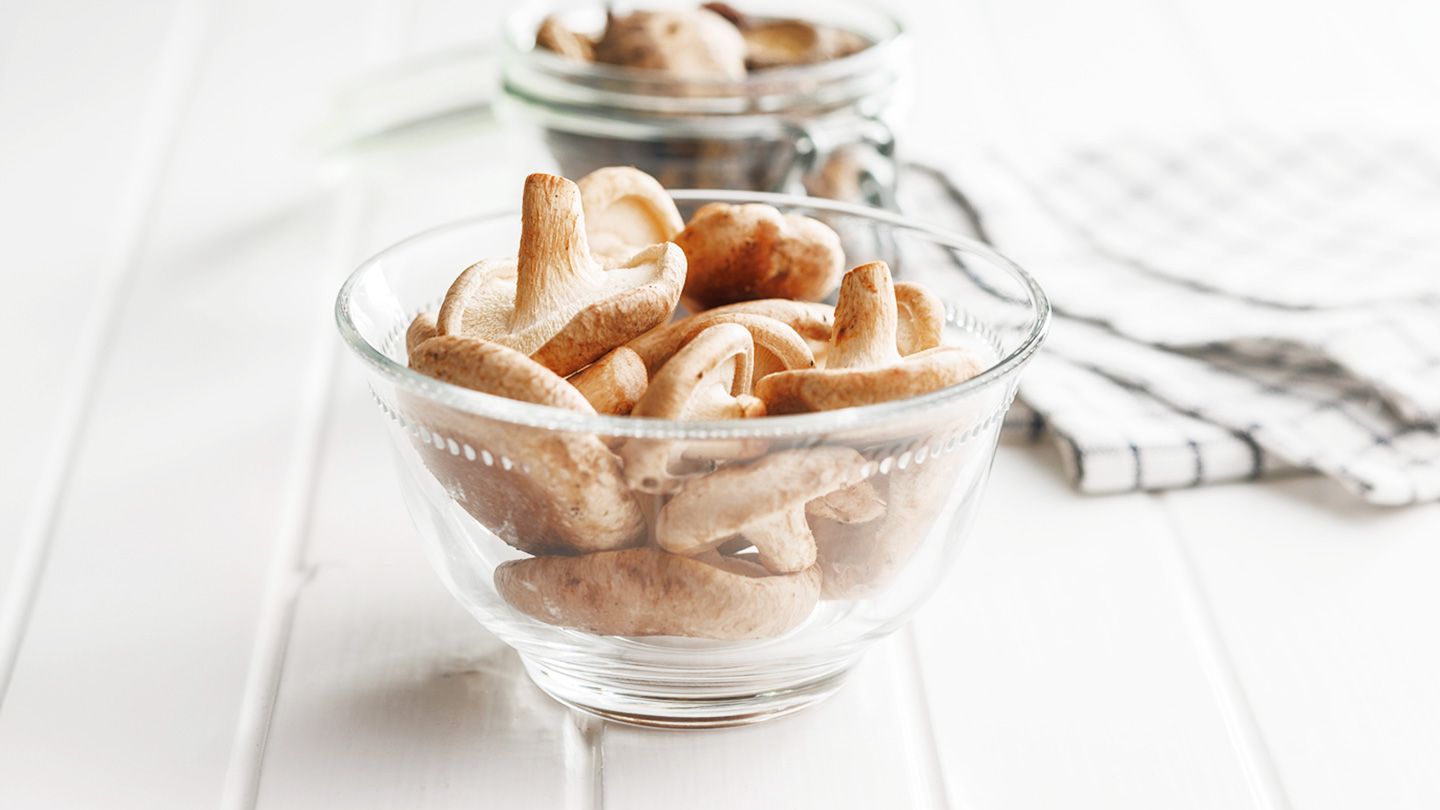
Shiitake mushrooms have a reputation that most vegetables can only dream of. They are savory, meaty, slightly smoky, and capable of making a bowl of noodles taste like it hired a personal chef. But because shiitake mushrooms are also linked with immune-supporting compounds, supplements, and the occasional scary-looking rash, many people ask the same very reasonable question: Can shiitake mushrooms be harmful?
The short answer is yes, shiitake mushrooms can be harmful in certain situations, but for most healthy people, properly cooked shiitake mushrooms eaten in normal food amounts are generally safe. The biggest concerns are raw or undercooked shiitake, allergic reactions, digestive upset, possible supplement side effects, food safety mistakes, and confusion with wild mushrooms. In other words, shiitake mushrooms are not villains. They are more like that dramatic friend who is wonderful at dinner but should not be invited raw to the party.
This article breaks down the real risks, who should be careful, how to prepare shiitake mushrooms safely, and when a mushroom moment deserves medical attention.
What Are Shiitake Mushrooms?
Shiitake mushrooms, also known by the scientific name Lentinula edodes, are edible mushrooms originally associated with East Asian cuisines and now widely used in American kitchens. They are popular in soups, stir-fries, rice bowls, ramen, sauces, pasta, broths, and vegetarian dishes because they bring deep umami flavor without needing much fat, sugar, or culinary magic dust.
Nutritionally, shiitake mushrooms are low in calories and provide fiber, B vitamins, copper, selenium, zinc, and other minerals. They also contain naturally occurring compounds such as beta-glucans and lentinan, which are often discussed in relation to immune health. That does not mean shiitake mushrooms are medicine, but it explains why they get so much attention beyond the dinner plate.
Fresh shiitake mushrooms usually have brown caps and firm stems. Dried shiitake mushrooms have a stronger flavor and are often rehydrated before cooking. The stems can be tough, so many cooks remove them and use them to flavor broth instead of chewing through them like edible shoelaces.
So, Can Shiitake Mushrooms Be Harmful?
Yes, but context matters. Most shiitake mushroom problems happen when people eat them raw, undercook them, consume very large amounts, react to them as an allergen, or use concentrated supplements without professional guidance.
Cooked shiitake mushrooms from a reputable grocery store are very different from a handful of unknown wild mushrooms picked from a damp forest floor. One belongs in a skillet. The other belongs in a field guide, not your mouth.
The main possible risks of shiitake mushrooms include:
- Shiitake dermatitis, a rare itchy rash linked mostly to raw or undercooked shiitake
- Digestive discomfort such as bloating, nausea, or diarrhea
- Allergic reactions in sensitive individuals
- Possible reactions to mushroom spores or handling
- Potential supplement-related side effects
- Foodborne illness if mushrooms are stored or prepared poorly
- Dangerous confusion with wild mushrooms if foraging
For the average person, the practical takeaway is simple: buy shiitake mushrooms from trusted sources, cook them well, store them properly, and be cautious with supplements.
Shiitake Dermatitis: The Most Famous Shiitake Side Effect
The best-known unusual reaction to shiitake mushrooms is shiitake dermatitis, also called shiitake flagellate dermatitis. It is a rare skin reaction that can appear after eating raw or undercooked shiitake mushrooms.
The rash can look like red, itchy, streaky lines across the skin. Because the marks may appear in long lines, they are sometimes described as “whip-like.” That sounds dramatic, and honestly, it looks dramatic too. But in many reported cases, the rash resolves on its own with time and supportive care.
Why Does Shiitake Dermatitis Happen?
Researchers believe shiitake dermatitis is linked to lentinan, a polysaccharide found in shiitake mushrooms. Lentinan is heat-sensitive, which is why proper cooking appears to reduce the risk. The problem is most often reported after eating raw shiitake, lightly cooked shiitake, or dishes where the mushrooms were only briefly warmed.
This is why “just a cute little raw mushroom slice” on a salad is not always a cute idea. Shiitake mushrooms are much better when cooked thoroughly. Bonus: they also taste better that way. Raw shiitake can be chewy, earthy, and a little too committed to the forest aesthetic.
How Long After Eating Shiitake Can a Rash Appear?
Shiitake dermatitis may appear hours to a few days after eating raw or undercooked shiitake mushrooms. The timing can make it confusing. A person may not immediately connect Monday’s mushroom dish with Wednesday’s mystery rash.
Symptoms may include itching, red streaks, raised bumps, and widespread skin irritation. Anyone who develops a severe rash, swelling, breathing trouble, dizziness, or symptoms that feel intense or unusual should seek medical care.
Can Cooked Shiitake Mushrooms Still Cause Problems?
They can, but the risk is much lower. Proper cooking helps break down heat-sensitive compounds and makes shiitake mushrooms easier to digest. However, cooking does not prevent every possible issue. A person who is truly allergic to shiitake may still react to cooked mushrooms. Someone with a sensitive stomach may still feel uncomfortable after eating a large serving. And if mushrooms are spoiled or contaminated, cooking may not fix every food safety problem.
Think of cooking as a strong safety step, not a magical force field. It reduces risk, improves flavor, and helps texture, but it does not turn questionable food into a good decision.
Digestive Side Effects: When Shiitake Upsets Your Stomach
Some people experience digestive symptoms after eating shiitake mushrooms. These may include gas, bloating, stomach cramps, nausea, loose stools, or general discomfort. This does not necessarily mean shiitake mushrooms are dangerous. It may simply mean the portion was too large, the mushrooms were undercooked, or the person’s digestive system is sensitive to mushroom fibers and carbohydrates.
Dried shiitake mushrooms can also be intense because their flavor and compounds are concentrated. If someone rehydrates a mountain of dried shiitake and eats the whole thing like a personal challenge, the stomach may file a formal complaint.
How to Reduce Digestive Discomfort
Start with a small serving, especially if you are new to shiitake mushrooms. Cook them thoroughly until tender. Avoid eating large amounts in one sitting. If dried mushrooms are used, rehydrate them fully and cook them well. People with irritable bowel syndrome or sensitive digestion may want to test tolerance carefully.
Pairing shiitake mushrooms with simple foods, such as rice, noodles, eggs, chicken, tofu, or cooked vegetables, can also make them easier to enjoy without turning dinner into a digestive guessing game.
Can You Be Allergic to Shiitake Mushrooms?
Yes. Mushroom allergies are not among the most common food allergies, but they can happen. A person may react after eating mushrooms, touching them, or inhaling spores in certain occupational settings. Symptoms may include itching, hives, swelling, stomach upset, coughing, wheezing, or breathing difficulty.
Any sign of breathing trouble, throat tightness, facial swelling, faintness, or a fast-spreading reaction should be treated as urgent. Allergic reactions can escalate quickly, and mushrooms are not worth trying to “wait out” if serious symptoms appear.
People with known mold or fungal sensitivities may wonder whether shiitake mushrooms are automatically off-limits. Not always. But because fungi-related cross-reactivity can occur in some individuals, anyone with a history of significant reactions should ask a healthcare professional before experimenting.
Shiitake Supplements Are Not the Same as Shiitake in Soup
A serving of cooked shiitake mushrooms in soup is one thing. A capsule, powder, extract, tincture, or concentrated supplement is another. Supplements may contain higher amounts of mushroom compounds than people would normally eat in food. They may also vary in quality, dose, purity, and labeling accuracy.
Some medical and integrative health sources list possible side effects from shiitake products, including stomach discomfort, skin reactions, increased sensitivity to sunlight, changes in certain blood cells, and rare respiratory reactions. People who are pregnant, breastfeeding, immunocompromised, undergoing cancer treatment, taking immune-related medications, or managing chronic health conditions should speak with a clinician before using shiitake supplements.
This is especially important because “natural” does not mean “risk-free.” Poison ivy is natural too, and nobody is sprinkling that on ramen.
Can Shiitake Mushrooms Interact With Medications?
Food amounts of cooked shiitake mushrooms are unlikely to cause medication problems for most people. Supplements are where caution becomes more important. Because shiitake compounds may affect immune activity, concentrated products could be relevant for people taking immunosuppressants, cancer therapies, or medications related to autoimmune conditions.
There is no universal safe supplement dose for everyone. A person’s health history, medications, age, immune status, and reason for using the supplement all matter. If you are writing about shiitake mushrooms for a health audience, the responsible advice is clear: enjoy them as food if tolerated, but do not treat shiitake supplements like harmless seasoning.
Raw Shiitake Mushrooms: Should You Eat Them?
It is best to avoid eating raw shiitake mushrooms. While some mushrooms are commonly served raw, shiitake mushrooms have a stronger association with raw or undercooked reactions. Cooking improves safety, digestibility, and taste.
If a recipe calls for raw shiitake, consider changing the recipe. A quick sauté with olive oil, garlic, and a pinch of salt can turn shiitake mushrooms from “possibly problematic salad decoration” into “why does this taste like a steakhouse side dish?”
How Cooked Is Cooked Enough?
Shiitake mushrooms should be heated until they are tender, hot throughout, and no longer raw in texture. Sautéing, roasting, simmering, grilling, and stir-frying can all work. Thin slices cook faster and more evenly. Thick caps need more time.
For soups and broths, add shiitake mushrooms early enough that they simmer properly. For stir-fries, avoid tossing them in at the final second just for decoration. Shiitake mushrooms deserve real pan time.
Food Safety: Storage, Spoilage, and Kitchen Hygiene
Like other fresh produce, mushrooms can spoil. Bad shiitake mushrooms may become slimy, mushy, darkened, sour-smelling, or visibly moldy. If they look suspicious, smell unpleasant, or feel slick in a way that says “science project,” throw them away.
Fresh mushrooms should generally be refrigerated and kept dry. Many cooks store them in a paper bag or breathable container rather than sealing them in a wet plastic environment. Moisture speeds spoilage, and mushrooms are basically tiny sponges wearing caps.
Before cooking, gently wipe or rinse shiitake mushrooms as needed, then dry them. Avoid soaking fresh mushrooms for a long time because they can absorb water and become soggy. Dried shiitake mushrooms, however, are meant to be rehydrated. After soaking dried mushrooms, strain the soaking liquid if you plan to use it in broth or sauce, because grit can settle at the bottom.
Wild Mushrooms Are a Separate Risk
Commercial shiitake mushrooms from reputable stores are not the same as wild mushrooms collected outdoors. Mushroom foraging can be dangerous because toxic mushrooms may resemble edible ones. Some poisonous mushrooms can cause severe illness, and cooking does not reliably remove dangerous toxins from many wild species.
If you are not trained in mushroom identification, do not eat wild mushrooms. Apps, internet photos, and “my neighbor seemed confident” are not safety systems. They are plot devices in a medical drama.
For everyday home cooking, buy shiitake mushrooms from grocery stores, farmers markets with reputable vendors, or trusted specialty food shops. That one decision removes a large category of mushroom risk.
Who Should Be More Careful With Shiitake Mushrooms?
Some people should be more cautious with shiitake mushrooms, especially in supplement form. This includes people with mushroom allergies, severe mold sensitivities, autoimmune conditions, weakened immune systems, complex medication routines, cancer treatment plans, or a history of unusual food reactions.
Pregnant or breastfeeding people should treat shiitake supplements cautiously because concentrated products are not the same as normal food portions. Children should also avoid mushroom supplements unless a qualified healthcare professional recommends them. Cooked shiitake mushrooms in normal food portions may be fine for many families, but portions should be age-appropriate and introduced carefully.
How Much Shiitake Is Too Much?
There is no single number that applies to everyone. A few cooked shiitake mushrooms in a meal is a normal culinary amount. Eating a large bowl every day, taking extracts, or combining multiple mushroom products may raise the chance of side effects.
Moderation is a boring word, but it does useful work. Shiitake mushrooms can be part of a healthy diet, but they do not need to appear in every meal like they are running for office.
How to Prepare Shiitake Mushrooms Safely
Safe preparation is simple. Buy fresh or dried shiitake mushrooms from trusted sources. Refrigerate fresh mushrooms. Discard any that are slimy, moldy, or unpleasant-smelling. Remove tough stems. Slice caps evenly. Cook thoroughly. Start with small portions if you are new to them.
For dried shiitake, soak them in warm water until softened, trim the stems if needed, and cook them in soups, sauces, rice dishes, or stir-fries. The soaking liquid can add rich flavor, but strain it through a fine sieve or coffee filter to remove grit.
Simple Safe Cooking Ideas
Try sautéed shiitake mushrooms with garlic and eggs for breakfast, roasted shiitake over rice for lunch, or simmered shiitake in chicken soup for dinner. For a plant-based meal, pair shiitake mushrooms with tofu, ginger, scallions, and noodles. For a quick side dish, cook sliced shiitake with a little olive oil until browned, then finish with low-sodium soy sauce or lemon juice.
The key is not complicated. Heat plus time equals safer shiitake and better flavor.
When to Seek Medical Help
Most mild digestive discomfort after eating mushrooms passes on its own. However, medical care is important if symptoms are severe, persistent, or unusual. Seek urgent help for trouble breathing, swelling of the lips or throat, fainting, severe vomiting, intense abdominal pain, confusion, or a widespread rash with systemic symptoms.
If a rash appears after eating raw or undercooked shiitake mushrooms, contact a healthcare professional, especially if it is severe or spreading. If wild mushrooms were eaten and symptoms develop, treat it as urgent. Bring a sample or photo of the mushroom if available, but do not delay care.
Real-Life Experiences: What People Often Learn the Hard Way
Many shiitake mushroom experiences begin with good intentions. Someone buys a beautiful pack of fresh shiitake mushrooms, imagines a restaurant-quality dinner, and then makes one tiny mistake: they barely cook them. Maybe the mushrooms are tossed into a salad because they look fancy. Maybe they are added to a stir-fry at the very end. Maybe a food blogger somewhere made raw mushrooms look elegant under dramatic lighting. Then, a day or two later, the person is searching online for “weird itchy rash after mushrooms” while questioning every life choice since lunch.
The first practical lesson is that shiitake mushrooms are not best treated like raw button mushrooms. They need heat. A proper sauté changes everything. The caps soften, the edges brown, the flavor deepens, and the risk of shiitake dermatitis appears to drop. People who once disliked shiitake often discover they did not dislike the mushroom; they disliked the undercooked version. Undercooked shiitake can be rubbery and overly earthy. Cooked shiitake is savory, rich, and almost buttery.
Another common experience involves dried shiitake mushrooms. A home cook buys a bag from an Asian grocery store, opens it, and immediately notices the aroma is powerful enough to introduce itself. Dried shiitake mushrooms are wonderful, but they need proper handling. They should be soaked until fully flexible, rinsed or checked for grit, and cooked into the dish. The soaking liquid can be delicious in soup, but it should be strained. Otherwise, the final bowl may include a surprise crunch that is not charming.
Some people also learn that portion size matters. A few shiitake mushrooms can make a meal taste deeper and more satisfying. A giant pile of them, especially for someone new to mushrooms, may lead to bloating or stomach discomfort. This does not mean shiitake mushrooms are “bad.” It means the digestive system sometimes prefers a polite introduction instead of a full marching band.
There is also the supplement lesson. A person may enjoy shiitake mushrooms in food and assume a high-dose extract must be even better. That is not always true. Food and supplements behave differently. A bowl of soup comes with water, fiber, protein, vegetables, and normal culinary limits. A capsule may deliver concentrated compounds in amounts that are harder to judge. For people with medical conditions or medications, that difference matters.
Finally, there is the storage lesson. Fresh shiitake mushrooms are not immortal. Leave them too long in a damp plastic bag, and they can become slimy and sad. The best routine is to buy what you can use within a reasonable time, refrigerate them dry, and cook them while they are still firm and fresh. If they smell sour or look questionable, skip the heroic rescue mission. Dinner should not require bravery.
The overall experience most people have is positive: shiitake mushrooms are delicious, versatile, and safe when cooked properly. The problems usually come from raw preparation, overconfidence, poor storage, excessive intake, or treating supplements as casual snacks. Respect the mushroom, cook the mushroom, and the mushroom will usually behave.
Conclusion: Are Shiitake Mushrooms Safe or Harmful?
Shiitake mushrooms can be harmful, but mainly under specific conditions. Raw or undercooked shiitake mushrooms may trigger shiitake dermatitis in some people. Sensitive individuals may experience digestive upset or allergic reactions. Supplements and extracts require extra caution because they are more concentrated than food. Wild mushroom foraging brings a completely different and more serious risk.
For most people, the safest way to enjoy shiitake mushrooms is to buy them from reputable sources, store them properly, cook them thoroughly, and eat them in reasonable amounts. Shiitake mushrooms do not need to be feared. They simply need the respect every powerful ingredient deserves. Give them heat, give them a skillet, and do not let them moonlight as raw salad confetti.