

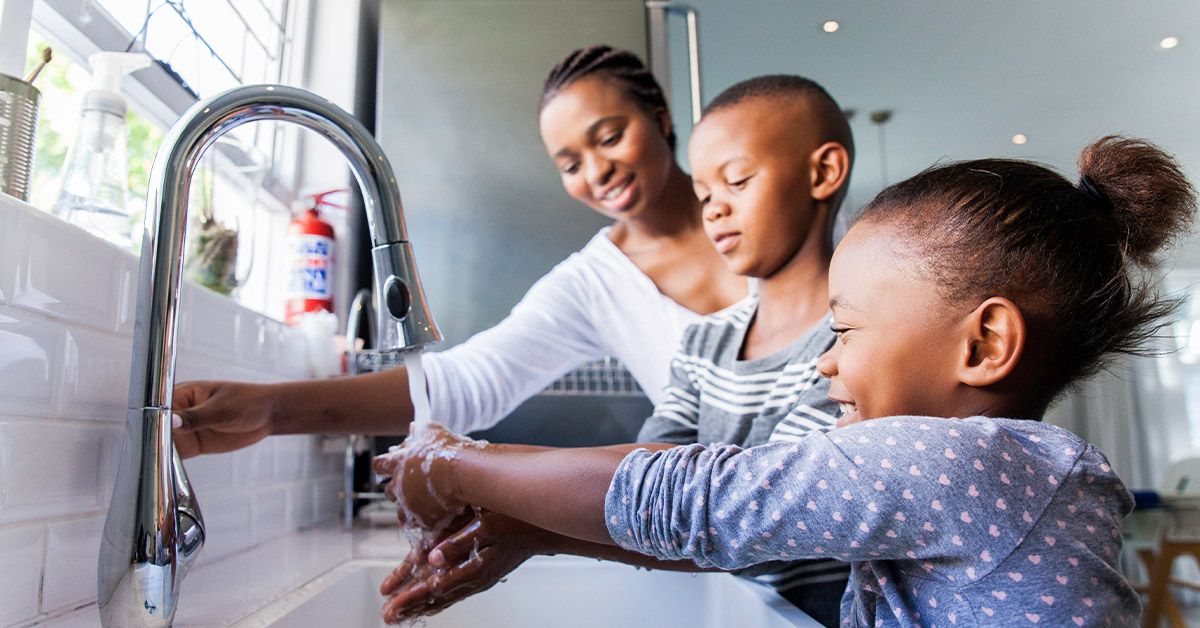
Handwashing is one of those tiny daily habits that looks almost too simple to matter. You turn on the water, add soap, rub your hands together, rinse, dry, and move on with your life. Easy, right? Well, yesand also, not exactly. The difference between a quick splash-and-dash and a truly effective hand wash can be the difference between removing germs and giving them a tiny spa day before sending them back into the world.
So, how long should you wash your hands? The standard guideline is simple: scrub your hands with soap and clean running water for at least 20 seconds. That means actual scrubbing time, not “20 seconds including turning the faucet on, admiring the mirror, and wondering what you came into the kitchen for.” Those 20 seconds give soap, friction, and water enough time to loosen dirt, oils, and many germs from your skin so they can be rinsed away.
In this guide, we’ll cover how long to wash your hands, when handwashing matters most, the right technique, when hand sanitizer is a good backup, and how to keep your hands clean without turning them into sandpaper. Clean hands are not glamorous, but neither is spending the weekend with a stomach bug. Let’s call it a win.
How Long Should You Wash Your Hands?
You should wash your hands for at least 20 seconds with soap and clean running water. This is the widely recommended minimum for everyday hand hygiene because it gives you enough time to scrub all the important surfaces: palms, backs of hands, between fingers, thumbs, fingertips, and under the nails.
A helpful way to time it is to hum the “Happy Birthday” song twice from beginning to end. If that feels too cheerful for a Tuesday morning at the office sink, you can also count slowly to 20, sing a short chorus in your head, or use a timer. The point is not musical talent. The point is not quitting after three seconds like your hands are in a race.
For many people, 20 seconds feels longer than expected. That is because most people wash their hands on autopilot. They wet, lather briefly, rinse, and leave. But proper handwashing is less about speed and more about coverage. Germs do not gather only in the middle of your palms like they are attending a meeting. They can sit around fingernails, knuckles, thumbs, and between fingersplaces that rushed washing often misses.
Why 20 Seconds Matters
Soap and water work together in a clever way. Soap helps lift oils, dirt, and microbes from the skin. Rubbing creates friction that loosens what is stuck. Running water carries the loosened material away. If you skip the time and technique, you weaken the whole process.
Think of handwashing like washing a greasy pan. If you wave the sponge over it for two seconds, the pan is technically “introduced” to soap, but dinner is still clinging on for dear life. Hands are similar. They need enough soap, enough rubbing, and enough rinsing to make the process effective.
Good hand hygiene can help reduce the spread of respiratory infections, stomach bugs, and foodborne germs. It is especially important in shared spaces, kitchens, schools, offices, gyms, bathrooms, and homes with children, older adults, or anyone with a weaker immune system. In other words, handwashing is not just personal hygiene; it is a tiny public service announcement performed at the sink.
The Proper Way to Wash Your Hands
Washing your hands correctly is easy, but it does require more than a dramatic rinse. Follow these steps for a thorough hand wash.
1. Wet Your Hands With Clean Running Water
Use clean running waterwarm or cold. Warm water may feel more comfortable, but it does not need to be scalding. Very hot water can dry out your skin, and irritated skin is not the goal. Wet both hands completely before applying soap.
2. Apply Soap
Regular soap is enough for everyday handwashing. You do not need antibacterial soap for normal household use. The key is using enough soap to create a good lather that covers all surfaces of your hands.
3. Lather Every Surface
Rub your hands together and spread soap across your palms, backs of hands, wrists, thumbs, between fingers, fingertips, and under nails. Thumbs are often forgotten, which is rude considering how much work they do. Fingertips also deserve attention because they touch phones, keyboards, door handles, snacks, faces, and approximately 47 mystery surfaces a day.
4. Scrub for at Least 20 Seconds
This is the main event. Scrub thoroughly, not aggressively. You are cleaning your hands, not sanding a table. Keep rubbing all surfaces for a full 20 seconds.
5. Rinse Well
Hold your hands under clean running water and rinse away the soap completely. Rinsing removes loosened dirt and germs from your skin.
6. Dry With a Clean Towel or Air Dryer
Drying matters because germs can transfer more easily to and from wet hands. Use a clean towel, paper towel, or air dryer. If you are in a public restroom and want to avoid touching the faucet handle after washing, use a paper towel to turn it off when available.
When Should You Wash Your Hands?
The best handwashing routine is not about washing every five minutes until your hands file a complaint. It is about washing at key moments when germs are most likely to spread.
Wash Before:
- Preparing food or cooking
- Eating
- Touching your face, eyes, nose, or mouth
- Caring for someone who is sick
- Treating a cut, scrape, or wound
- Putting in or removing contact lenses
Wash After:
- Using the bathroom
- Changing diapers or helping a child use the toilet
- Blowing your nose, coughing, or sneezing
- Handling raw meat, poultry, seafood, or eggs
- Touching garbage
- Handling pet food, pet treats, or animal waste
- Touching animals
- Being in public places, especially after touching carts, railings, touchscreens, or door handles
- Cleaning, gardening, or handling dirty laundry
Food preparation deserves special attention. Wash before cooking, after handling raw ingredients, after touching trash, and before serving food. Kitchen germs are sneaky. They can travel from raw chicken to cutting boards, spice jars, refrigerator handles, and your phone faster than gossip at a family reunion.
Is Hand Sanitizer as Good as Washing Your Hands?
Hand sanitizer is useful, but it is not a perfect substitute for soap and water. When soap and water are not available, use an alcohol-based hand sanitizer that contains at least 60% alcohol. Apply enough to cover all surfaces of your hands and rub until your hands are dry, which usually takes about 20 seconds.
Sanitizer is convenient after touching public surfaces, leaving public transportation, or getting into your car after errands. However, it does not work as well when hands are visibly dirty, greasy, or covered in food residue. It may also be less effective against certain germs and does not remove harmful chemicals the way soap and running water can.
Here is the practical rule: if your hands look dirty, feel sticky, smell suspicious, or have been involved in food prep, bathroom use, gardening, cleaning, or diaper duty, choose soap and water. If you are on the go and your hands look clean but you want to reduce germs, sanitizer is a helpful backup.
Common Handwashing Mistakes
Even people with good intentions make handwashing mistakes. The good news is that most are easy to fix.
Washing Too Quickly
The biggest mistake is not scrubbing long enough. A two-second rinse might make your hands wet, but wet germs are not the goal. Aim for the full 20 seconds of scrubbing.
Skipping Soap
Water alone is better than nothing, but soap makes handwashing much more effective. Soap helps lift oils and grime from the skin so germs can rinse away.
Ignoring Thumbs and Fingertips
Thumbs, fingertips, and under the nails are easy to miss. Make them part of your routine every time.
Not Drying Hands Properly
Leaving with wet hands is not ideal. Dry your hands well with a clean towel or air dryer.
Touching Dirty Surfaces Right After Washing
If you wash your hands and immediately grab a dirty faucet handle, shared towel, or grimy phone, you may undo some of your effort. In public restrooms, use a paper towel to touch handles when possible.
Handwashing Tips for Kids
Children can learn good handwashing habits early, but they usually need reminders, supervision, and a little creativity. Telling a child to “wash for 20 seconds” may produce a facial expression usually reserved for tax forms. Make it fun instead.
Try using a short song, a colorful timer, a sticker chart, or a silly phrase they repeat while scrubbing. Teach them to wash before eating, after using the bathroom, after playing outside, after touching pets, and after coughing or sneezing. Younger children may need help reaching the sink, using enough soap, and rinsing properly.
For schools and child care settings, routines matter. Building handwashing into the daybefore meals, after bathroom breaks, after outdoor play, and after messy activitieshelps children see it as normal, not as a punishment delivered by adults who hate fun.
How to Avoid Dry Skin From Frequent Handwashing
Frequent handwashing can dry out your skin, especially in cold weather, dry climates, or jobs that require constant washing. The solution is not to stop washing your hands. The solution is to wash wisely and moisturize like your hands have a publicist.
Use lukewarm water instead of very hot water. Choose a gentle soap when possible. After washing, pat your hands dry instead of rubbing them roughly. Then apply a hand cream or ointment while the skin is still slightly damp. Products with petrolatum, mineral oil, glycerin, or other moisturizing ingredients can help protect the skin barrier.
If your hands become cracked, painful, bleeding, or severely irritated, consider talking with a dermatologist or healthcare professional. Cracked skin can be uncomfortable and may make it harder to maintain good hygiene. Healthy skin is part of good hand hygiene, not a luxury bonus.
Handwashing at Work, School, and Public Places
Handwashing is especially important in places where people share surfaces. Offices, schools, restaurants, gyms, airports, clinics, and public transportation all create opportunities for germs to hitchhike. The goal is not to become afraid of every doorknob. The goal is to be smart at key moments.
At work, wash before eating, after using shared equipment, after blowing your nose, and after restroom use. At the gym, wash or sanitize after using shared machines, mats, or weights. At school, students and staff should wash before meals, after bathroom breaks, and after outdoor play. In public places, sanitizer can be helpful when a sink is not nearby, but soap and water should still be your first choice when your hands are dirty.
Do You Need Antibacterial Soap?
For everyday handwashing at home, regular soap is generally enough. The real heroes are soap, friction, water, time, and proper technique. Antibacterial soap is not necessary for most people’s daily routine, and using the right method matters more than buying a soap label that sounds like it belongs in a science-fiction movie.
If you work in healthcare, food service, child care, or another setting with specific hygiene requirements, follow your workplace protocols. For normal home use, choose a soap you will actually use consistently. A gentle soap that does not irritate your skin is often the best long-term choice.
Quick Handwashing Checklist
- Use clean running water.
- Apply enough soap to cover your hands.
- Scrub palms, backs of hands, thumbs, fingertips, between fingers, and under nails.
- Keep scrubbing for at least 20 seconds.
- Rinse well under running water.
- Dry with a clean towel or air dryer.
- Moisturize if frequent washing dries your skin.
Real-Life Experiences: What Proper Handwashing Looks Like Day to Day
Handwashing advice sounds simple until real life barges in wearing muddy shoes. The sink is across the room, the toddler is yelling, the chicken is half-seasoned, the dog has just stolen a napkin, and your phone is buzzing like it has breaking news from the moon. That is why the best handwashing routine is not built on perfection. It is built on small, repeatable habits that fit into normal days.
One useful experience is the “kitchen reset.” Before cooking, wash your hands for 20 seconds and start with a clean towel nearby. After touching raw meat, eggs, seafood, trash, or your phone, wash again before touching anything else. This can feel annoying at first, but it quickly becomes automatic. It also keeps you from turning spice jars, cabinet handles, and refrigerator doors into a germ relay race. A good rule is: if you would not want that ingredient on your sandwich, wash before touching the next surface.
Another everyday habit is the “arrival wash.” When you come home from work, school, errands, public transportation, the gym, or a medical appointment, wash your hands before settling in. It gives your day a clean checkpoint. You do not need to panic about every surface you touched; just make handwashing part of the transition from outside mode to home mode. Shoes off, keys down, hands washed. Simple.
Parents often learn that children do not magically wash well just because a bathroom exists. Kids may rinse fingertips, skip soap, or finish in the time it takes to blink. Turning handwashing into a game helps. Ask them to cover every “hand zone”: palms, backs, finger tunnels, thumb towers, nail caves, and wrist roads. Yes, the names are ridiculous. That is why they work. A silly routine is easier to remember than a lecture.
For people with busy jobs, handwashing works best when paired with obvious triggers. Wash before lunch, after the restroom, after shared equipment, after coughing or sneezing, and after handling items touched by many people. Keep a small moisturizer at your desk, in your bag, or by the sink. Clean hands should not mean cracked hands. If your skin starts feeling tight or rough, moisturize early instead of waiting until your knuckles look like a desert map.
Travel is another good test. Airports, gas stations, public restrooms, rideshares, and hotel rooms all involve shared surfaces. Carrying hand sanitizer is practical, but it should not replace soap and water when a sink is available. Use sanitizer when you cannot wash, then wash properly at the next good opportunity. This approach is realistic, flexible, and much less dramatic than treating every elevator button like a villain.
The most important lesson from real life is that handwashing is not about fear. It is about control. You cannot control every germ in the world, and trying to do so would be exhausting. But you can control the 20 seconds at the sink before eating, after the bathroom, after coughing, and during food prep. Those small moments add up. Clean hands are ordinary, affordable, and quietly powerfulwhich is exactly the kind of health habit that deserves more credit.
Conclusion
So, how long should you wash your hands? The best answer is at least 20 seconds with soap and clean running water. That short scrub can help remove germs, reduce the spread of illness, and make everyday spaces safer for you and the people around you. The key is not just washing longerit is washing better. Use soap, cover every surface, rinse well, dry properly, and moisturize when needed.
Handwashing may never be the most exciting part of your day, but it is one of the most useful. It protects you before meals, during cooking, after bathroom use, after coughing or sneezing, and after touching shared surfaces. In a world full of complicated health advice, this one is refreshingly simple: lather up, scrub for 20 seconds, rinse, dry, and carry on like the responsible germ-fighting adult you are.